
Reviewed · CHAMPAGNE TASTINGS & CELLAR TOURS
Reims afternoon tour Champagne and family growers
Champagne starts with small growers and real history. This 4.5-hour afternoon tour from Reims pairs six tastings with a max 8 capped-group format, so I found it easy to ask questions as we bounced between family wineries and Hautvillers. In the best moments, guides like Anne and Martin connect the dots from grape growing to what ends up in your glass.
The only real catch is food. Lunch, snacks, and bottled water are not included, so you’ll want to come with a plan, especially if you get hungry once the tastings start.
In This Review
- Key things to know before you go
- From Reims at 2 pm, a low-stress way to start drinking
- Capped-group touring, and why size changes everything
- Two family wineries and six tastings you can compare
- What to pay attention to during the pours
- Hautvillers and Abbaye Saint-Pierre d’Hautvillers: Dom Pérignon’s place in the story
- Driving through Hautvillers: the tiny town that sets the tone
- Champagne production, explained without the lecture tone
- Price and value: what you really pay for at $151.16
- What is not included, and how to plan around it
- Who should book this Champagne and family growers tour
- Should you book this Reims Champagne and family growers tour?
Key things to know before you go
- Max 8 group size keeps the day from feeling rushed or crowd-y
- Six Champagne glasses means you’re tasting enough to actually notice differences
- Two family-run winery visits give you a compare and contrast education, not just a one-house tour
- Hautvillers, Dom Pérignon, and the abbey church add real Champagne mythology you can see in person
- Round-trip transport from Reims makes it practical to drink without logistics stress
From Reims at 2 pm, a low-stress way to start drinking
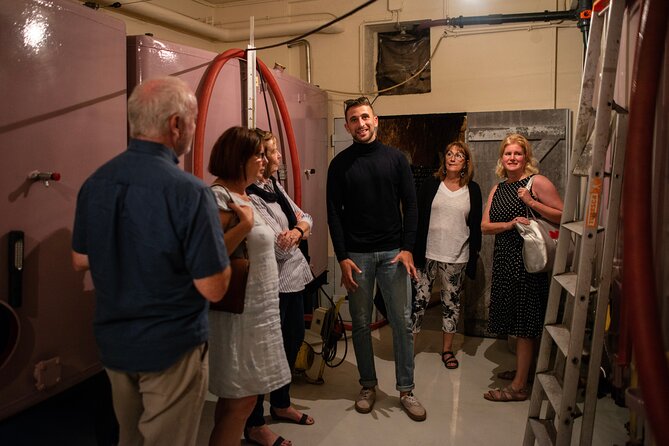
This is an afternoon plan, starting at 2:00 pm and running about 4 hours 30 minutes. Meeting is at the Office de Tourisme du Grand Reims, Site Gare, at the train station. That matters because you can plan your day around an easy hub, not a mystery pickup spot.
Round-trip transport from Reims is included, and the vehicle is air-conditioned. On hot days or rainy ones, that is a big quality-of-life upgrade. One more practical point: it ends back at the meeting point, so you do not need to guess how to get home after you taste six glasses.
Also, this tour tends to book ahead, averaging 44 days. If you’re traveling in peak season, booking earlier is smart.
Capped-group touring, and why size changes everything
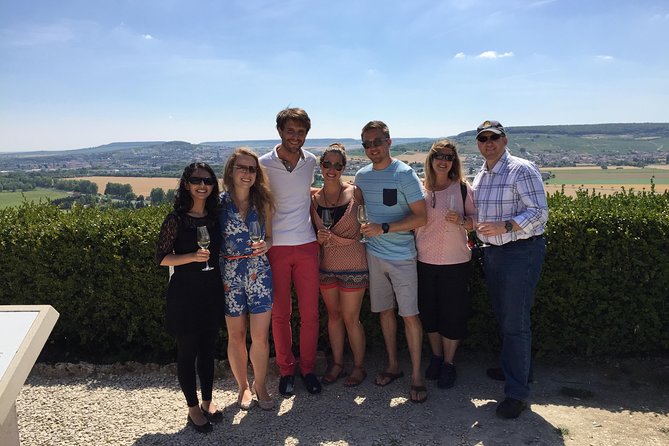
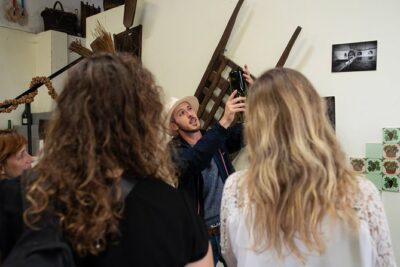
The group is capped at 8 travelers and led by a local English-speaking guide. That small size is not just comfort. It changes how your guide can teach. You get room for questions, and the pacing feels like it was designed for learning, not for moving bodies through a checklist.
The human factor comes through in the guide styles reported with past groups. Names like Anne, Suzanne, Thomas, Martin, Jérôme, Julie, Chloe, and Thomas show up repeatedly in the experience. The thread is the same: guides explain the Champagne story clearly, and they do it with humor, while still keeping things grounded in real production steps.
So if you are a total novice, you will not feel lost. And if you already know the basics, you still get useful context because the guide connects growing practices and cellar choices to what you taste.
More chalk cellars of Champagne:
- Reims: Guided Tour of Cathedral of Notre Dame de Reims
★ 4.5 · 857 reviews - From Reims: Morning Champagne Tour and Tastings
★ 4.8 · 463 reviews - Small Group – Half Day Champagne Tour – Visit of 2 Small Producers/Growers
★ 5.0 · 341 reviews
Two family wineries and six tastings you can compare
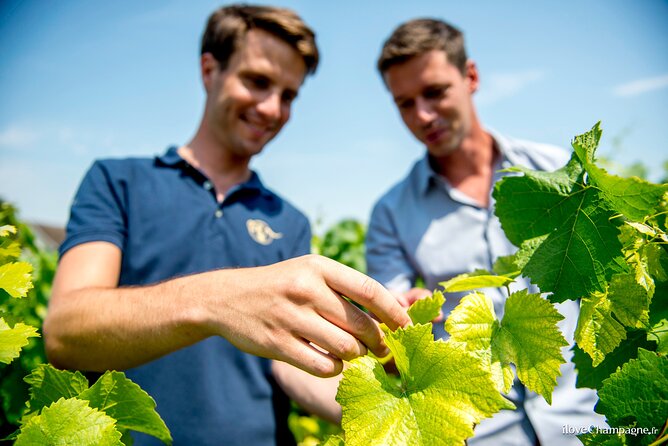
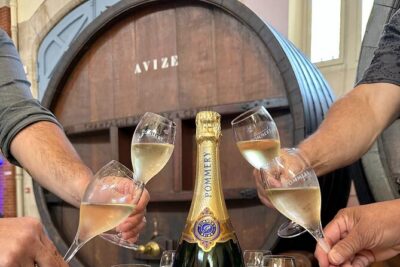
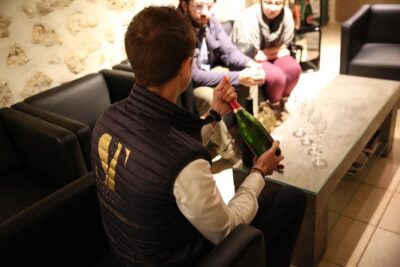
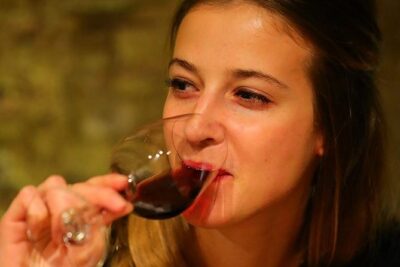
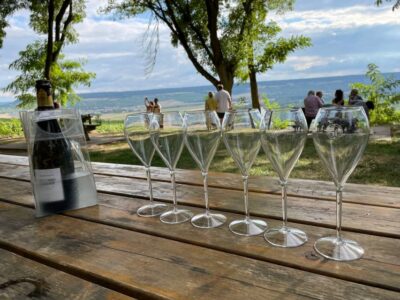
This is built around tastings, but not in the vague way some tours do it. You get six Champagne glasses total, spread across two winery visits.
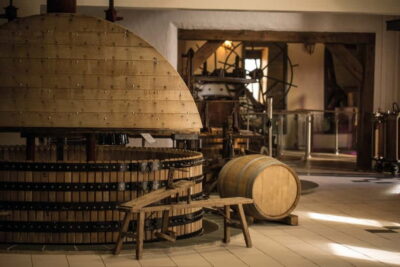
Each of the two winery stops lasts about 1 hour 30 minutes and is focused on a family operation in the Champagne-Ardenne area. At the first winery, you taste three glasses. Later, you repeat the same structure with another set of three glasses.
Here is what I like about that format as a traveler: it gives you a real comparison. You’re not just collecting flavors. You’re learning how different approaches can produce distinct styles. One day you might catch something lighter and more brisk, another tasting might lean richer or more structured. The exact details depend on what the producers pour that day, but the structure stays the same, and it helps your brain do pattern-matching instead of shrugging and saying Champagne is Champagne.
A big bonus for value is what is included. Entrance fees for visits and tastings at the two family-run wineries are part of your ticket price. That means you are paying for the full experience, not piecing it together with extra costs after you arrive.
And yes, there is typically a relaxed vibe. Past guests have mentioned there is no pressure to buy, which is how it should be. You can taste, ask questions, and walk away with memories, not a sales pitch.
What to pay attention to during the pours
If you want your tastings to feel educational instead of blurry, do this:
- Notice the first sip impression, then retaste after a minute. Your palate adjusts fast with Champagne.
- Pay attention to bubbles and finish. Some bottles feel more persistent, others feel snappier.
- Compare the two winery tastings as if they are different chapters of the same book. Same region, different choices.
Hautvillers and Abbaye Saint-Pierre d’Hautvillers: Dom Pérignon’s place in the story
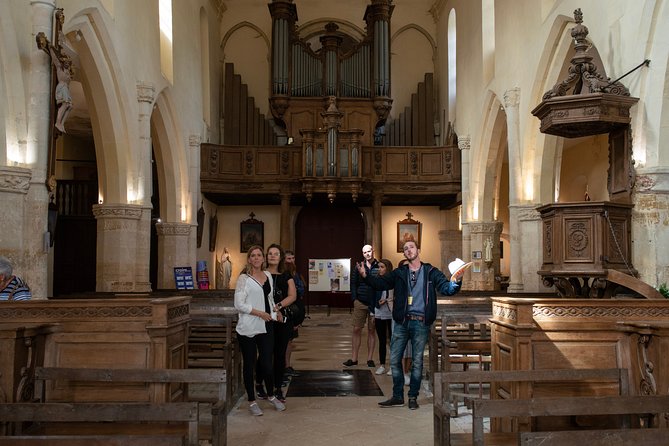
After the winery time, you head to Hautvillers and visit Abbaye Saint-Pierre d’Hautvillers, specifically the church part of the abbey connected to Dom Pérignon. The stop is short, about 15 minutes, but it carries weight.
Why this matters: Champagne history can sound like a museum script. Seeing the site helps it click. Dom Pérignon is more than a name on a bottle, and this kind of stop gives you the physical anchor for the legend. Even with a quick visit, it’s the part of the tour that feels more like place-based history and less like an explanation.
A few past groups also highlight that the abbey visit can include a look tied to Dom Pérignon’s burial site. Either way, you get that Hautvillers atmosphere, the hill-country feel that matches the whole Champagne idea of careful growing and long-term patience.
More French appellations, visited:
Driving through Hautvillers: the tiny town that sets the tone
Between the abbey and the second winery visit, you do a drive through the village of Hautvillers, about 30 minutes. This is not a heavy sightseeing stop where you hop out and tour every corner. But it gives you something useful anyway: a sense of why Champagne villages matter.
Look around for the vineyard edges and the way the terrain shapes the region. Even from the car, you start to understand how these towns function as part of a bigger production system, not as isolated photo spots.
Also, for many people, it’s a mental reset after tasting. You can shift from wine talk to scenery talk, then refocus for the next tasting.
Champagne production, explained without the lecture tone
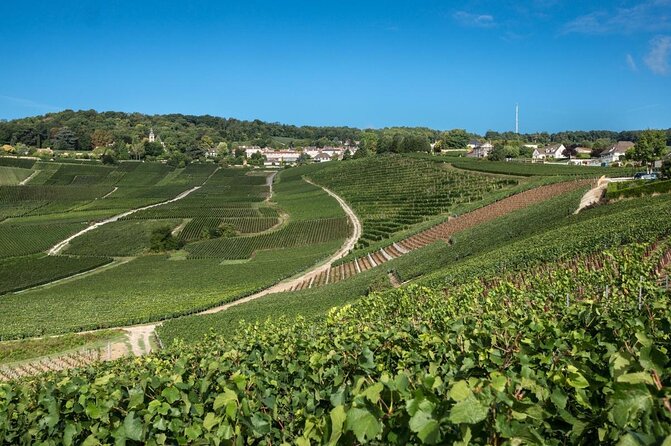
What makes this tour feel different is the teaching style. Guests have praised guides who connect farming, production, and history in plain language. You’ll hear how grapes become Champagne, not just the romantic bits. The story often covers:
- How grapes are grown for the Champagne style
- How production works once the grapes are in the cellar
- How the business side of small growers fits into the wider Champagne industry
I like that approach because it helps you taste with intention. After a couple glasses, you start thinking, Okay, this producer is doing X in the vineyards, so the wine is showing Y in the glass. That turns Champagne from a fun drink into a real learning experience.
And the small-group format helps. If you do not understand a term, your guide can slow down and rephrase without making you feel awkward.
Price and value: what you really pay for at $151.16
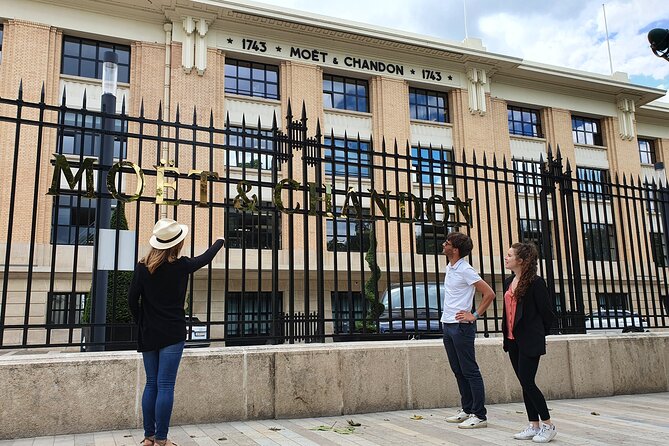
The price is $151.16 per person, for an afternoon tour that includes:
- Round-trip transport from Reims by air-conditioned vehicle
- A local English-speaking guide
- Entrance fees for visits and tastings at 2 family-run wineries
- Six Champagne glasses total
- A small-group limit of 8 travelers
- Mobile ticket
Here is how I think about the value. If you try to book tastings on your own, you often end up paying for transportation, then paying separately for each house experience. This ticket bundles transport with two paid tastings, plus the guide time that turns the whole day into something you remember.
So the money is not just going to Champagne. It’s paying for logistics, access, and instruction in a tight time window. For a half-day, that is a fair deal.
One more value point: the tour has an average rating of 4.9 and a 97% recommendation rate based on 535 reviews. That is not a guarantee, but it lines up with what you would want from a guided tasting tour: consistent education, smooth pacing, and good vibes.
What is not included, and how to plan around it
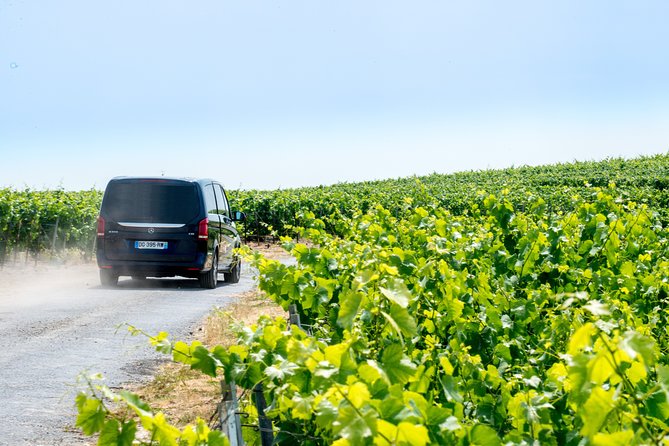
This is the part you should plan for so the day feels easy. Lunch, other drinks, bottled water, and snacks are not included.
That means:
- Eat something before you go, or plan a light snack beforehand.
- If you typically need water with alcohol, you’ll want to buy water yourself since bottled water is not included.
- If you are sensitive to alcohol, remember there are six pours over about 3 hours, not just one casual sip.
It is still a fun day. Just treat it like a tasting afternoon where food and water need to be handled intentionally, not assumed.
Who should book this Champagne and family growers tour
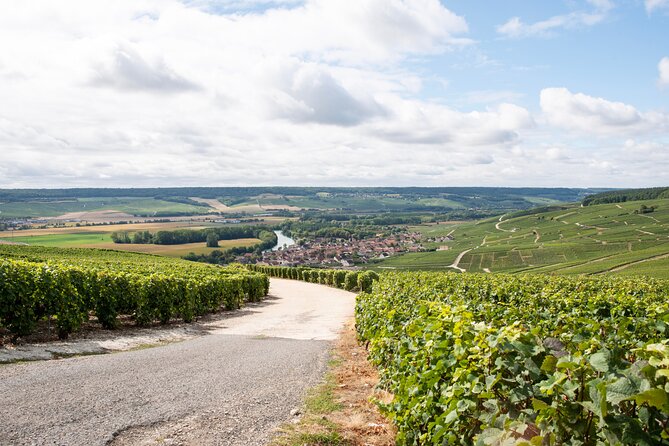
This tour fits best if you want an efficient, guided afternoon in Champagne country and you like the idea of comparing styles.
You’ll likely enjoy it if:
- You are a Champagne lover who wants more than one producer
- You want a story that ties history, growing, and production
- You prefer a small group and real time to ask questions
- You are staying in or near Reims and want transport taken care of
It might not be the best fit if:
- You need lunch included, because it is not part of the package
- You are traveling with children under 10, since children under 10 are not accepted
- You are traveling with pets, because animals are not allowed on shared tours
For most adults, it is straightforward. The tour says most travelers can participate, and the vehicle and timing help keep it manageable.
Should you book this Reims Champagne and family growers tour?
If your goal is a fun, education-focused Champagne afternoon with six tastings, access to family-run producers, and a guided connection to Hautvillers and Dom Pérignon, then yes, I think this is a strong pick.
Book it especially if you like the idea of learning through comparison. Two winery visits in one half-day is the sweet spot for many people, and the capped group size keeps it from turning into a rushed tasting line.
If you are flexible about food and you can plan water and a snack yourself, this is the kind of tour that leaves you feeling like you understood what you drank.
Latest Reims entries, notes attached


Champagne Tastings & Cellar Tours, compared.
Day Trip to Champagne with 8 Tastings & Lunch
Read our review →
Champagne Day Trip with 6 Tastings, Reims and Winery from Paris
Read our review →
Guided Tour of Cathedral of Notre Dame de Reims
Read our review →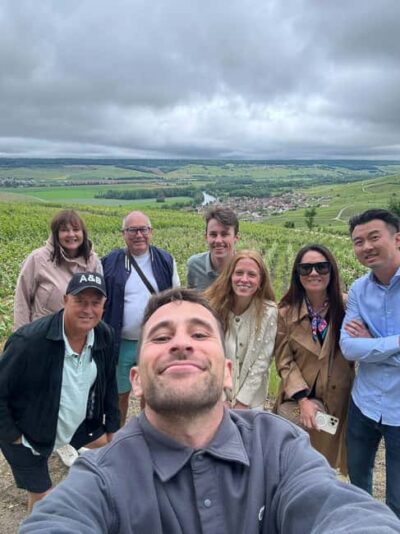
Champagne Day Trip from Paris with 8 Tastings & Lunch
Read our review →
Epernay: Guided Tour of Champagne Cellar with Tastings
Read our review →This tour also appears in