
Reviewed · THINGS TO DO IN NORMANDY
Rouen: Discover Rouen with a licenced tour guide
Rouen hits you with big sights fast. In just 2 hours, you get a guided sweep of the city’s headline landmarks, plus the side streets that make Normandy feel real. I like that this is built around a licensed local guide and a tight route that keeps you moving without feeling rushed.
My favorite parts are the stop-by-stop look at Rouen’s icons, from the cathedral (inside and out) to the astronomical clock, le gros horloge. You also get unusually focused time on Joan of Arc sites, including the church dedicated to her and the pyre emplacement.
One thing to consider: the experience depends on your guide on the day. The overall rating is strong, but there has been at least one instance where the guide situation did not go as planned, which matters if you care about smooth English or German.
In This Review
- Key things to know before you go
- Meeting Rouen at the Cathedral, and Why This Tour Works
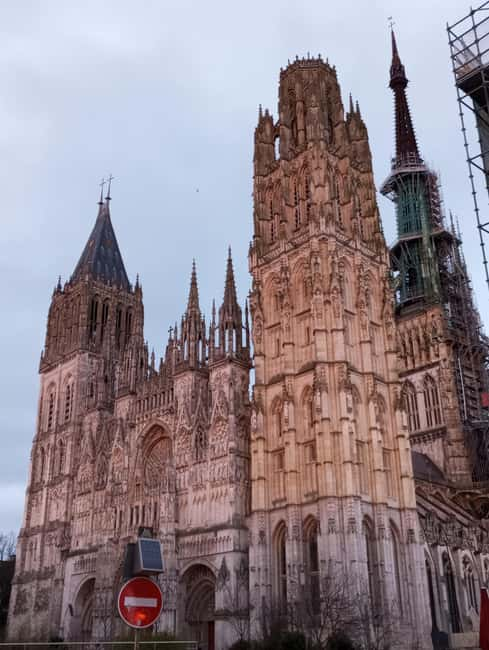
- The Cathedral Inside and Out: More Than a Pretty Façade
- Le Gros Horloge: When Rouen Shows You Its Sense of Time
- The Law Court Connection: Gothic Justice and an Unusual Past
- Joan of Arc Sites: Church, Pyre Emplacement, and Place-Based Meaning
- Saint-Maclou Church and Its Black Death Atrium
- Saint-Ouen Abbey Church: Stained Glass as the Payoff
- Old Streets, Half-Timber Houses, and Post-War Rouen
- Price and Value: Is $64 Worth It for 2 Hours?
- Who This Tour Suits Best
- Should You Book This Rouen Tour?
- FAQ
- Where does the tour meet?
- How long is the guided tour of Rouen?
- What languages are offered?
- What sites are included in the tour?
- Is the tour wheelchair accessible?
- How big is the group?
- What is the cancellation policy?
Key things to know before you go
- Small group, 10 people max means less waiting and more chances to ask questions.
- Cathedral + big clock are paired in a way that makes the city’s layout easy to understand.
- Joan of Arc stops include both her church and the pyre emplacement, not just a quick photo stop.
- St-Maclou’s Black Death atrium gives you a memorable, matter-of-fact look at Rouen’s past.
- Saint-Ouen stained glass is the visual payoff at the end of the walk.
- Half-timber streets and post-war rebuilding help you see how Rouen changed, not just how it looked.
Meeting Rouen at the Cathedral, and Why This Tour Works
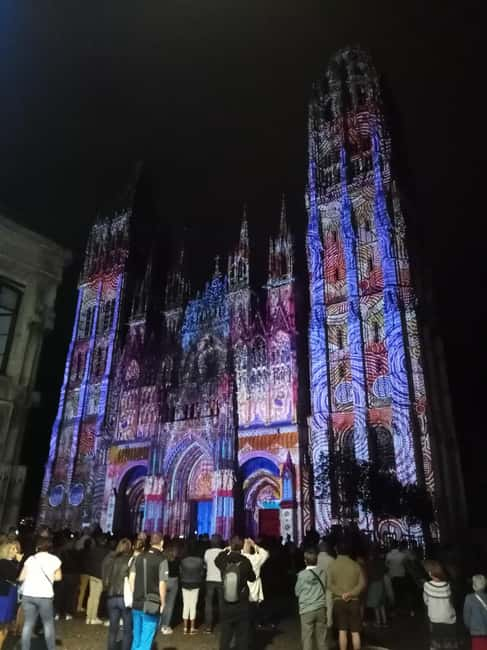
Your tour starts in front of the cathedral. That’s a smart choice, because it sets your bearings right away. Rouen is easy to walk but slightly maze-like around the center, with turns that matter for timing.
You’ll be with a small group, limited to 10 people. That keeps the feel personal, especially when your guide points out details you would likely miss on your own. English, French, and German are offered, and the tour is guided by a local who is licensed, not just a casual promoter.
The 2-hour pace is also the right length for Rouen. Long enough to see multiple major stops, short enough that you don’t end up chasing buses or taxis. If you only have a half day in Normandy’s capital, this gives you a strong overview and a few stories worth remembering.
The Cathedral Inside and Out: More Than a Pretty Façade
Rouen’s gothic cathedral is the first big anchor of the walk, and you’ll see it both inside and out. If you normally treat cathedrals like quick photo missions, this kind of guided visit changes how you look at the building. Your guide can frame what you’re seeing in plain language, so details click instead of staying random.
Inside, you get the kind of stop that helps you orient: how the space feels, where your attention should go, and why the cathedral matters to Rouen’s identity. Outside, your guide can connect the cathedral to the rest of the route, so you understand how the clock and the city center line up with the cathedral area.
A practical tip: wear shoes you can stand in comfortably. Even though it’s only 2 hours total, the cathedral and nearby streets can mean multiple standing moments. If you want to ask questions, this is a good place to do it, since you’ll have enough time for follow-ups.
More Things to Do in Normandy
- Normandy American D-Day Beaches Full Day Tour from Bayeux
★ 5.0 · 2,103 reviews - Normandy American D-Day Experience – Group tour from Bayeux
★ 5.0 · 1,566 reviews - Normandy Beaches Half-Day Afternoon Trip from Bayeux (A2)
★ 4.5 · 1,116 reviews
Le Gros Horloge: When Rouen Shows You Its Sense of Time
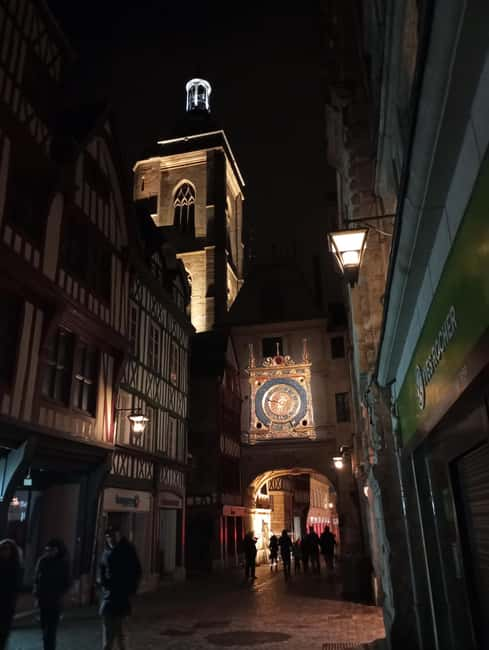
After the cathedral, you head toward le gros horloge, the famous astronomical clock. This stop is valuable because it turns a simple landmark into a story about daily life. Your guide explains what makes the clock special and why it became such a focal point in the city.
What I like about this tour pacing is that the clock isn’t just dropped on you as a standalone sight. It sits within the flow of Rouen’s historic center and market square area. Once you see the clock in context, the streets feel less like a background and more like a designed walkway through time.
There’s also a real value here: you skip the ticket line. That’s not flashy, but it matters in Europe, where “one line” can quietly turn into “stand and wait” if you arrive during a busy stretch. Even if you’re not in a hurry, saving time keeps the tour’s rhythm calm.
The Law Court Connection: Gothic Justice and an Unusual Past
Rouen’s law court is another standout stop. The building is described as gothic and still active, which means you’re not just touring a museum shell. Seeing an operating civic building adds a different kind of weight to the visit. It helps you understand that old architecture in Rouen still functions in modern life.
Your guide also brings in a detail that makes this stop more than just a pretty exterior: the building once housed a Jewish university. That’s the kind of historical thread that changes how you view the city. It’s a reminder that Rouen held education and community life in places you might otherwise assume were only religious or political.
You’ll tour the lawcourt as part of the walk, and it helps connect the dots between the cathedral area and the rest of the central sites. If you enjoy architecture plus human stories, this is the stop where the tour feels most “local,” not just sightseeing.
Joan of Arc Sites: Church, Pyre Emplacement, and Place-Based Meaning
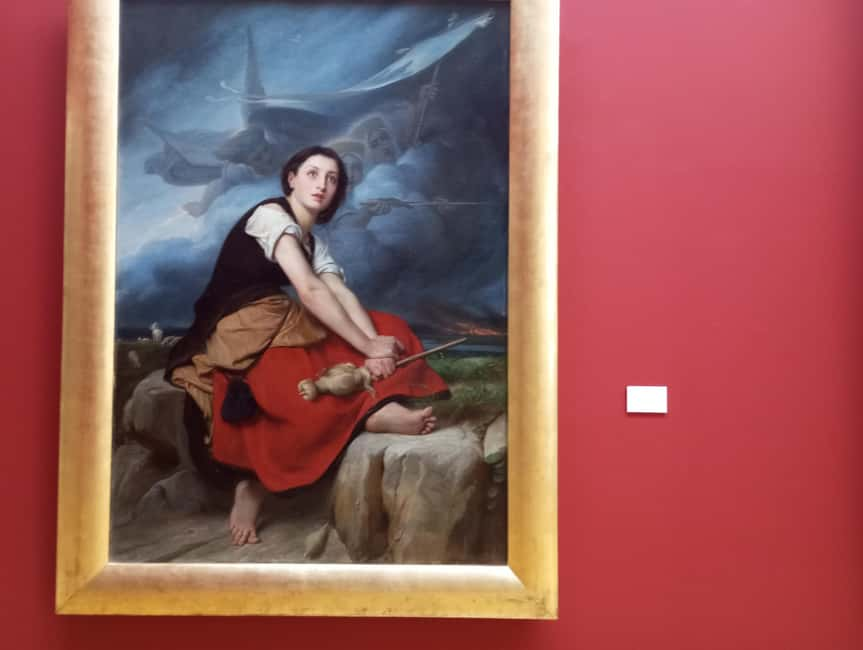
Joan of Arc is Rouen’s emotional core, and this tour doesn’t treat her as a postcard. You visit the church dedicated to her, and you also see the pyre emplacement. Having both together matters. A church gives you a spiritual and commemorative context, while the pyre emplacement anchors the historical reality of where events happened.
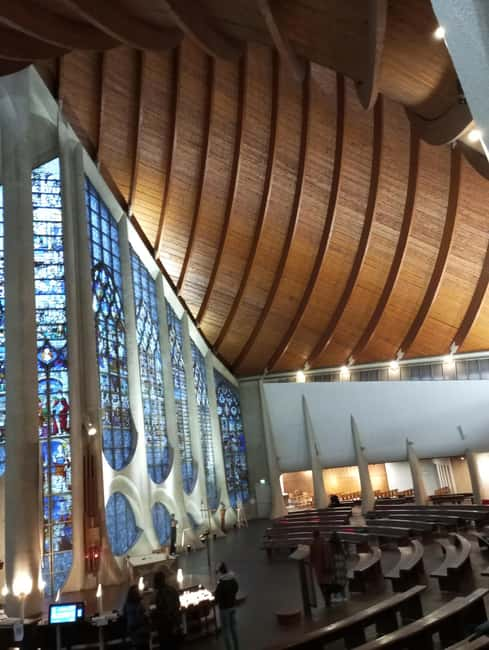
Your guide ties these stops into the city’s geography, so you can picture the route and understand why the place became a lasting symbol. The tour also connects Joan of Arc’s story to a key central area, the old market square, linked to her last breath. You’ll then pass a modern church dedicated to her, built after the war, which shows how remembrance evolves over time.
This is a good tour moment for questions. If you’re not from France, you might recognize her name but not the full place-based story of Rouen. A good guide helps you build that mental map fast, without overwhelming you.
Small drawback to note: if your group moves quickly or your guide keeps tight timing, the emotional stops can feel brief. With the group capped at 10, it usually stays manageable, but if you want extra time for reflection, you may want to revisit the area later on your own.
Other Normandy bookings in the margin notes

Saint-Maclou Church and Its Black Death Atrium
Next comes Saint-Maclou, including the unique atrium and a mass grave setting connected to the Black Death. This stop can be intense, but it’s one of the most unforgettable parts of the tour because it brings a grim chapter into physical space.
The big value here is tone. A licensed guide can help you understand what you’re seeing without turning it into horror-story entertainment. You’ll learn about the church’s special features, including the bonehouse element associated with the era. Even if you know the basics of the Black Death, seeing how it was marked in Rouen makes the story feel specific rather than generic.
If you’re sensitive to memorial sites, give yourself permission to pause. This is not a “walk through and forget.” It’s the kind of stop where you might want a minute to take it in and then continue with the group when you’re ready.
Saint-Ouen Abbey Church: Stained Glass as the Payoff
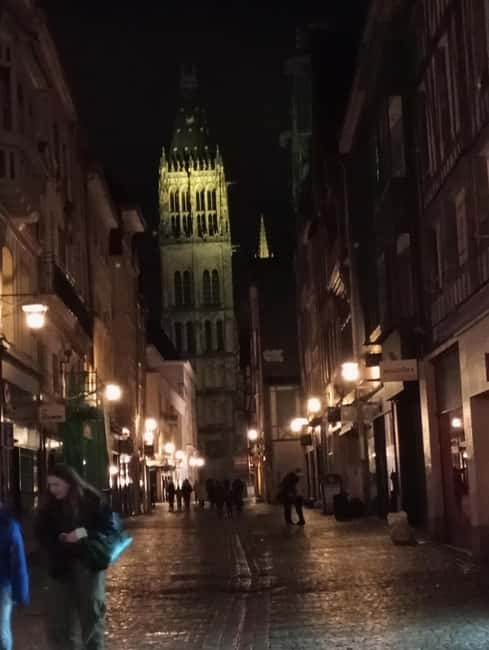
Saint-Ouen abbey church is where the visual rewards show up. Your tour includes the abbey church and its splendid stained-glass windows. If you love color and light, this is the moment you’ll remember later, even after you’ve forgotten a few details about the schedule.
Why this stop works on a tour like this: it’s a contrast. You move from dark history and solemn memory into something made to communicate beauty and craft. Your guide can point out what you should notice, helping you see the windows as more than decoration.
Also, this part of the walk fits naturally into the overall route. By the time you reach Saint-Ouen, you’ve already learned about Rouen as a place of religion, education, civic life, and remembrance. The stained glass lands with greater meaning because you understand what kind of city you’re in.
Old Streets, Half-Timber Houses, and Post-War Rouen
Between major monuments, you walk charming cobblestone streets lined with half-timber houses from the 14th to 18th centuries. This is the practical part of the tour that many city walks skip. It helps you see Rouen as a living city with layers, not just a checklist.
Half-timber architecture is a big part of why Rouen looks like Normandy. But the reason it’s worth seeing on a guided walk is context. A guide helps you notice patterns, not just buildings. You start to understand why certain streets feel preserved and why others show the scars and changes of later rebuilding.
Your tour also includes viewing modern constructions built after the war. This is helpful if you like honest sightseeing. It prevents Rouen from becoming only a romanticized medieval postcard. You get the full picture, including how the city rebuilt itself and what that means visually today.
Price and Value: Is $64 Worth It for 2 Hours?
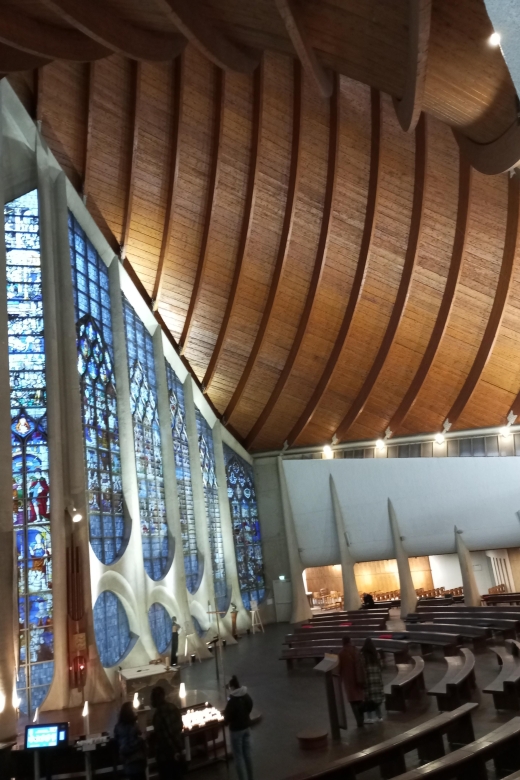
At $64 per person for a 2-hour licensed guided tour, the real question is what you’re getting for the time. Here, you’re paying for focused guide time plus a route that hits major Rouen anchors: cathedral, le gros horloge, law court, Joan of Arc sites, Saint-Maclou, and Saint-Ouen. That is a lot to fit into 120 minutes without feeling like you sprinted between distant spots.
You also get “skip the ticket line.” That reduces friction, and in a city with popular indoor sights, it protects the tour’s schedule. The small group cap at 10 helps the tour feel smoother too, because you’re not stuck in a big herd.
One more value point: multiple languages are offered (English, French, German). If you travel with a mixed language group, this tour is easier to handle than options that run only in one language.
So, yes, it’s priced like a quality city guide product. If you enjoy history explained in a human way and you want to leave with a mental map of central Rouen, it feels fair.
Who This Tour Suits Best
This experience is a strong match if you want a guided overview of Rouen’s core sights in a short time. It’s also a good pick for first-timers in Normandy who want to understand Joan of Arc beyond the basics.
I’d especially recommend it if you like city stories that connect buildings to real events, like the law court’s unusual educational past and Saint-Maclou’s Black Death remembrance. If you want only casual wandering with no explanations, you might find the tour too structured.
One note on guide variation. In the information you have, a guide named Polly is noted for encyclopedic knowledge and lots of local historical facts. Another guide name, Guido, appears in a shorter comment. And there is at least one case where a guide issue created language trouble. That means you should treat this as a guided product, not a free walking tour replacement. If language clarity matters a lot to you, consider adding a little slack to your schedule that day.
Should You Book This Rouen Tour?
I’d book it if you want the classic Rouen highlights plus the darker, more memorable chapters, all in a compact 2-hour window. The route covers the cathedral, le gros horloge, Joan of Arc sites, law court, Saint-Maclou, and Saint-Ouen, with the streets and half-timber architecture tying everything together.
If you hate guided time limits and prefer slow independent wandering, you may feel boxed in. But if you’re here for a limited stay in Normandy, this is one of the most efficient ways to build real understanding of Rouen fast.
FAQ
Where does the tour meet?
The meeting point is in front of the cathedral.
How long is the guided tour of Rouen?
The duration is 2 hours.
What languages are offered?
The live tour guide is available in English, French, and German.
What sites are included in the tour?
Included stops cover the cathedral, exploration of le gros horloge, the law court, the church dedicated to Joan of Arc and the pyre emplacement, Saint-Maclou mass grave, Saint Ouen abbey church with its stained-glass windows, and walking through old streets with half-timber houses.
Is the tour wheelchair accessible?
Yes, the tour is listed as wheelchair accessible.
How big is the group?
The group is small, limited to 10 participants.
What is the cancellation policy?
Free cancellation is available up to 24 hours in advance for a full refund.
Latest Normandy entries, notes attached



Things to Do in Normandy, compared.
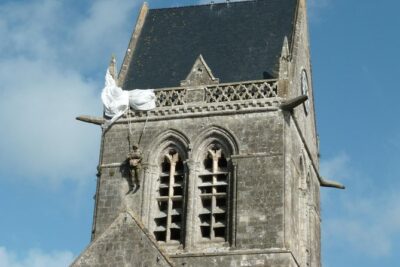
Normandy American D-Day Beaches Full Day Tour from Bayeux
Read our review →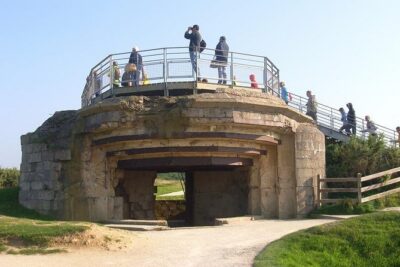
Normandy American D-Day Experience – Group tour from Bayeux
Read our review →
Normandy Beaches Half-Day Afternoon Trip from Bayeux (A2)
Read our review →
Omaha Beach D-Day Experience – Afternoon group tour from Bayeux
Read our review →
Normandy Battlefields Tour – American Sites (A3)
Read our review →
This tour also appears in