
Reviewed · HISTORICAL TOURS
Rouen: Guided Tour of the Historic Center
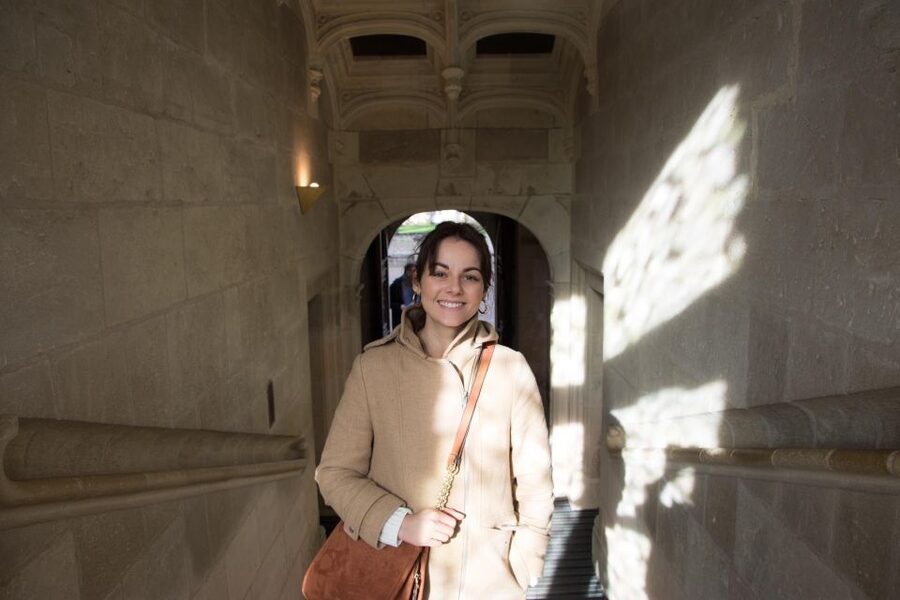
Joan of Arc walks with you in Rouen. In 90 minutes, this guided route threads medieval drama and street-level architecture, with Elodie, a Rouen resident, as your friendly guide. I like that the tour hits big-name sights, but keeps it human and walkable, instead of feeling like a museum checklist. I also love the mix of stop types, from the clockwork spectacle of Gros-Horloge to the towering focus of Rouen Cathedral.
My other favorite part is the way you get to the famous buildings without losing the plot. Elodie sets a steady pace, and the stories connect what you see, like the court setting tied to Joan of Arc, to what made Rouen powerful. One drawback to plan for: monument entry is not included, so for places where you want to go inside, you may need to pay extra time and money on your own.
In This Review
- Key highlights worth prioritizing
- Rouen’s historic center feels like one long, walkable timeline
- Starting at 4 Pl. de la Pucelle, then stepping into Joan of Arc’s Rouen
- Gros-Horloge and the courthouse area: clockwork city life in a Renaissance frame
- Rouen Cathedral: three towers, one spire, and the feeling of scale
- Martainville district: where medieval life becomes more than a word
- Saint-Maclou Church and Flamboyant Gothic details you can actually spot
- Price and value: what $28 buys you in 90 minutes
- Practical tips for a smooth walk through Rouen’s old streets
- Should you book the Rouen Historic Center Guided Tour?
- FAQ
- Where do I meet the guide?
- Where does the tour end?
- How long is the tour, and how far do we walk?
- What languages are available?
- Are monument tickets included in the price?
- Does the tour run in rain?
- What should I bring?
- Is cancellation free?
- Are children allowed, and is it free?
Key highlights worth prioritizing
- Place de la Pucelle to Place du Vieux Marché: you start with Joan of Arc, then walk to the square tied to her final moments
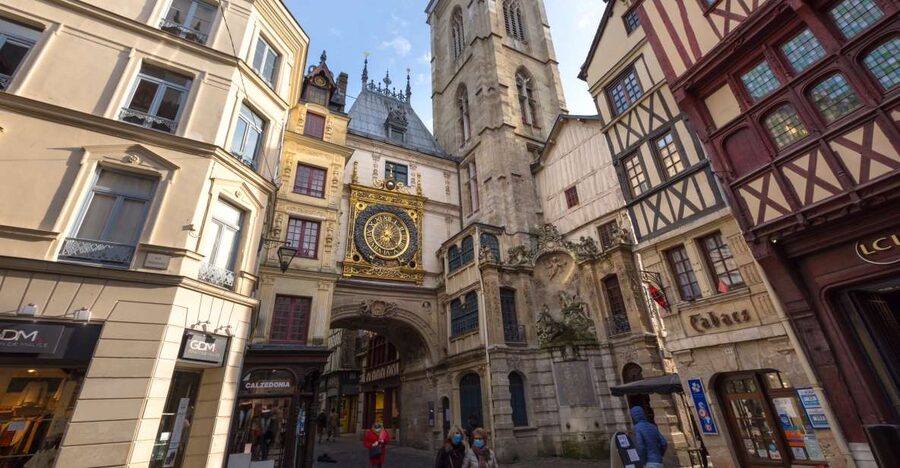
- Gros-Horloge’s astronomical clock: a 14th-century clock set inside a Renaissance street-arch, framed by half-timbered streets
- Rouen Cathedral’s three towers and 150m spire: different tower styles plus the feeling of the sky being pulled upward
- Martainville’s medieval living conditions: you end in a district that helps you picture daily life, not just kings and saints
- Saint-Maclou’s Flamboyant Gothic: one of the best examples of the style in France, with exterior details you can actually spot
Rouen’s historic center feels like one long, walkable timeline
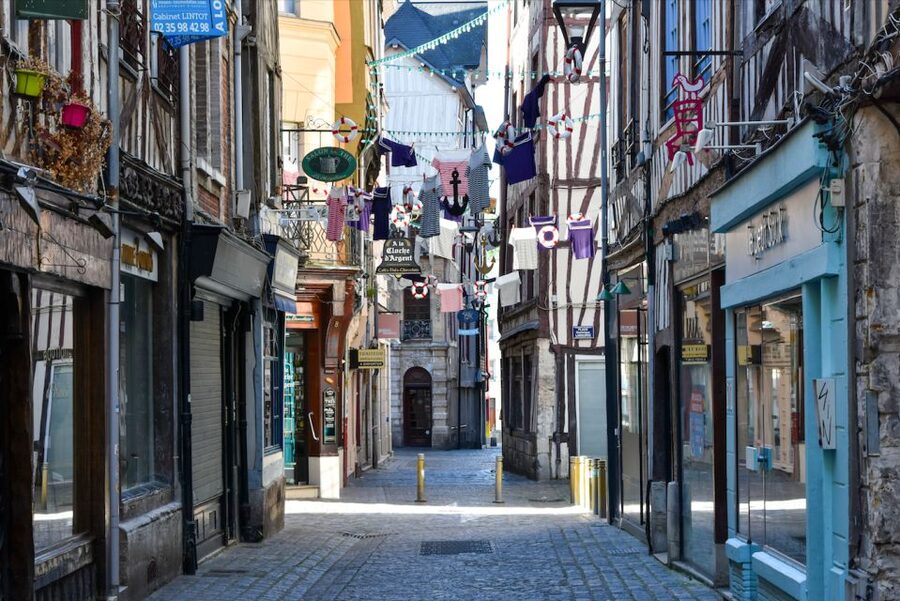
Rouen is one of those French cities where the past is not locked behind ropes. It’s right there on the street corners, in the mix of medieval lanes, Renaissance flourishes, and later artistic “echoes” linked to the cathedral’s look and light. A guided walk is the quickest way to understand how the pieces fit together, especially if it’s your first time in Normandy’s historic capital.
This route is built around clear anchors, Joan of Arc, civic power, and sacred architecture. That matters because Rouen can feel visually dense. Without a guide, you may admire buildings one by one. With a guide, you start recognizing patterns, like how a clock and courthouse express a city’s daily life and authority, while the cathedral signals spiritual ambition on a huge scale.
The timing is also realistic: 90 minutes, about 3 km on foot. That’s enough time to cover the main highlights and get good context, without turning your day into a full-on walking mission. It’s also rain or shine, so you should think of it as a structured stroll you can count on even when the weather has other plans.
Starting at 4 Pl. de la Pucelle, then stepping into Joan of Arc’s Rouen
The tour begins at 4 Pl. de la Pucelle, and you meet your guide at street level in front of the Public restaurant. Look for the green or orange badge around the neck. It’s a small detail, but it saves stress, because Rouen’s old center rewards the early “find your guide and then relax” approach.
From the starting square, the walk takes you toward Place du Vieux Marché, a key stop tied to the final moments of Joan of Arc. This is where the city stops being just scenic and becomes story-driven. You’re not only seeing a square, you’re seeing a stage, the kind of place where public life and political decisions collided.
What I like about starting here is pacing. You get an emotional hook right away, then the tour shifts from legend to the physical city, which makes everything else easier to understand. Elodie helps connect the symbolism of Joan of Arc’s Rouen to the surrounding civic spaces, so you’re not stuck thinking in only one time period.
If you’re traveling with kids or teenagers, this is a good entry point. The Joan of Arc connection grabs attention fast, and the rest of the tour naturally builds from there into architecture and city life.
More centuries, footnoted:
- Historic Bayeux Daily Group City Tour In English 2 hrs (Apr-Sept)
★ 5.0 · 220 reviews - Paris: Louvre Museum Entry with History of Mona Lisa
★ 3.9 · 2,823 reviews - Paris: Dark History and Ghostly Guided Walking Tour
★ 4.7 · 1,000 reviews
Gros-Horloge and the courthouse area: clockwork city life in a Renaissance frame
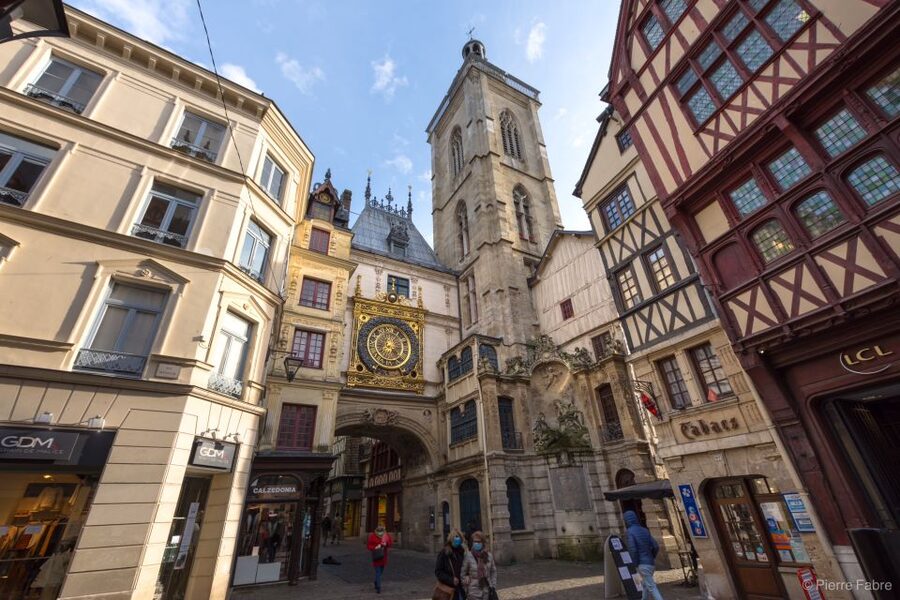
Next comes the Gros-Horloge, Rouen’s famous astronomical clock. You’ll get a close look at a 14th-century clock set in a Renaissance street-arch, which sounds technical, but it’s actually a very visual idea. In plain terms, it’s a piece of scientific civic life literally built into the streetscape.
Around it, you’ll see the charm of half-timbered houses that help the area feel medieval even though the clock and surrounding structures span different eras. The guide’s job here is to help you read what you’re looking at. A lot of people stop, take a photo, and move on. Elodie’s approach is to explain what makes an astronomical clock special in a city context, so you understand why it’s more than a decorative facade.
A short distance away, you’ll stop in front of the Courthouse of Rouen. This matters because it adds balance. Rouen isn’t only cathedral and romance. It’s also law, administration, and the machinery of society. That’s one of the reasons I think this tour is good value. For a small price and a short walk, you get both glamour and function.
A practical note: monument entry is not included. So your experience at civic exteriors like the Gros-Horloge and courthouse will be about viewpoints and storytelling. If you want deeper access inside specific monuments, you’ll want to plan for tickets separately.
Rouen Cathedral: three towers, one spire, and the feeling of scale
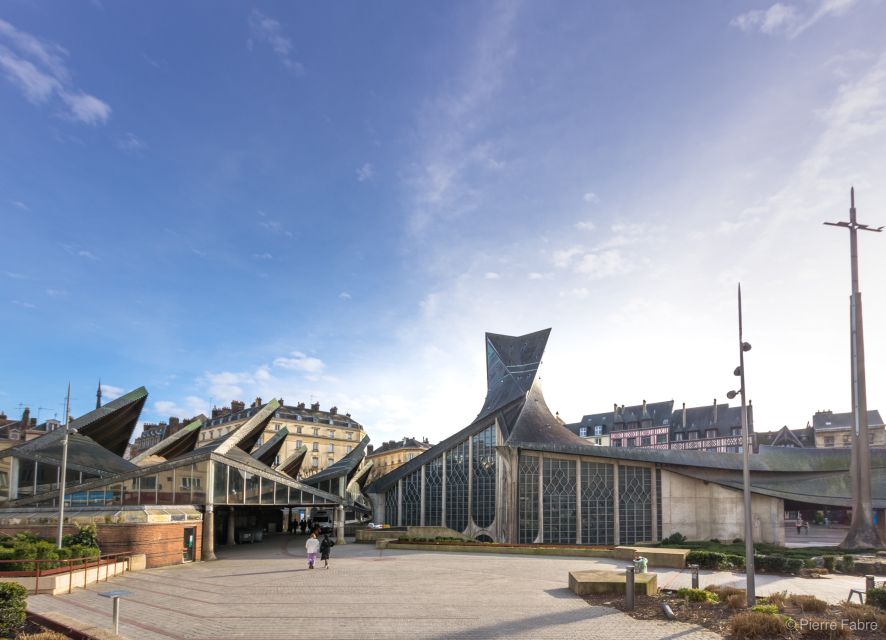
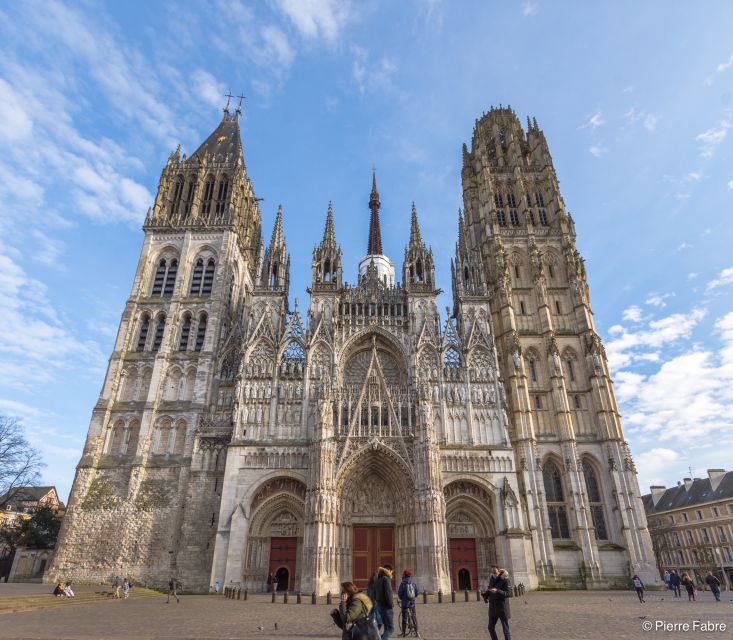
Rouen Cathedral is the big gravitational pull on this route. You’ll see it up close with its three towers, each in a different architectural style. That variety is one of the most useful things for you to notice, because it turns the cathedral from a single “one building” into a layered timeline you can actually spot with your eyes.
You’ll also hear about the spire that rises over 150m. Even if you’re not normally wowed by churches, the scale can get under your skin. It’s one of those moments where you stop thinking like a tourist and start thinking like a person who lived there. A spire that tall changes how you build a city, how you move through it, and what you believe is important.
There’s also a fascinating connection hinted during the stop, the pairing of medieval roots with 19th-century Impressionism. You don’t need to be an art expert to get the point. The cathedral’s changing light and dominating form made it a subject for artists later on. That means your cathedral experience is not trapped in the Middle Ages. It’s also about how Rouen kept influencing people long after medieval times ended.
This is also a place where a guide earns their fee. Cathedral architecture can be overwhelming if you try to figure it out alone. Elodie helps you focus on a few visual cues, like the towers’ different styles and how the overall silhouette works, so you leave with a mental map, not just images on your phone.
Martainville district: where medieval life becomes more than a word
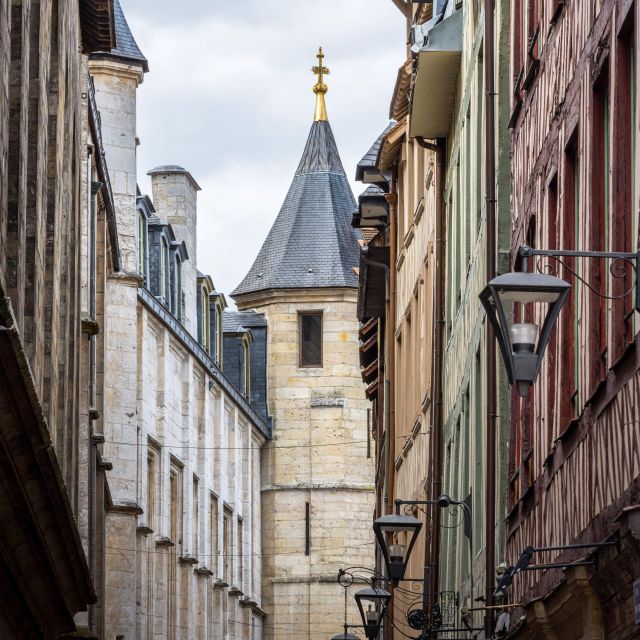
The tour ends in the Martainville district, and this is a smart choice. After seeing the cathedral and the clock, you get to step into a neighborhood that helps you understand living conditions in the Middle Ages. That shift is one of the best ways to make history feel real, because daily life has a different texture than monumental buildings.
On the way, you’ll hear the legend of the abbey of Saint-Ouen. Legends are not just filler. They’re often the glue that keeps a city’s past connected to places that might otherwise look like simple streets and buildings. Saint-Ouen is one of those names that carries weight in Rouen, and the guide’s storytelling helps you place it in the right setting.
This segment also includes Saint-Maclou Church on the way to the finish. I like this because it keeps the route from feeling like a straight line where you’re only “passing through” until the next big photo. Instead, you get a neighborhood walk with major architectural payoffs still attached.
Martainville can also be a good moment to reset mentally. You’ve seen the civic heart and the religious centerpiece. Now you get the chance to look around at streets and facades like a local would, noticing how the city feels at human scale.
More Things to Do in Normandy

Saint-Maclou Church and Flamboyant Gothic details you can actually spot
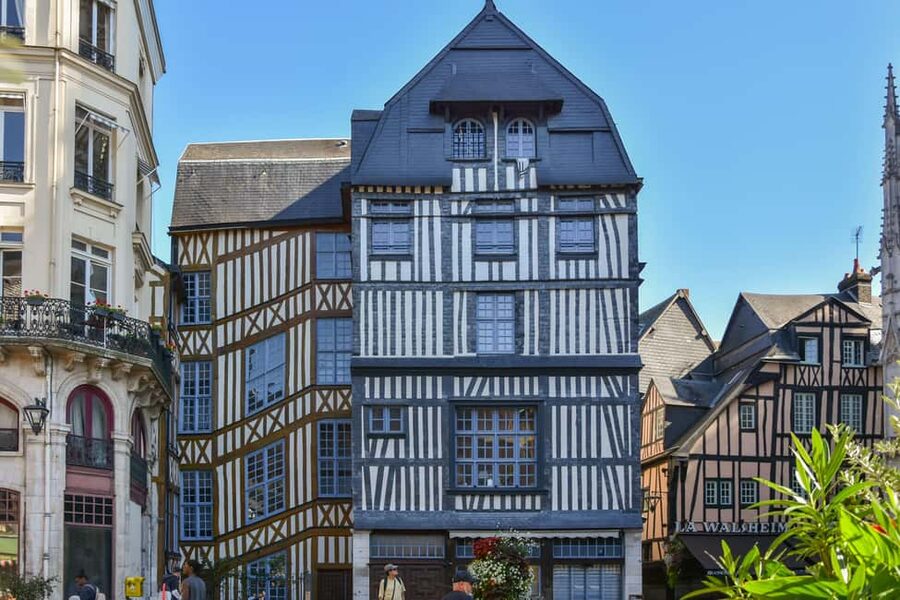
Saint-Maclou Church is one of the best examples of Flamboyant Gothic architecture in France, and the tour gives you reasons to care. Flamboyant Gothic can sound like a specialist label, but what it usually means for you is visual drama, sculpted lines, and a kind of architectural energy that doesn’t feel calm or plain.
The guide’s job here is practical, helping you see what makes the church stand out rather than just naming the style. When you know what to look for, you start noticing how the exterior details create depth and rhythm. That’s the difference between a quick glance and a satisfying look.
If you’re the kind of traveler who loves church photos, this is a good stop. If you’re not, it’s still worth it because the stop helps you understand how Rouen expresses identity through architecture, not just through stories.
The tour finishes near the heart of this area at Saint-Ouen Abbey Church. Even if you don’t enter any monuments, you’ll have enough context to understand why the area matters. By the time you reach the finish point, you’ve seen Rouen as a place where faith, civic authority, and daily life all left their fingerprints.
Price and value: what $28 buys you in 90 minutes
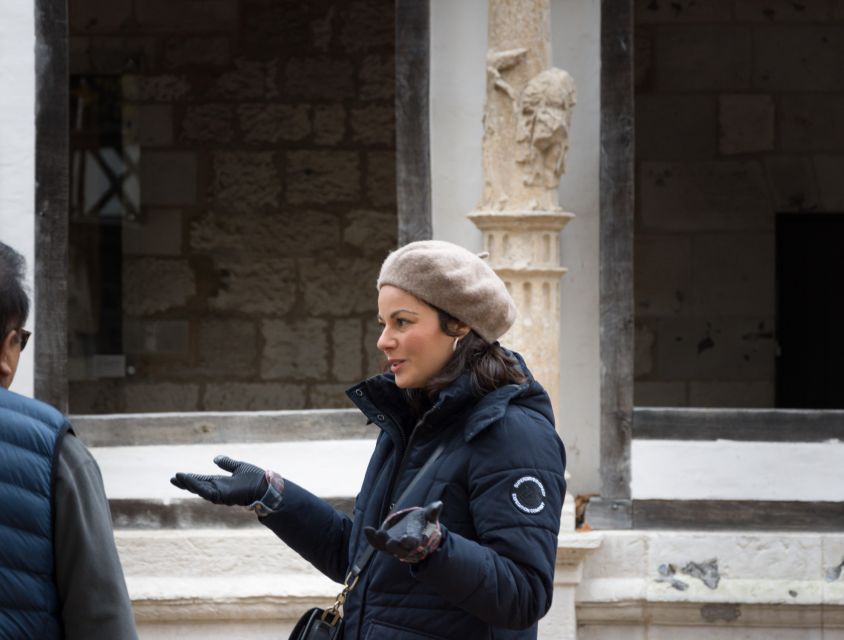
At $28 per person for a 90-minute guided walk, this tour sits in the “good orientation and great context” category. The value comes from three things you can feel immediately.
First, you get a route that covers major landmarks within about 3 km, so you’re not spending your entire day shuffling between far-apart spots. Second, the guide connects the dots, from Joan of Arc to Gros-Horloge to the cathedral towers, so it doesn’t become a blur of buildings. Third, the storytelling includes both medieval themes and later artistic echoes, giving you a sense of continuity rather than a single-era snapshot.
The one cost tradeoff is monument entry. Entry to monuments is not included, so if you plan to go inside multiple sites, budget a bit more. Still, for many travelers, seeing the outside details and getting the meaning behind them is plenty. This tour is best when you want to understand Rouen quickly and keep your time flexible for anything else you want to add later.
Also worth noting: children under 14 are free with no booking required. If you’re traveling as a family, that can make the tour surprisingly affordable per adult.
Practical tips for a smooth walk through Rouen’s old streets
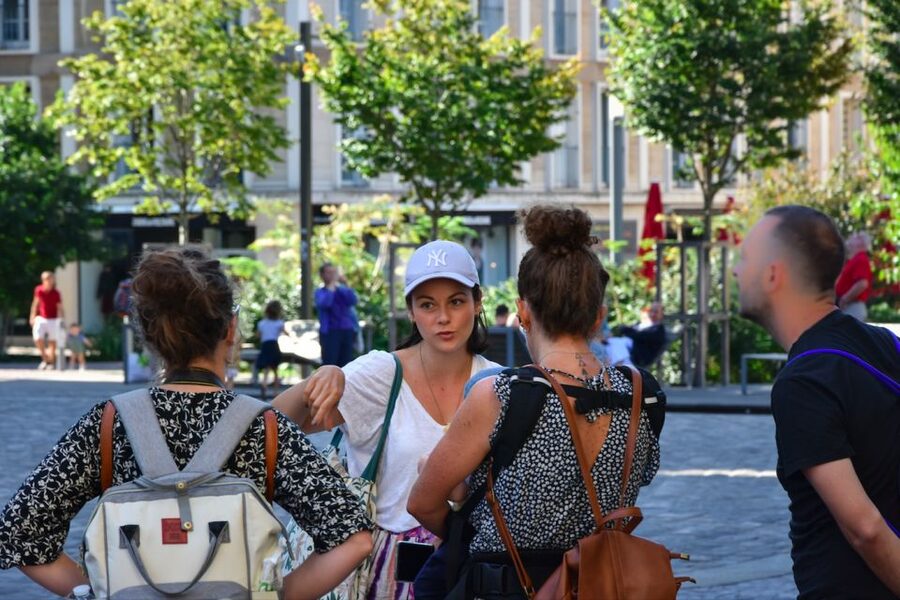
This is a straightforward walking tour, but Rouen old streets can be uneven. Bring comfortable shoes first. Add a hat if the sun is out, and pack an umbrella because the tour runs rain or shine. Bring water too, especially if you’re visiting in warmer months.
Plan for a weather-based mindset. Rain changes stone and streetscapes fast, but it doesn’t stop the tour. If you come prepared, you won’t lose the experience, and you might even find the cathedral area and half-timbered streets feel extra atmospheric on wet days.
If you care about photo timing, give yourself a little patience around the cathedral and Gros-Horloge. These stops are naturally popular because they’re visually strong. Going slow for the story part makes the photos better, not worse.
Finally, consider language. The tour runs in French and English, so you’ll get live interpretation rather than a self-guided audio track. That makes a difference when you want context, like why the astronomical clock is framed the way it is, or what makes the cathedral towers different.
Should you book the Rouen Historic Center Guided Tour?
Book it if you want a focused Rouen experience in a short time window. You’ll get the big identifiers, Joan of Arc sites, Gros-Horloge, Rouen Cathedral, Saint-Maclou, plus the quieter feel of Martainville, all with a local guide leading the story.
Don’t book it if you’re mainly craving deep interior visits and lots of ticketed entry time, because monument entry isn’t included and the tour is built for walking and seeing. If your ideal day is hours of wandering independently, you may enjoy self-guided exploring more.
My practical bottom line: for $28 and 90 minutes, this is a smart way to get your bearings fast, understand why these buildings matter, and leave Rouen with a clearer picture of how medieval Rouen shaped what came after.
FAQ
Where do I meet the guide?
Meet at the Public restaurant area near 4 Pl. de la Pucelle. Your guide will wait in front of the Public restaurant and wear a green or orange badge around their neck.
Where does the tour end?
The tour ends in the heart of the Martainville district at Saint-Ouen Abbey Church.
How long is the tour, and how far do we walk?
The tour lasts 90 minutes and covers about 3 km, or 1.8 miles, on foot.
What languages are available?
The live guide offers tours in French and English.
Are monument tickets included in the price?
No. Entry to monuments is not included.
Does the tour run in rain?
Yes. The tour takes place rain or shine.
What should I bring?
Bring comfortable shoes, a hat, an umbrella, and water.
Is cancellation free?
You can cancel up to 24 hours in advance for a full refund.
Are children allowed, and is it free?
Yes. The tour is free for children under 14 years old, and no booking is required.
Latest Normandy entries, notes attached






Historical Tours, compared.
Louvre Museum Entry with History of Mona Lisa
Read our review →
Vieux Lyon Cultural & Historical Walking Guided Tour (English)
Read our review →

Toulouse Food & History Tour with a Chef (in English)
Read our review →
Small-Group Full-Day Tour of Côte de Nuits, Côte de Beaune Vineyards and Beaune Historical District
Read our review →
This tour also appears in