
Reviewed · WINE TOURS
Saint-Émilion: Family Vineyard Visit with Wine Tasting
A good wine lesson, with a family heart. At Château Haute-Nauve in Saint-Émilion, you get a close look at how the estate makes wine and you finish with a guided tasting of four bottles, including two Grand Cru picks. I love that you walk through real production spaces with Marie-Anne or Florent, the fourth generation of the family, not a script from a warehouse.
The one drawback to keep in mind: food is not included, so plan to eat before or after, especially if you tend to get hungry during tastings. The visit is also short by design, so come ready to ask questions if you want deeper detail.
In This Review
- Key things that make this tour worth your time
- Château Haute-Nauve in Saint-Émilion: family-run, small group, real conversation
- The 75-minute flow: what you will see and why the order matters
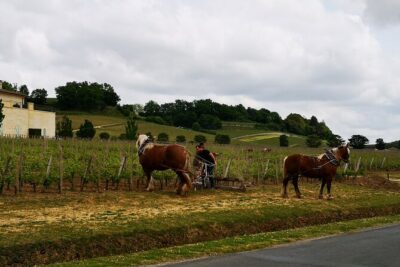
- Vineyard walk: Saint-Émilion grape basics you can actually use
- Vinification cellar: fermentation, pumping, and pressing made clear
- The barrel cellar: aging the traditional way
- Tasting four Château Haute-Nauve wines, including 2 Grand Cru
- Buying bottles or arranging shipping, so the trip lasts
- Price and value: why $18 for 75 minutes feels fair here
- Who should book this Saint-Émilion family vineyard visit
- Should you book Château Haute-Nauve with Marie-Anne or Florent?
- FAQ
- How long is the Château Haute-Nauve wine visit?
- How many people are in the group?
- What wines are included in the tasting?
- Is food included?
- What should I bring with me?
- Can I cancel and get a refund?
Key things that make this tour worth your time
- Fourth-generation hosts (Marie-Anne or Florent) explain the work in plain language
- Vineyard to cellar route keeps the story connected from grapes to aging
- Hands-on cellar specifics include fermentation, pumping, pressing, and tanks and barrels
- Atmospheric barrel cellar aging shows traditional methods in a way that clicks fast
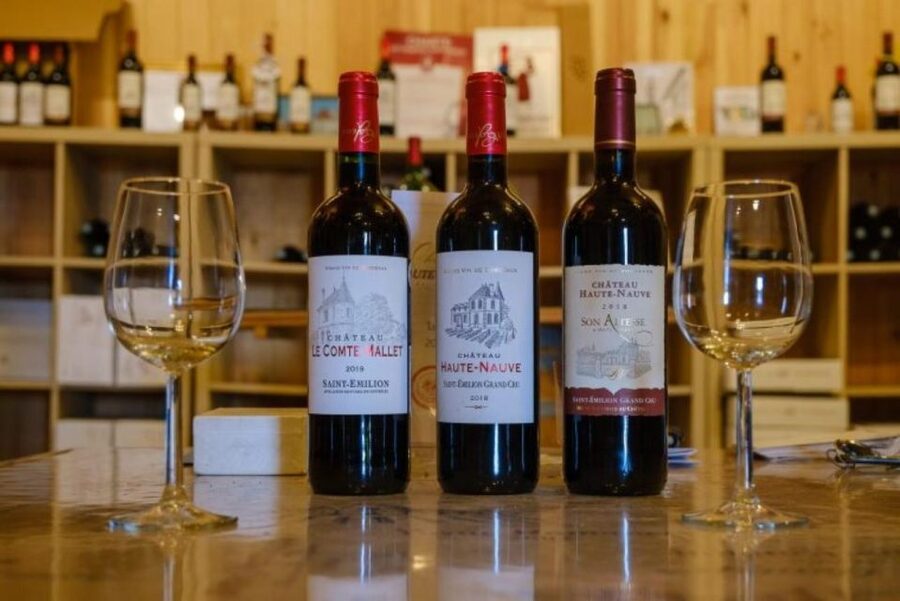
- Tasting four Château Haute-Nauve wines with two Grand Cru selections plus a Rosé
- Take-home options include buying wine on-site or arranging shipping
Château Haute-Nauve in Saint-Émilion: family-run, small group, real conversation
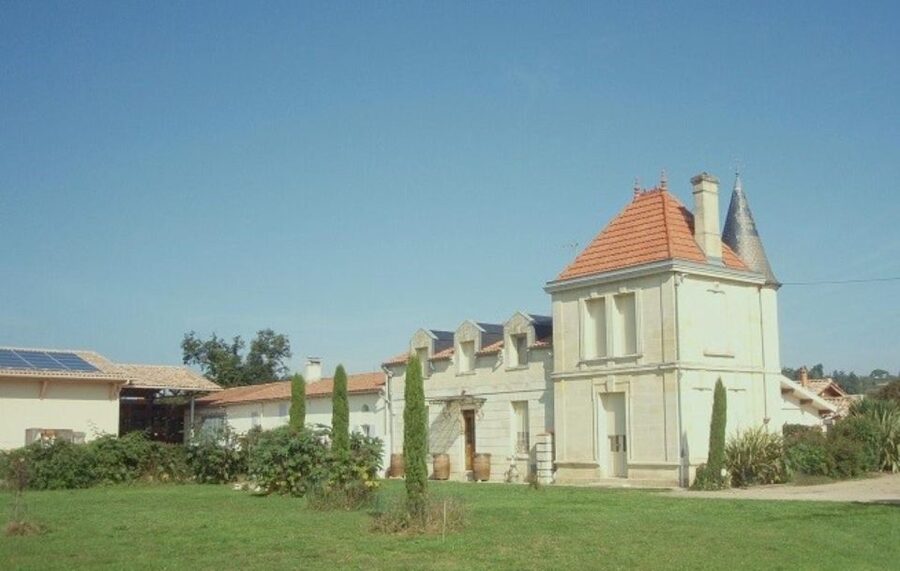
Château Haute-Nauve is a family estate in Saint-Émilion that has been producing wine since 1930, and you feel that in the way the tour is paced. With a small group limited to 10, you are not stuck listening from the back row. You get Marie-Anne or Florent, the fourth generation, guiding you through what they do and why they do it.
I like that the vibe stays personal without being overly precious. You are free to ask technical questions, and the guides have a way of making production steps feel practical instead of intimidating. Many guests also highlight Florent’s friendly style and humor, which makes the cellar portion much easier to follow.
One more practical plus: you can tour in French or English, so you are not forced to rely on translation apps. And since the host represents the family operation, the talk tends to stay grounded in how wine is actually made, not just romantic talk.
The 75-minute flow: what you will see and why the order matters
This is a 75-minute experience, so it runs like a focused walk-through rather than a slow museum visit. You start at the estate and move from the vineyard setting to the production spaces, ending with the tasting. That order is smart, because you learn what the grapes become before you taste the final result.
First you explore the vineyards and talk about Saint-Émilion grape varieties and the specific choices that affect style in the appellation. Next you head into the vinification cellar, where you learn what fermentation, pumping, and pressing do to the wine. Then you shift to the barrel cellar, where aging is shown in the traditional way.
Finally, you taste four Château Haute-Nauve wines. The tasting is placed at the end on purpose, because by then you know what to look for in aroma, structure, and finish. If you go in thinking you will just sip, you might leave surprised at how much the earlier steps shape what you taste.
More Wine Tours in Bordeaux
- Bordeaux: Cité du Vin Entry Ticket and Wine Tasting
★ 4.6 · 3,885 reviews - Bordeaux: River Garonne Cruise with Glass of Wine and Canelé
★ 4.5 · 3,630 reviews - From Bordeaux: Afternoon Saint-Emilion Wine Tasting & snack
★ 4.8 · 1,581 reviews
Vineyard walk: Saint-Émilion grape basics you can actually use
The vineyard portion is not just a pretty photo stop. You get a guided look at the estate’s vines and how they fit into the Saint-Émilion appellation. You also learn about the grape varieties used there, which matters because Saint-Émilion wines can taste very different depending on the blend and harvest decisions.
I like that this part frames the rest of the tour. When you understand what the grapes are, vinification stops feeling random. You start connecting why pressing might be gentler, or why pumping and fermentation management affects the texture you later find in the glass.
Since the guides are the owners, the vineyard talk also feels anchored to the estate’s multi-generation history since 1930. That family angle helps you see the vineyard as something cared for over time, not just a plot that produces grapes.
Also, remember this is outdoors. Bring comfortable shoes and a hat, and you will stay happy through the full walk.
Vinification cellar: fermentation, pumping, and pressing made clear
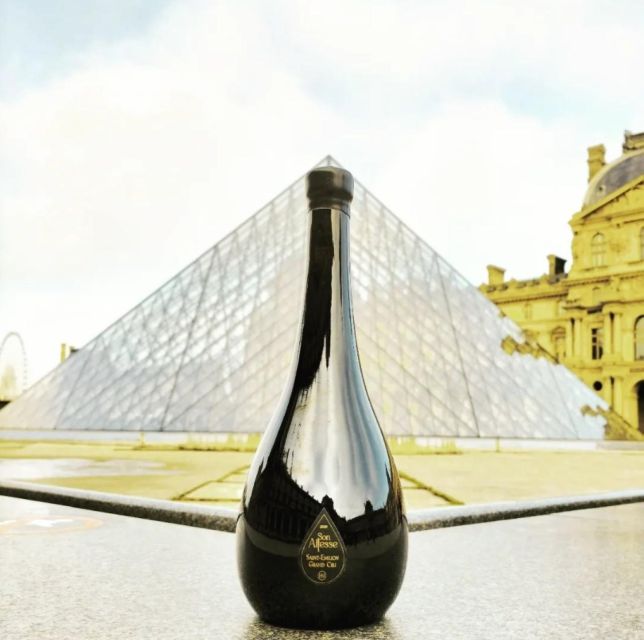
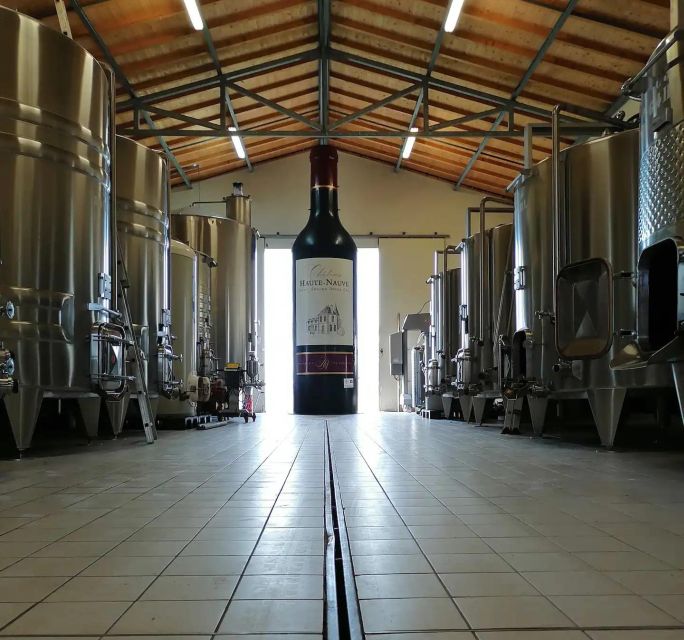
Inside the vinification cellar, the tour becomes more technical, but the goal is clarity, not jargon. You see tanks and barrels and get explanations of the winemaking process, including fermentation, pumping, and pressing.
Here is why this part is valuable even if you are a casual drinker. Fermentation is where flavors and structure begin to form, so when you taste later, you can start to recognize fruit character and texture. Pumping is one of those steps that can affect how much color and flavor come from the skins, and it can influence tannin feel. Pressing is where winemakers decide how much extraction they want, and that tends to show up in balance and intensity.
One reason guests rate this tour so highly is that the guide style stays approachable. Florent, in particular, is known for using tools like videos to help technical steps make sense, especially when you are staring at equipment and trying to picture what is happening behind the scenes.
If you want to get the most out of this section, ask one direct question: what step matters most for the style you aim for at Château Haute-Nauve? Your guide can connect the machinery to the bottle you will taste later.
The barrel cellar: aging the traditional way
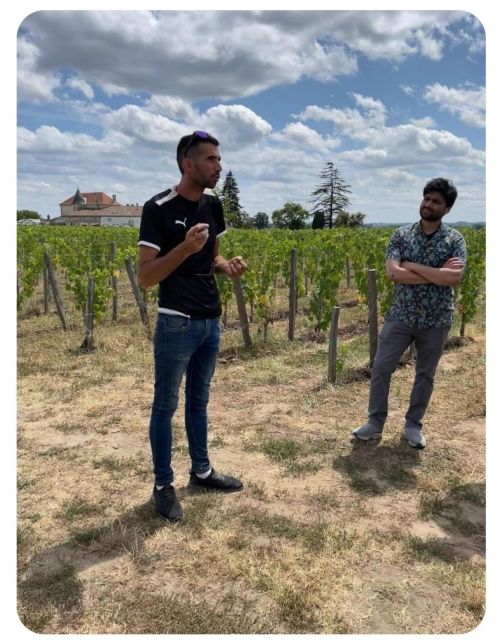
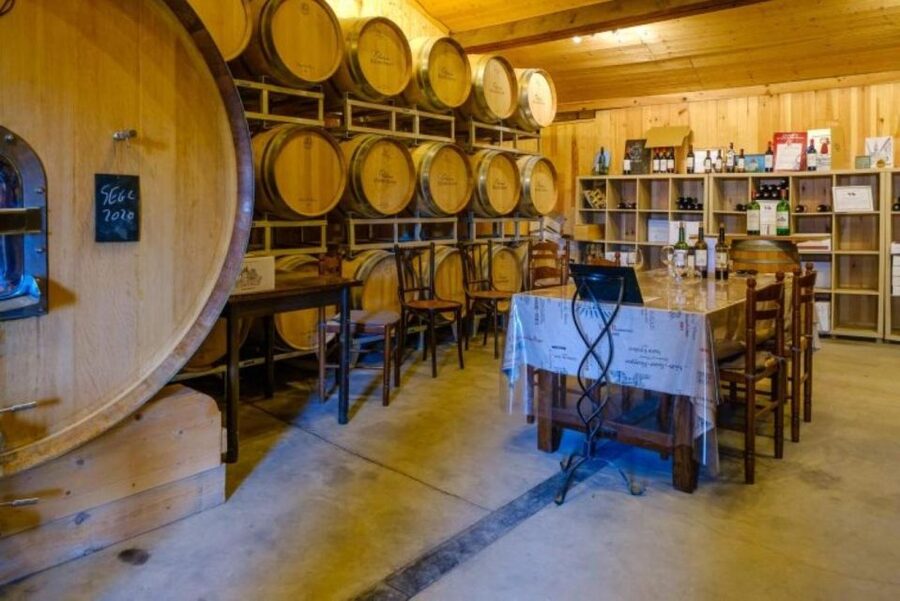
After learning the production steps, you move to the barrel cellar, which is where the tour slows down in a good way. You get to see how wine ages in barrels and how traditional methods influence the end character of the wine.
Even if you have never visited a winery before, barrels are easy to understand once someone walks you through the purpose. Aging in barrel is not only about softening edges. It is also about gradual integration, aroma development, and the way the wine picks up subtle notes over time.
What I like here is the atmosphere. The barrel cellar makes the earlier process feel real. You stop thinking of winemaking as a checklist and start treating it like a sequence of decisions that show up in the glass.
This is also where the family story lands. Since the estate has been around since 1930, the cellar visit feels like a practical link between past methods and the choices being made today by the fourth generation.
More French appellations, visited:
Tasting four Château Haute-Nauve wines, including 2 Grand Cru
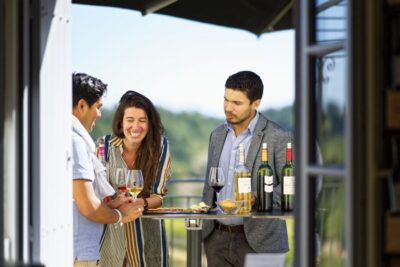
The tasting is the reason most people book, and it is clearly a strong part of the experience. You taste four wines from Château Haute-Nauve: two from Saint-Émilion Grand appellation, one labeled Saint-Émilion, and one Rosé.
That lineup is a smart way to learn. Two Grand Cru bottles give you a benchmark for how high-end Saint-Émilion can taste from this estate. The Saint-Émilion wine helps you understand what changes when you move a level down in designation, and the Rosé lets you compare how the estate approaches freshness and fruit.
How I like to taste these tours is simple. You do not need to chase notes like a scientist. Focus on one question per glass:
- What does it taste like in the first 5 seconds?
- How does the tannin or texture feel after you swallow?
- What lingering flavor shows up in the finish?
Because you just toured fermentation, pumping, pressing, and barrel aging, you should find yourself making connections. If the tannins feel firmer, you might connect that to how extraction is handled. If the aromas feel more integrated, barrel aging probably helped.
This tasting portion also tends to stay relaxed. You are learning, but you are not being rushed, and that makes the experience feel less like a sales pitch and more like a conversation.
Buying bottles or arranging shipping, so the trip lasts
After tasting, you can purchase your favorite wines from the estate. You can also arrange shipping so you can bring home wines without struggling with luggage.
This matters for value. Wine tours sometimes end with tasting and nothing else, or the shopping portion feels forced. Here, you get clear options to take what you like and enjoy it later. For many wine lovers, that turns a short visit into a souvenir that actually gets used at home.
If you are deciding what to buy, do it based on what you connected with during the tasting, not on what you think sounds impressive. If the Rosé surprised you, consider grabbing one. If the Grand Cru bottles felt most expressive, you can prioritize those and skip the rest.
Also, bring a bit of patience. Sales and packaging take a few extra minutes, so give yourself time to finish strong.
Price and value: why $18 for 75 minutes feels fair here
At $18 per person for a 75-minute guided visit, the price feels like good value for two reasons. First, you are tasting four wines, including Grand Cru selections, which is not a small sample. Second, you are not just tasting, you are getting guided explanations of fermentation, pumping, pressing, and cellar aging.
In other words, you are paying for instruction and access, not just a sip-and-go stop. The small group size helps too, because the host can answer questions rather than managing a crowd.
The other cost to think about is what you do for food. Since food is not included, you may want to plan a snack or meal nearby. If you handle that, the overall experience still feels like a smart use of time in Saint-Émilion.
Who should book this Saint-Émilion family vineyard visit
This tour is a great fit if you want a family-run winery experience with real production details. It works well for people who like hands-on explanations, and it is especially good for first-time visitors who want the story from vines to barrel.
It also suits couples, small friend groups, and families with older kids who can handle a short walk and a tasting. If your idea of a wine tour is mostly scenery with no technical talk, you might want to pick a different style of tour. But if you enjoy questions and want to understand what is happening behind the labels, this one lands well.
One more note: since there is no food and the tasting comes after cellars, plan your timing so you are not rushing your meal. You will enjoy it more when your day has breathing room.
Should you book Château Haute-Nauve with Marie-Anne or Florent?
If you are in Saint-Émilion and you want a wine tasting that is guided by the people who run the estate, I would book this. The combination of a vineyard walk, cellar access, and a four-wine tasting with two Grand Cru wines makes the value-to-time ratio strong.
I would especially recommend it if you like learning in small groups, and if you want a host who answers questions and keeps the tone friendly. The only reason to skip is simple: if you need food included or you prefer long, slow winery experiences instead of a focused 75-minute format.
FAQ
How long is the Château Haute-Nauve wine visit?
The experience lasts 75 minutes.
How many people are in the group?
The tour is limited to a small group of up to 10 participants.
What wines are included in the tasting?
You taste 4 wines, including two from the Saint-Émilion Grand appellation, one Saint-Émilion wine, and one Rosé.
Is food included?
No, food is not included.
What should I bring with me?
Wear comfortable shoes and bring a hat.
Can I cancel and get a refund?
Yes. You can cancel up to 24 hours in advance for a full refund.
France by the Course
- From Bordeaux: Half-Day Saint-Émilion Tour and Wine Tasting
★ 4.7 · 699 reviews - Bordeaux Wine and Trade Museum Admission Ticket with Wine Tasting
★ 4.5 · 599 reviews - Saint-Émilion: Bordeaux Vineyard Tour and Wine Tasting
★ 4.8 · 578 reviews - Bordeaux: Vineyards Wine Tasting Half-Day Trip
★ 4.2 · 470 reviews
Latest Bordeaux entries, notes attached


Wine Tours, compared.
Authentic Parisian Gourmet Food Tour with 10 Local Dishes & Wines
Read our review →
Loire Valley Castles Day Trip from Paris with Complementary Wine
Read our review →
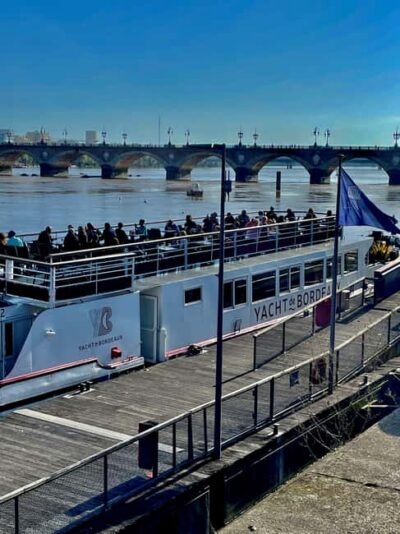
River Garonne Cruise with Glass of Wine and Canelé
Read our review →
Montmartre Hill French Gourmet Food and Wine Tasting Walking Tour
Read our review →
Montmartre Cheese, Wine & Pastry Guided Walking Tour
Read our review →
Loire Valley Castles Day Trip With Wine Tasting
Read our review →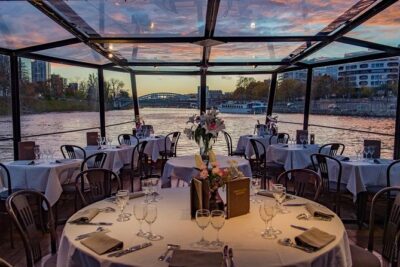
Paris 3-Courses Gourmet Dinner Seine River Cruise with Champagne
Read our review →This tour also appears in