
Reviewed · WALKING TOURS
Saint-Émilion: Vineyard Walking Tour and Tasting
Wine country makes sense here. At Château Haute-Nauve in Saint-Émilion, you get a tight, well-paced 2-hour walk from vineyard work to wine tanks to barrels, ending with a guided tasting of four wines. It is family-run, led by a member of the estate team, usually Marie-Anne or Florent, so the stories feel grounded in daily work.
What I like most is the mix of hands-on vineyard details and real production tech you can actually see. The tasting is also a strong value: you sample four wines from the premises, including two Grand Cru labels, without being rushed. Finally, you get a chance to browse and buy bottles if something clicks for you.
One possible drawback is that this is a short tour, so if you want a long, slow cellar crawl or a food-focused experience, you may find two hours a bit tight. Wear comfortable shoes, because you will be walking outdoors.
In This Review
- Key points worth knowing before you go
- Château Haute-Nauve in Saint-Émilion: what makes this tour feel personal
- Meet Marie-Anne or Florent and start with the vineyard plots
- Wind turbine, frost worries, and sustainability choices in the vines
- Inside the vinification cellar: fermentation, pumping, and pressing
- Barrel cellar aging and the estate tech you can see up close
- Tasting four Saint-Émilion wines, including Grand Cru bottles
- Price, timing, and how to reach Château Haute-Nauve from the village
- Who this tour suits (and who may want something longer)
- Should you book Château Haute-Nauve vineyard walk and tasting?
- FAQ
- How long is the Saint-Émilion vineyard walking tour and tasting?
- How much does it cost per person?
- Where do I meet the guide?
- Is the group small?
- What languages are offered?
- What is included in the ticket price?
- Is food included?
- Is transport included?
- Is the tour wheelchair accessible?
Key points worth knowing before you go
- Family-run hospitality with the owner and a small group, so questions land fast
- Vineyard walk with seasonal work ideas, plus sustainability and diversification in plain language
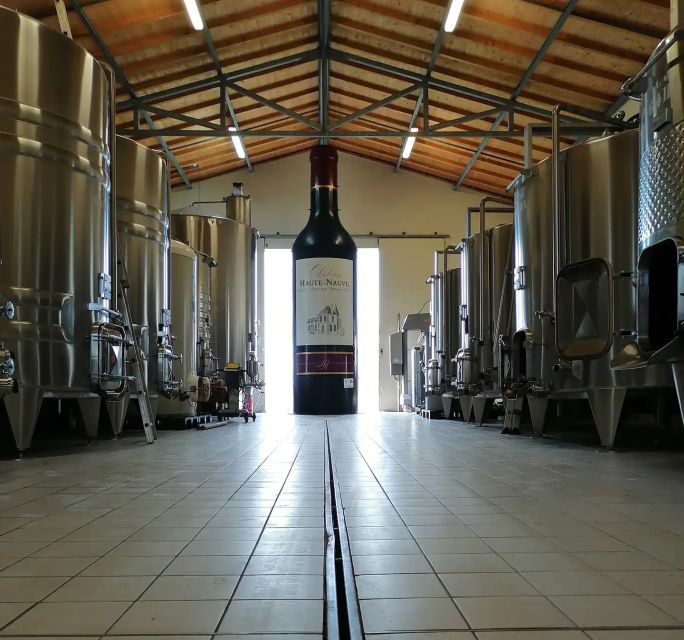
- Vinification cellar access, where you see fermentation, pumping, and pressing as part of the process
- Barrel cellar aging walkthrough, with the practical side of how wine matures
- Tasting four Château Haute-Nauve wines, including two Grand Cru choices
- On-site bottle collection browsing, with no pressure to buy beyond your own choice
Château Haute-Nauve in Saint-Émilion: what makes this tour feel personal
This is the kind of Saint-Émilion visit that helps you connect labels to real decisions. You start outside in the vines, then move into the production spaces where fermentation and aging happen, and you finish with a guided tasting that ties the day together.
What makes it click is the family connection. You tour with a member of the household team, Marie-Anne or Florent, so explanations tend to sound like work stories, not textbook recitations. And because it is capped at a small group of 10 participants, the pace stays human.
There is also a practical element to the visit. You are not just hearing what wine is supposed to taste like, you are learning what vineyard and cellar choices influence those aromas and flavors. That makes the four-wine tasting feel like a lesson you can actually remember after you leave.
Meet Marie-Anne or Florent and start with the vineyard plots
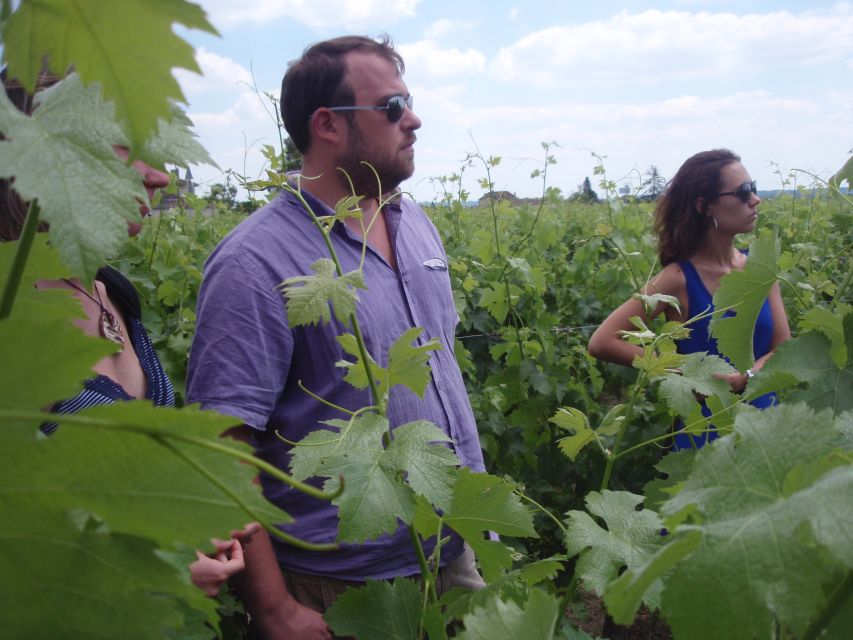
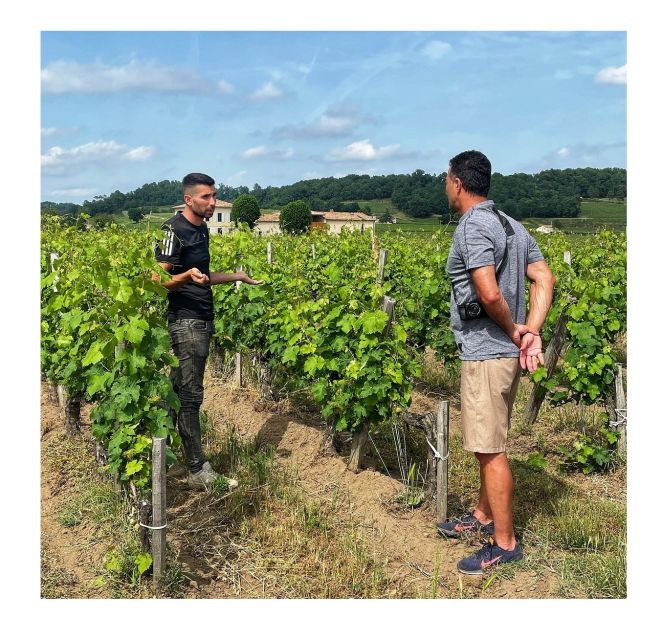
You meet inside Château Haute-Nauve, and the first stretch is a vineyard walk. Expect a stop-by-stop tour that starts with family history on the estate and quickly moves into what the Saint-Émilion appellation is about, including key grape varieties and why the region grows what it grows.
A big part of the early experience is seeing different plots. You will talk through how the work changes through the year, so you are not stuck imagining what happens between visits. Even if you only travel once, this structure helps you understand how the vineyard never really “rests” during the season.
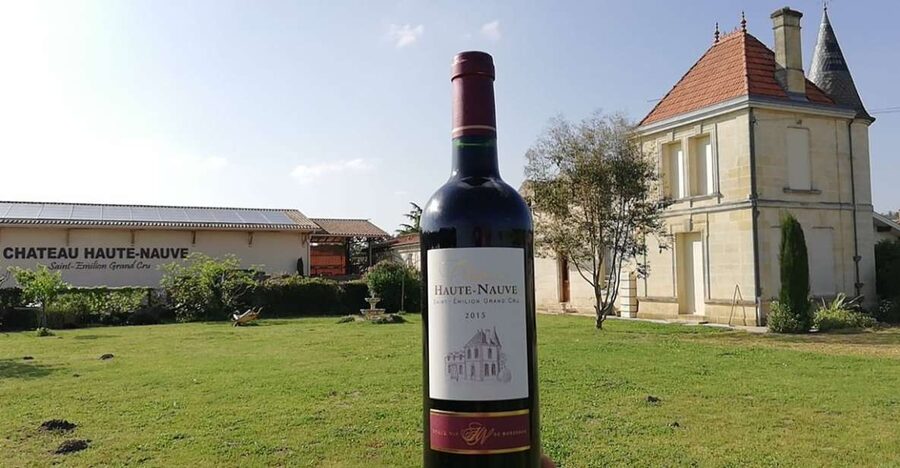
Two specific details I love here are the estate quirks you spot along the way and the way those quirks connect to modern farming. For example, you may notice a wind turbine out in the vineyard area. You may also see a bottle that is roughly 6 meters tall, which helps explain how the estate thinks about frost and temperature challenges.
More Walking Tours in Bordeaux
- Bordeaux: Guided Walking Tour
★ 4.4 · 1,038 reviews - Bordeaux: City Highlights Guided Walking Tour
★ 4.7 · 316 reviews - Private – Best of Bordeaux Walking Tour + Glass of Bordeaux Wine
★ 5.0 · 240 reviews
Wind turbine, frost worries, and sustainability choices in the vines
Saint-Émilion farming is not just romantic rows of vines. You hear about the real obstacles, including crop frost, and how the estate plans around risk.
The tour also frames sustainability in a way that feels relevant, not vague. You learn that the château prioritizes sustainability and crop planning, including diversification and even developing new wine varieties. That matters because Saint-Émilion growers are dealing with changing weather patterns, and diversification is one way wineries reduce the chance of one problem wrecking an entire season.
If you enjoy photo-worthy vineyard moments, you will get them. But more importantly, you get context for what you are photographing. When you see tools or unusual estate features, you hear what problem they solve, whether it is temperature control, resilience planning, or production efficiency.
And yes, the walk is timed for a two-hour visit. You still get a real sense of place, without the tour turning into a long hike. Just plan on spending real time outside, so bring weather-appropriate clothing and comfortable shoes.
Inside the vinification cellar: fermentation, pumping, and pressing
After the vineyard section, you head to the vinification cellar. This is where the tour shifts from growing grapes to turning them into wine, and you get to see the stages in order.
You learn about fermentation first. Then the tour moves into pumping and pressing, which are the kind of steps that most visitors only hear about in passing. The value here is that the explanations are tied to what happens with the juice and the resulting wine texture.
This part is especially useful if you are the type of person who likes to understand why a wine tastes smooth or structured. Fermentation choices and how juice is handled can show up in mouthfeel and aromatics, and the tour gives you enough context to connect process to taste during the final tasting.
One practical note: cellars can feel cooler than outside. Wear layers or at least expect a temperature change when you go indoors.
Barrel cellar aging and the estate tech you can see up close
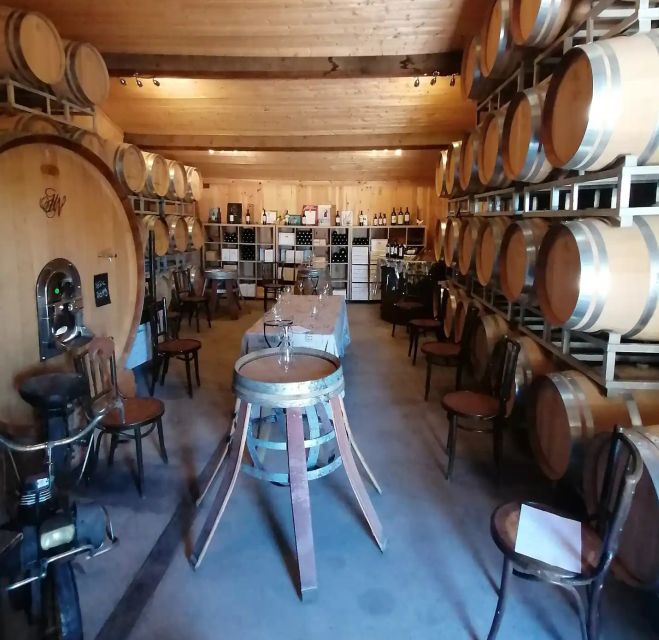
The tour ends in the barrel cellar. This is where aging comes to life, and you see the methods used for maturation.
Even without getting technical beyond what most visitors can handle, you will pick up the idea that aging is a deliberate phase. The barrel cellar visit helps you understand why some wines taste more integrated and why others show different levels of spice or wood influence.
This is also where the estate’s focus on technology and modernization comes in. The tour includes a look at the real equipment involved in fermentation, pumping, and aging, so you are not just smelling and tasting, you are watching the process machinery implied by the finished bottle.
If you are shopping for a wine you will actually remember, the barrel section does a lot of that work. It gives you the vocabulary to describe what you like during tasting, instead of relying only on vague impressions.
More of France by the course:
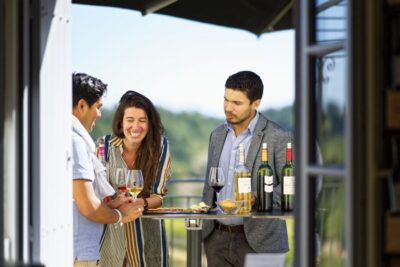
Tasting four Saint-Émilion wines, including Grand Cru bottles
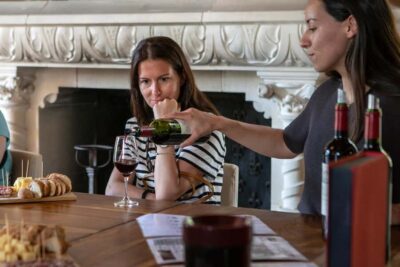
The highlight for many people is the guided tasting at the end. You sample four wines produced at the château, with a focus on subtleties within the Saint-Émilion appellation.
A standout detail is that the tasting includes two Grand Cru wines. That is a big deal for a compact, $29-per-person experience, because Grand Cru labels usually mean you would otherwise spend more time and money lining up tastings at larger, more commercial stops.
What makes this tasting work is the pairing of explanation with sampling. You do not just get handed a glass and sent on your way. The guide walks you through what to notice, and the earlier vineyard and cellar stops make those cues easier to catch.
You also get a chance to browse the estate’s collection. Purchases are optional, and the tasting feels like the natural moment to decide if you want to bring bottles home. If you are using the tour as your souvenir plan, this is a straightforward path: try first, then buy what you actually like.
Price, timing, and how to reach Château Haute-Nauve from the village
At $29 per person for about 2 hours, this tour sits in the “seriously good value” category for Saint-Émilion. You get the full arc: vineyard walk, cellar walkthrough, and a guided tasting of four wines, including Grand Cru options.
For budgeting, the biggest thing to note is that food is not included. If you want a meal that day, plan to eat either before or after the tour. Also, transport is not included, so you are responsible for getting to the château.
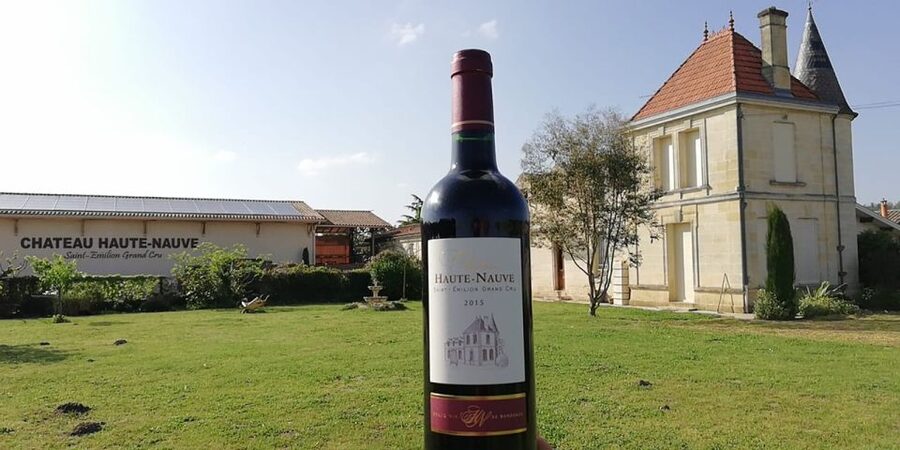
Getting there is easiest by car. You meet inside Château Haute-Nauve, and there is a car park near a large building with solar panels, under the Château’s purple sign. The site is about 3 km from the village of Saint-Émilion, so it is close, but not close enough to treat like a walk unless you are comfortable with that kind of trek.
Timing is built for convenience. Since it is a 2-hour experience, it can fit into a packed wine weekend. You can also pair it with Saint-Émilion village sightseeing without needing your whole day tied up.
Who this tour suits (and who may want something longer)
This tour is a great fit if you want a family-run experience that stays focused. It works well for couples, small friend groups, and anyone who likes clear, step-by-step explanations from people who do the work.
It also suits wine beginners who feel intimidated by big estates. The walk starts simple, then adds process details in manageable chunks, and the tasting gives you a chance to connect learning to flavor.
If you are a hardcore wine nerd, you may still enjoy it, especially because you see practical steps like fermentation, pumping, pressing, and barrel aging. But if you want long technical discussions or a larger tasting flight with food pairing, you might prefer a longer or more elaborate format elsewhere.
A small-group cap also means this is a good option when you dislike crowded tastings. You will get a more personal tempo, and you can ask questions without shouting.
Finally, if you are the kind of traveler who likes to collect practical memories, this tour delivers. You leave with a better sense of why Saint-Émilion wines taste the way they do, not just which labels you liked.
Should you book Château Haute-Nauve vineyard walk and tasting?
Book it if you want real access to a working family estate in a short amount of time, and if tasting four wines including two Grand Cru labels for $29 sounds like a smart use of your budget. This is also a top choice if you prefer a small group and you enjoy questions, because you are touring with someone tied directly to the vineyard and cellar work.
Skip it only if you need food included, want a full day itinerary, or dislike walking in outdoor weather. Otherwise, I think this is one of those Saint-Émilion experiences that gives you more understanding per minute than most.
FAQ
How long is the Saint-Émilion vineyard walking tour and tasting?
The tour lasts 2 hours.
How much does it cost per person?
It costs $29 per person.
Where do I meet the guide?
Meet inside Château Haute-Nauve.
Is the group small?
Yes. The tour is limited to 10 participants.
What languages are offered?
The live guide offers French and English.
What is included in the ticket price?
You get a guided vineyard walk with the owner, a full visit of the family vineyard and cellar areas, and a guided tasting of 4 wines from the winery.
Is food included?
No, food is not included.
Is transport included?
No. Transport is not included, and the information recommends arriving by car.
Is the tour wheelchair accessible?
Yes, it is wheelchair accessible.
Boulevard Pace
- Professional – Bordeaux Wine and Cheese Tasting with a walking tour
★ 5.0 · 218 reviews - 2-Hour Walking Tour of the City’s Iconic Sights and History
★ 4.0 · 207 reviews - Bordeaux: Private Walking Tour with a Local
★ 4.3 · 117 reviews - Bordeaux Walking Tour with a Local Private Guide
★ 5.0 · 97 reviews
Latest Bordeaux entries, notes attached



Walking Tours, compared.
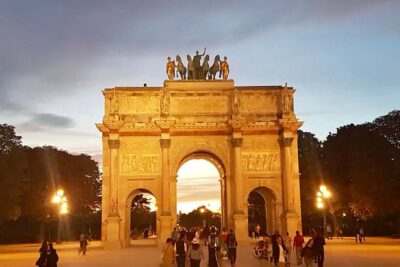
Paris Top Sights Half Day Walking Tour with a Fun Guide
Read our review →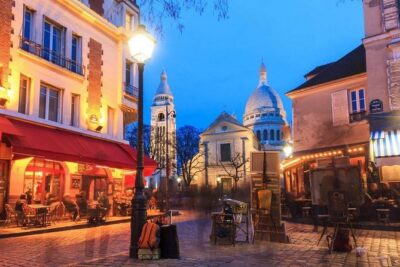
Montmartre Hidden Gems and Scenic Highlights Walking Tour
Read our review →
Montmartre Hill French Gourmet Food and Wine Tasting Walking Tour
Read our review →
Montmartre Highlights Walking Tour with a Local Guide
Read our review →
Paris Île de la Cité and Notre-Dame Walking Tour With Crypt
Read our review →
Montmartre Cheese, Wine & Pastry Guided Walking Tour
Read our review →
Paris in a Day: Louvre or Orsay, Eiffel Tower, City Walk & Cruise
Read our review →
Paris City Center Free Walking Tour (Tip-Based)
Read our review →This tour also appears in