
Reviewed · ORSAY TICKETS
The Musée d’Orsay in Focus: Impressionists & Beyond (Max 6)
A two-hour Orsay sprint, made smart. You get skip-the-line entry and an expert-led route through 19th-century Paris art, then you finish by wandering the museum at your own pace. I like that the focus is not only the famous painters, but also the stories and relationships behind how this movement broke rules.
My favorite part is the small size, max 6 travelers, which keeps questions flowing and makes it easier to pause. The only real tradeoff is timing: about two hours can be great for a first hit, but you will likely want a longer, self-guided return if you want to see every corner.
In This Review
- Key things to know before you go
- Why Musée d’Orsay fits an Impressionists-focused trip
- Small-group tour, max 6 people, practical pacing
- What the 2-hour guided walk covers inside Orsay
- Start with a guided path through the core movements
- Expect technique plus backstory, not just facts
- You get guided insight first, then your turn
- Using the guide time well: how to get answers fast
- After the tour ends inside Orsay: how to explore without wasting time
- Focus your self-paced time with a simple plan
- Price and value: is $190.52 worth it?
- Logistics that actually affect your experience
- Who this tour suits best
- Tips to make your two hours count
- Take notes lightly, but use your eyes more
- Ask your guide for one painting to re-see later
- Wear comfortable shoes and expect indoor walking
- If you need a break, request it early
- Should you book this Musée d’Orsay tour?
- FAQ
- How long is the Musée d’Orsay in Focus tour?
- Is admission included in the price?
- Is the tour offered in English?
- What is the group size?
- Where does the tour start?
- Does the tour end inside the museum?
- Is skip-the-line entry included?
- Can I cancel for a full refund?
- Are service animals allowed?
Key things to know before you go
- Small group, big attention: Max 6 people means your English guide can tailor the pace.
- Skip the lines: You start with fast entry, then spend the time you paid for looking at art.
- Impressionists and beyond: You cover Monet, Renoir, Degas, and even up through post-impressionist work like Van Gogh.
- Stories that connect art and history: Expect the guide to connect paintings to the wider 1848 to 1914 era.
- You end inside the museum: After the guided portion, you can keep exploring right away.
- Licensed, English-speaking guide: It is a guided art experience, not just a ticket with directions.
Why Musée d’Orsay fits an Impressionists-focused trip
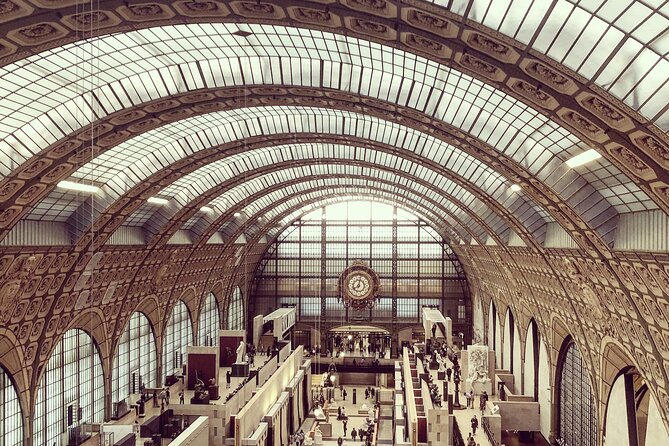
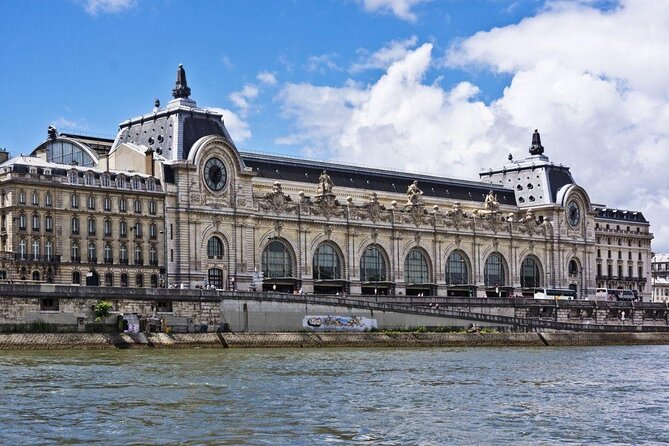
Musée d’Orsay is one of those Paris stops where the building, the collection, and the time period all support each other. The museum centers on art made between 1848 and 1914, which matters because this was not a calm chapter in world history. It was a period of fast change, from new technology to new ways of seeing.
I like that this tour leans into that context. You will hear how big inventions and daily-life shifts helped shape what artists chose to paint and how they painted it. The museum itself supports that idea, because Orsay is built around 19th-century life in a way that feels logical, not random.
There is another practical benefit too. Impressionism can feel like a jumble of names and styles if you show up cold. With a guide framing the era, you get the why behind the brushwork and the who behind the collaborations, rivalries, and rebellions.
Small-group tour, max 6 people, practical pacing
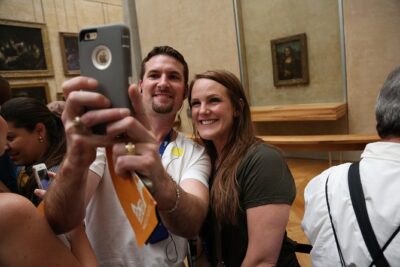
This is not a loud, crowded herd situation. The group limit is 6, and that changes everything about how you experience a museum.
With a smaller group:
- You can ask basic questions without feeling rushed.
- The guide can slow down when someone wants to look longer at a painting.
- You can get your bearings faster, instead of spending the first half hour trying to figure out where to go.
It is also listed as English offered, with an expert English-speaking licensed tour guide. That is a big deal at Orsay, because the museum can be intimidating on your own. In a short visit, your odds of seeing only the obvious highlights go up a lot without guidance.
Two guide names stood out in feedback: Adam and Lilijana. The descriptions line up with what you want in this type of tour, clear explanations, smooth pacing, and the ability to keep people engaged. Adam was also noted for stepping in when needed at short notice, which is reassuring if plans ever shift day-of. Lilijana was praised for helping people navigate galleries efficiently while keeping the historical and biographical facts understandable and interesting.
More afternoons under the Orsay clock:
- Paris: Orsay Museum Entry Ticket
★ 4.7 · 25,647 reviews - Paris: Orsay Museum Entry Ticket and Digital Audio Guide App
★ 4.4 · 3,170 reviews - Paris in a Day: Louvre or Orsay, Eiffel Tower, City Walk & Cruise
★ 5.0 · 1,956 reviews
What the 2-hour guided walk covers inside Orsay
This tour centers on one main stop: Musée d’Orsay, with a total duration of about 2 hours. The goal is focused viewing, not trying to see everything.
Here is what you can expect your guide to do with that time:
Start with a guided path through the core movements
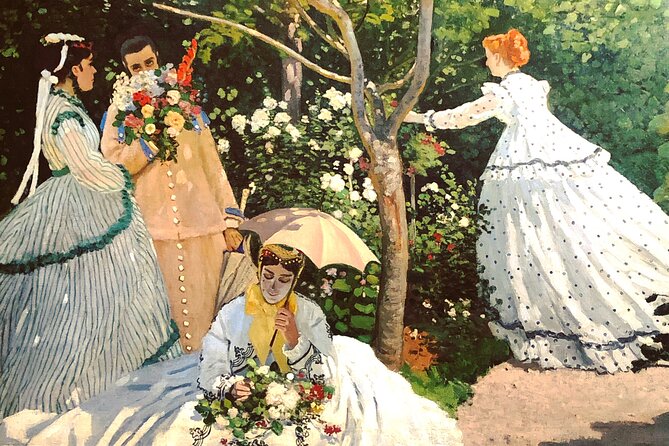
You will move through the museum with a guide who connects paintings to their place in the 19th-century story. The guide is set up to cover major impressionists like:
- Claude Monet
- Pierre-Auguste Renoir
- Edgar Degas
Then you should also expect a bridge toward post-impressionist work, including Vincent Van Gogh. That arc matters because impressionists and post-impressionists did not just share a time period. They argued with each other through style.
Expect technique plus backstory, not just facts
The emphasis is not only on what the artists did with color or brushwork. It is also about the relationships among artists in that era. That is how impressionism stops being a style label and becomes a real moment in art history.
You should also hear the broader links between art and the world outside the museum. The tour description points to changes like tubes of paint, trains, and electricity. Even if you already know those were inventions, hearing how they connect to the way artists worked helps you notice details you might otherwise skip.
More French collections worth the coat check:

You get guided insight first, then your turn
The structure is guided viewing plus self-paced time. The highlight list is honest about this: you enjoy the expert insight, then you explore post-impressionist works on your own after.
That is smart. A guide helps you see what matters. Your own pace lets you linger where you personally react most.
Using the guide time well: how to get answers fast
Two hours is enough to change how you see a museum, but only if you use it actively. Here is how I suggest you handle the guided part.
First, have one or two questions ready that you actually care about. For example:
- Why did these artists paint this way instead of the more traditional style?
- What makes a Monet or Renoir painting feel like it belongs to the same world, but not the same idea?
- How does Van Gogh shift the conversation?
Second, ask your guide to point out what to look for in each painting you stop at. You are paying for that direction. If you just stand and stare without learning how to read a canvas, you lose value.
Third, if you need flexibility, you can request it. One review specifically praised a guide for accommodating occasional seating needs for visitors in their seventies. That is exactly the kind of practical service that makes a short tour feel comfortable rather than stressful.
After the tour ends inside Orsay: how to explore without wasting time
A key practical detail: the tour starts at the Orsay Esplanade and ends inside the museum. So you do not have to exit, regroup, and start over. When the guided portion finishes, you can keep walking and keep choosing.
This is where you make the tour truly yours. I like this approach because it prevents a common problem with museum tours. If you try to see everything with one schedule, you end up skimming. Here, the guide sets your art sense up front, then you pick your follow-ups.
Focus your self-paced time with a simple plan
If Impressionists and beyond is your theme, you can use a short checklist:
- Go back to any painting where you felt something right away.
- Spend extra minutes on a post-impressionist work you did not fully understand during the guided stops.
- Look for the connections the guide mentioned, like how similar subjects get painted differently across artists and movements.
Also, leave space in your route for surprise. Even with a plan, Orsay can produce a few off-the-track favorites. The tour description hints at unexpected treasures, and it is believable here because Orsay is packed.
Price and value: is $190.52 worth it?
At $190.52 per person for about two hours, this is not a budget activity. But the value comes from what is included and how much time you save.
You are getting:
- An expert English-speaking licensed guide
- All entry tickets
- A format that includes skip-the-line entry
For Orsay, skip-the-line matters more than it sounds. Museums at peak times can eat into the first part of your visit. If you arrive and waste time waiting, you are effectively paying for nothing. With this tour, your paid time starts with access, not queue management.
Then there is the group size. With max 6 people, you are paying for concentrated attention. Big-group tours can be cheaper, but you often end up hearing names and dates without enough time to really look. This setup is built for better viewing per minute.
One more value point: it is booked about 110 days in advance on average. That usually signals strong demand. If dates are limited, booking early helps you lock in the guide and slot you want.
Logistics that actually affect your experience
The meeting point is:
- Musée d’Orsay Esplanade Valéry Giscard d’Estaing, 75007 Paris, France
The tour also ends at the museum, so you stay in the same place for your self-paced time afterward. That reduces stress, especially if you want to keep going right after the tour ends.
You should also plan for comfort. The activity notes a moderate physical fitness level. That is a polite way of saying you should be ready for walking and museum movement. If you can handle a typical museum circuit, you should be fine.
And yes, service animals are allowed, which is important for many visitors.
Who this tour suits best
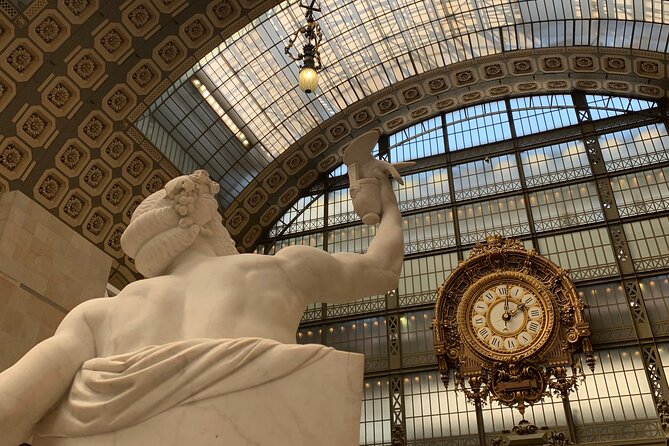
This is a good match if you want:
- A first-time Orsay visit where you still want clarity
- A focused theme on Impressionists and beyond
- An English guide who explains both art and the era around it
- A format that lets you learn first, then explore on your own
It is also a solid choice for older visitors who prefer a calmer group experience. The small size and the mentioned willingness to accommodate seating needs makes it feel more visitor-friendly than a strict, fast-moving tour.
Where it may not be ideal: if you plan to do Orsay as a deep, full, everything-you-can-see marathon. Two hours is a strong tasting menu, not the whole meal.
Tips to make your two hours count
Here are practical moves that will help you squeeze more meaning out of every stop.
Take notes lightly, but use your eyes more
You do not need to write a novel. Jot down one artist name per stop that grabs you. Then when you explore after, you can find your way back to those works quickly.
Ask your guide for one painting to re-see later
Your self-paced time is where you go back. Ask for one work or one artist to revisit, so you do not wander aimlessly.
Wear comfortable shoes and expect indoor walking
Orsay is a museum, not a single room. Comfortable footwear is the simplest upgrade you can make. The tour includes a moderate fitness note, so plan like you will walk.
If you need a break, request it early
A guide who can shift pace or offer occasional seating makes the experience better for everyone. If you want that, ask at the start rather than waiting until you are already tired.
Should you book this Musée d’Orsay tour?
If your priority is Impressionists with clear storytelling and a short, efficient plan, I think this is a strong booking. The combo of skip-the-line entry, an English licensed guide, and a small max 6 group is exactly what turns a popular museum into a calmer, more meaningful experience.
Book it if:
- You want to see the core players like Monet, Renoir, Degas, and also Van Gogh
- You like guided art context, then prefer to linger on your own afterward
- You want value from included admission and time saved on lines
Skip it or consider a longer option if:
- You want to spend most of your day in Orsay and see everything in one pass
- You prefer completely independent museum exploration with no guided route
If you are fitting Orsay into a Paris schedule where time is tight, this format is one of the smartest ways to make the museum work for you.
FAQ
How long is the Musée d’Orsay in Focus tour?
The tour is about 2 hours.
Is admission included in the price?
Yes. All entry tickets are included.
Is the tour offered in English?
Yes. The tour is offered in English.
What is the group size?
The maximum group size is 6 travelers.
Where does the tour start?
It starts at Musée d’Orsay Esplanade Valéry Giscard d’Estaing, 75007 Paris, France.
Does the tour end inside the museum?
Yes. The tours end inside the Orsay Museum.
Is skip-the-line entry included?
Yes. The tour description highlights skipping the lines.
Can I cancel for a full refund?
Yes, you can cancel up to 24 hours in advance for a full refund.
Are service animals allowed?
Yes, service animals are allowed.
Latest Paris entries, notes attached






Orsay Tickets, compared.
Orsay Museum Entry Ticket and Digital Audio Guide App
Read our review →
Paris in a Day: Louvre or Orsay, Eiffel Tower, City Walk & Cruise
Read our review →
Musée d’Orsay Entry Ticket and Seine River Cruise
Read our review →
Musée d’Orsay Skip-the-Line Tour with Expert Guide
Read our review →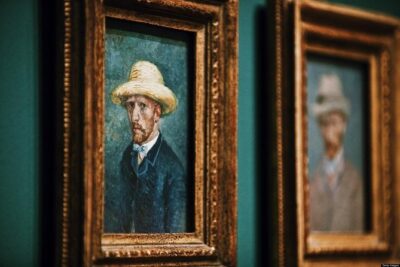
The Musée d’Orsay Guided Tour Orsay Museum Semi-Private 6ppl Max
Read our review →
Louvre & Musée d’Orsay Guided Museum Tour Semi-Private 6ppl Max
Read our review →
This tour also appears in