
Reviewed · CHAMPAGNE TASTINGS & CELLAR TOURS
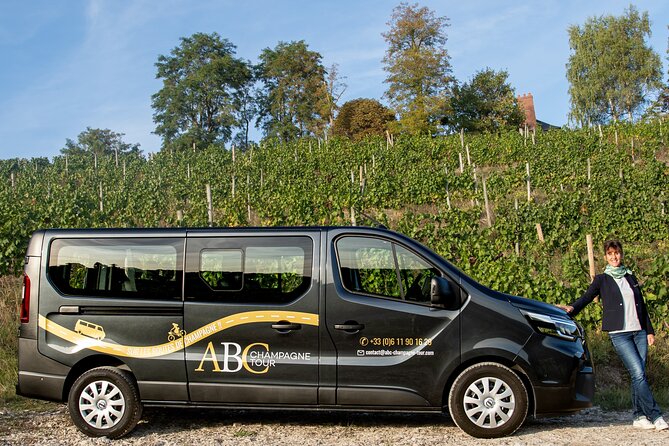
Day trip by van in Champagne small group of 8
Champagne days can get formulaic fast. This one feels personal, thanks to a small van group of 8 and a packed-but-not-rushed route across Reims and Epernay. You start with the region’s spiritual roots at Abbaye Saint-Pierre d’Hautvillers, then you move into tasting mode with cellar visits and guided time in the best-known streets of Champagne country.
I especially like the mix of experiences: a stop tied to Dom Pérignon at Hautvillers, then hands-on time with both big Champagne houses vibes and a family independent winegrower. And lunch is not an afterthought. Chez Max includes a meal plus a flute of Champagne, a glass of red wine, and coffee, with options for vegetarian, vegan, and gluten-free diets.
One consideration: you are on the clock. At about 8 hours 30 minutes, it’s a full day with multiple transitions. If you hate long drives between stops or you want a slower pace with lots of free time, this may feel busy.
In This Review
- Key highlights worth circling
- Small-Group Champagne Day: 8 people, 1 van, and a clear plan
- Hautvillers and Abbaye Saint-Pierre: where Dom Pérignon fits into the vine story
- Lunch at Chez Max: the part that actually feels like a vacation
- Epernay Walk: Avenue de Champagne and the Great Houses context
- Independent winegrower stop: tasting lessons you can use later
- Reims city tour: history in the streets, not just in cellars
- Second Avenue de Champagne experience: the cellar audio train
- Price and value: what $329.52 buys you in real time
- Who should book this Champagne day trip
- Should you book ABC Champagne Tour from Reims?
- FAQ
- How long is the Champagne tour day?
- How many people are in the group?
- What does the price include?
- Are tastings part of the tour?
- Is the tour offered in English?
- Where does the tour end and what time does it return?
- Can I cancel and get a full refund?
Key highlights worth circling
- Small group of 8 keeps the day from turning into a stampede
- Abbaye Saint-Pierre d’Hautvillers connects Champagne to Dom Pérignon and vine work
- Chez Max lunch comes with Champagne, red wine, and coffee, plus dietary options
- Avenue de Champagne in Epernay gives you real context for the Great Houses
- Independent grower cellar visit with commented tasting and food pairing tips
- Reims city tour adds Gallo-Roman remains and the cathedral story
Small-Group Champagne Day: 8 people, 1 van, and a clear plan
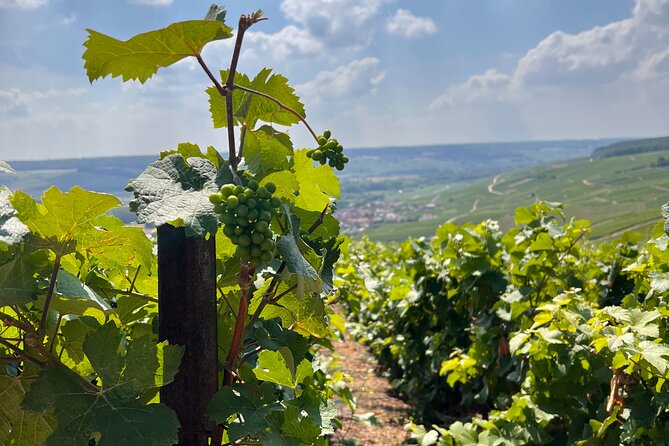
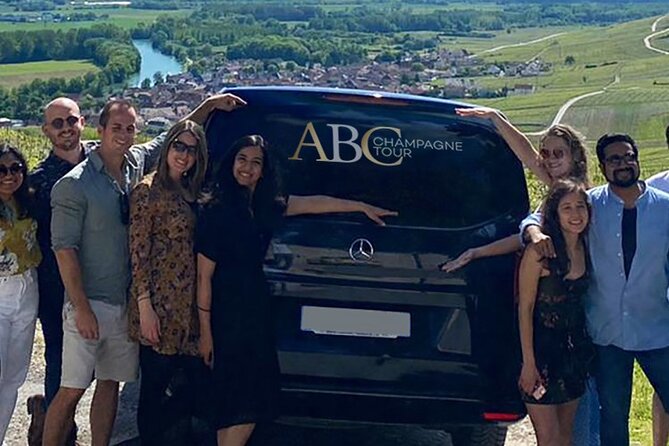
This tour is built for people who want a lot of Champagne knowledge without feeling like they’re watching a show from the outside. With a max group size of 8 travelers, you get a real conversation with your guide, enough time to ask questions, and more practical pacing between stops.
The van matters more than you think. Champagne country is spread out, and self-guided days can turn into “drive, park, sprint, repeat.” Here, transportation is handled, so you can spend that mental energy on what you’re seeing, tasting, and learning.
The schedule is full, but it is not chaotic. You get a planned lunch break, dedicated tasting time, and structured sightseeing in Reims. Still, be honest with yourself. This is a single-day hit. If you want long, lazy wandering and frequent photo stops without time pressure, plan a separate, slower day on your own.
Hautvillers and Abbaye Saint-Pierre: where Dom Pérignon fits into the vine story
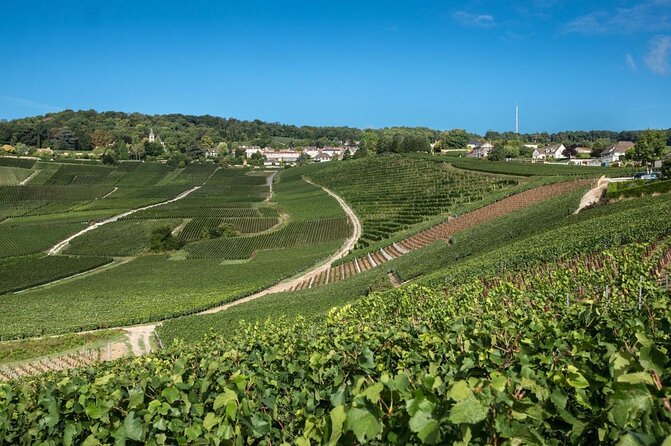
The day kicks off with a stop at Abbaye Saint-Pierre d’Hautvillers, perched on a hillside. The big reason to go is that this is not Champagne explained like a brochure. It is Champagne tied to place: the Montagne de Reims, the Marne Valley, and the Côte des Blancs views give you the geography that shapes the grapes.
What I like about this stop is the way it links Champagne quality to real vineyard choices. The abbey connects to Dom Pérignon, born in St Menehould in the Marne, and one of the monks credited with improving wine quality in the region. The key idea is simple and useful: better wine does not start in the glass. It starts with grapes, blending, and the hard decisions winegrowers make across vintages.
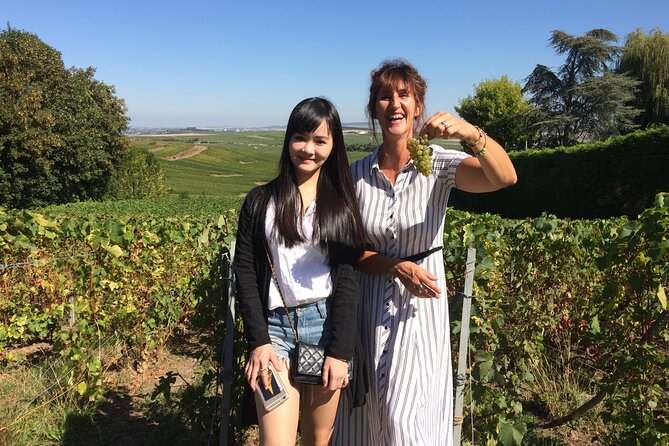
You also get a practical feel for the vine cycle. The abbey grounds include a garden area with a view over grand cru and premier cru vineyards. That matters because it turns pricing and labels into something visual. You can point at the slope and think, ok, this is why terroir is not just marketing.
Practical note: the abbey visit is about 1 hour, and it is on a hillside. Wear shoes that handle uneven ground, and plan to stand still for views.
More chalk cellars of Champagne:
- Reims: Guided Tour of Cathedral of Notre Dame de Reims
★ 4.5 · 857 reviews - Reims afternoon tour Champagne and family growers
★ 5.0 · 535 reviews - From Reims: Morning Champagne Tour and Tastings
★ 4.8 · 463 reviews
Lunch at Chez Max: the part that actually feels like a vacation
Lunch is at a traditional French cuisine restaurant, listed as Chez Max (or another option depending on availability). This is one of the best value moments in the day, because it includes more than a meal.
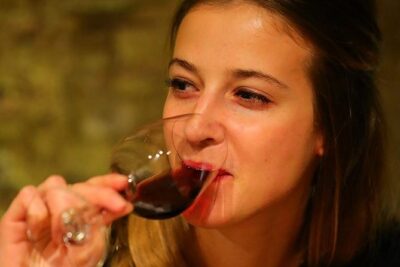
You’re served two menus and there are vegetarian, vegan, and gluten-free dishes available. Then comes the important part for Champagne people: lunch is accompanied by a flute of Champagne, a glass of red wine, and coffee.
That pairing format helps you understand Champagne in a more normal-life way. It is not just sip, spit, repeat. You experience Champagne alongside food like you would at home, and you see how it behaves when flavors get richer.
One caution: lunch plus tastings later means you should pace yourself. You can still enjoy everything, but go slow during the big tasting moments so you can fully appreciate the independent grower stop afterward.
Epernay Walk: Avenue de Champagne and the Great Houses context
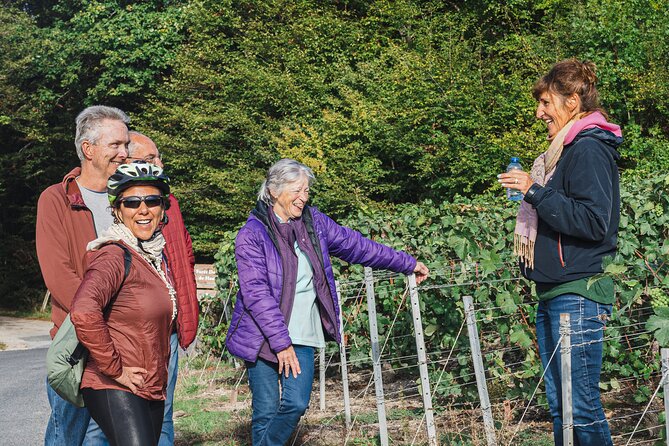
After lunch, the tour includes a short digestive walk if weather allows, then heads to Epernay’s Avenue de Champagne. This is where you see why Champagne became a status symbol: the Great Houses built cellars and grand buildings, and they competed in architecture to match the reputation of the wine.
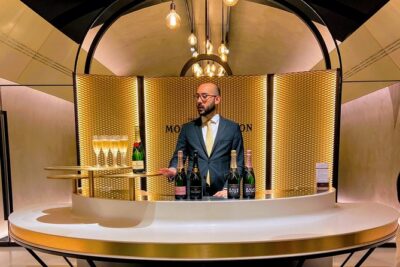
You’ll recognize names like Moët et Chandon, Perrier-Jouët, Pol Roger, and De Venoge. Even if you do not buy bottles from all of them, walking the avenue gives you instant context. Champagne is not only a taste. It is also a system of producers, branding, aging in cellars, and distribution.
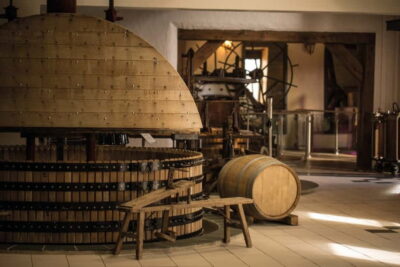
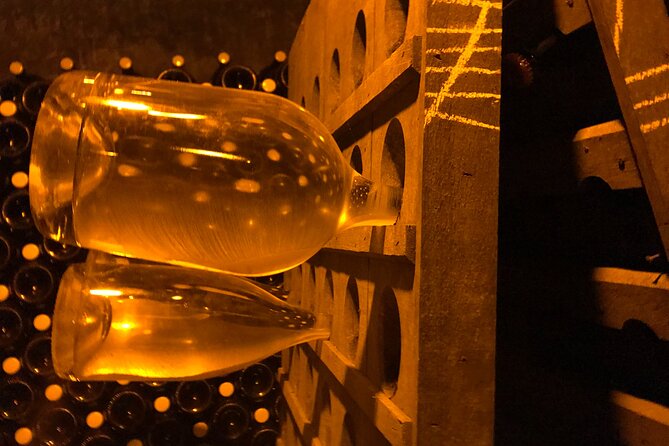
The tour makes a point about scale, including the famous number about 110 km of cellars and huge bottle quantities under the cobblestones. That scale lesson is useful because it explains why Champagne house cellars are a major part of the final flavor profile.
The visit is about 45 minutes, and admission is free at this stop. Don’t expect long guided mansion tours here. Use the time to look closely at entrances, arches, and any visible details on the properties. Your guide can connect the architecture to Champagne’s aging culture.
Independent winegrower stop: tasting lessons you can use later
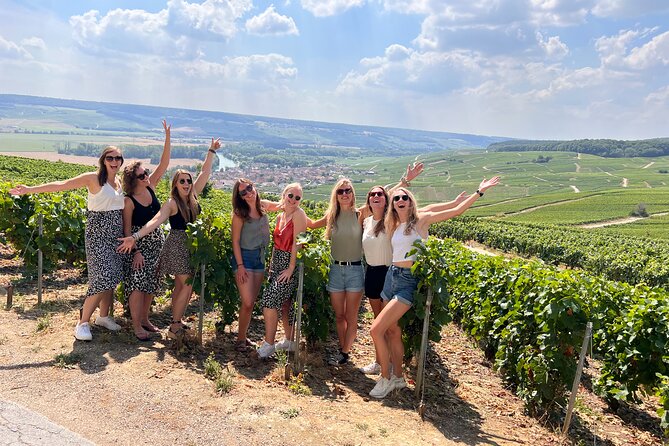
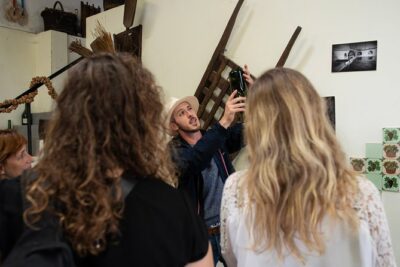
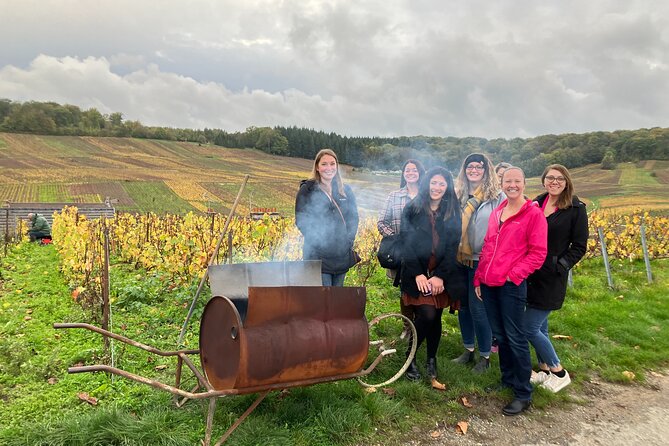
The afternoon shift is where the day turns from sightseeing into real craft. You visit an independent winegrower at Scev Champagne Blosseville Marniquet, with time in the cellars and a guided look at the winemaking secrets behind the wine.
This is a standout because it adds contrast. Large houses can feel like big machine production. Independent growers often come with stories you can actually connect to your senses: family history, long traditions, and hands-on vineyard choices.
The tour highlights something important about Champagne’s structure: growers own a large share of the area in the Champagne appellation. That means the wine you taste is shaped by decisions made by people who are deeply rooted in the land.
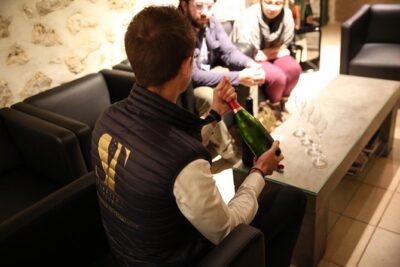
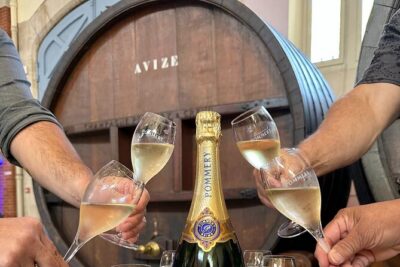
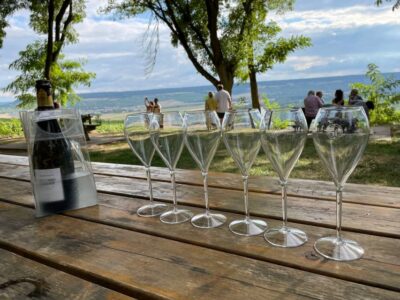
Your session ends with sparkling in your flutes for a commented tasting, plus tips on food and Champagne pairings. That combination is practical. After this, you should feel more confident choosing what to eat with what you like.
One thing to consider: tasting pace. With multiple Champagne moments in one day, you may not want to chase every sample as if you’re on a sprint. If you prefer slower tasting, tell your guide, and you can focus on the styles that match what you already enjoy.
More French appellations, visited:
Reims city tour: history in the streets, not just in cellars
Before returning toward Epernay, the itinerary includes a Reims city tour. This is a good move, because it keeps the day from becoming only vineyards and basements.
You pass through Gallo-Roman remains of the city, then Place Royale, and you get the Gothic cathedral connection. The cathedral matters here because it was the coronation site of the kings of France, tying Reims to power and tradition.
The stop is about 45 minutes. That is enough time to understand the street-level story, get a few key photo angles, and feel oriented for any extra time you might have later.
If your priority is only Champagne tasting, you might feel Reims is the “side dish.” But if you like context, it makes the region feel bigger than wine labels. Reims is part of why Champagne became famous beyond the vineyards.
Second Avenue de Champagne experience: the cellar audio train
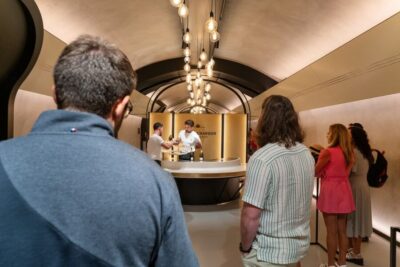
The day finishes with another Avenue de Champagne segment, but this time it’s centered on a cellar experience. You get an audio guided visit inside the caves, accessed by a little train.
Why this works: it turns the underground aging world into something you can follow. Even if you already learned the basics earlier, the audio guide format tends to make details stick, and the setting helps. You are literally in the world where Champagne sleeps for months or years.
This stop runs about 1 hour 30 minutes and includes admission. Plan to have your phone charged and your attention ready. Audio tours feel quick when you’re focused, and long when you are distracted.
Also, watch your timing. With an audio cellar tour plus the drive back, you want to arrive on time for the return window. The tour notes pick-up and end points around 5:30 to 6:00 p.m. depending on where you are dropped for the day’s end.
Price and value: what $329.52 buys you in real time
At $329.52 per person, this is not a cheap Champagne outing. The question is whether it saves you time and effort compared to building your own day.
Here’s what you get that supports the price:
- Private transportation for a small group of 8
- Lunch included, with Champagne, red wine, and coffee
- All cellar visits and tastings included
- Multiple guided experiences across Reims and Epernay, not only one winery
If you try to DIY this route, you’ll likely pay for taxis or a rental, then you still have to coordinate appointments at different producers, plus handle meals and transportation between neighborhoods. Even with careful planning, the day can become stressful and less enjoyable.
This tour also reduces decision fatigue. You do not need to guess which producers will have space on your dates. The itinerary is designed to cover major Champagne themes in one long day: the historical roots, the iconic avenue, large house ambiance, independent grower craft, and Reims context.
That said, only you know if a full day is worth it. If you’d rather spread the region across two days, you might find more breathing room. If you want one guided day that packs in real Champagne learning, this price can feel like a fair trade.
Who should book this Champagne day trip
This is a strong fit if you want:
- A small-group day with good conversation
- A guided overview of Champagne region history and winemaking structure
- A lunch that feels like a French meal, not a snack box
- A mix of famous Avenue de Champagne and a family-run independent producer visit
It may be less ideal if you:
- Want lots of downtime and free exploration time
- Get travel-sick with long drives and multiple stops
- Prefer only one cellar or one style of tasting, not several
The tour is offered in English, and it notes that most people can participate. Service animals are allowed, and it’s near public transportation, so you’re not locked into only one access method.
Should you book ABC Champagne Tour from Reims?
If you’re the type of person who likes structure, learns best with guidance, and wants to understand Champagne beyond just buying a bottle, I’d book this. The combination of Hautvillers for Dom Pérignon connections, a proper Champagne-accompanied lunch at Chez Max, and an independent winegrower tasting gives you both big-picture context and hands-on craft.
The top reasons to choose it are simple: small group size, included tastings and cellar visits, and a day plan that covers Reims plus Epernay without turning into a logistics puzzle. Just go in knowing it is a full day, and plan your energy like you would for a long museum day, not a short stroll.
If that sounds like your kind of trip, this is a very solid way to spend your day in Champagne.
FAQ
How long is the Champagne tour day?
It runs for about 8 hours 30 minutes.
How many people are in the group?
The tour has a maximum of 8 travelers.
What does the price include?
Lunch, private transportation, and all cellar visits and tastings are included.
Are tastings part of the tour?
Yes. The itinerary includes a commented tasting at the independent winegrower stop and additional cellar experiences with tastings.
Is the tour offered in English?
Yes, it is offered in English.
Where does the tour end and what time does it return?
It ends back at the meeting point. The return time is listed around 5:30 to 6:00 p.m., with options tied to Reims Central Train Station or the Epernay meeting area.
Can I cancel and get a full refund?
Yes, free cancellation is available up to 24 hours in advance of the experience start time for a full refund.
Latest Reims entries, notes attached

Champagne Tastings & Cellar Tours, compared.
Day Trip to Champagne with 8 Tastings & Lunch
Read our review →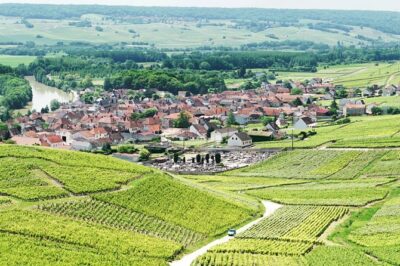
Champagne Day Trip with 6 Tastings, Reims and Winery from Paris
Read our review →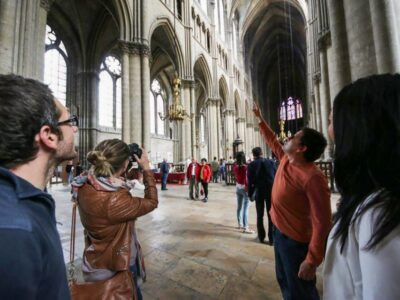
Guided Tour of Cathedral of Notre Dame de Reims
Read our review →
Champagne Day Trip from Paris with 8 Tastings & Lunch
Read our review →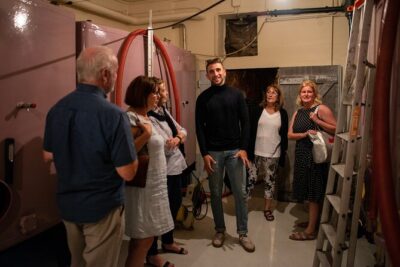
Reims afternoon tour Champagne and family growers
Read our review →This tour also appears in