
Reviewed · THINGS TO DO IN NORMANDY
DDay American Beaches and US Airborne Full Day Tour from Bayeux
You cover the American D-Day story in one long, well-paced day, with time to look, ask questions, and pay your respects. The small-group setup (up to 7 people) is a big deal here, because the guide can slow down for what you care about and answer follow-ups as you move between sites.
I especially like the way the tour uses maps and photos to make sense of what you’re seeing. Omaha and Pointe du Hoc can feel chaotic at first glance, but this format helps you read the terrain instead of just staring at it. One possible drawback: it’s a full 8.5-hour day and lunch isn’t included, so you’ll want to sort out what to eat before you go (or bring a simple plan).
In This Review
- Quick, practical takeaways
- First, a small-group day tour that starts in central Bayeux
- Omaha Beach, explained with maps so you can actually read the battlefield
- The American Cemetery at Colleville-sur-Mer, where the day changes tone
- Pointe du Hoc: Rangers on the cliffs and the gun battery threat
- Sainte-Mère-Eglise: the paratroopers’ first town capture, and a church tower story
- Utah Beach and Theodore Roosevelt Jr at 6:30 am
- Angoville-au-Plain and the church aid-station: ending with care, not only combat
- Transportation, comfort, and timing: why the van matters as much as the sites
- Price and value: what $169.31 buys you (and what it doesn’t)
- Guides: the difference between hearing facts and understanding a place
- Who should book this American beaches and US Airborne tour?
- Should you book this tour?
- FAQ
- How long is the D-Day American Beaches and US Airborne full day tour from Bayeux?
- Where do we meet for the tour?
- What time does the tour start?
- Is lunch included?
- Are admission tickets included for the stops?
- Is the tour offered in English?
- What group size should I expect?
- What happens if the weather is bad?
- Can I cancel for a refund?
Quick, practical takeaways
- Max 7 people, real question time: You’re not shouting over a busload of history buffs.
- Central Bayeux pickup, A/C minivan ride: It keeps the day from turning into a parking and driving puzzle.
- Omaha Beach plus both the cemetery and the key sites: You get the landing story, the aftermath, and the respect part.
- Rangers at Pointe du Hoc and paratroopers at Sainte-Mère-Eglise: Two different US paths into Normandy, explained on site.
- Utah Beach with Theodore Roosevelt Jr: You get names, timelines, and the why behind the beach breach.
- Angoville-au-Plain ends with a human scale: The aid-station scene gives the day an emotional, grounded finish.
First, a small-group day tour that starts in central Bayeux
This is a classic Normandy format: you meet in central Bayeux (Place du Québec), climb into a small A/C minivan, and let someone else handle the driving. The group limit of 7 travelers matters because it keeps the vibe focused. You’ll get more personal attention than on big bus tours, and you can ask direct questions without feeling like you’re interrupting.
The tour runs about 8 hours 30 minutes, starting at 9:00 am. It’s offered in English, with a certified guide leading the day. And yes, the day includes a mobile ticket, so you’re not stuck hunting paper confirmations.
If you’re trying to visit American D-Day sites without renting a car, this is one of the easiest ways to do it well. If you are already comfortable driving Normandy roads, you still might appreciate the guide’s timing and the way stops are sequenced to keep the day from feeling random.
Omaha Beach, explained with maps so you can actually read the battlefield
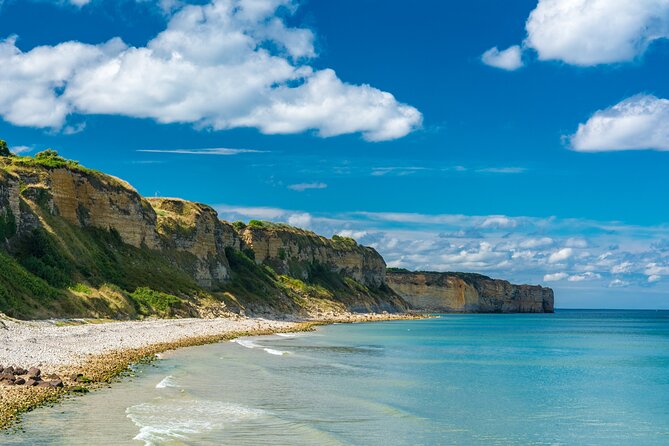
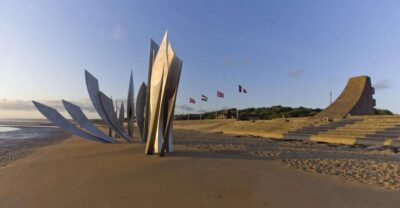
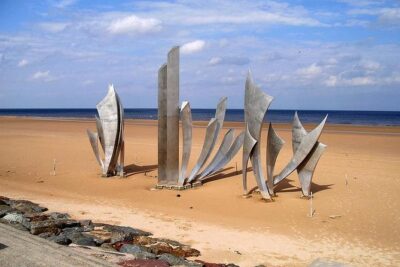
Omaha Beach is the emotional anchor. The morning starts with a drive from Bayeux to Omaha Beach, and the guide sets you up before you walk down to the view. You begin at the places tied to the 1st and 29th US infantry divisions landing, and the focus is on what “bloody Omaha” meant in practical terms.
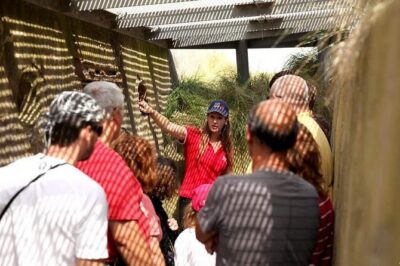
Here’s what makes this stop work: you’re not just hearing broad statements about D-Day. The guide uses maps and pictures to walk you through the German defenses and the experience of the first waves. Standing there, it becomes easier to imagine where units were trying to move, why progress was slow, and how quickly things could change from plan to crisis.
One smart detail: you’re given time to look around on your own after the guide’s explanation. That matters at Omaha, because the scale and the shoreline can be hard to process in one shot. If you’re the type who likes to pause, stare, and quietly do the math of distance and movement, this stop gives you room.
More Things to Do in Normandy
- Normandy American D-Day Beaches Full Day Tour from Bayeux
★ 5.0 · 2,103 reviews - Normandy American D-Day Experience – Group tour from Bayeux
★ 5.0 · 1,566 reviews - Normandy Beaches Half-Day Afternoon Trip from Bayeux (A2)
★ 4.5 · 1,116 reviews
The American Cemetery at Colleville-sur-Mer, where the day changes tone
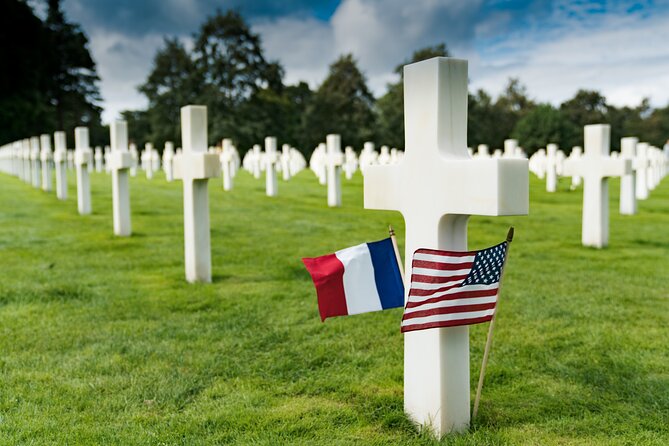
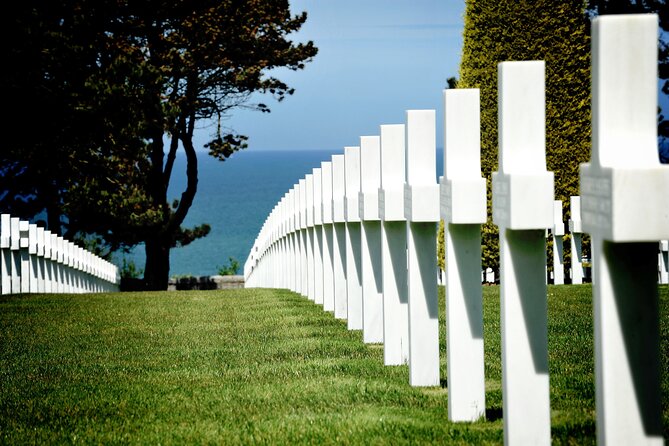
Right after Omaha, you head to the Cimetiere Americain de Colleville-sur-Mer, the American cemetery behind the beach. This is run by the American Battle Monuments Commission, and it’s described as the most visited D-Day site in Normandy.
This is the kind of stop that doesn’t need dramatizing. It hits because of the numbers and the quiet. You’ll see the resting place of more than 9,000 American servicemen and women, and the guide frames what you’re seeing in a respectful, grounded way.
I like including a cemetery stop in a tour like this, because it stops the day from becoming only tactical and historical. Omaha and Utah teach you what happened. The cemetery reminds you what it cost.
If you tend to get overwhelmed in memorial spaces, it can help to take one slow lap, then step aside and breathe. Don’t rush. You are not being graded on how “fast” you can get through it.
Pointe du Hoc: Rangers on the cliffs and the gun battery threat
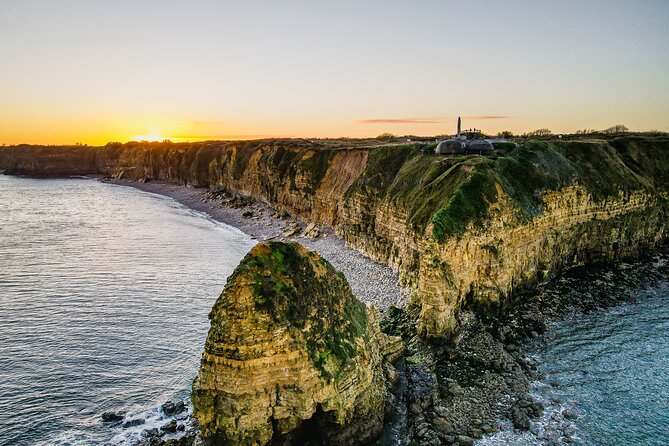
Pointe du Hoc is where Normandy stops feeling like beaches and starts feeling like a mission. You’ll visit the sites tied to the 2nd US Ranger Battalion, under Lieutenant Colonel James E. Rudder, who scaled the cliffs to destroy a German gun battery that threatened the landing operation.
What makes this stop especially strong is the physical evidence you can see. The site includes bomb craters, bunkers, and dugouts, so the guide can connect story to terrain. You don’t have to rely only on text or a museum display.
A minor consideration: Pointe du Hoc is dramatic, but it can also be visually busy. If you only have limited attention for details, pick one or two moments to focus on. For example, the “what they were trying to neutralize” part of the story often makes everything else fall into place.
Sainte-Mère-Eglise: the paratroopers’ first town capture, and a church tower story
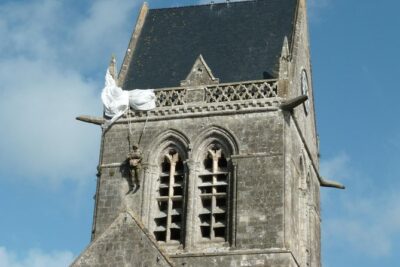
From Pointe du Hoc, the day moves toward Sainte-Mère-Eglise, the heart of the airborne operation. This town was among the first captured by American paratroopers, and one of the well-known stories is that a paratrooper got stuck up on the church tower during that night.
The guide uses this setting to explain how airborne landings played out beyond the bare phrase “drop behind enemy lines.” You get a sense of what it meant for a town to be the first foothold, and why confusion and scattered landings mattered so much.
The practical benefit here is that the stop is also human-scale. You are not just looking at a beach. You’re in a town setting where the guide can connect the airborne chaos to real geography and real streets.
Other Bayeux bookings in the margin notes
Utah Beach and Theodore Roosevelt Jr at 6:30 am
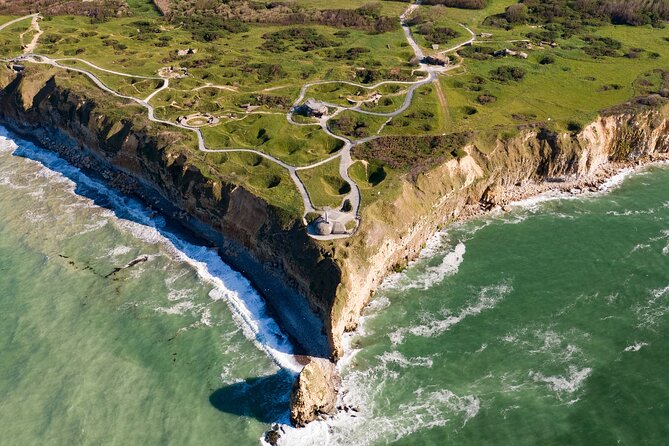
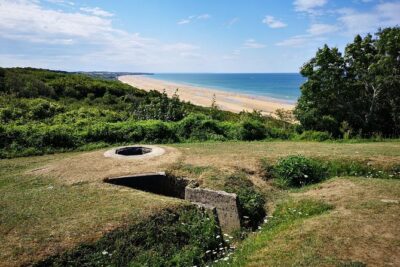
Utah Beach is the other half of the landing story, and it’s usually a relief after Omaha’s intensity. You’ll visit the site where the 4th Infantry Division successfully breached the German defenses.
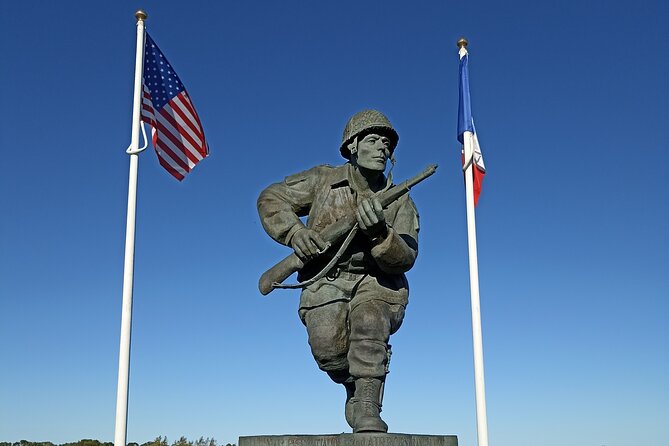
A standout detail is the morning’s timeline. The first wave at Utah is led by Brigadier General Theodore Roosevelt Jr, landing at 6:30 am, and he was later awarded the Medal of Honor. That specific date-and-time anchor helps you remember the event as more than a blur of June 6.
The guide explains what made Utah’s assault different from what happened at Omaha. It’s not sugarcoated and it’s not treated like an easier version of the same battle. Instead, you’ll learn how choices, positioning, and outcomes shaped what each unit faced.
Like at Omaha, you’ll get time to stand back and take in the shoreline after the explanation. If you want a mental snapshot, Utah is often the stop where you can finally say, yes, I understand the shape of this operation.
Angoville-au-Plain and the church aid-station: ending with care, not only combat
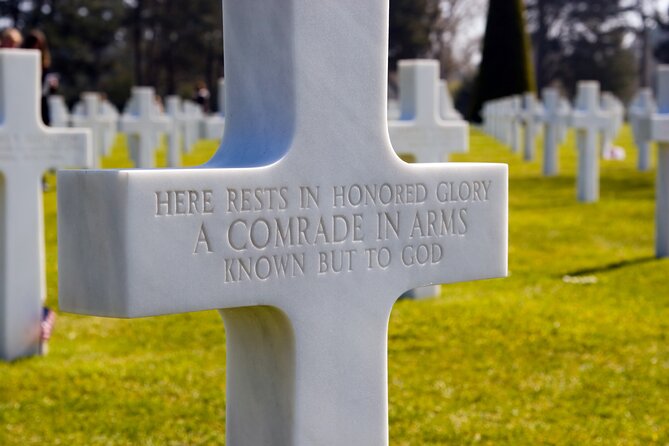
The last major battlefield stop is Angoville-au-Plain. The guide brings you to the church used as an aid-station, where two young medics treated about 80 wounded soldiers for two days.
This part is powerful because it shifts the story from maneuvering and defenses to survival and care. One review-focused detail you might hear during the day is that the story can include treatment of allied forces, and also German soldiers and civilians. Even if you only remember the broad idea, it’s a needed contrast after the beach accounts.
There’s also a personal, grounded feel to the church setting. In one strongly recommended moment from this experience, guides connect the stop to the work of medics Bob Wright and Kenneth Moore. If your guide mentions names, write them down, because this is the part most people remember when the day’s details start blending together.
Transportation, comfort, and timing: why the van matters as much as the sites
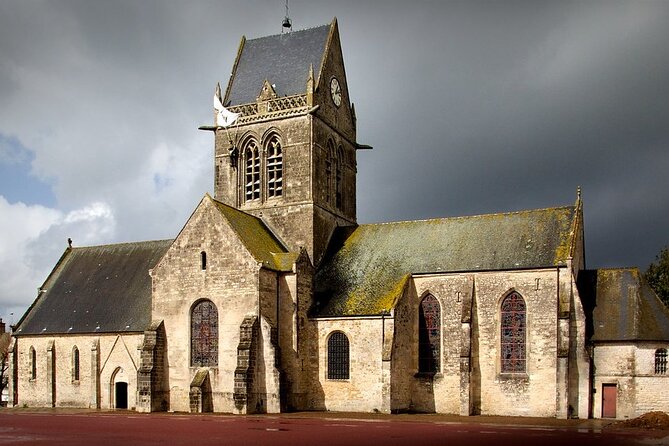
The tour is structured around round-trip minivan transport from central Bayeux with A/C. That sounds basic, but it’s actually a big part of the value. Normandy’s landing sites are spread out, and parking plus route planning can turn a meaningful day into logistical stress.
The route also keeps the day moving in a way that feels realistic. You’re not hopping between random locations. Drives are planned between stops, including around 30 minutes at key segments, plus shorter legs between later stops.
Comfort-wise, the reviews repeatedly highlight the comfort of the van and the safe, smooth driving. If you’re sensitive to long sitting, build in your own strategy: water on board, a quick snack plan for later, and comfortable shoes for the short walks and viewpoints.
Price and value: what $169.31 buys you (and what it doesn’t)
At $169.31 per person, this tour is not the cheapest way to see Normandy. But it’s also not overpriced when you factor in what you’re getting:
- Round-trip transport from Bayeux in an A/C minivan
- An experienced, certified guide who explains what you’re seeing, using maps and photos
- Free admission indicated for each major stop on the route
The one clear gap is lunch, which isn’t included. That’s the biggest practical reason to plan ahead. Even a simple meal break helps you stay present for the emotional cemetery stop and the later sites.
If you’re comparing costs, don’t just look at price. Compare also the hidden expenses of driving yourself, like fuel, parking time, and the mental load of finding your way between multiple battlefields.
Guides: the difference between hearing facts and understanding a place
A strong part of this experience is that the guide doesn’t just recite dates. Multiple guides associated with the tour are praised for making the sites understandable through on-the-ground explanation. Names that come up include Sophie, Yannick, Michael, Chloe, Gwen, Corinne, and Mickael.
What the best guides share in common is a respect for the material and a knack for turning each stop into a clear story. You also often get personal, named details, like the leaders at Utah (including Theodore Roosevelt Jr) or the Ranger commander at Pointe du Hoc (James E. Rudder). When your guide can connect that to the view in front of you, the whole day clicks.
If you like asking questions, this is a great tour type for you, because the small-group size makes your voice part of the day, not background noise.
Who should book this American beaches and US Airborne tour?
This is a great fit if you:
- Want a high-impact overview of the American D-Day story without driving yourself
- Prefer small-group attention and chances to ask questions
- Are traveling with someone who also cares about history, but you want the day to stay clear and organized
- Want both the battlefield story and the cemetery moment in one day
It may be less ideal if you:
- Need a very flexible schedule with lots of long museum time (this is a moving day)
- Are very sensitive to emotional memorial spaces and need a quieter pace
- Don’t want to plan for lunch
Should you book this tour?
I’d book it if you want to see Omaha, Pointe du Hoc, Sainte-Mère-Eglise, Utah, and the American cemetery in one organized shot from Bayeux. The small group size, the guide’s map-and-photo method, and the careful sequencing make the day feel like a coherent story rather than a checklist.
Just go prepared. Comfortable shoes help. Bring a simple plan for lunch. And mentally give yourself permission to slow down at the cemetery. This is one of those days where the sights matter, but the respect part matters too.
FAQ
How long is the D-Day American Beaches and US Airborne full day tour from Bayeux?
The tour runs for about 8 hours 30 minutes.
Where do we meet for the tour?
You meet at Place du Québec, Pl. du Québec, 14400 Bayeux, France.
What time does the tour start?
The start time is 9:00 am.
Is lunch included?
No. Lunch is not included.
Are admission tickets included for the stops?
Admission tickets are listed as free for the tour stops provided (Omaha Beach, the American cemetery, and the other featured sites).
Is the tour offered in English?
Yes, the tour is offered in English.
What group size should I expect?
This tour has a maximum of 7 travelers.
What happens if the weather is bad?
The experience requires good weather. If it is canceled due to poor weather, you will be offered a different date or a full refund.
Can I cancel for a refund?
Yes. You can cancel for a full refund if you cancel at least 24 hours in advance of the experience start time.
Latest Bayeux entries, notes attached


Things to Do in Normandy, compared.
Normandy American D-Day Beaches Full Day Tour from Bayeux
Read our review →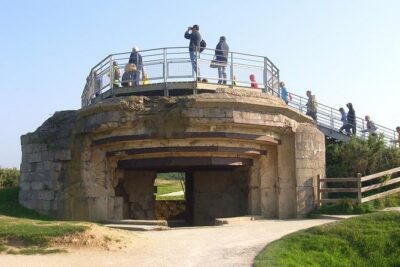
Normandy American D-Day Experience – Group tour from Bayeux
Read our review →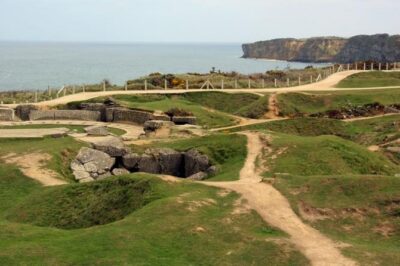
Normandy Beaches Half-Day Afternoon Trip from Bayeux (A2)
Read our review →
Omaha Beach D-Day Experience – Afternoon group tour from Bayeux
Read our review →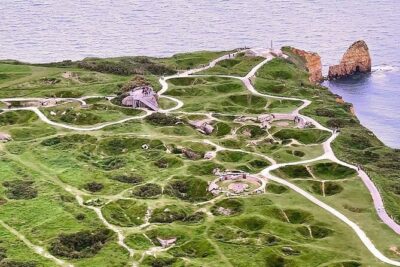
Normandy Battlefields Tour – American Sites (A3)
Read our review →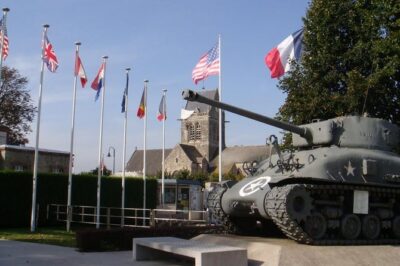
This tour also appears in