
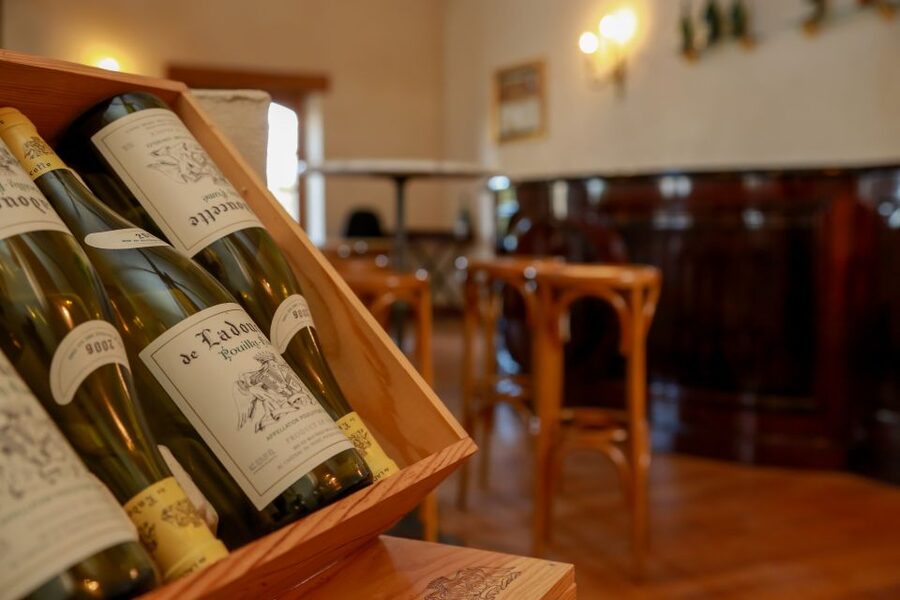
Reviewed · CHAMPAGNE TASTINGS & CELLAR TOURS
Epernay: Winery and Cellar Tour with Champagne Tasting
Nothing beats 25 meters under chalk. This Epernay Champagne experience pairs a guided walk through centennial cellars with hands-on explanations of how Champagne gets made, plus a focused tasting. You’ll also get that rare feeling of a family operation welcoming you into their day-to-day wine world.
I love how personal the guide keeps it, with clear, competent storytelling and a small-group vibe. I also like the sensory approach to tasting, where you’re guided to pay attention to what you see and smell before you sip. One thing to consider, if you’re traveling with kids or want a flexible family stop, this one is not suitable for children under 18.
In This Review
- Key Things I’d Pay Attention To
- Why This Epernay Champagne Tour Feels Like More Than a Tasting
- A likely vibe: small group, big attention
- Entering the Centennial Cellars Under 25 Meters of Chalk
- What makes this cellar stop valuable for you
- From Vat House to Underground Galleries, What You Actually See
- A practical note: you might want a quick phone strategy
- Champagne Tasting: Brut Sélection and the Vieilles Vignes Réserve
- Engage all your senses, not just your taste buds
- What you should do if you want to get more from the tasting
- Meeting the Vigneron Family and Hearing the Three-Generation Story
- One likely highlight: personal welcome
- Timing, Getting There, and What the 90 Minutes Really Means
- Who benefits most from this timing
- Price and Value: Is 53 Per Person Fair for This Stop?
- Who Should Book This Tour, and Who Might Skip It
- Quick FAQ
- FAQ
- How long is the tour?
- How much does it cost?
- What is included in the tour?
- How many Champagnes will I taste?
- Where does the cellar tour take place?
- Is hotel pickup included?
- Is the tour in English?
- Is it suitable for children?
- Is cancellation free if plans change?
- Does it offer pay later?
- Should You Book This Epernay Winery and Cellar Tour?
Key Things I’d Pay Attention To
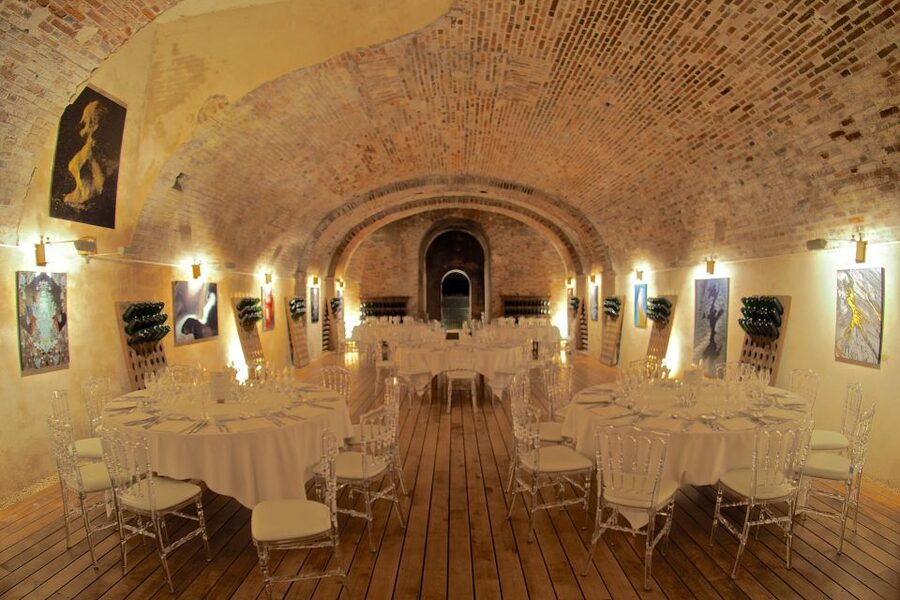
- 25 meters under chalk in centennial cellars, with a cellar network around 1.5 kilometers long
- Small-group, English-hosted tour that feels more like a conversation than a classroom
- Guided tasting of 2 named cuvées plus a total tasting that adds up to three Champagnes
- Real cellar infrastructure you can actually see, including vat house and underground galleries
- Three-generation vigneron stories that explain what staying family-run really means
Why This Epernay Champagne Tour Feels Like More Than a Tasting
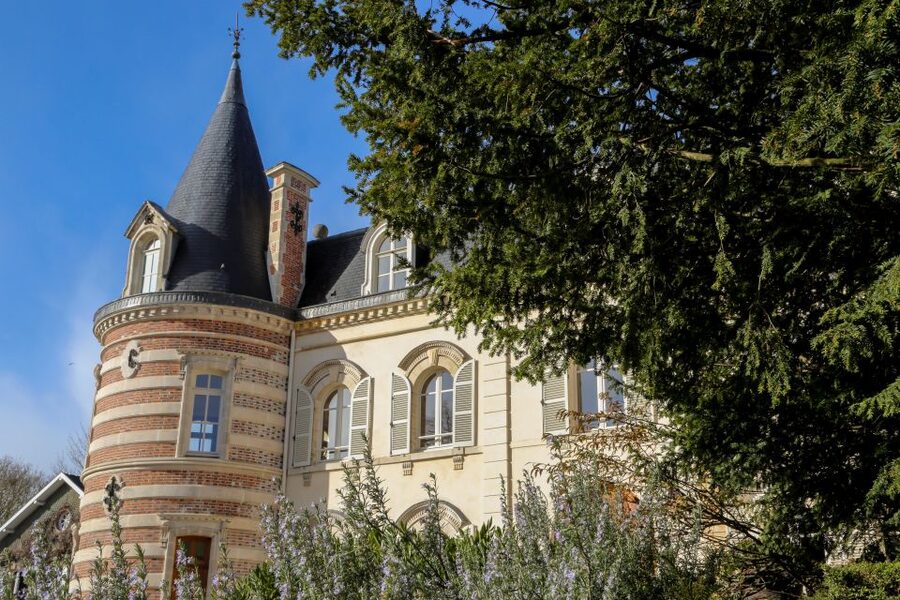
If you’ve done the classic Champagne stop before, you know how fast it can turn into a checklist: look at bottles, hold glass, leave. This tour slows things down on purpose. You’re not just asked to taste. You’re guided through the why behind it, with time spent walking the estate and then sitting down for tastings.
The biggest strength is the human scale. This is described as a family-owned winery where the vigneron and his family greet you, and that changes the tone immediately. You’ll hear how their character has been maintained through three generations, father to son, rather than switching to something corporate.
I also appreciate that the host keeps things in English. It matters here, because Champagne-making is all detail and timing. When the guide explains the process clearly, the tasting stops being random.
A likely vibe: small group, big attention
The experience is consistently framed as personal, including “small group” style feedback. Translation: fewer people to manage means more room for questions, and more chances to get practical notes like what to look for when tasting.
More chalk cellars of Champagne:
- From Reims: Champagne and Family-Run Wineries Tour
★ 4.8 · 671 reviews - From Epernay : Champagne tasting with a vintage car
★ 4.9 · 133 reviews - Champagne experience with a vintage van from Epernay – 3 hours
★ 5.0 · 108 reviews
Entering the Centennial Cellars Under 25 Meters of Chalk
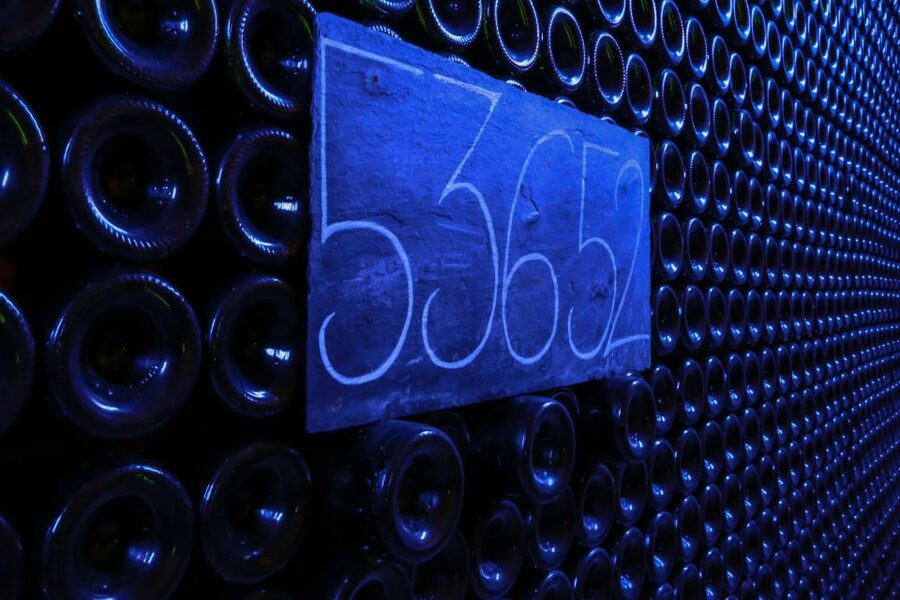
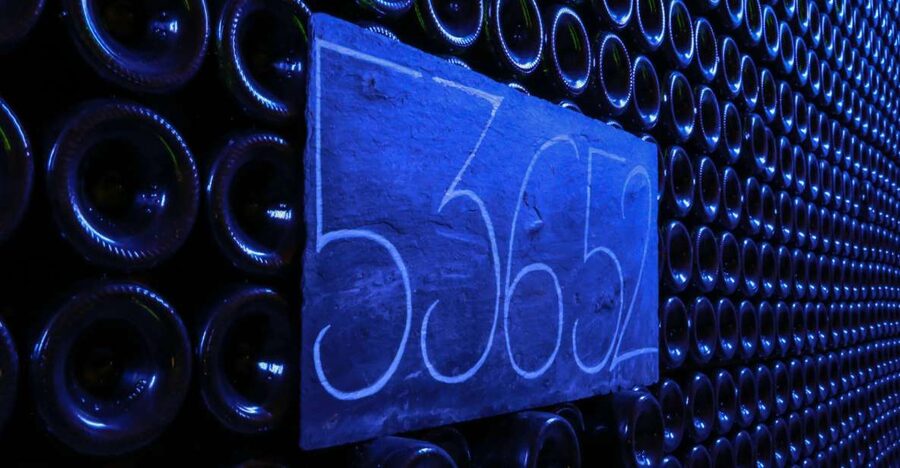
You start by going where Champagne does its slow work: underground. This estate’s centennial cellars were built at the beginning of the 19th century, and they are burrowed under 25 meters of chalk. The whole cellar system is described as about 1.5 kilometers in length, with capacity for around 3 million bottles.
That’s the kind of scale that can feel abstract until you’re walking it. You’ll see the layout as you go, not just the highlight photo. Even if you’re not a cellar nerd, it helps you understand how Champagne is built around time, storage, and careful handling.
Expect a guided route that takes you across the cellar unit and into key spaces like the areas where the wine is handled and aged. The cellars are also where you’ll see rows of wooden barrels and bottles, so the tour isn’t just “look and listen.” It’s see, then connect that to what you taste later.
What makes this cellar stop valuable for you
This is a tour where the building teaches you something. When you walk through the underground galleries and chai spaces, the tasting becomes more grounded. You’re not tasting in a vacuum, you’re tasting right after learning how and where the Champagne rests.
Also, it’s the kind of stop that helps your trip feel authentic. Champagne culture is easy to turn into a souvenir. Cellars like these are where the work actually happens.
From Vat House to Underground Galleries, What You Actually See
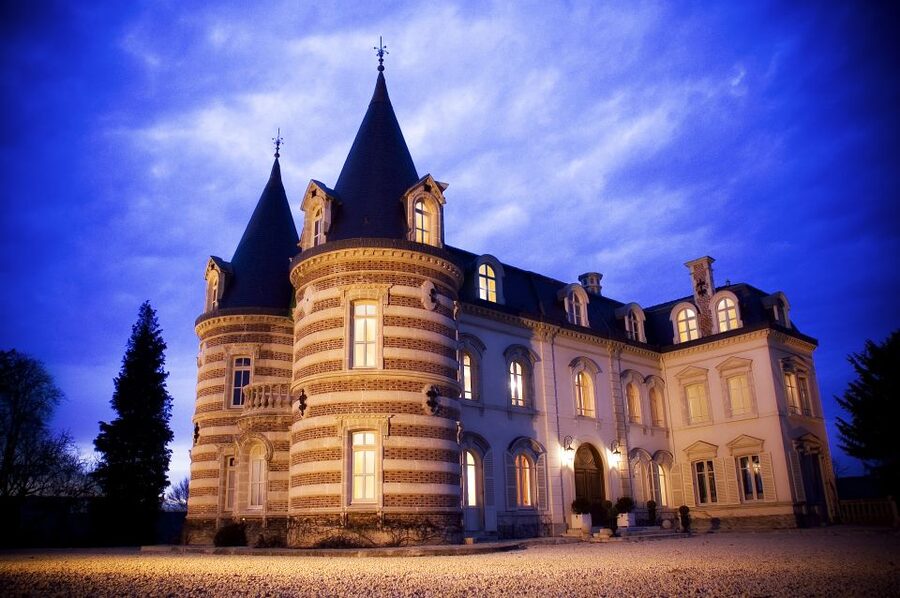
Inside, the guide moves you through several distinct cellar zones. Each one matters, because Champagne-making is made of multiple stages, and the estate is set up to support them.
Here’s what you should expect to be shown:
- The cellar unit, where you get your first sense of the underground layout and storage patterns
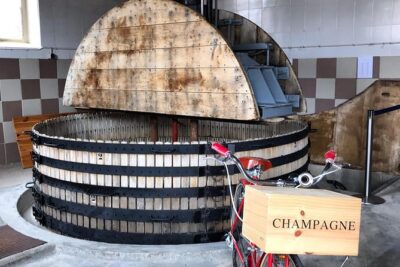
- The vat house, a key point in how wine is handled before it becomes Champagne
- Underground galleries, where you get a sense of the reach and structure of the cellar network
- The chai, which is presented as a core part of how the operation works
You’ll also walk across the cellar areas while the host explains what’s going on. The goal is not to overwhelm you with technical jargon. It’s to connect what you see with the Champagne process, so your senses have context.
More French appellations, visited:
A practical note: you might want a quick phone strategy
You’ll likely be tempted to take photos the whole time. I’d still keep it simple. The tour is most enjoyable when you’re watching the guide and absorbing the explanation. If you photograph, do it in short bursts, because the pace is part of what makes the tour work.
Champagne Tasting: Brut Sélection and the Vieilles Vignes Réserve
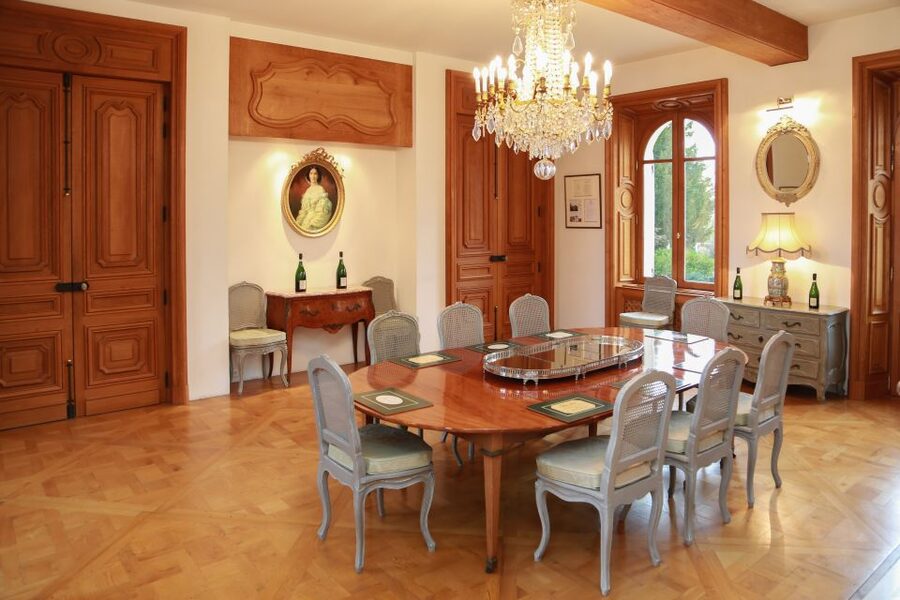
After you tour the cellars, you shift from walking to tasting. This is where the experience earns its name, and it’s also where the guide’s explanation helps most.
The tour includes wine tasting of two cuvées:
- Sélection (Brut)
- Cuvée de Réserve – Vieilles Vignes (Brut)
Alongside that, the overall experience describes tasting a total of three different Champagnes. One is very likely part of a sequence around those two cuvées, but the key practical point for you is that you won’t just sip one thing and call it a day. You’ll compare.
Engage all your senses, not just your taste buds
This tour calls out sampling with all your senses. That means you’re guided to pay attention to how it looks in the glass and how it smells before you commit to the sip. Champagne is delicate. Small differences can be hard to notice if you’re rushing.
If you like to learn by doing, you’ll probably enjoy this format. You’re not handed a script. You’re encouraged to notice.
What you should do if you want to get more from the tasting
Go in with one simple question: what do you notice first? For example, do you get more of a crisp, dry feeling in one Brut compared with the Reserve? The guide can help you connect those impressions to what’s happening in the cellar and in the grapes used for a Vieilles Vignes style bottling.
Meeting the Vigneron Family and Hearing the Three-Generation Story
The cellar is only half the story here. The other half is the people running it.
You’re introduced to local wine growers whose traditional methods are passed down from father to son for three generations. The tour experience emphasizes how the family has maintained its character as their Champagne House continues.
This matters because Champagne is not only a product. It’s a relationship between land, time, and the people maintaining the work. When the guide frames it as a family tradition rather than a factory routine, you understand why the operation feels different.
You also get a sense of daily life for wine growers. Even if you’re not buying anything on the spot, that context is what makes your later Champagne choices smarter. You start noticing how families talk about quality, rather than only how brands market it.
One likely highlight: personal welcome
In the provided feedback, the warmth of the welcome and the guide quality come up repeatedly. One name you may hear in the mix is Alice, mentioned as an example of a very nice English-speaking guide in a recent booking. Even if your host is someone else, the tour’s tone is consistently friendly and direct.
Timing, Getting There, and What the 90 Minutes Really Means
This is a 90-minute experience. That’s long enough to see multiple cellar spaces and still have time to sit for tastings. It’s also short enough that you can fit it into a day without turning your whole schedule into Champagne math.
English-hosted tours make timing easier because you’re not waiting for translation headcount. You should also know this tour does not include hotel pickup or drop-off, so plan on getting to the estate on your own.
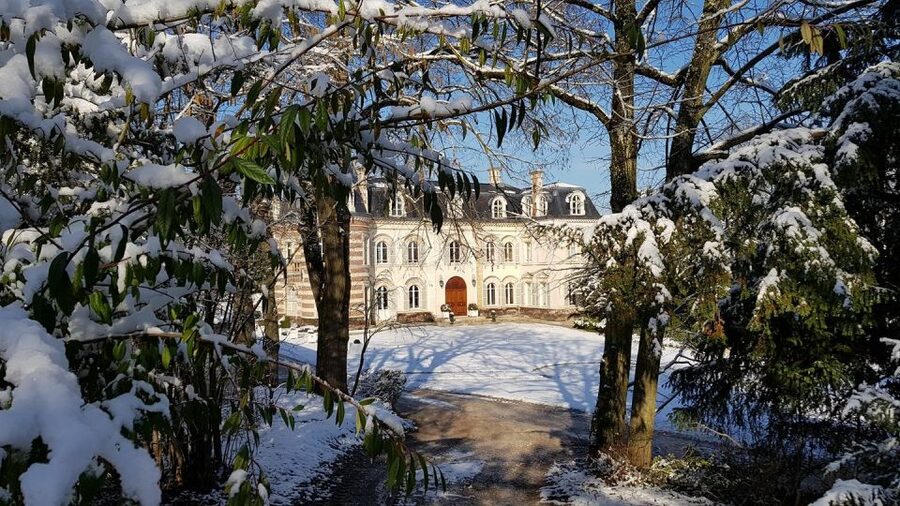
One more detail to keep in mind: the experience describes the family welcoming you in Mareuil-sur-Ay. If you’re basing your day entirely around Epernay, double-check the exact meeting point on your booking so you don’t end up rushing between locations.
Who benefits most from this timing
If you’re in town for a tight itinerary, this length is ideal. It gives you a proper tour stop with real cellar time and then a guided tasting, without the half-day commitment of longer excursions.
Price and Value: Is 53 Per Person Fair for This Stop?
At $53 per person, you’re paying for three things: guided cellar access to a historic space, guided tasting, and the storytelling that ties it together.
Here’s the value breakdown in plain terms:
- You get the cellar experience, including time in several specific underground areas and time to see barrels and bottles
- You get structured tasting, including the Sélection (Brut) and Cuvée de Réserve – Vieilles Vignes (Brut), plus a total tasting that adds up to three Champagnes
- You get explanation, not just service, and that’s what turns Champagne into a real learning moment
If your goal is to leave with better tasting instincts and a stronger feel for how Champagne operations work, $53 can be a good deal. If your only goal is to drink and move on, you may find other options cheaper. But based on what the experience emphasizes, this is priced for a guided, high-attention visit.
Who Should Book This Tour, and Who Might Skip It
This experience is clearly built for adults, since it’s not suitable for children under 18. If you like wine but prefer learning with a guide rather than wandering, you’ll probably enjoy the format.
It also suits you if:
- you want a family-run operation instead of a purely commercial visit
- you like cellar views and want to understand what you’re seeing
- you enjoy guided tasting where you’re prompted to use your senses
You might skip it if:
- you want a long, multi-stop itinerary with lots of extra locations
- you dislike structured tastings and prefer free time only
- you need hotel pickup included, since this one does not provide it
Quick FAQ
FAQ
How long is the tour?
The tour lasts about 90 minutes.
How much does it cost?
It’s listed at $53 per person.
What is included in the tour?
You get a guide, a guided visit to the historic wine cellar, and wine tasting of two cuvées: Sélection (Brut) and Cuvée de Réserve – Vieilles Vignes (Brut).
How many Champagnes will I taste?
The tour description says you taste a total of three different Champagnes.
Where does the cellar tour take place?
The experience includes centennial cellars under chalk, with a route through cellar spaces such as the vat house, underground galleries, and the chai.
Is hotel pickup included?
No, hotel pickup and drop-off are not included.
Is the tour in English?
Yes. The host or greeter provides the experience in English.
Is it suitable for children?
No. It is not suitable for children under 18.
Is cancellation free if plans change?
Yes, you can cancel up to 24 hours in advance for a full refund.
Does it offer pay later?
Yes. It offers a reserve now and pay later option.
Should You Book This Epernay Winery and Cellar Tour?
Book it if you want a well-paced Champagne stop that goes beyond sipping. The combination of a guided underground walk through centennial cellars and a guided tasting of specific cuvées gives you something practical you can remember. You’ll come away with a clearer sense of what you’re tasting and why.
Skip it if you’re traveling with kids under 18, you don’t want any structure at all, or you need transportation support like hotel pickup. In that case, look for an option that matches your style and schedule better.
If you’re a Champagne fan who enjoys learning with your feet on real stone and your nose in the glass, this one is a strong value for the time you spend.
France by the Course
- Epernay: Jeep tour of the vineyards with tasting and visits
★ 5.0 · 70 reviews - Champagne Munoz Bruneau : Half Day Visit and Tasting
★ 4.9 · 53 reviews - Champagne Munoz Bruneau : Half Day Visit and Tasting
★ 5.0 · 50 reviews - Paris: Seine Cruise & Crepe Tasting near the Eiffel Tower
★ 4.4 · 11,231 reviews
Latest Epernay entries, notes attached



Champagne Tastings & Cellar Tours, compared.
Day Trip to Champagne with 8 Tastings & Lunch
Read our review →
Champagne Day Trip with 6 Tastings, Reims and Winery from Paris
Read our review →
Guided Tour of Cathedral of Notre Dame de Reims
Read our review →
Champagne Day Trip from Paris with 8 Tastings & Lunch
Read our review →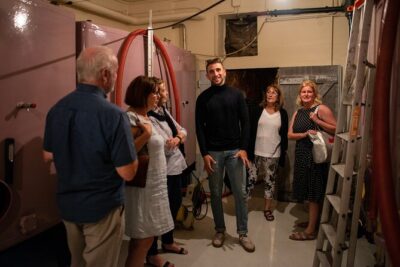
Reims afternoon tour Champagne and family growers
Read our review →This tour also appears in