
Reviewed · MUSEUMS
Lyon: admission ticket to Brochier Soieries Silk Museum
Silk meets aviation in Lyon. The Musée des Soieries Brochier turns a family silk-maker’s 130-year story into something you can actually see, from fashion showpieces to technical textiles. I love the setting and pace, because you get both storytelling and real materials without feeling stuck in a long, slow museum.
Two things I really like: the way couture names and textile innovation sit side by side, and the fact that you can trace the thread from old-school weaving to modern uses. If you enjoy fashion details, you will also appreciate the museum’s focus on fabrics made for big names and for artists too.
One possible drawback is time. The museum is fairly compact, so if you expect a long, hands-on experience you might finish sooner than you planned, and the ticket price may feel steep for a quick visit.
In This Review
- Key points to know before you go
- Musée des Soieries Brochier, where Lyon’s silk story begins
- The Brochier family, 1890 to today, in plain textile terms
- Couture gowns made from Brochier fabrics, who you’ll recognize
- Artists and textiles, Miró, Calder, and Cocteau in fabric form
- From Jacquard loom to technical silk, Concord to balloon probes
- Your walk-through plan, what to prioritize in a compact museum
- The shop at Brochier Soieries, Fabriqué à Lyon silk you can take home
- Price and value for a Lyon ticket in this museum format
- Who should book this ticket, and who might want a different Lyon plan
- Should you book the Brochier Silk Museum ticket?
- FAQ
- Where is the Musée des Soieries Brochier entrance?
- How much does the admission ticket cost?
- How long is the visit?
- What is included with the ticket?
- Is food or drink allowed during the visit?
- Is the museum wheelchair accessible?
- Can I cancel my ticket?
Key points to know before you go
- Grand Hôtel-Dieu setting, silk-focused exhibits: you start in a landmark building’s world while staying on-theme with Brochier textiles.
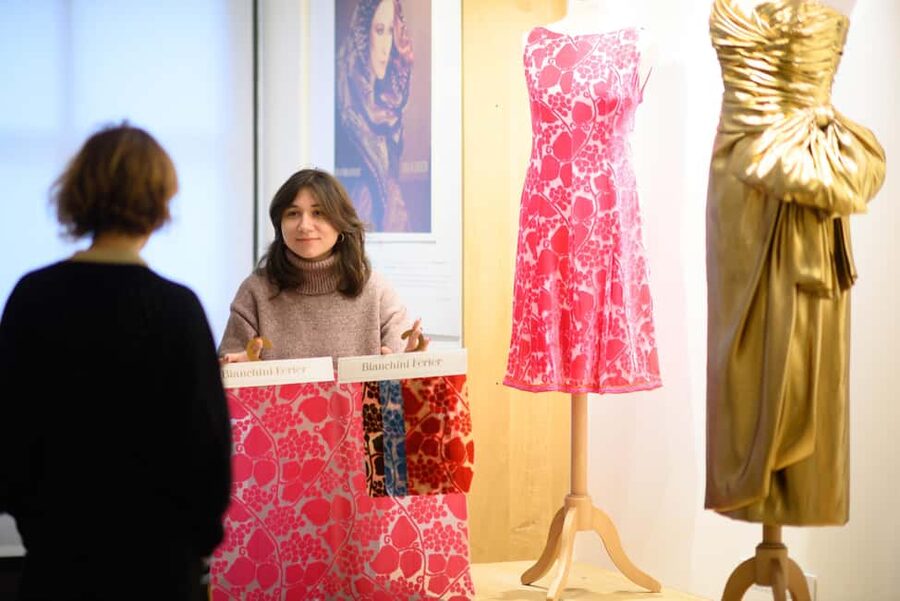
- Couture fabrics meet technical textiles: dresses and fashion collaborations run next to information about specialized silk uses.
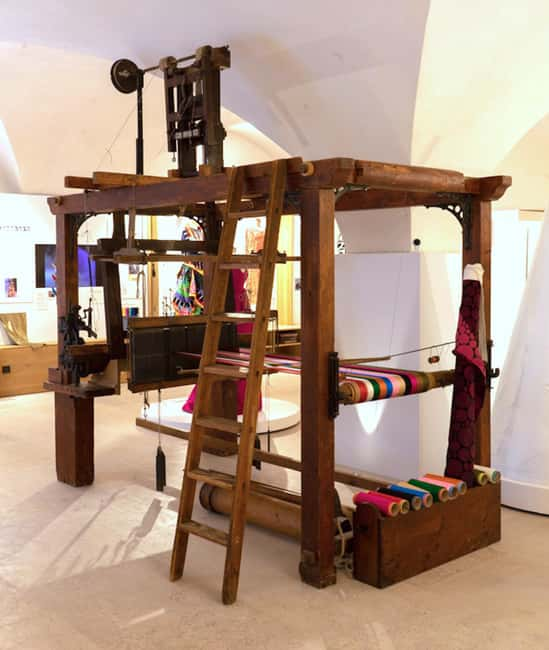
- Jacquard loom innovation is part of the story: you learn how the company adapted traditional weaving for technical production.
- Artist collaborations go beyond decoration: expect textile designs tied to major 20th century artists like Miró, Calder, and Cocteau.
- Your shopping option is more than souvenirs: the shop includes silk accessories and pieces labeled Fabriqué à Lyon.
- Plan for a short visit: the museum can feel quick to cover, so come with clear interests (fashion, design, or tech).
Musée des Soieries Brochier, where Lyon’s silk story begins
The Musée des Soieries Brochier is in the heart of Lyon, inside the Grand Hôtel-Dieu complex. It’s also close to Place Bellecour, about a five minute walk from there, which makes it a friendly stop as you explore central Lyon. The catch is location details: the entrance is outside the main building, on the riverside along the Rhône, near the Wilson or Winston bridge area.
That outdoor entry matters because it changes how you arrive. If you’re walking along the river, you will spot it easier when you treat it like a riverside museum stop rather than a typical street-front entrance. Bring a moment of patience and check the access plan or map photos if you like to get oriented fast.
The setting is part of the appeal. Grand Hôtel-Dieu is the kind of Lyon building you remember after you leave, and it makes the silk theme feel grounded in real city heritage instead of just a standalone “craft exhibit.”
The Brochier family, 1890 to today, in plain textile terms
Brochier Soieries traces back to 1890, when the Brochier family entered the silk industry. The museum frames the company as a multi-generation business that still operates, with four generations of Brochiers and nine family members represented across the story. It’s not just dates and names, it’s about how weaving, printing, and fabric development evolved over time.
You learn early that Brochier is tightly linked to fashion, because haute couture needs more than “pretty fabric.” It needs consistency, repeatable patterns, and the kind of finishing that makes a dress look right under studio lights and on a runway. That’s why the museum keeps pulling you back to textiles as the main character.
What makes the museum especially useful is how it balances two tracks: design and function. Fashion is one track, but there’s also a steady emphasis on technical fabrics, where silk gets adapted to jobs beyond clothing. If you like seeing how everyday materials become specialized products, you’ll get a satisfying arc.
More French collections worth the coat check:
- Lyon: Musée de l’illusion Entrance Ticket
★ 3.9 · 1,023 reviews - Lyon: Musée des Confluences Entrance Ticket
★ 4.5 · 374 reviews - Lyon: Musée Soieries Brochier guided tour
★ 4.7 · 81 reviews
Couture gowns made from Brochier fabrics, who you’ll recognize
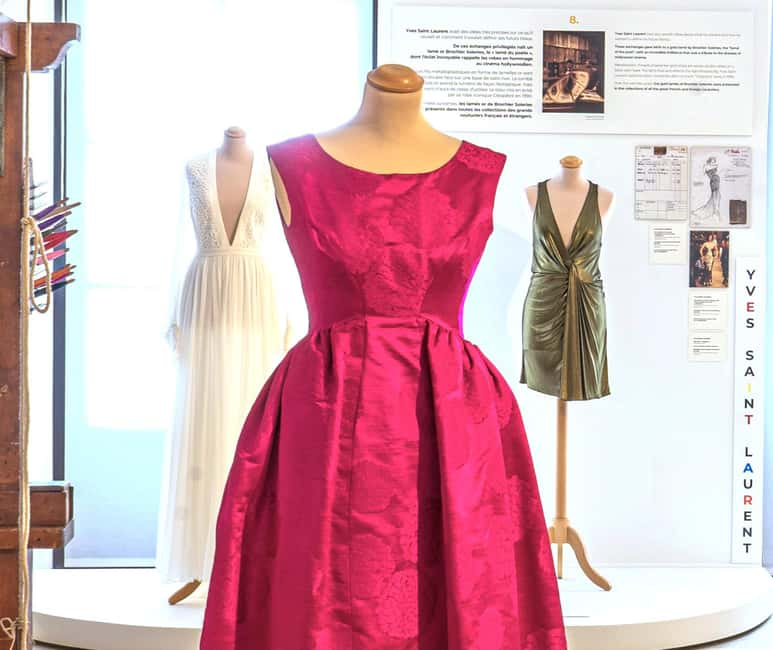
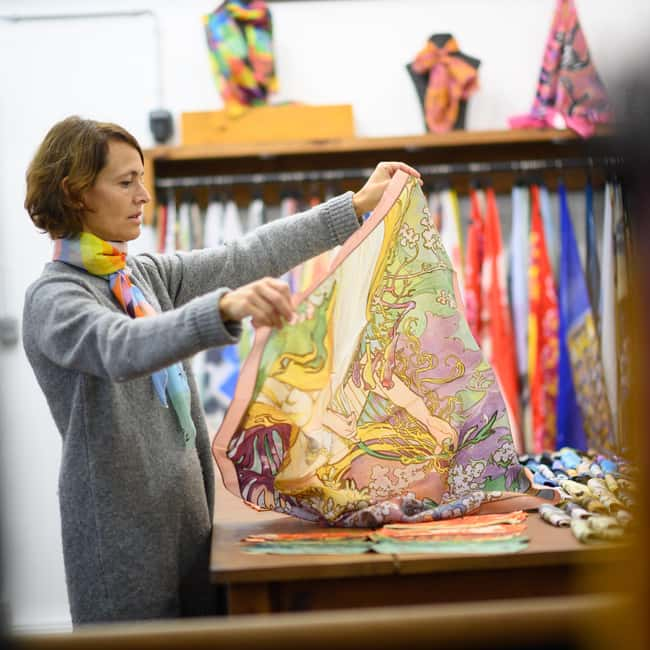
The museum leans hard into fashion credibility. You’ll see dresses associated with major designers, including pieces linked to Hubert de Givenchy, Christian Lacroix, Valentino, Yves Saint Laurent, and Nicolas Fafiotte. Even if you’re not a fashion historian, these names help you place the fabric world in a bigger conversation about haute couture.
The point is not just star power. The museum shows how couture and textile production depend on each other. A dress like this is really a collaboration between pattern-making, fabric structure, printing, and finishing, and the museum does a good job of making that connection feel practical.
If you’re the kind of person who pauses at details in a garment, plan time here. Fabrics look different under different lighting, and when you have a museum setup dedicated to textiles, you get a better chance to actually notice what makes the weave and print feel distinctive.
Artists and textiles, Miró, Calder, and Cocteau in fabric form
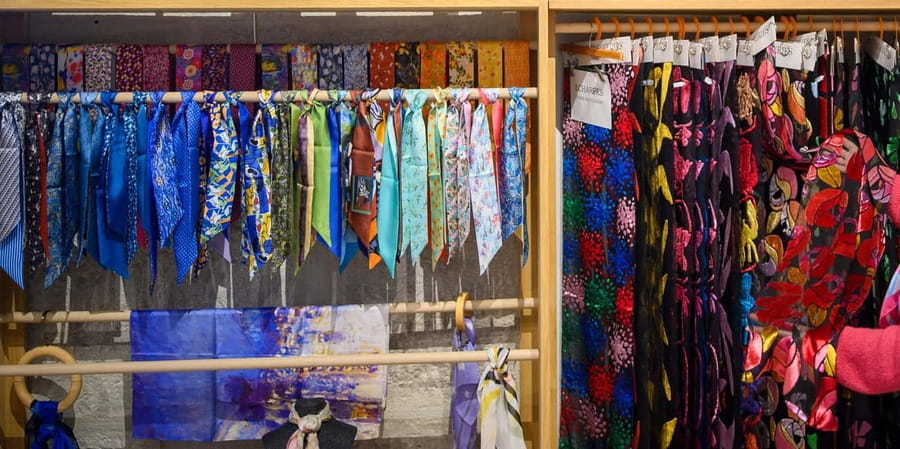
This is one of the most interesting parts of the museum’s concept. Alongside fashion, you’ll find textile designs tied to major 20th century artists such as Miró, Calder, and Cocteau. The museum treats the relationship between silk production and art as an ongoing collaboration, not a one-time novelty.
That matters because textiles are a form of visual expression that can scale. A painting can be framed and hung, but printed or designed fabric can become clothing, interior pieces, and wearable art. The museum makes you think about how an artist’s style translates into repeat patterns and workable textile designs.
If you’re touring Lyon and want a break from purely architectural sights, this gives you a creative angle. It also helps you see Brochier not just as a supplier, but as a company that had the flexibility to work with different kinds of creators.
From Jacquard loom to technical silk, Concord to balloon probes
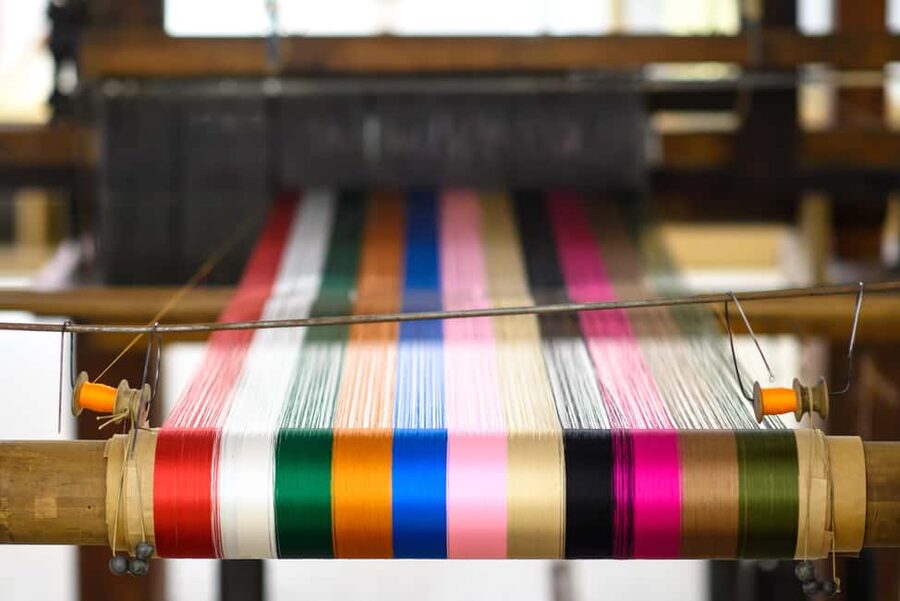
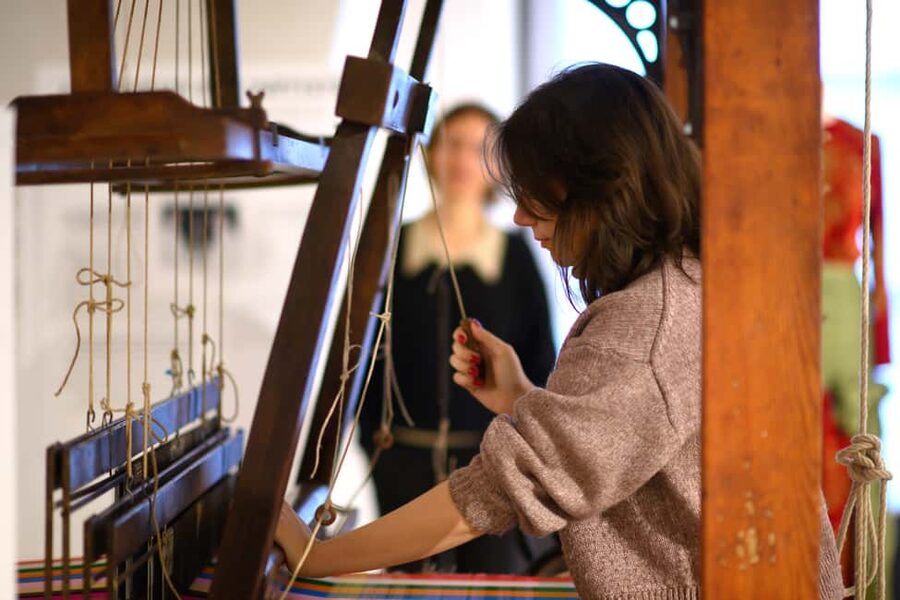
One of the strongest reasons to visit is the “you didn’t expect this” tech content. The museum explains how innovation shaped textile production, including how the company adapted the Jacquard loom for technical textiles. That loom connection is important because Jacquard is closely tied to patterned weaving, and pattern control is exactly what technical products often require.
Then the exhibits get specific about applications. You’ll learn about silk use connected to Concord nose cones, rainforest canopy rafts, and Venus balloon probes. Those examples shift silk from luxury to utility, and they make the story feel bigger than a single industry.
The museum also points to future-facing textiles, including information about silk thread woven with optical fibres. If you like modern design tech or you’re interested in where traditional craftsmanship goes next, this section is a good reality check. It shows that technical innovation often grows out of older equipment and older skills, then gets upgraded for new purposes.
More Things to Do in Lyon

Your walk-through plan, what to prioritize in a compact museum
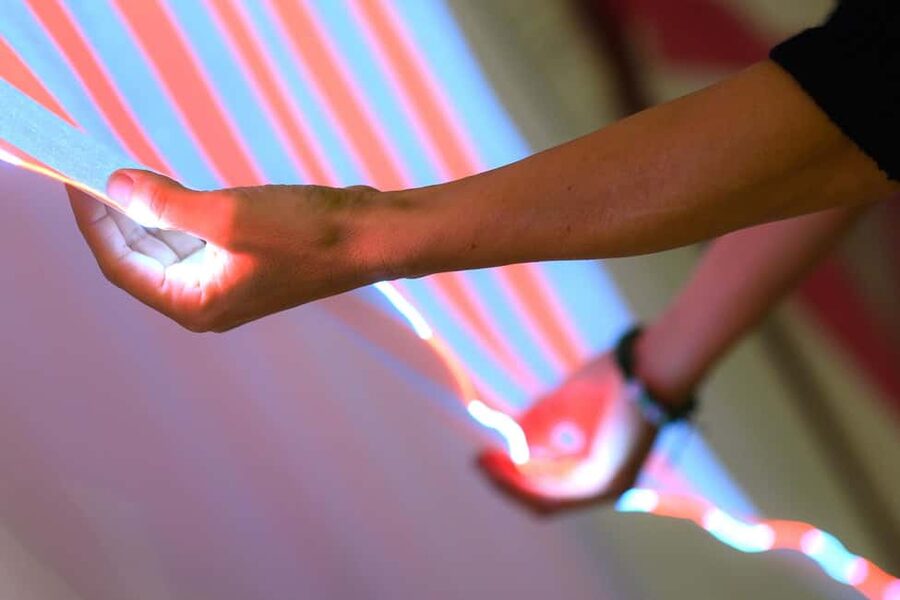
This visit is mostly a self-guided walk through exhibition rooms in the Grand Hôtel-Dieu space. The experience is tied to the themes the museum highlights, so you can shape the visit around what interests you most.
If you love fashion, spend your time on the couture-related displays first. The designer names listed in the museum are a strong signal that there are standout fabric examples built around haute couture production. Don’t rush here, because the value is in seeing the textiles as the main event, not just supporting decoration.
If you’re more into art and design, prioritize the textile designs linked to Miró, Calder, and Cocteau. The museum’s art connection works best when you treat the textiles like artwork with translation constraints, how an artist’s idea becomes a fabric pattern you can actually produce.
If you’re a tech-minded visitor, go straight to the Jacquard and technical textile sections. The Concord nose cones, rainforest canopy rafts, and Venus balloon probes examples are the kind of detail that turns a museum visit into a story you can retell.
One practical note: because the museum is fairly compact, a short visit is realistic. If you do the fastest pass, you may feel done quickly, so I recommend you come with a plan for your focus area. If you want slower time, build it in by pairing the visit with a longer walk around central Lyon after.
The shop at Brochier Soieries, Fabriqué à Lyon silk you can take home
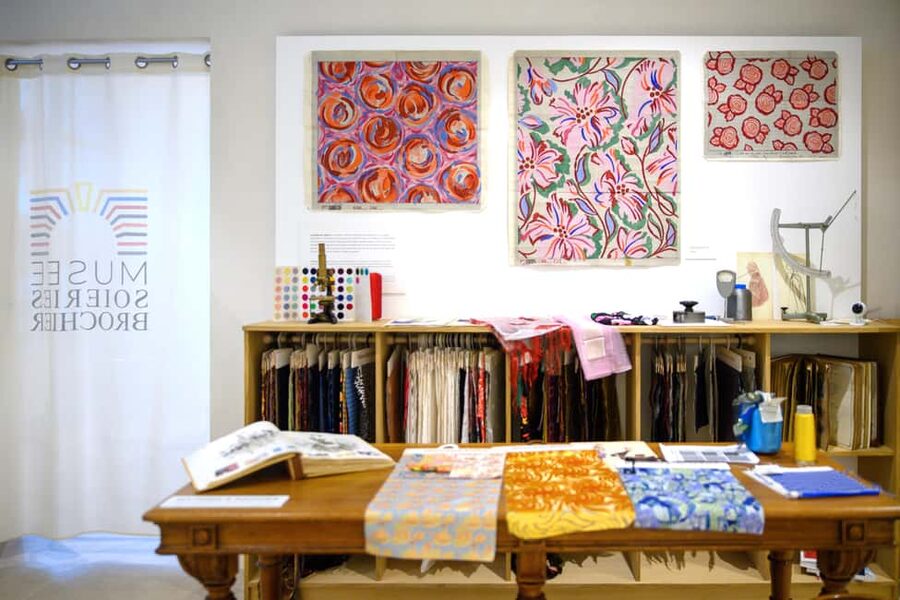
The museum shop is a big part of the experience, especially if you enjoy buying gifts that feel tied to place. You can shop silk accessories with the authentic label Fabriqué à Lyon, made in Lyon. That label matters because it signals local production rather than generic travel retail.
You’ll also find hand-painted silk and velvet squares in the shop. They’re described as 100% silk and velvet squares produced in Brochier Soieries’ weaving mills and printing workshops, so the shopping experience stays consistent with the museum theme. This is where the museum’s “textile matters” message lands.
If you’re deciding between shopping or spending extra minutes in exhibits, I’d treat it like this: if you care about textile details, shop after so you buy what you can match to what you saw. If you mainly want a quick cultural stop, shop first, then breeze through exhibits faster.
Price and value for a Lyon ticket in this museum format
The ticket price is about $9 per person. For a museum built around a single company story, that’s generally fair, especially since the content covers both couture relevance and technical textile innovation. The value improves if you have at least one clear interest, like fashion fabrics, artist design, or the technical silk applications.
The only reason price might sting is visit length expectations. Since the museum can feel compact and quick to cover, you might feel like you paid close to the same rate you would pay for a longer attraction. If you like museums where you can wander for hours, you might prefer a different Lyon stop.
On the flip side, the shop and the unique subject matter help balance things out. When you leave with something that feels genuinely linked to Lyon production, the ticket cost can feel more like paying for access to a craft story you can continue at home.
Who should book this ticket, and who might want a different Lyon plan
This museum works best for people who like specificity. If you enjoy fashion names and want to see the underlying fabric story, you’ll be satisfied. If you prefer design and artists, the textile design sections are a strong match.
It’s also a solid choice if you’re curious about the surprising careers of materials. The technical textile examples linked to aviation, rainforest canopy uses, and space-related probes make the museum more than a decorative detour.
If you are expecting a large, multi-gallery museum with long time on your feet, you might find the scale too small. But if you want a focused stop that connects Lyon craft, couture, and innovation in one place, this is a good pick.
Should you book the Brochier Silk Museum ticket?
Yes, if you want a smart, compact Lyon stop that explains how silk can be both fashion and engineering. It’s especially worth it when you like seeing textiles as real products with real history, from Jacquard-era weaving to modern optical-fibre ideas.
If you’re time-limited, it fits nicely into a central day. If you have half a day and you want one strong themed visit, this can be a satisfying anchor. Just go with realistic expectations about how long you’ll spend inside, then plan a relaxing follow-up walk in the area.
FAQ
Where is the Musée des Soieries Brochier entrance?
Access is outside the building, on the riverside along the Rhône, close to the Winston bridge area (also listed as near the Wilson bridge). Checking the access plan and nearby photos on a map helps you locate it fast.
How much does the admission ticket cost?
The admission ticket is listed at $9 per person.
How long is the visit?
The ticket is valid for 1 day. The museum itself is fairly compact, so you may be able to cover it in a short visit, but you can take longer if you focus on one topic like fashion fabrics or technical textiles.
What is included with the ticket?
Your ticket includes museum entrance.
Is food or drink allowed during the visit?
No. Food and drinks are not allowed.
Is the museum wheelchair accessible?
Yes, it is wheelchair accessible.
Can I cancel my ticket?
Free cancellation is offered up to 24 hours in advance for a full refund.
Latest Lyon entries, notes attached






Museums, compared.
Louvre Museum Masterpieces Guided Tour with Access
Read our review →
Louvre Museum Entry Ticket With Host and River Cruise
Read our review →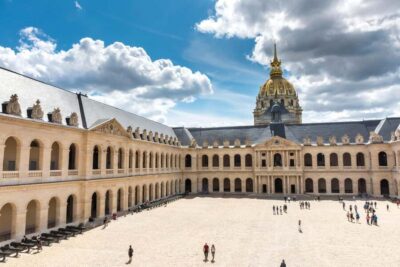
Les Invalides: Napoleon’s Tomb & Army Museum Entry
Read our review →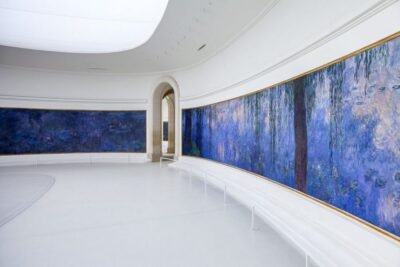
Musée de l’Orangerie Reserved Entrance Ticket
Read our review →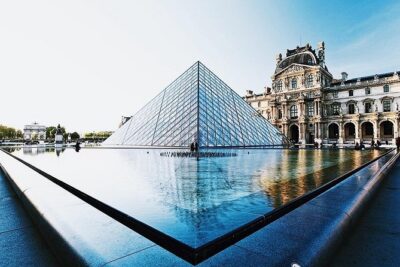
Louvre Museum – Exclusive Guided Tour (Entry Included)
Read our review →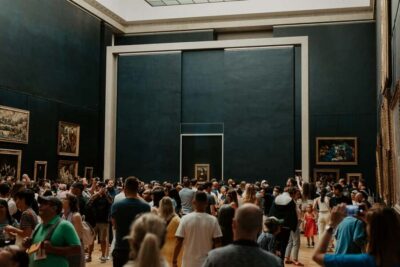
Louvre Museum Hosted Entry and Mona Lisa Audioguide
Read our review →
This tour also appears in