
Reviewed · MUSEUMS
Lyon: Musée de l’illusion Entrance Ticket
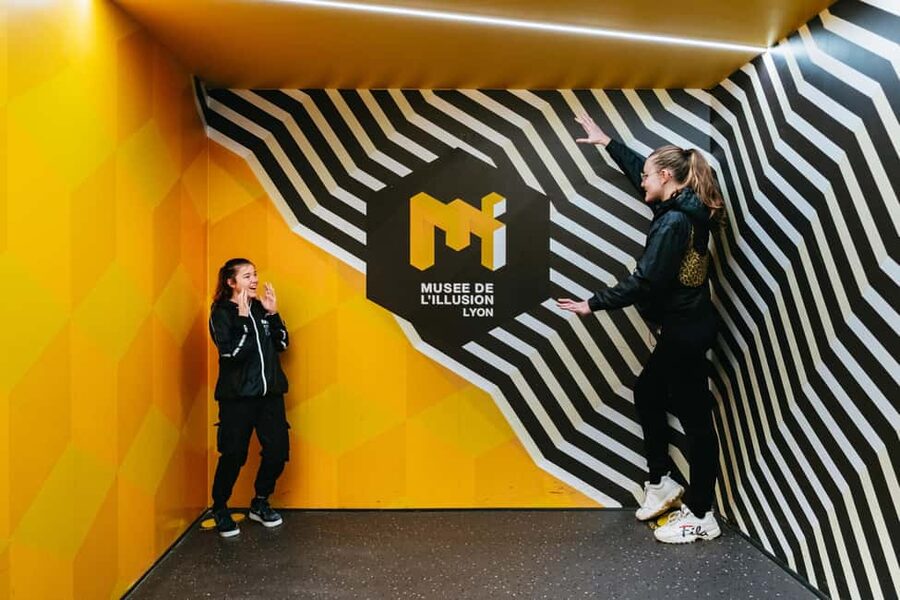
Your eyes will argue with your brain. At Lyon’s Museum of Illusions, you move through rooms packed with optical tricks where photo-ready moments and simple science behind perception are the whole point.
I especially like how it is designed for action, not just watching. You get to try the illusions, then figure out why your brain gets it wrong, which makes the experience feel surprisingly educational for something that looks like pure fun. One note: the visit can feel short, and if the museum is busy, crowd flow can get a bit tight and pushy.
In This Review
- Key takeaways before you go
- Museum of Illusions in Lyon: what you do in 1 hour
- Price, entry time, and why crowds can change everything
- Your first rooms: optical illusions made for close-up looking
- Holograms, puzzles, and the hands-on part that makes it click
- The science behind illusions: learning what your brain is doing
- Photo strategy: how to get Instagram-worthy shots without losing the best rooms
- What to plan for: tickets, no food, and a smooth visit mindset
- Is it worth $22? A value check for different travelers
- Who should book the Museum of Illusions in Lyon
- Should you book? My quick decision guide
- FAQ
- How long is the Museum of Illusions in Lyon?
- How much does the entrance ticket cost?
- What is included in the ticket?
- Are food and drinks included?
- What should I bring?
- Is the museum wheelchair accessible?
- Can I cancel my booking?
- Are there restrictions on what I can bring in?
Key takeaways before you go
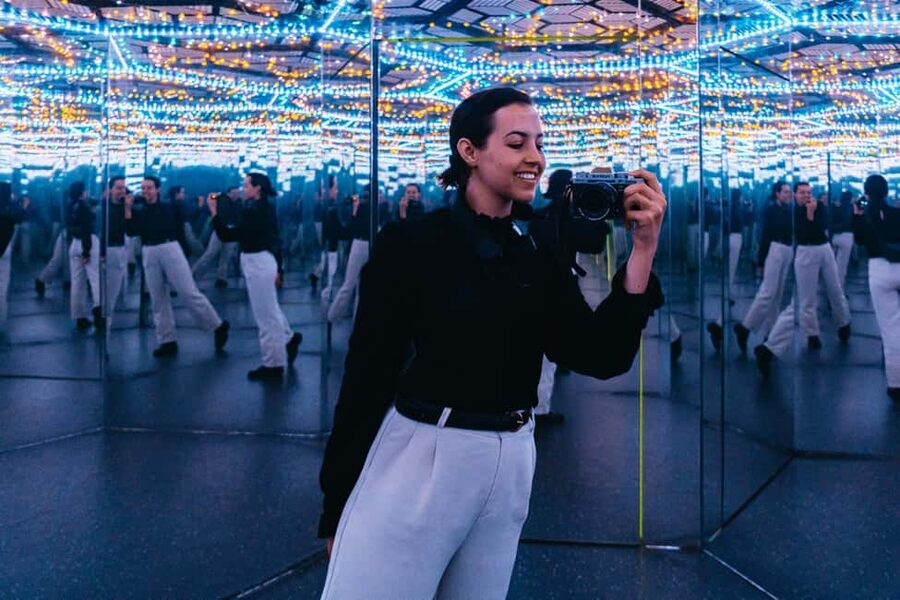
- Instagram-ready illusion setups: floating, upside-down, and size-changing photo moments.
- You learn why it happens: the exhibits explain the science of perception as you go.
- Lots to do in a short window: plan for about an hour total.
- Families usually have an easy time here: hands-on style works for kids and adults.
- Crowds can affect your pace: busy periods can mean waiting and rushing through some rooms.
- Bring your camera and charged phone: you will want proof.
Museum of Illusions in Lyon: what you do in 1 hour
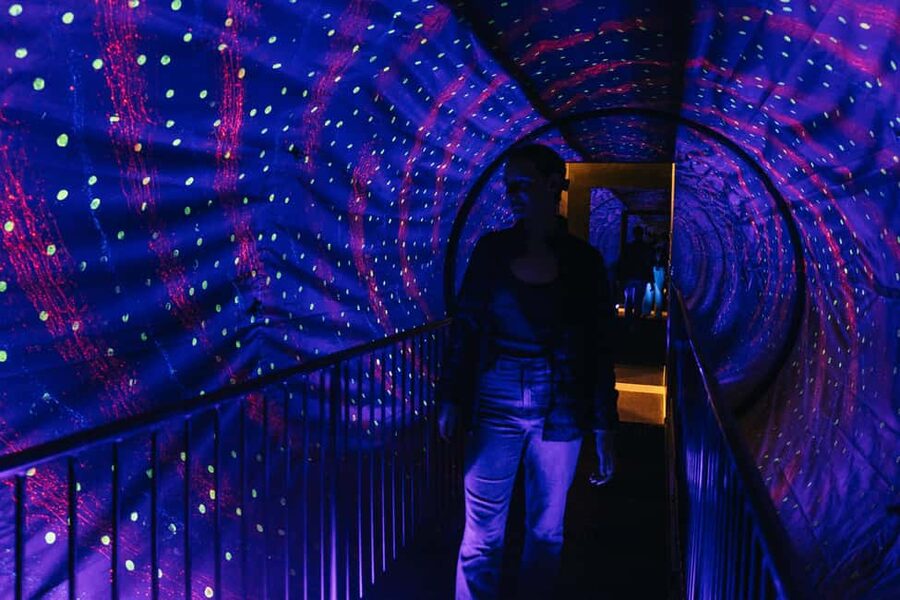
A Museum of Illusions is not about quiet galleries and reading plaques. Here, it is about walking up to interactive optical scenes and letting your body and eyes do the experiments. The format is fast, visual, and built for repetition, meaning you can try an illusion more than once if you want a better angle.
With a stated duration of 1 hour, you should treat this as a compact, high-impact stop. You are not getting a slow, full-day museum experience. Instead, you will likely enjoy it most if you show up ready to move, look closely, and take photos as you go.
The overall vibe is light and playful, but the best part is that it does not leave you at wow. It keeps nudging you toward the underlying ideas about how you see depth, size, direction, and motion. That is what turns it from a photo booth into something that sticks in your brain after the visit.
Price, entry time, and why crowds can change everything
At $22 per person, this ticket sits in the mid-range category for paid attractions in Lyon. The value depends on your expectations. If you want a 60-minute, high-visual experience with hands-on bits and photo opportunities, it can feel fair. If you expect a long, calm museum session, you might feel like you paid a bit too much for time.
Here is the practical issue: the museum can run busy, and when it does, the experience becomes a matter of timing and traffic control. People move room to room, and some spaces can turn into bottlenecks. In particular, you may find yourself delayed at the start if you arrive when entry lines are forming, and you may have less freedom to linger.
My advice: aim for a time slot that is not right at peak lunch or evening. If you are traveling with kids, or you dislike waiting, choose a time that gives you a little buffer in your schedule. Even if your ticket gives you a precise entry start, crowds can still shift the real flow once you arrive.
If you are planning the rest of your day, keep this in mind. Build in some breathing room after your museum visit, so you are not trying to catch a tight connection right when you might be shepherded along toward the exits.
More French collections worth the coat check:
- Lyon: Musée des Confluences Entrance Ticket
★ 4.5 · 374 reviews - Paris: Orsay Museum Entry Ticket
★ 4.7 · 25,647 reviews - Louvre Museum Masterpieces Guided Tour with Access
★ 4.5 · 12,023 reviews
Your first rooms: optical illusions made for close-up looking
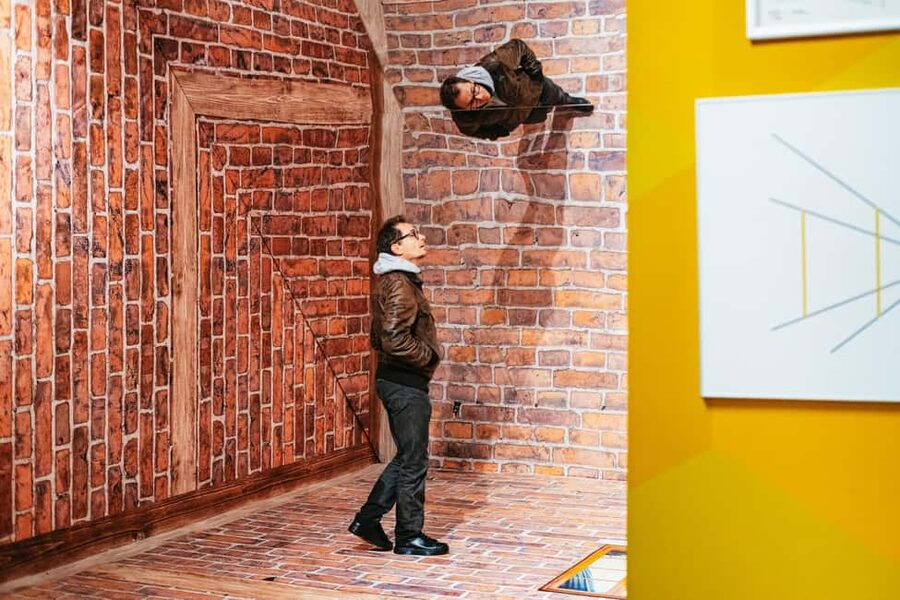
The museum experience starts with the kind of visual setup that makes you immediately rethink what you see. Expect sensory illusion scenes where lighting, perspective, and patterns trick your brain. These are the rooms where you will want to take a test photo first, then adjust, because a small shift in position often changes the result.
Based on what the exhibits highlight, you should look out for scenes that let you appear to be:
- Floating mid-air, where your pose and the room setup sell the effect.
- Standing upside down, which is a guaranteed head-tilt moment for the camera.
- Shrinking in size, where forced perspective makes you look like you changed scale.
These are not just visual gags. They are also mini lessons in perception. When you pose for the illusion, you start to notice the difference between what your eyes detect and what your brain decides. That gap is the magic, and the museum keeps feeding it to you in different forms.
Tip: come in with a simple photo plan. Pick one or two poses you really want, then move quickly to the next room. If you try to perfect every shot, the one-hour rhythm can feel tighter than you expected.
Holograms, puzzles, and the hands-on part that makes it click
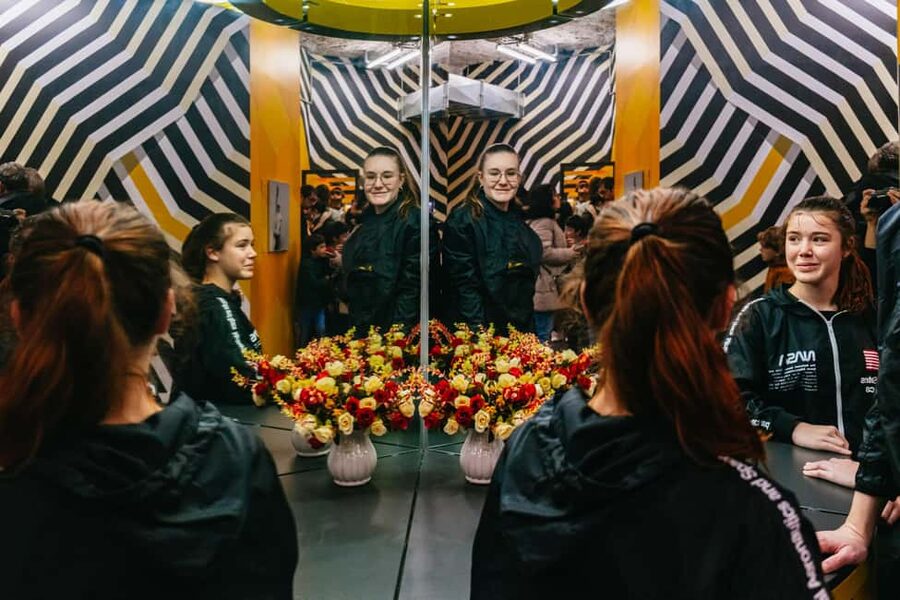
Along with the big photo illusions, you will run into exhibits that feel more interactive and brainy. The museum leans into puzzles and visual challenges, plus display styles like holograms that play with how shapes and motion read to your eyes.
This is where the experience becomes more than just picture-taking. When you solve a puzzle or test how an illusion changes under different angles, you stop being a passive viewer. You become part of the experiment.
Why this matters: adults often think optical illusions are mostly trick photography. But hands-on puzzles make it clear that the museum is teaching a concept, not only selling a spectacle. Kids usually get it right away because they are naturally curious and willing to try. Adults catch up once they realize they can influence the outcome by changing how they stand or look.
If you want the most satisfying version of the museum, do not rush straight to photos only. Pause long enough to figure out what rule the exhibit is using. Then try again. It only takes a minute, but it changes your experience from wow to understanding.
The science behind illusions: learning what your brain is doing
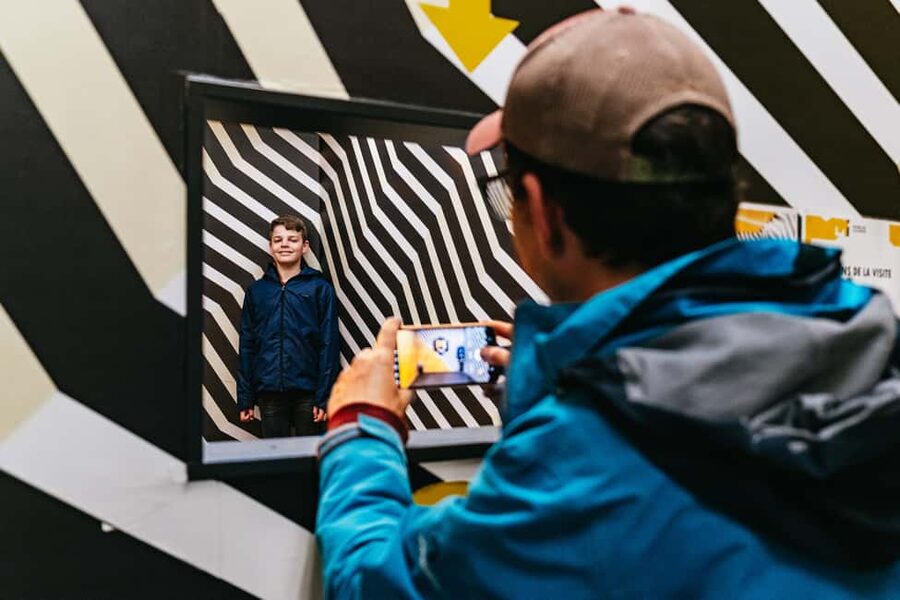
The museum’s strongest differentiator is that it frames the illusions with explanations about how perception works. You explore rooms with mysteries, and you get ideas about the psychology and physics behind what you are seeing.
You can expect explanations that connect the dots between:
- Your line of sight and depth cues
- How your brain estimates size and distance
- Why patterns and movement can create false impressions
You do not need a science background. The museum’s style is about making the information feel accessible while you are still seeing the trick in front of you. That timing helps. When the explanation matches the moment, you remember it.
This is also the part that tends to make the visit feel worth it even for people who do not care about selfies. If you are the type who likes figuring out how things work, you will have a good time. You are basically doing short, fun experiments.
More Things to Do in Lyon


Photo strategy: how to get Instagram-worthy shots without losing the best rooms
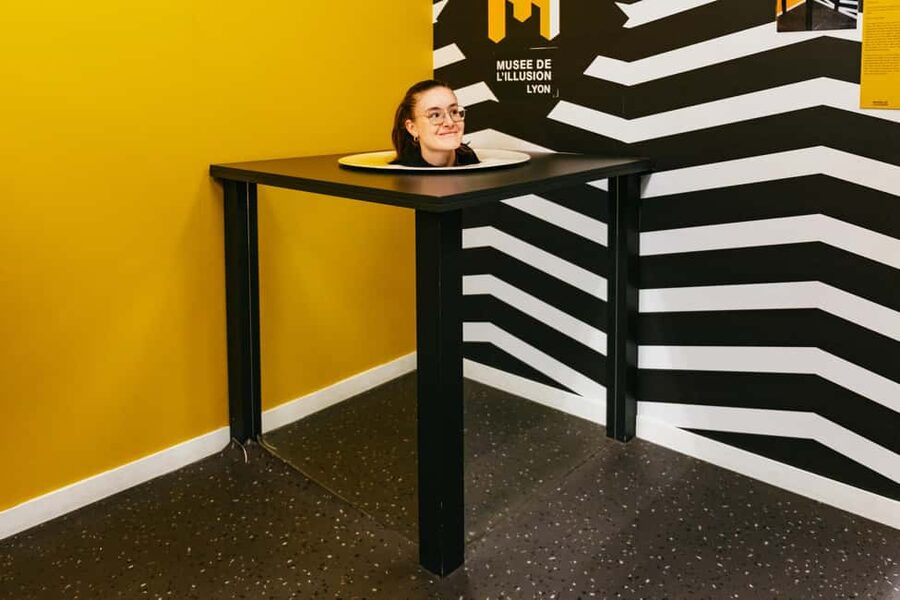
Let’s be honest, this museum is built for pictures. But you can get better shots and enjoy the rooms more if you play it smart.
Do this:
- Bring a charged smartphone and a camera option. If your phone battery dies mid-visit, the whole plan collapses fast.
- Treat your first photo session as a warm-up. Snap a quick set, then refine your stance for the effect.
- After you find a good illusion pose, move on. Going room to room keeps you from spending 15 minutes in one spot while other rooms fill up.
Also, watch for the tempo of the crowd. When it is busy, people tend to stop, then forget they are blocking others. If you feel the room is getting crowded around your setup, shift to a new angle or step slightly aside, then try again. That small adjustment can save your shot and your patience.
Finally, keep your expectations realistic. A one-hour visit means you might not see everything equally. If you are chasing a specific type of photo illusion, focus on that, then let the rest of the rooms surprise you.
What to plan for: tickets, no food, and a smooth visit mindset
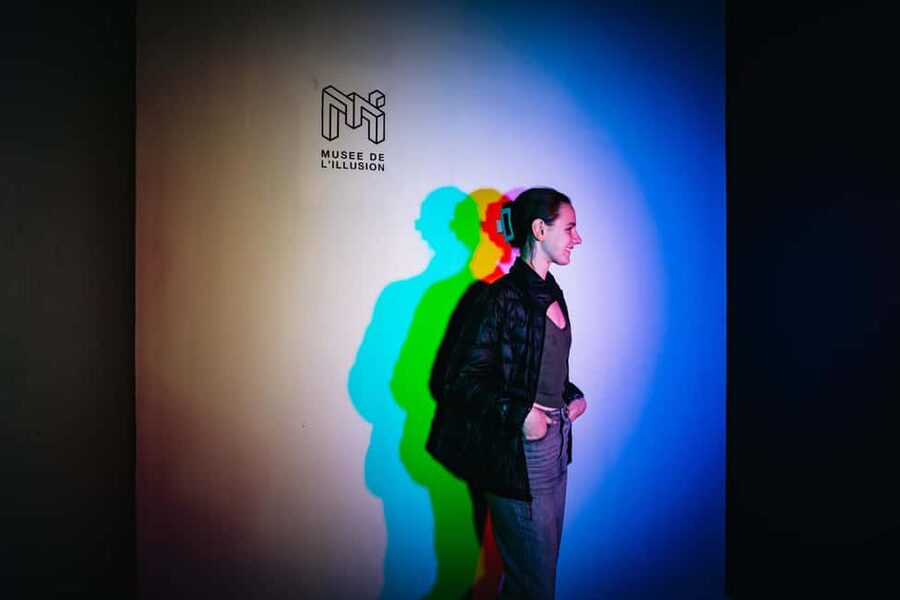
This experience includes your entrance ticket only. Food and drinks are not included, and you are not allowed to bring food, alcohol, or drugs into the space. So plan to eat before you arrive or after you leave.
Because the museum is interactive and visual, you will be standing and moving. Wear comfortable shoes. Even if you are not doing a big workout, you are going to be in motion, and you do not want tired feet ruining the photo fun.
The visit is also wheelchair accessible, which matters if you are traveling with mobility needs. If you or someone in your group uses a wheelchair, it is still worth checking the flow of rooms once you arrive, since any interactive space can have turning points and tight spots depending on traffic.
If you want a smoother experience, bring a few simple rules of thumb:
- Keep your phone secure and ready.
- Have your camera settings set before you crowd the illusion setup.
- Use your time like a game: look, try, photo, move.
Is it worth $22? A value check for different travelers

I think the Museum of Illusions is best when you match the format. Here is how to decide if it is a good value for you.
You will likely love it if:
- You enjoy visual surprises and want to test your perception.
- You want a family-friendly activity that does not require tickets for multiple timed sessions.
- You care about learning a little science without sitting in a classroom.
It might disappoint you if:
- You expected a long museum stay. With about an hour to explore, it can feel brief.
- You dislike crowds. Busy times can mean waiting and feeling rushed through some areas.
For families, the main value question is cost versus attention span. If you have kids who burn energy quickly, the short format can be a win. If your group prefers slow pacing, you might feel the price harder.
For couples or solo travelers, it is a fun, low-stress way to spend an hour in Lyon without committing to a full afternoon. For groups of friends, it is a strong social activity because everyone can react to the same illusion differently.
Who should book the Museum of Illusions in Lyon
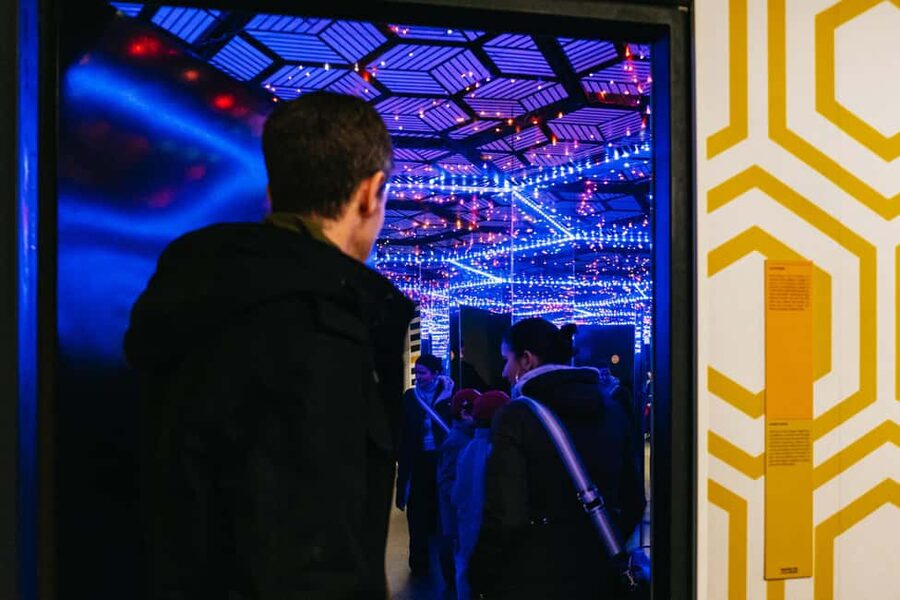
This is a great pick for:
- Families with kids who like hands-on activities
- Anyone who enjoys photography that does not require special gear
- People who want a quick, memorable Lyon stop that still teaches something
Skip it or at least think twice if:
- You are the type who hates crowds and getting pushed along in tight spaces
- You want a deep, multi-hour museum experience rather than a fast interactive hit
Should you book? My quick decision guide
I would book this if you want an hour of playful optical experiments, especially if you like taking pictures and you enjoy the science angle. It is one of those rare attractions where the fun and the explanation both matter.
I would hesitate if you are sensitive to crowds or if you are expecting a long museum outing. If you can choose a quieter time, plan your pace, and come with your camera charged, you will get the best version of it.
FAQ
How long is the Museum of Illusions in Lyon?
The experience duration is listed as 1 hour.
How much does the entrance ticket cost?
The ticket price is $22 per person.
What is included in the ticket?
The ticket includes entrance to the Museum of Illusions.
Are food and drinks included?
No. Food and drinks are not included, and food and alcohol are not allowed inside.
What should I bring?
Bring a camera and a charged smartphone.
Is the museum wheelchair accessible?
Yes, the experience is wheelchair accessible.
Can I cancel my booking?
Yes, free cancellation is available up to 24 hours in advance for a full refund.
Are there restrictions on what I can bring in?
Food, alcohol, and drugs are not allowed.
Latest Lyon entries, notes attached







Museums, compared.

Louvre Museum Masterpieces Guided Tour with Access
Read our review →
Louvre Museum Entry Ticket With Host and River Cruise
Read our review →
Les Invalides: Napoleon’s Tomb & Army Museum Entry
Read our review →
Musée de l’Orangerie Reserved Entrance Ticket
Read our review →
Louvre Museum – Exclusive Guided Tour (Entry Included)
Read our review →
Louvre Museum Hosted Entry and Mona Lisa Audioguide
Read our review →
This tour also appears in