
Reviewed · PRIVATE TOURS IN LYON
Lyon: Private Traboules Tour – Hidden Passages
Want Lyon’s secret shortcuts? In 2 hours, you’ll slip through traboules, the city’s hidden passageways, while a licensed guide ties them to the Canuts silk workers and the French Resistance.
I love that this is truly private, with no one else added to your booking. I also love the way the guide turns cramped corridors and stairwells into clear stories you can picture, including the architecture and the practical reasons Lyon built these shortcuts.
One possible drawback is physical comfort: this route includes lots of steps and it is not suitable for people with mobility impairments or wheelchair users.
In This Review
- Key reasons this Lyon traboules tour is worth it
- What Lyon’s traboules are, and why this tour feels different
- Where you start, how the 2-hour route flows
- Croix Rousse: starting with Jacquard, then following the Canuts story
- Presqu’île: the shorter cuts through the city center
- Vieux Lyon: medieval passageways and World War II survival routes
- Private, licensed guiding: what you get for your money
- Price and value: why $129 can make sense here
- Comfort reality check: stairs, heat, and pacing
- Best timing: quieter streets can make the stories land
- Who this tour fits best (and who should skip it)
- Should you book the private traboules tour?
- FAQ
- How long is the Lyon private traboules tour?
- What areas of Lyon will we walk through?
- Is this tour truly private with no other participants?
- Who leads the tour?
- What languages are available?
- Where do we meet the guide?
- Where is the tour end point?
- Are there any tickets to deal with?
- Is the tour accessible for wheelchair users or mobility impairments?
- What is included in the price?
Key reasons this Lyon traboules tour is worth it
- 100% private time with a licensed local guide, with your group only
- Selected traboules normally closed to the general public
- A route that connects Croix Rousse, Presqu’île, and Vieux Lyon in one efficient walk
- Stories that connect everyday life to big events, from Canuts to World War II
- A guide who can adjust pacing and stairs, including pro planning for heat and steep sections
- Multi-language guide support in French, English, and Spanish
What Lyon’s traboules are, and why this tour feels different
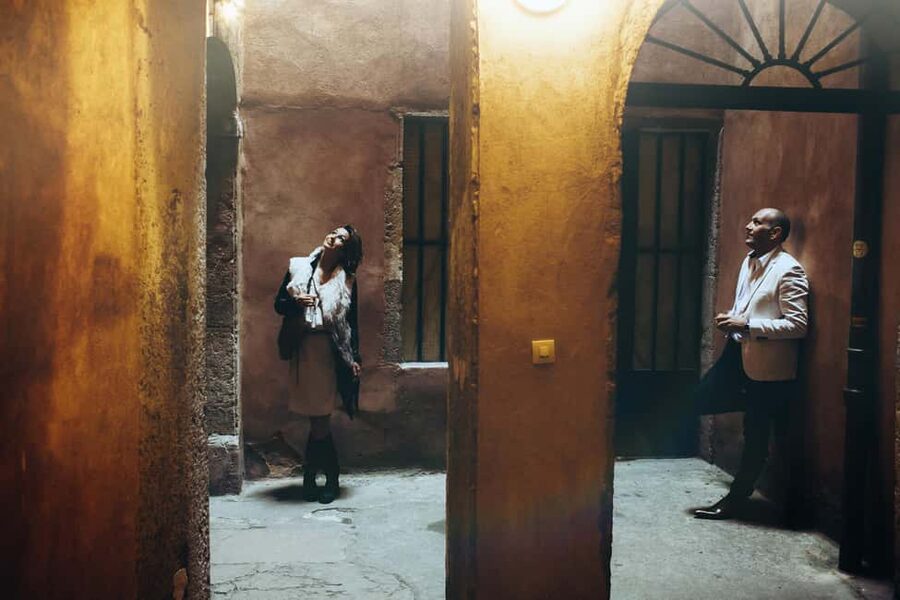
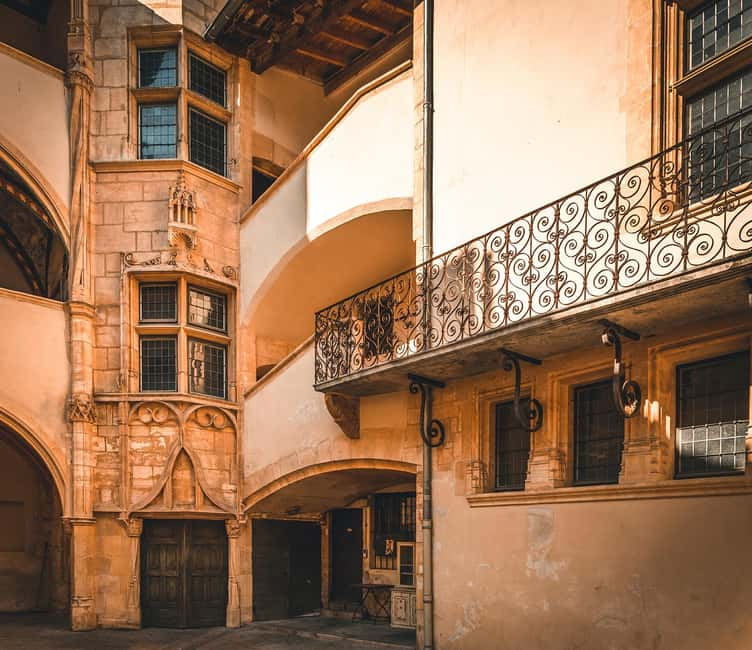
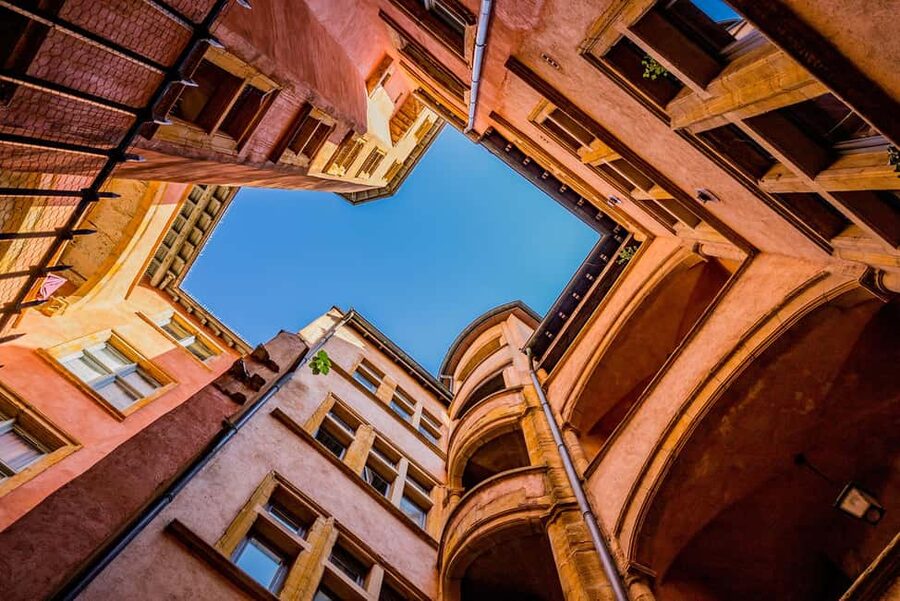
Lyon has an unusual superpower: buildings that also act like streets. Traboules are covered passageways that run through courtyards and between structures, letting people cut travel time without stepping outside. The result is a city you can read at walking speed, even when you are not looking for it.
The best part of a good traboules tour is not just finding the doors. It is understanding why the routes exist and what they meant to the people who used them. This private tour focuses on that practical context, linking the passages to the silk economy and to wartime survival.
You are also not getting a generic narration. One name that comes up repeatedly is Didac, praised for humor and a strong mix of facts and story sense. If you end up with him, you’ll likely get the kind of guiding that makes you ask, wait, how did they manage that back then?
Where you start, how the 2-hour route flows
You’ll meet at Place Croix Rousse, in front of the Monument of Jacquard. The easiest transit option listed is metro C, stop Croix Rousse. From there, the tour moves neighborhood by neighborhood, ending in Vieux Lyon, which is convenient if you want to keep exploring on foot right after.
The walk is arranged into three guided blocks: Croix Rousse (45 minutes), then Presqu’île (30 minutes), and finally Vieux Lyon (1 hour). That timing matters because traboules can feel similar if you rush. Here, you get enough time in each area to notice the differences in architecture and local themes.
Also, this is not a “stand in one spot and point” experience. You will be moving through corridors and climbing in and out of passageways, so comfortable shoes and a realistic pace are your friends.
More Private Tours in Lyon
- Lyon: Private Walking Tour of “Traboules” in the Old Town
★ 5.0 · 866 reviews - Lyon: Private Pedicab Tour of Top Landmarks & Hidden Gems
★ 4.9 · 168 reviews - Lyon Big Traboules in Little City Stories from the Past Private Guided Tour
★ 5.0 · 144 reviews
Croix Rousse: starting with Jacquard, then following the Canuts story
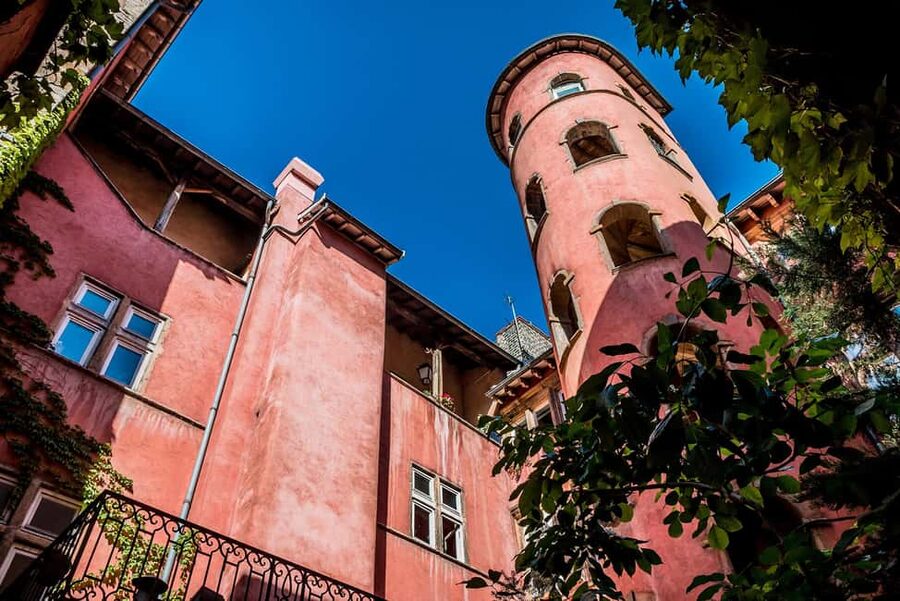
Croix Rousse is where the silk story clicks into place. You start right by the Monument of Jacquard, a quick hint that this area was tied to textile innovation and the way labor shaped Lyon. From there, the tour focuses on the traboules that connected workshops, homes, and daily routes.
What I like about beginning here is that it sets the theme early. Canuts, Lyon’s silk workers, were not just making fabric. They were part of an industrial shift that changed how textiles were produced and organized. The guide ties these labor realities to the built environment, so you can see why passageways mattered for moving people, materials, and time.
In places where staircases and narrow turns show up, pay attention to the “why.” The paths were often shortcuts through building interiors. That means you get a sense of how a neighborhood functioned as a system, not just as a collection of pretty streets.
Presqu’île: the shorter cuts through the city center
After Croix Rousse, the tour moves into Presqu’île, where you get a more central view of Lyon. The guided portion here is 30 minutes, so the pace tends to feel tighter and more focused. This is the portion that helps you connect the dots between hills and riverfront life, even if you only have a couple of hours.
Presqu’île is where you start to see how traboules stitch together urban movement. Instead of treating the passageways like separate curiosities, this stop shows them as part of how people navigated the city day to day. You are looking at architecture, but you’re also learning what people were trying to solve: speed, shelter, and getting through busy or crowded areas without losing momentum.
One practical tip I’d give you: when the guide points out an entrance or courtyard, watch the surrounding building lines. Traboules are easiest to recognize once you start spotting patterns, and the guide will show you what to look for as you move.
Vieux Lyon: medieval passageways and World War II survival routes
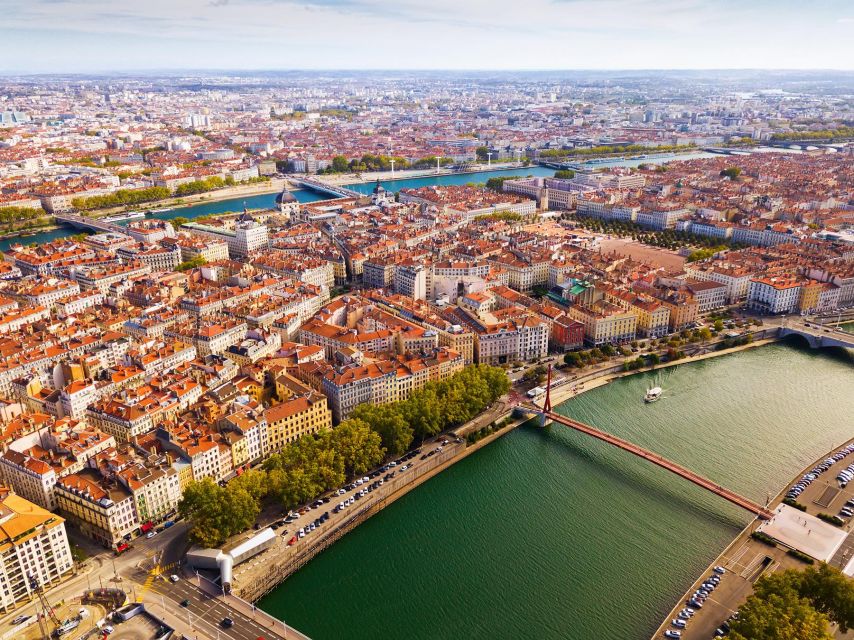
The finale is Vieux Lyon, with the longest guided block at 1 hour. This is where traboules feel most atmospheric because the area includes older streets and passageways that help you imagine how Lyon worked before modern systems took over.
Here, the tour’s theme shifts from industry to survival. You’ll hear about the places where French Resistance fighters of World War II lived, using the passageways as part of hiding and movement through the city. That is a sobering angle, but it stays practical, because it is tied to the built pathways people could rely on.
If you only learn one thing, make it this: traboules are not just historical trivia. They are routes built into daily architecture, and that meant they could matter in calm times and dangerous ones.
Also, this portion can mean more stairs and turning corners. If you are sensitive to steps, plan to go slow early and let the guide set the rhythm. The good news is that the tour style is private, so you can move at a pace that keeps you comfortable.
More Things to Do in Lyon

Private, licensed guiding: what you get for your money
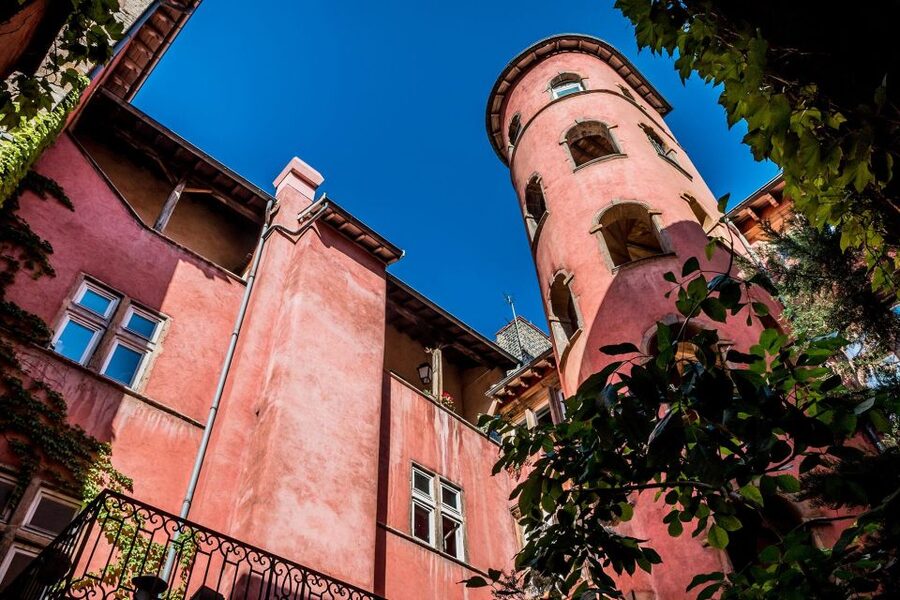
This is a fully reserved private tour. In plain terms, you will not share the group with strangers, and no one gets added to your booking. That matters more than it sounds, because traboules require attention. You can miss an entrance if you are distracted, and you can feel rushed if you are in a big group.
You also get a licensed local guide. That licensing is your signal that you are getting a professional interpretation of Lyon’s architecture and historical context, not just a casual walk. Language options are French, English, and Spanish, which is great if you are traveling with someone who wants a shared experience without translating in your head.
Skipping the ticket line is listed, which can help if you are visiting during peak hours. Still, this is a walking tour, so your real “line” is your own pace. The guide’s job is to keep you oriented and informed while you go in and out of passageways.
Price and value: why $129 can make sense here
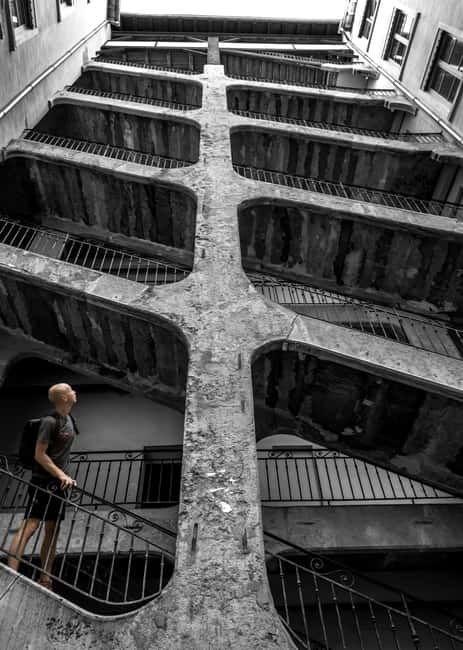
At $129 per person for a 2-hour private tour, it’s not the cheapest way to see Lyon. But you are paying for a mix that regular group tours often skip: truly private time, a licensed guide, and access to selected traboules normally closed to the public.
That access changes the feeling of the tour. Publicly open areas are great, but they can also become repeatable and predictable. When you include normally closed routes, you are more likely to feel that you saw something you could not easily find on your own, even if you were reading maps and guidebooks.
The value also depends on your travel style. If you like architecture, local labor history, and stories that explain how people lived, this tour is efficient. If you just want photos from streets and squares, you might find it too step-heavy for what you get.
Comfort reality check: stairs, heat, and pacing
Let’s be honest: a traboules tour is step-based. The route includes passageways that can involve steep stairs, narrow areas, and repeated changes in level. The tour is listed as not suitable for mobility impairments and wheelchair users, so take that seriously.
One useful thing from past experiences is that some guides adjust the plan for conditions. For example, one guide reportedly changed the sequence in extreme heat, handling the steepest stairs earlier so the rest of the walking could feel more manageable. That kind of small adjustment is a big deal when you are on a tight time window.
My practical advice is simple:
- Wear shoes you trust on stairs.
- Bring water, especially if you are traveling in warmer months.
- If you feel breathless, slow down at the first steep section. It is easier to regulate early than after you are committed.
Best timing: quieter streets can make the stories land
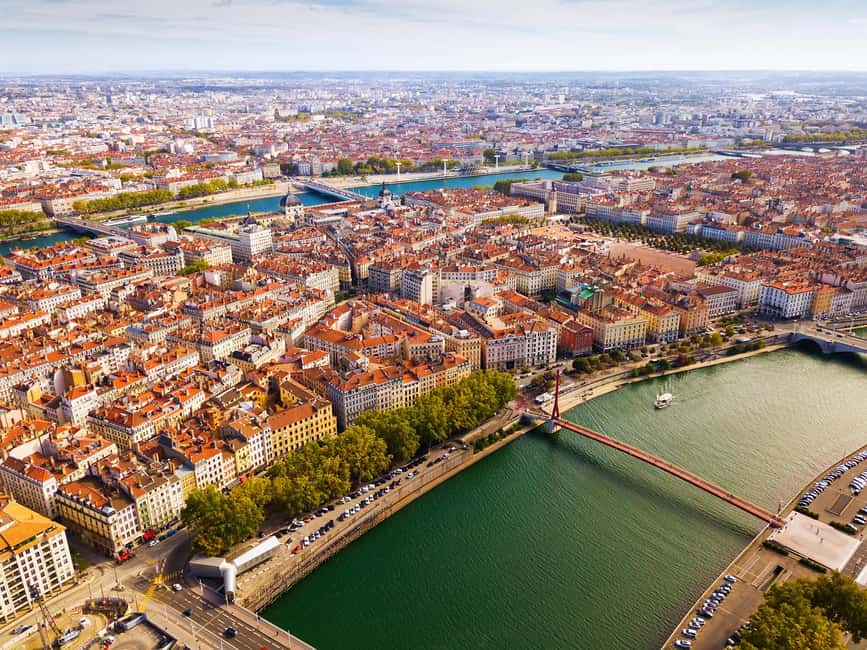
Timing can change how traboules feel. In past experiences shared with this tour style, early timing has been described as particularly nice because the streets felt quieter, like you had parts of the old city to yourselves.
So if you can choose start times, consider going earlier rather than later. You’ll often get two benefits at once: fewer crowds around entrances and better photo chances in narrow spaces. And since the guide is threading history through specific corners and structures, a calmer setting helps you focus on the details.
Who this tour fits best (and who should skip it)
This is a strong match if you:
- Want private guiding that answers questions as you go
- Care about how everyday city design connects to bigger stories, like the Canuts and WWII Resistance
- Prefer walking tours where architecture and history are linked, not treated as separate topics
- Like the idea of seeing traboules that are not always accessible
It’s less ideal if you:
- Have mobility concerns, because the tour is not suitable for wheelchair users
- Want a low effort, mostly level route
- Are traveling with limited stamina for repeated stairs and turning corridors
Should you book the private traboules tour?
If you like context, this is one of the better ways to spend two hours in Lyon. You get the city’s most distinctive feature, the traboules, plus clear human stories tied to silk workers and the Resistance. The private setup also means you can ask questions, get pacing that fits your group, and focus without rushing for the next group photo.
Book it if you value access to normally closed passages and you want a guide who can explain why these hidden routes mattered. Think twice if stairs are a problem for you or if you prefer open-air sightseeing over interior corridors.
My final take: for $129, you are buying time, access, and a guide who can translate Lyon’s architecture into lived history. That combination is exactly what makes a short trip feel fuller.
FAQ
How long is the Lyon private traboules tour?
It lasts 2 hours.
What areas of Lyon will we walk through?
You’ll walk through traboules in Croix Rousse, Presqu’île, and Vieux Lyon.
Is this tour truly private with no other participants?
Yes. It is fully private with your group only, and no other participants are added.
Who leads the tour?
A licensed professional local guide leads the walking tour.
What languages are available?
The guide offers tours in French, English, and Spanish.
Where do we meet the guide?
Meet in front of the Monument of Jacquard on the middle of Place Croix Rousse.
Where is the tour end point?
The tour finishes in Vieux Lyon.
Are there any tickets to deal with?
The experience includes skipping the ticket line.
Is the tour accessible for wheelchair users or mobility impairments?
No. It is not suitable for people with mobility impairments or wheelchair users.
What is included in the price?
Included are the guided private walking tour, the licensed local guide, historical insights about Lyon, the Canuts silk workers, and the French Resistance, plus access to selected traboules normally closed to the general public.
Latest Lyon entries, notes attached







Private Tours in Lyon, compared.
Private Walking Tour of “Traboules” in the Old Town
Read our review →
Private Pedicab Tour of Top Landmarks & Hidden Gems
Read our review →
Lyon Big Traboules in Little City Stories from the Past Private Guided Tour
Read our review →



Lyon Old Town Private Food Tour with 6 French Delicacies & Wines
Read our review →Full Day Private Tour of Beaujolais by vintage Land Rover
Read our review →This tour also appears in