
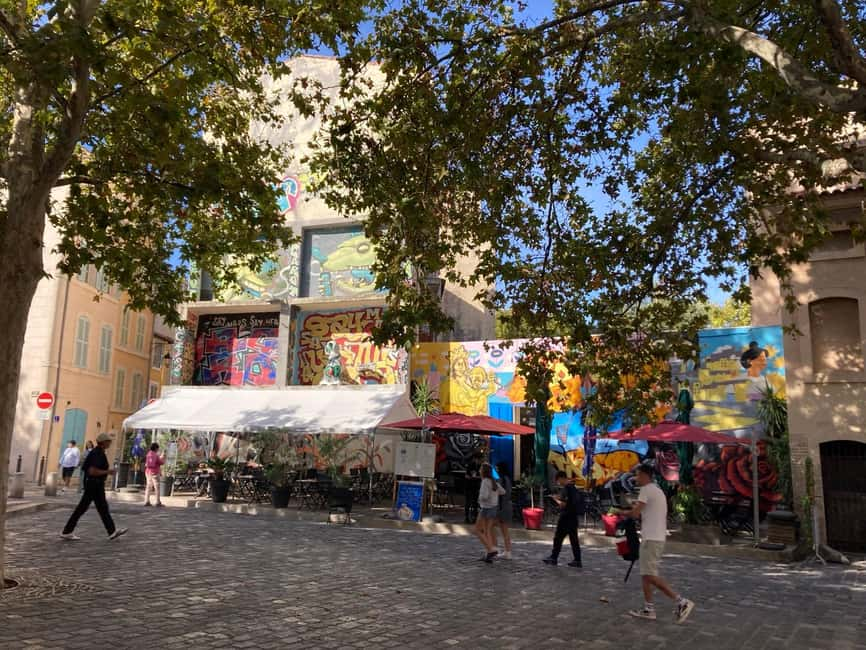
Reviewed · WALKING TOURS
Marseille: Walking Tour with Local Guide
Marseille rewards slow looking. I like this tour because Philip, in his blue hat, turns the first minute at Cathédrale de la Major into real context, not just postcard facts. I also love that the pace is unforced, so you can actually ask questions as you walk.
The second thing I really like is the routing through Le Panier and Noailles, where the guide connects street corners, architecture, and food culture into one story you can remember. The only drawback to think about is that it is a mostly outdoor walking format, so you will want comfortable shoes and to plan for Marseille weather.
In This Review
- Key highlights you will feel on the ground
- Starting at Cathédrale de la Major: architecture first, not scenery
- Le Panier: narrow lanes, murals, and the stories behind the turns
- The quick pause that keeps you oriented
- Noailles: spice shops, immigration stories, and food you can smell
- Cours Julien: end in street art and café life
- Price and value: $35 for a focused 2-hour walk
- Pace, group size, and why Philip’s style matters
- Practical planning: what to wear and what to bring
- Who this Marseille tour suits best
- Should you book this tour?
- FAQ
- Where does the tour start?
- How do I recognize the guide?
- How long is the walking tour?
- How much does it cost?
- What neighborhoods and landmarks are included?
- What languages is the guide available in?
- Is it a small group?
- Are meals included in the price?
- Is transportation included?
- What should I bring?
Key highlights you will feel on the ground
- Cathédrale de la Major explained with Romanesque and Byzantine architecture in mind
- Le Panier’s narrow lanes plus murals and lived-in details you might skip on your own
- Noailles market energy with aromatic spice shops and a multicultural food scene
- Cours Julien street life with colorful street art, cafes, and vintage browsing
- Small group of up to 10 for questions and a relaxed pace
- Philip’s guide style that sounds like conversation, not a script
Starting at Cathédrale de la Major: architecture first, not scenery
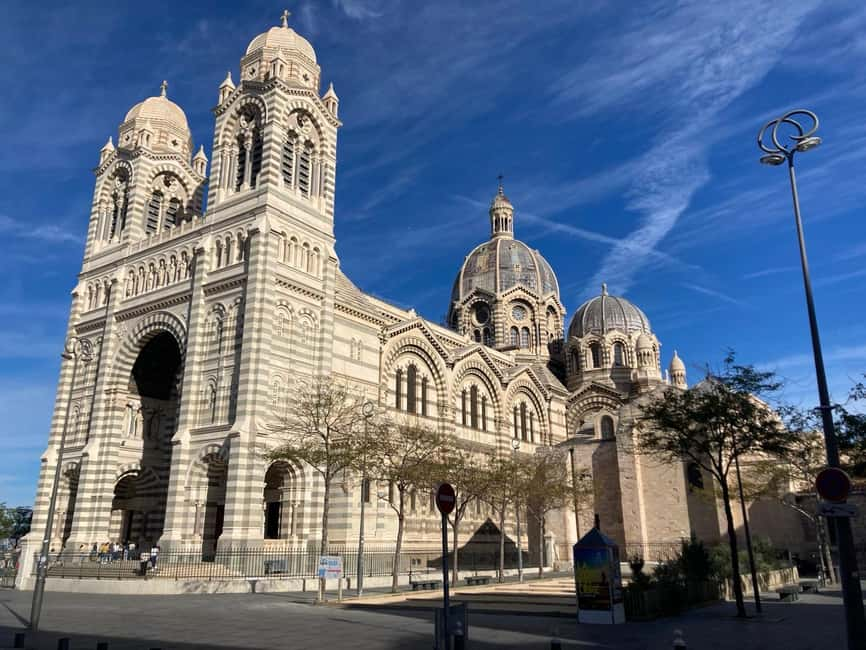
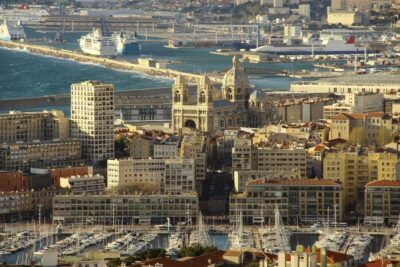
You meet at the front of Cathédrale La Major. Easy to find, because your guide Philip wears a blue hat. I like that the tour begins with a fixed point that makes everything after it easier to understand. When you start by looking closely at the cathedral, Marseille stops feeling like random neighborhoods pasted together.
What you should pay attention to right away is the building’s mix of Romanesque and Byzantine ideas. That architectural blend is a clue to Marseille’s bigger story, including the city’s spiritual traditions and its colonial past, which the guide weaves into the walk. Even if you do not know anything about architecture, you will get a mental picture fast: form, influence, and why this place matters to locals.
Practical tip: bring your camera, because early photo moments are part of how the tour flows. Also, the cathedral area gives you a good chance to reset your bearings before you head into the older streets.
Le Panier: narrow lanes, murals, and the stories behind the turns
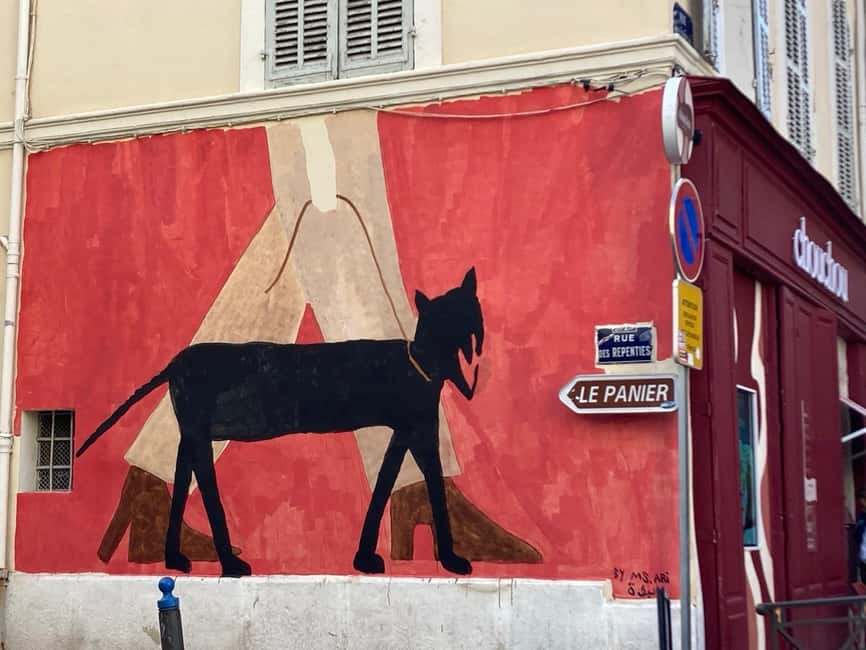
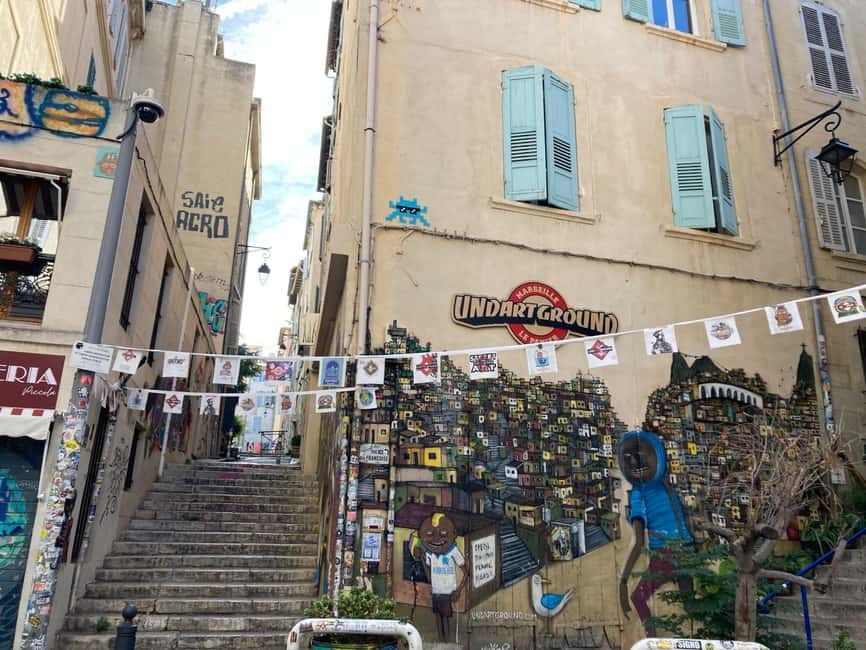
From the cathedral, you walk into Le Panier, Marseille’s oldest district. This is where the tour becomes more about rhythm than landmarks. The lanes are tight, the turns are frequent, and walls are covered with murals, so you naturally slow down. I love that the guide keeps pointing out the little things that make a neighborhood feel alive, not staged.
Le Panier is also where you hear the kind of local explanations that do not show up on a quick self-guided route. Expect stories that connect origin myths, resilience through industrial change, and the impact of the World Wars. The point is not memorizing dates. The point is understanding why people still build identity into the street.
You also get a structured rhythm here, with guided sightseeing and a photo stop early on. That matters, because it gives you a chance to look around, not just follow along. After enough turns, you start noticing patterns: where murals concentrate, where small shops cluster, and how the street shape affects daily life.
One consideration: because Le Panier streets can feel uneven and steep in spots, comfortable shoes matter. If you are wearing brand-new sneakers, break them in first.
More Walking Tours in Marseille
- Marseille: No-Diet Club Local Food Tasting and Walking Tour
★ 4.8 · 275 reviews - Marseille: Half-Day City Highlights Guided Walking Tour
★ 5.0 · 273 reviews - Marseille: Essential Guided Walking Tour of the City
★ 4.9 · 161 reviews
The quick pause that keeps you oriented
There is a short middle moment in the route that works like a reset. You get another stop designed for looking, photos, and continued guided explanation before you shift toward the market district. I appreciate this kind of pacing. It prevents the tour from turning into a nonstop shuffle where you barely catch what you are seeing.
If you like tours that balance motion with explanation, this timing is a good match. If you hate waiting for the group, keep your eyes open for the next cue from Philip and stay ready to move.
Noailles: spice shops, immigration stories, and food you can smell
Next comes Noailles, a market district with a multicultural energy you can actually feel in your nose as much as your eyes. Aromatic spice shops are a key part of the experience here, and the guide uses that sensory detail to explain how different communities shaped the area over time.
This is where the tour goes beyond “look at shops.” You get a sense of why Marseille developed the way it did, shaped by waves of immigration. The guide points out how that mix shows up in daily life, especially through food.
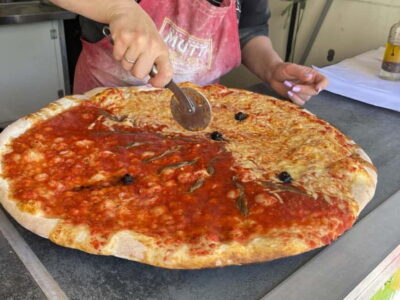
You are also encouraged to notice smaller choices, like family-run eateries serving dishes from around the world. Even if you do not sit down for a meal, you will leave with a clearer instinct for what to look for later. That is valuable, because Marseille is a city where you can either eat confidently or gamble. This part of the tour nudges you toward confidence.
Practical tip: if you plan to buy anything at market shops, keep cash or check what payment methods are accepted, because market areas can be inconsistent. The tour does not include meals, so you can decide later what you want to try.
Cours Julien: end in street art and café life
The tour finishes at Cours Julien, one of those neighborhoods where the atmosphere feels artistic and current. This is a good ending point because you end with options. Street art is a big draw, and you will also see an eclectic mix of cafés, eateries, and vintage shops.
I like ending here because it gives you an immediate way to extend the experience without planning anything complicated. If you want a drink, a snack, or just a slow wander, the area supports it.
Another small plus: Cours Julien is a place where you can keep exploring in whichever direction suits your mood. The guided portion gives you context, then you get to choose your own follow-up. That makes the whole 2 hours feel efficient instead of rushed.
More France at boulevard pace:

Price and value: $35 for a focused 2-hour walk
At $35 per person for a 2-hour guided walk, the value depends on what you want out of Marseille.
Here, you are paying for:
- A guide who walks you through multiple neighborhoods instead of one isolated sight
- Time spent understanding architecture and neighborhood stories, not just taking photos
- A small group format, capped at 10 participants, which helps the conversation stay real
What you are not paying for is the hard stuff, like meals and transportation to the meeting point. That is normal for a walking tour. Just plan accordingly. If you were going to spend an hour solo figuring out where to go next, you will likely feel better paying the fee to compress that learning curve.
If you are tight on time, this is also a strong choice. Two hours is long enough to connect themes across districts, but short enough that you can still add dinner elsewhere.
Pace, group size, and why Philip’s style matters
This tour is small group, limited to 10 people. That is not a marketing detail. It changes the experience. In a large group, you get swept along. In a small group, Philip can answer questions as they come up and keep the walking pace from becoming chaotic.
From the way Philip leads, the storytelling seems grounded in how locals talk. People appreciate that he does not just read facts like a brochure. He explains in a conversational way, and he can handle questions about Marseille. If you like asking why something is there, or what a neighborhood has been through, this format tends to work well.
You will also find the tour runs smoothly across different languages. Philip supports German, English, and Swedish, so you can join even if your French is still warming up.
Practical planning: what to wear and what to bring
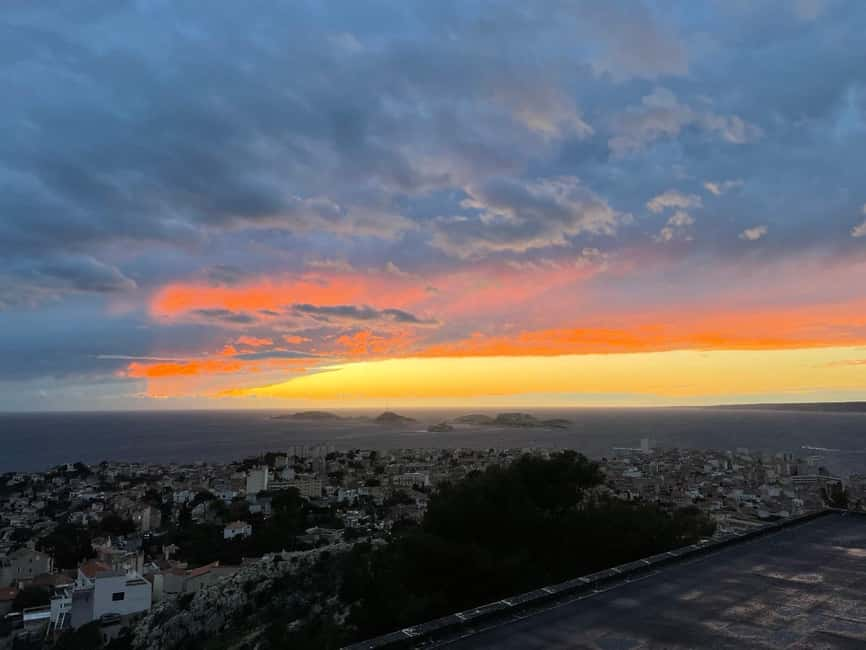
This is a walking tour that happens outdoors. That means the boring details matter.
Bring:
- Comfortable shoes you can walk in for a couple of hours
- A camera for photos, especially around the cathedral and in Le Panier
- A plan for weather, because you will be outside
If you are sensitive to sun or rain, dress accordingly. Marseille can change quickly, and the tour stays on schedule around what you are seeing and how long each section takes.
Also, build in a little mental flexibility. Old neighborhoods with narrow streets mean you will sometimes slow down for foot traffic and for the guide to point things out.
Who this Marseille tour suits best
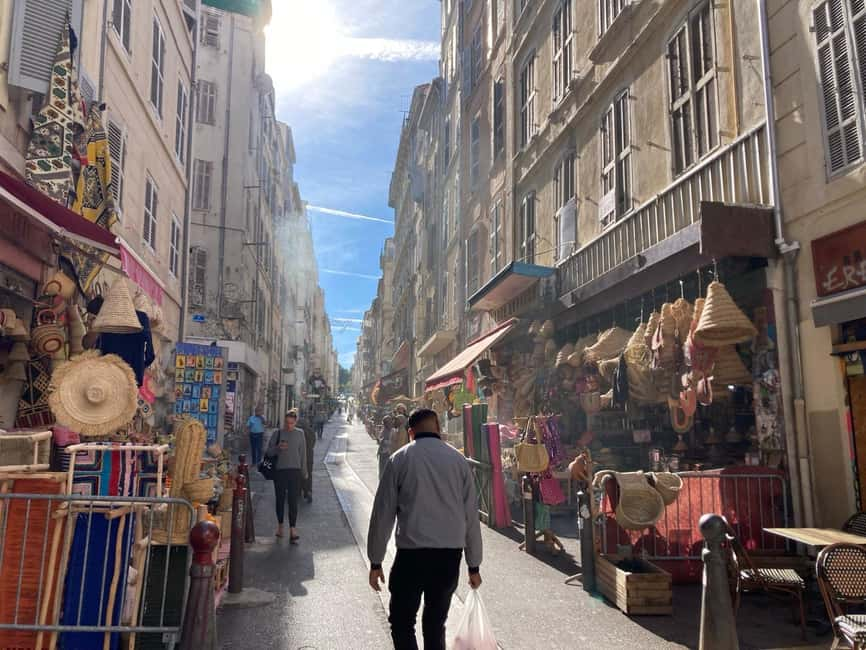
I think this works especially well if you:
- Want a guided introduction to Marseille without renting a car
- Like understanding how neighborhoods connect, not just collecting sights
- Enjoy market areas and everyday street life, including spice shops and local food culture
- Prefer small group conversations over big-group lectures
It might be less ideal if you:
- Hate walking or need long sit-down breaks
- Want lots of museum time or indoor attractions
- Only want one neighborhood deeply, because this tour covers several in 2 hours
Should you book this tour?
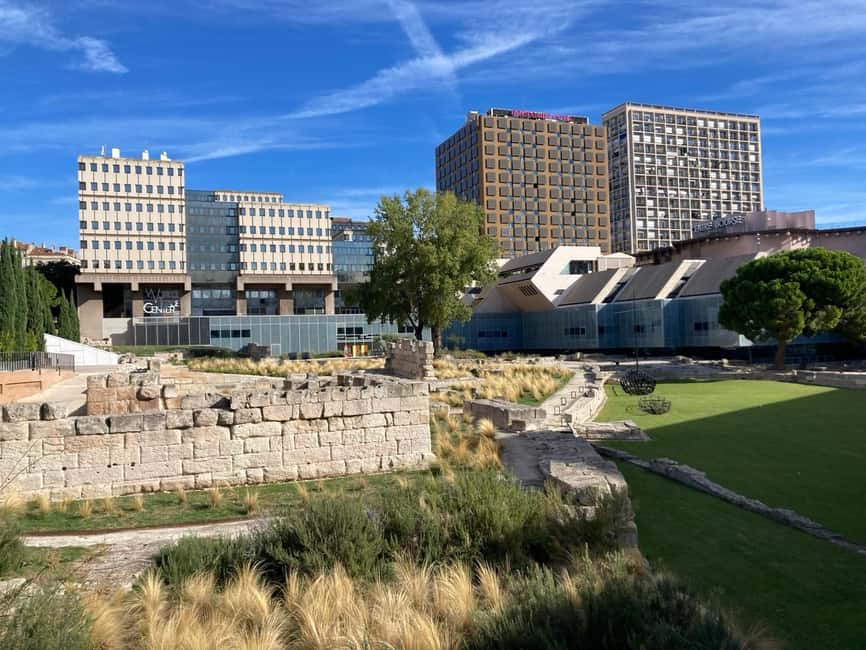
If your goal is to get a smart first feel for Marseille, I would book it. Philip’s style stands out because he connects architecture and neighborhood stories in a way that makes the walk feel like understanding, not sightseeing checklists. The route is practical, starting at Cathédrale de la Major, then moving through Le Panier, Noailles, and ending in Cours Julien, which gives you a built-in place to continue on your own.
Book this tour if you can handle a mostly outdoor walk and want a small-group guide. Skip it if you only want a single district, or if you are looking for a slow, sit-heavy experience.
FAQ
Where does the tour start?
The meeting point is in front of the entrance of Cathédrale La Major.
How do I recognize the guide?
The guide, Philip, wears a blue hat.
How long is the walking tour?
The tour lasts about 2 hours.
How much does it cost?
It costs $35 per person.
What neighborhoods and landmarks are included?
You visit Cathédrale La Major, explore Le Panier, traverse Noailles market district, and finish at Cours Julien.
What languages is the guide available in?
The live guide offers German, English, and Swedish.
Is it a small group?
Yes, it is limited to 10 participants.
Are meals included in the price?
No, meals and drinks are not included.
Is transportation included?
No, transportation to and from the meeting point is not included.
What should I bring?
Wear comfortable shoes for walking and bring a camera for photos, since parts of the tour are outdoors.
Latest Marseille entries, notes attached







Walking Tours, compared.
Paris Top Sights Half Day Walking Tour with a Fun Guide
Read our review →
Montmartre Hidden Gems and Scenic Highlights Walking Tour
Read our review →
Montmartre Hill French Gourmet Food and Wine Tasting Walking Tour
Read our review →
Montmartre Highlights Walking Tour with a Local Guide
Read our review →
Paris Île de la Cité and Notre-Dame Walking Tour With Crypt
Read our review →
Montmartre Cheese, Wine & Pastry Guided Walking Tour
Read our review →
Paris in a Day: Louvre or Orsay, Eiffel Tower, City Walk & Cruise
Read our review →
Paris City Center Free Walking Tour (Tip-Based)
Read our review →This tour also appears in