
Reviewed · ALSACE TOURS
Alsace Wine Route Wineries & Tasting Small Group Guided Tour from Strasbourg
A full Alsace wine day starts with three tastings. I like how this tour combines the Alsace Wine Route drive with Grand Cru-focused white wine tastings (Riesling is the star). And because it is capped at 8 people, the day feels more like a guided wine walk than a rushed bus trip.
One thing to plan for: you should eat well before you go, because wine tastings are not paired with snacks, and some cellar stops can feel chilly. In other words, bring a good appetite and a layer or two.
In This Review
- Key highlights at a glance
- Entering Alsace Wine Route country from Strasbourg
- Strasbourg meeting point, minivan comfort, and a group of 8 max
- Mittelbergheim, Kastelberg and Zotzenberg: your first Riesling-led tasting
- Dambach-la-Ville caveau stop and the Frankstein Grand Cru focus
- Midday lunch on your own, plus how to plan your food day
- Ribeauvillé and Riquewihr: villages, chateaux names, and the final wine stop
- The wine style you will likely taste, and why Riesling drives the day
- How far you will go, and why this day feels manageable
- Price and value: is $260.12 a fair deal?
- Who this Alsace wine route tour suits best
- Should you book the Alsace Wine Route small group day from Strasbourg?
- FAQ
- Where is the meeting point in Strasbourg?
- What time does the tour start, and how long is it?
- Is the tour offered in English, and do I get a mobile ticket?
- What is included in the price?
- Is lunch included?
- How many people are in the group?
- Is this an adult-only tour, and are pets allowed?
- What wine grapes and styles should I expect?
- Is it available on December 25 or January 1, and what if the tour is canceled?
Key highlights at a glance
- Up to 8 travelers, so you actually get time for questions
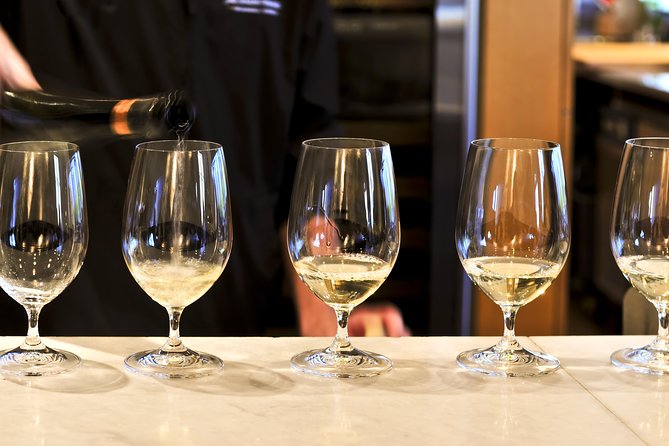
- 3 guided tastings with Alsace’s signature white grapes and Grand Cru context
- Mittelbergheim to Dambach-la-Ville to Ribeauvillé-Riquewihr, a smart slice of the route
- Classroom meets cellar, with guidance on soil, climate, and grape choices
- Village time in Ribeauvillé and Riquewihr, not just winery parking lots
Entering Alsace Wine Route country from Strasbourg
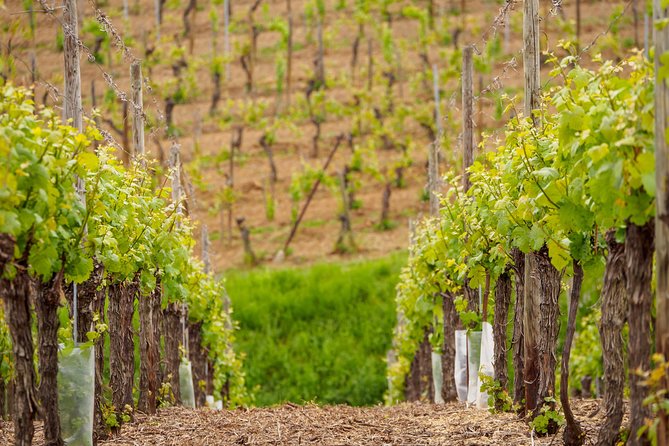
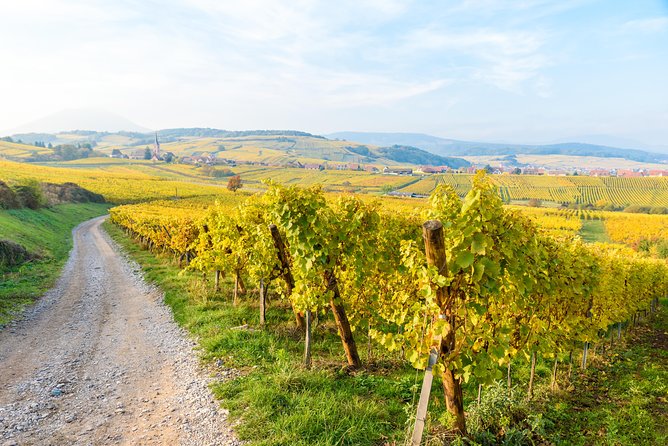
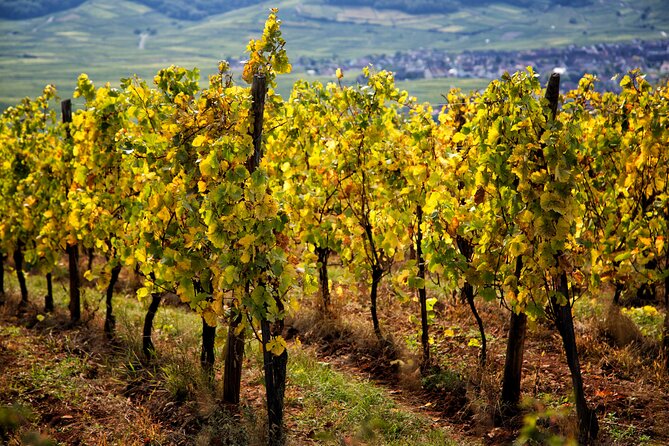
This is a classic Strasbourg day trip, but it is built for people who want the wine context, not just the wine pouring. You start in central Strasbourg, then head out into the Alsace Wine Route region, where the Vosges Mountains sit close and vineyards climb in every direction. The route is about 105 miles, or 170 km, so even in a single day you get a sense of scale.
What makes the experience click for me is the pacing. You are not only stuck at one estate. You pass through key wine areas tied to specific Grand Cru names, which helps you understand why certain grapes (especially Riesling) dominate the conversation here.
And because this is a small-group tour, you get the fun part too: asking why a wine tastes a certain way, and getting real answers. I have found wine tours often swing between too casual and too formal, and this one tends to land closer to the relaxed, practical side.
Strasbourg meeting point, minivan comfort, and a group of 8 max
You meet at 17 Pl. de la Cathédrale in Strasbourg at 9:00 am. From there, you ride in an air-conditioned minivan with your English-speaking guide. That minivan detail matters more than it sounds, because Alsace roads move fast and vineyards are spread out.
With a maximum of 8 travelers, the guide can actually steer the day based on what people are enjoying. In past tours on this route, different guides were praised for tailoring the flow around guest preferences, and for covering both wine and Alsace culture without turning the day into a lecture.
A practical note: this is an adult-only tour, and pets are not allowed. Also, snacks are usually not provided during tastings, so you will want to start the day properly fed. (More on that when we get to midday.)
More French appellations, visited:
- From Strasbourg: Medieval Villages & Wine Tasting Day Trip
★ 4.8 · 329 reviews - Alsace Wine Route Small Group Half-Day Tour with Tasting from Strasbourg
★ 4.5 · 291 reviews - Alsace: Full-Day Wine Tour & Tastings from Strasbourg
★ 4.8 · 125 reviews
Mittelbergheim, Kastelberg and Zotzenberg: your first Riesling-led tasting
Your first wine stop is in the Mittelbergheim area, a place closely associated with Grand Cru sites like Kastelberg, Zotzenberg, and Wiebelsberg. The big idea here is that Alsace’s top Riesling is not just a generic white wine. It is tied to named vineyards and specific growing conditions, and your guide will connect the dots as you taste.
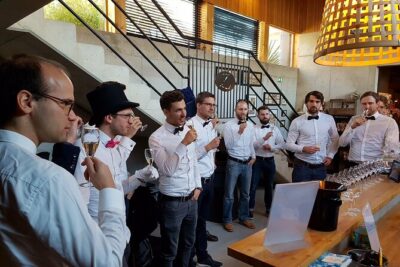
You will sample Riesling along with Sylvaner and Pinot Blanc. That combination is smart. Riesling is the grape most people show up wanting, but tasting it alongside other Alsace whites gives you quick contrast. Sylvaner can feel lighter and more about freshness, while Pinot Blanc often comes across softer and rounder.
What I like most about this first stop is that it gives you a reference point for the rest of the day. After tasting here, you are better equipped to tell when a later wine is showing more aromatic lift, more stone fruit character, or a more mineral edge.
Possible drawback: if you are not a fan of dry whites, you may still find the selection mostly stays in the Alsace white lane, since the day is clearly built around the region’s best-known whites. You can still enjoy it if you like learning, but it is not a mixed red-and-white tasting tour.
Dambach-la-Ville caveau stop and the Frankstein Grand Cru focus
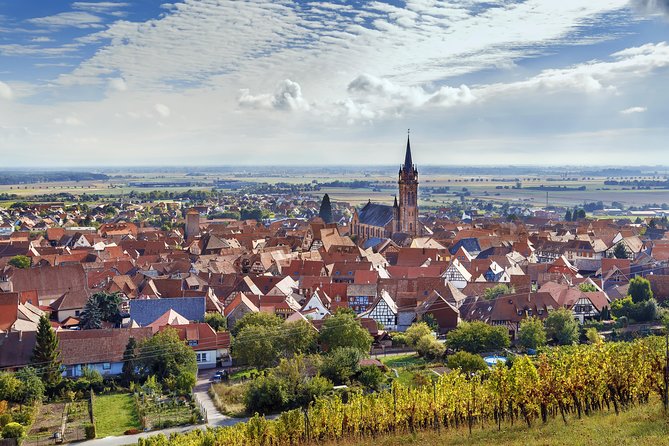
Next you head to Dambach-la-Ville, and the tour frames it as one of the most wine-active villages in Alsace. This area also ties to Frankstein Grand Cru, which the tour highlights as one of Alsace’s notable wines.
The second winery stop happens in a classic wine cellar, described as a caveau. This is the kind of setting wine tours sometimes do well and sometimes do in a more basic way. In many tastings, it is charming and family-run feeling. In colder months, it can also feel more like old stone workspaces than a modern tasting room.
Your tasting here centers again on white varieties, with a focus on how soil and climate shape Riesling and Gewürztraminer. That pairing is useful because it shows you how grape character changes with style and aromatics. Gewürztraminer is often more perfumed and expressive, while Riesling can show cleaner lines and more tension, depending on the bottle.
What you should take away from this stop is not just which wines are good. It is the logic. Your guide is setting up the idea that Alsace is not one flat landscape of grapes. You are tasting a patchwork, shaped by altitude, slope, and local conditions.
If you are the type who loves asking questions, this is a great moment. Guides on this route have been praised for giving clear explanations of terroir and winemaking history without making you feel silly for not memorizing French vineyard vocabulary.
Midday lunch on your own, plus how to plan your food day
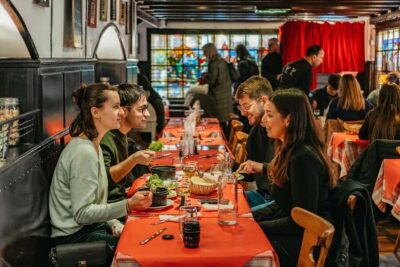
At midday, you get a lunch break. Lunch is at your own expense, and the tour is clear about why: tastings usually are not paired with snacks to protect the flavor experience.
So here is my practical advice: eat a real meal before the first tasting, and then choose lunch that is filling but not heavy. You do not want to arrive at the next cellar stop feeling shaky, and you also do not want to feel stuffed and sleepy.
A small tip for comfort: tastings are in wine spaces that can run cool. Dress like you might move between sunny village streets and cooler cellars. A light jacket or layer is a simple win.
Also, do not build your day around the assumption that a perfect restaurant will be waiting. Some parts of Alsace can have limited daytime options, especially in shoulder season. If you hate making decisions under time pressure, consider picking a lunch spot quickly when you are dropped, rather than wandering and hoping.
More of France by the course:
Ribeauvillé and Riquewihr: villages, chateaux names, and the final wine stop
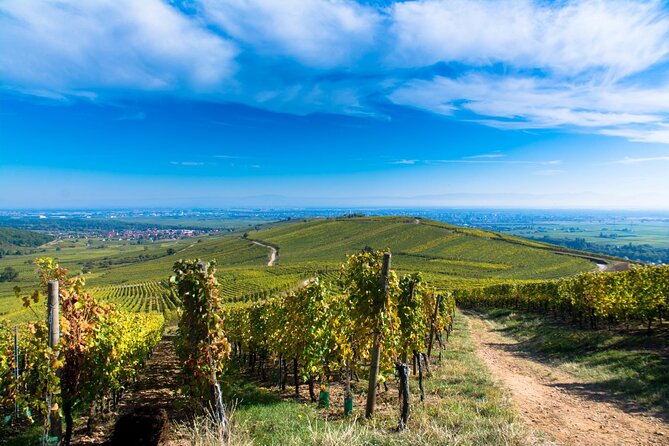
After lunch, you enter the Ribeauvillé-Riquewihr wine area. This zone is linked to five Grand Cru sites: Kirchberg, Osterberg, Geisberg, Schoenenbourg, and Sporen. You still see the day return to Riesling dominance, but you are also set up to meet other Alsace staples like Muscat, Gewürztraminer, and Pinot Gris.
Then comes the best part for most people who book this tour: time in the villages. You get to explore Ribeauvillé and Riquewihr. It is not just a quick photo stop from the curb. You get enough time to walk around and get your bearings, then settle back into the wine rhythm.
Your last tasting sessions tie into the stories of the region’s winemaking families and chateaux. Names that come up in the tour context include the Hugel and Trimbach families, which helps turn the wine into something tied to people, not just labels.
Now, a key consideration: in the Christmas market period, access and routing can change due to congestion and road closures. That means you may not be able to spend as much time in every targeted village during that season, even if Ribeauvillé and Riquewihr are part of the plan in normal conditions.
If you are traveling in late November through December, manage expectations. The tour is still worth it for wine and village atmosphere, but flexibility helps.
The wine style you will likely taste, and why Riesling drives the day
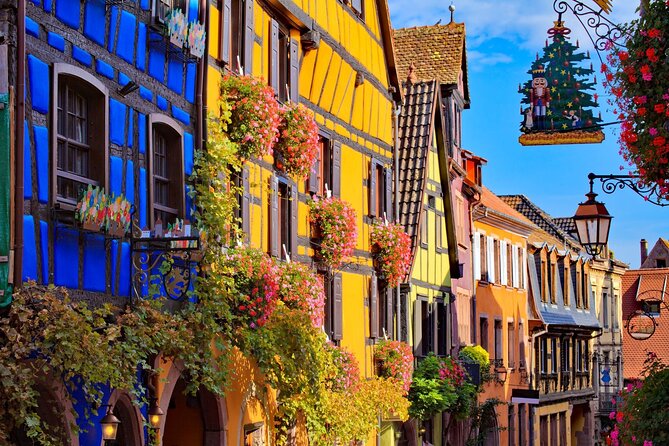
Alsace is often summarized as Riesling country, but the smarter way to think about it is grape focus plus variety within that focus. This tour stays primarily in the whites, but you do not just taste three random bottles and call it a day.
From the information you are given, you can expect tastings that cover:
- Riesling as the backbone
- Sylvaner and Pinot Blanc early on
- Gewürztraminer as a major aromatic contrast
- Notes of Muscat and Pinot Gris within the later area context
The guide element matters here. A well-run Alsace tasting teaches you how to read the wines in terms of aromatics, acidity, and the way Grand Cru naming points to where grapes were grown. Even if you buy nothing, you leave with a mental map.
One small “don’t get caught off guard” tip: France does not always pair tastings with snacks, so you should not treat wine tastings like a food tour. If you drink on an empty stomach, your enjoyment drops fast.
How far you will go, and why this day feels manageable
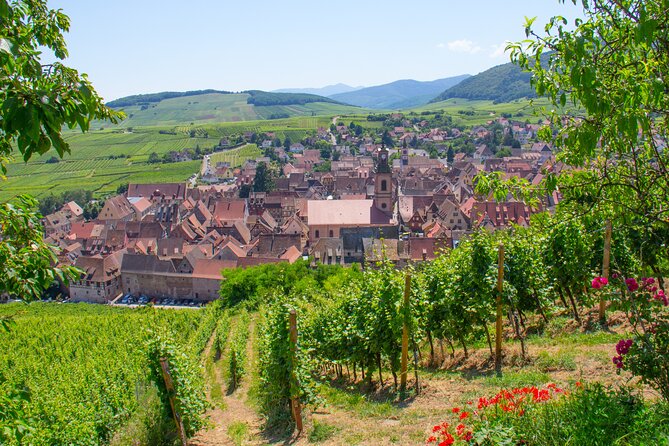
You are on the road for about 8 hours total. That is long enough to feel like you did something real, but short enough that you are not planning your whole day around travel logistics.
The route itself is about 170 km winding through vineyard hills along the base of the Vosges. In practice, that means you will see plenty of scenery even if you are not doing hiking. It is the kind of drive that makes you understand why wine road trips became a thing.
Transportation is included by air-conditioned minivan, which helps keep the day comfortable. And since the tour returns you back to the meeting point, you are not left sorting out how to get home after a day of wine and villages.
Price and value: is $260.12 a fair deal?
At $260.12 per person for about 8 hours, it is not a budget wine tour, but it is also not trying to be a private limo experience. The value comes from three main pieces you get together:
1) Three guided tastings (not just one, and not “walk past a cellar and sample one glass” vibes).
2) Transport on a route that would be time-consuming to piece together on your own, especially if you want winery tastings at multiple locations.
3) A small group size capped at 8, which often means better back-and-forth and less waiting.
Lunch is not included, so plan on spending extra. And as with any wine day, you might end up buying bottles to take home, which can quickly turn this into a bigger budget than the tour price alone. If you have a “taste and learn” mindset, you can keep the spend more controlled.
Where the value can wobble: if the specific winery spaces feel less appealing to you, or if your day is affected by seasonal access limits, you might wish for more time in the most scenic village areas. Still, the structure stays solid: tastings are the core, and the rest supports that.
Who this Alsace wine route tour suits best
This tour fits best if you want a guided tasting day but still enjoy seeing villages. It is especially good for:
- Wine lovers who like structure, meaning you learn why each stop matters
- People who prefer a calm group size over a big bus crowd
- Travelers who are staying in Strasbourg and want a full wine country day without renting a car
It might be less ideal if you only want one specific wine style, since the day leans heavily toward Alsace whites, and Riesling shows up at multiple points. It may also be less ideal if you hate cool cellars, since at least one stop is described as a classic cellar setting.
If you are traveling as a couple or a small group of adults, this kind of tour often feels like the best of both worlds: you get shared logistics with enough personal attention to feel like you are not just part of a number.
Should you book the Alsace Wine Route small group day from Strasbourg?
Yes, I would book it if you want an efficient Alsace day with real guided tastings and enough village time to feel the place. The Grand Cru naming, the focus on Riesling and Gewürztraminer, and the small group limit all point to a tour designed for learning as much as sipping.
Before you book, do two things: plan your food so you are not hungry during tastings, and choose your season with your expectations in mind. If you book during peak Christmas market periods, route and access may be restricted, so some village time could shift.
If your goal is a relaxed, well-guided introduction to Alsace through vineyards, cellars, and villages, this is a strong fit. And if your guide is one of the names people often praise on this route, like Pauline, Laurence, Jerome, Maksym, Amelie, or Maxim, you are likely to get a day that feels both easy and informed.
FAQ
Where is the meeting point in Strasbourg?
The meeting point is 17 Pl. de la Cathédrale, 67082 Strasbourg, France.
What time does the tour start, and how long is it?
It starts at 9:00 am and runs for about 8 hours.
Is the tour offered in English, and do I get a mobile ticket?
Yes, the tour is offered in English, and you receive a mobile ticket.
What is included in the price?
The tour includes an English-speaking qualified guide, transport in an air-conditioned minivan, and 3 wine tastings.
Is lunch included?
No. Lunch is not included and is for you to arrange and pay for during the midday break.
How many people are in the group?
The tour has a maximum group size of 8 travelers.
Is this an adult-only tour, and are pets allowed?
Yes, it is adult only. Children under 18 are not allowed, and pets are not allowed.
What wine grapes and styles should I expect?
Based on the tour description, you should expect tastings featuring Riesling, Sylvaner, Pinot Blanc, Gewürztraminer, and context for other Alsace whites like Muscat and Pinot Gris.
Is it available on December 25 or January 1, and what if the tour is canceled?
The tour is not available on December 25th and January 1st. If it is canceled due to poor weather, you will be offered a different date or a full refund. If it is canceled because the minimum number of travelers is not met, you will also be offered a different date or a full refund.
Latest Strasbourg entries, notes attached
Alsace Tours, compared.
Colmar, Medieval Village & Castle Small Group from Strasbourg
Read our review →
Strasbourg Food Tour – A Taste of Tradition by Do Eat Better
Read our review →
This tour also appears in