
Reviewed · ALSACE TOURS
Strasbourg: Walking Tour with Local Guide
Strasbourg is small enough to walk fast. This 2-hour walk gives you a tight loop through the Grande Île and the spots that explain how the city thinks, looks, and eats, led by locals like Nicolas. I love that you do more than point and pose, you get photo angles and street-level context as you go. One possible drawback: it is not a great fit if you have mobility limits, since it is a full walking route on uneven old-street surfaces.
The second thing I like is the mix of big landmarks and everyday neighborhoods. You stand in front of the UNESCO-listed Strasbourg Cathedral, then shift to places like the Tonneliers district, where locals actually hang out in bars and restaurants. The one “watch this” item: cathedral entry is not included, so plan on viewing it from outside and using the guide’s advice for how to see inside later if you want.
In This Review
- Key points to know before you go
- Two Hours in Strasbourg, and You Actually Get the City
- Start in the Grande Île, Where the Streets Feel Old on Purpose
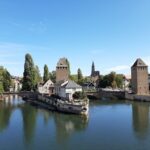
- Ponts Couverts: The Covered Bridges Stop That Changes Your Perspective
- Petite France: Where You Go for Postcards, Then Leave With Context
- Église Saint-Thomas: A Short Stop With Big Storytelling Value
- Strasbourg Cathedral: UNESCO Views Plus Legends You Can Actually Use
- Place Kléber and the Revolutionary-Era Thread
- Place Saint-Étienne: The Square Moment That Re-centers You
- Place de la République: Finish With a Plan for What Comes Next
- Tonneliers District: Where You See How Locals Actually Spend Time
- How the Tour Works for Different Travel Styles
- Value for Money: Is $41 a Good Deal?
- Should You Book This Strasbourg Walking Tour?
- FAQ
- FAQ
- How long is the Strasbourg walking tour?
- How much does the tour cost?
- How many people are in the group?
- Do I get into the cathedral?
- What languages does the guide speak?
- Where does the tour start?
- Is the tour suitable for people with mobility impairments?
Key points to know before you go
- Small group size (max 6) keeps it easy to hear stories and ask questions.
- French and English guide options cover both languages in the same tour.
- UNESCO Strasbourg Cathedral views plus explanation of legends tied to the monument.
- Photo stop coaching includes quick tips to improve your angles as you walk.
- Tonneliers district street time shows daily life, not just postcard scenes.
- Local food and drink recommendations help you turn the walk into a great eating plan.
Two Hours in Strasbourg, and You Actually Get the City
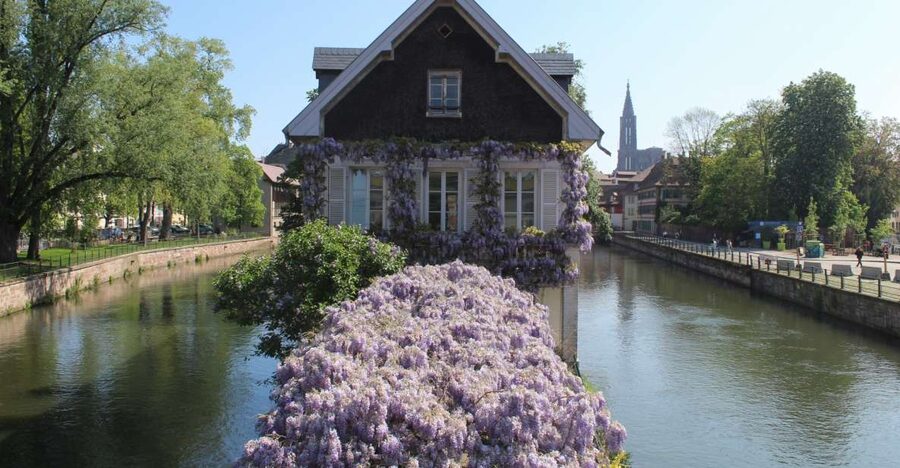
Strasbourg works best when you see it in layers. In two hours, this walking tour threads together the medieval core, revolutionary-era stories, and the neighborhood energy around the river. It is a smart way to start your trip because the city center can feel charming and confusing at the same time.
The guide for this tour is often Nicolas (and you may also see the name Nikolaus). In the reviews, people consistently praise his practical, local storytelling and the way he answers questions on the spot. I like that the group stays tiny, so you are not shouting over a crowd while you try to make sense of centuries of change.
At $41 per person for a 2-hour guided walk, you are paying for two things: orientation and translation of what you see into why it matters. That price also makes sense when you consider that the alternative is wandering alone and spending extra time trying to connect the dots.
Start in the Grande Île, Where the Streets Feel Old on Purpose
Your tour begins near the historic center, with two possible starting points that use Place d’Austerlitz. From there, the route quickly pushes you into the area locals call the city’s old heart, the Grande Île. This is where Strasbourg’s tight streets, river bridges, and building styles make the most sense.
Even before major stops, you get a roadmap for how the city is laid out. That matters because Strasbourg is not just pretty, it is political and cultural, too. A good guide helps you notice details you would otherwise walk right past.
You also learn how to manage your photos as you move. The guide gives quick pointers on where to stand so your shots show depth, not just rooftops.
More France at boulevard pace:
- Strasbourg: Walking Tour with a Local Guide
★ 4.3 · 607 reviews - Strasbourg: Guided Historical Neighborhoods Walking Tour
★ 4.9 · 275 reviews - Strasbourg: Traditional Food Walking Tour with Tastings
★ 4.8 · 219 reviews
Ponts Couverts: The Covered Bridges Stop That Changes Your Perspective
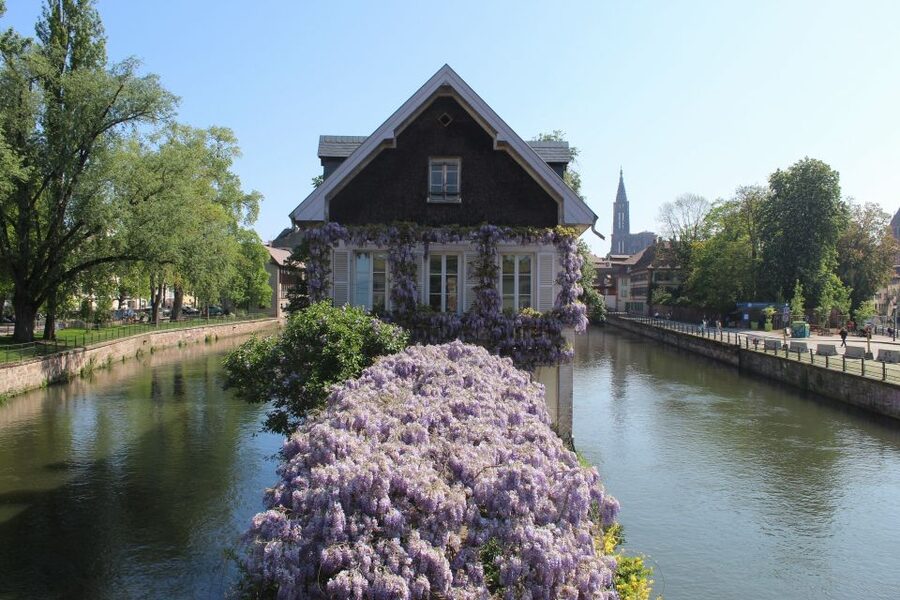
One of the first standout photo moments comes at Ponts Couverts, the covered bridges area. You get a short guided stop, around ten minutes, which is perfect for soaking in views without turning it into a museum detour.
Why it is worth your time: covered bridges are not just scenery here. They act like a lens. When you look at them, you naturally notice how the river shapes the city’s defense, trade, and daily movement.
Practical tip: if weather is bad, covered bridges are still a win because the structure frames angles. A review mentioned the tour running even when it rained, so this is one of those locations that does not collapse when the sky misbehaves.
Petite France: Where You Go for Postcards, Then Leave With Context
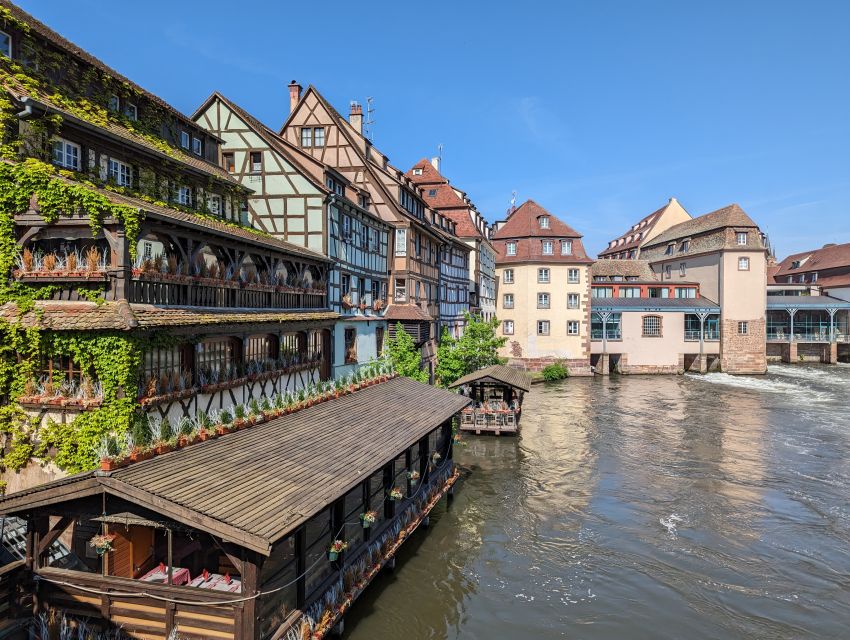
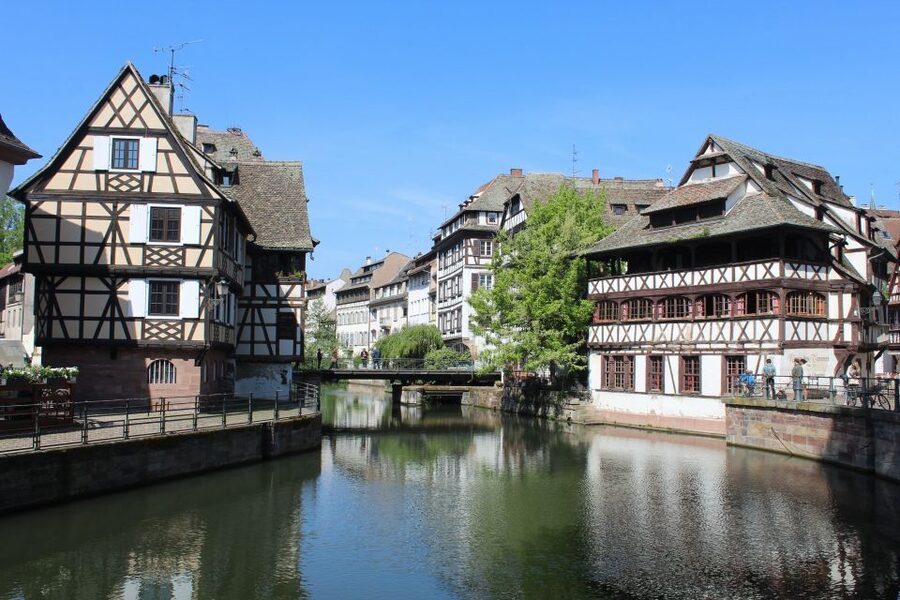
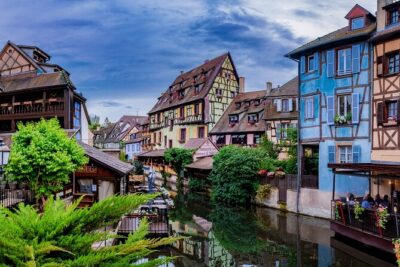
Next comes Petite France, with about twenty minutes to explore along the streets and river edge. This is the area people imagine when they think Strasbourg: old stone, canal-like views, and romantic architecture.
But the tour does not stop at nostalgia. You get historical context that explains why this quarter is so tied to the city’s identity. You also learn what to pay attention to on façades and street layouts, which helps you understand the place beyond how it looks in your camera roll.
If you enjoy walking through neighborhoods more than checking off landmarks, this segment is a strong one. It feels like you are moving through the real city, not a theme park.
Église Saint-Thomas: A Short Stop With Big Storytelling Value
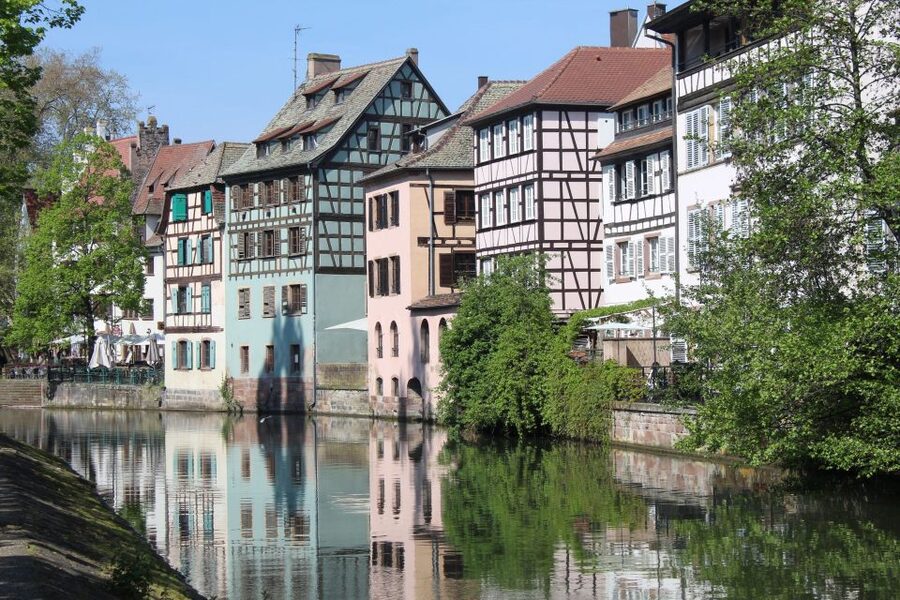
You then visit Église Saint-Thomas, with about ten minutes on the schedule. This is not one of the stops that everyone instantly recognizes, which is exactly why it works on a guided walk.
The guide uses short time here to give you something you can carry forward: a sense of how religious architecture, civic life, and regional identity have overlapped in Strasbourg. In a place where people argue about history respectfully but firmly, the details matter.
Even if you only linger briefly, you leave with better “readability” for what you see later, especially near the cathedral area.
Other Strasbourg bookings in the margin notes
Strasbourg Cathedral: UNESCO Views Plus Legends You Can Actually Use
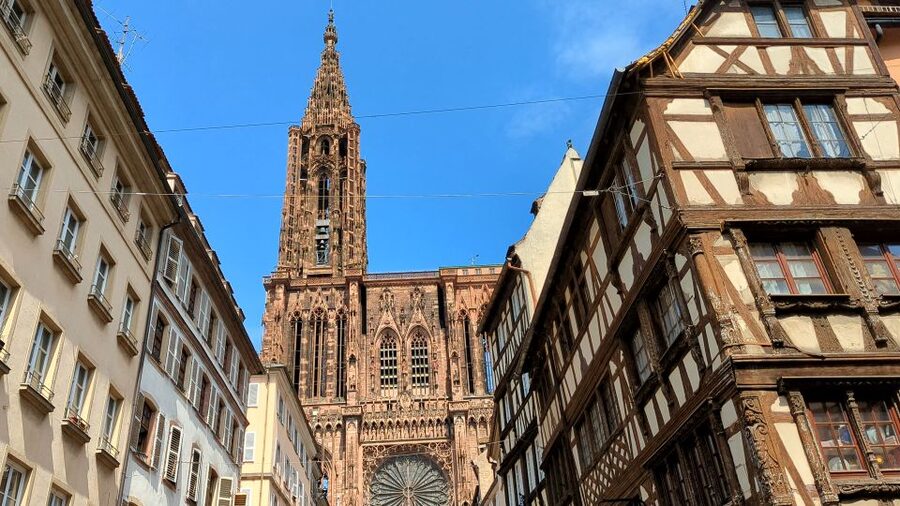
Then you get to the main event: Notre Dame Cathedral, Strasbourg, with around fifteen minutes. This stop is built for recognition. You see the Romanesque and Rayonnant Gothic architecture elements, and you get an explanation of the legends connected to the monument.
The cathedral is UNESCO-listed, and it is the kind of site where standing in front of it can feel like staring at a complicated math problem. A guide helps by pointing out what is doing what, and why the style is not just decorative.
Important practical note: entry to the cathedral is not included. So think of this as your exterior and storytelling stop. If you want to go inside, you can use the guide’s recommendations to decide when and how, instead of waiting with a random plan.
Photo tip: get a few shots from different distances. One review praised the guide’s photo coaching, and that focus shows up right here because the cathedral changes depending on where you stand.
Place Kléber and the Revolutionary-Era Thread
After the cathedral area, the route includes Place Kléber, one of the city’s major squares. You will see the statue of Jean-Baptiste Kléber, and the guide ties the square to the revolutionary wars and broader political changes.
This is a valuable segment if you like history that connects to the present. Strasbourg does not treat the past like a closed book. The city’s architecture and street names keep reminding you that power shifts leave physical marks.
If you prefer lighter walking with fewer dates, you can still enjoy this stop because the guide keeps it human. The stories help you remember the city as something lived in, not just archived.
Place Saint-Étienne: The Square Moment That Re-centers You
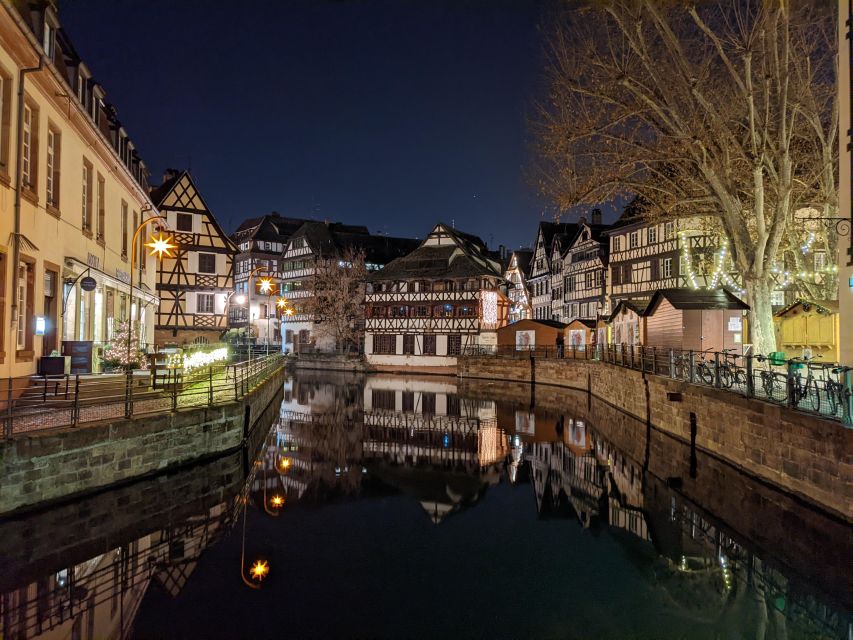
You also stop at Place Saint-Étienne for about ten minutes. Squares in old cities often act like pause buttons. They let you reset your bearings, look around, and see how different streets funnel into one main public space.
This one is also a chance to spot the way Strasbourg’s architectural styles mix over time. You start to notice that the city is layered, not one-style-only.
If you are traveling with kids, this kind of stop helps break up walking rhythm. One review specifically mentioned that the guide kept children engaged, which usually means the storytelling stays clear and interactive when you reach places like squares.
Place de la République: Finish With a Plan for What Comes Next
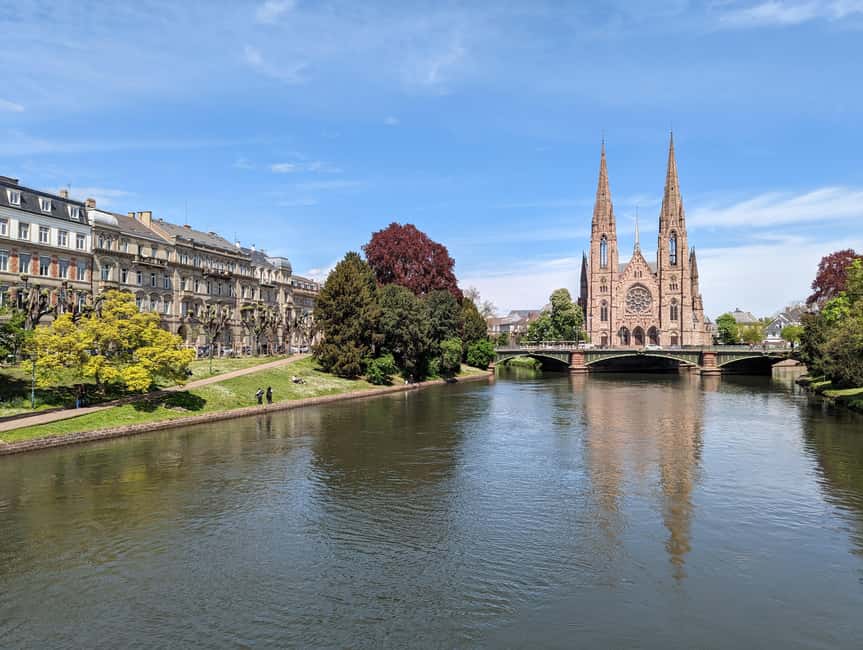
The tour ends at Place de la République, with about fifteen minutes near the finish. This ending spot is useful because it gives you a central reference point for planning after the walk.
More than just a finish line, the wrap-up is when your guide’s recommendations make the biggest difference. The tour includes local advice on where to eat and drink, and multiple reviews mention that guides share detailed lists after the tour. I like this approach because it saves you the time sink of guessing on day one.
If you want a smart strategy: use the walk to choose one or two “must-do” meals, then keep the rest flexible for the day’s mood. That way you do not lock yourself into a plan that collapses when you spot a better bakery on the way.
Tonneliers District: Where You See How Locals Actually Spend Time
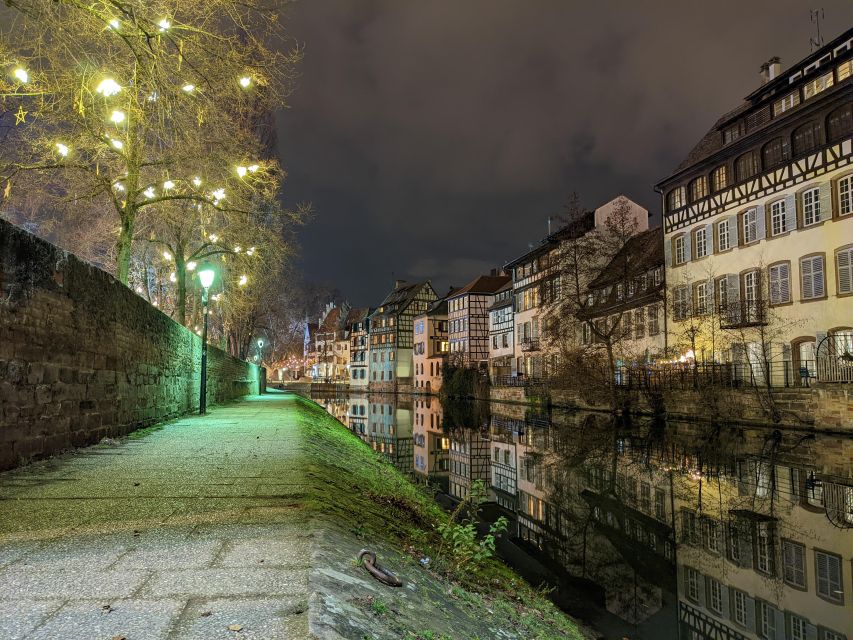
One of the highlights is the Tonneliers district, an area known for its bars and restaurants and for the feel of everyday life. This is where the tour shifts from history talk to street energy.
You stroll down smaller, intimate streets, and the guide helps you notice how locals move through the area. This segment is also where the photo tips tend to pay off, because older neighborhoods look best when you shoot from the street level, not only from wide angles.
Practical note: if you are hungry, pace yourself here. You are likely going to want to stop. The guide’s final recommendations help you decide what is worth your time and what to skip.
If you like Alsace food, pay attention because this neighborhood is a natural place to try local specialties. One review specifically recommended tarte flambée, which is a classic you often see on Alsace menus.
How the Tour Works for Different Travel Styles
This is not a long lecture tour. It is a walking tour with story beats placed at sight-based moments, which works well if you learn best by seeing and hearing in the same breath.
Small group size matters. With a group limited to six, you get space to ask questions. That shows up in the reviews where people mention the guide answered everything and adjusted to what interested them most.
Rain-friendly is also a real plus. Strasbourg weather can switch quickly, and one review described the guide not canceling even when other participants dropped due to rain. Even if the sidewalks are slick, covered bridges and sheltered streets keep the experience going.
One more practical consideration: comfortable shoes are a must. The tour is not described as suitable for people with mobility impairments, so if walking is hard for you, plan a different kind of day.
Value for Money: Is $41 a Good Deal?
I think $41 for a two-hour guided walk is fair value for Strasbourg, especially because you get:
- A compact route through major areas, including the cathedral exterior and river-quarters scenery
- Small group comfort, max six people
- Photo tips, which instantly improves your ability to document what you see
- Local restaurant and drink recommendations that help you eat well without extra research time
The guide also adds personal touches from local life, and several reviews mention family stories and Alsatian pride. That kind of lived context is hard to replicate if you just download an audio guide and hope for the best.
You should keep expectations aligned with the ticket details: cathedral entry is not included. But that is not a deal breaker, because the goal here is to give you a high-quality overview plus the local plan for what to do next.
Should You Book This Strasbourg Walking Tour?
If you want a fast start with a guide who connects architecture to real life, I would book it. It is especially smart as a first day activity because it helps you understand where the city’s key areas sit and how they link together.
Book it if:
- You like walking and want a tight highlights route in about two hours
- You care about photo composition and want quick guidance
- You want local eating advice rather than guessing from reviews
- You prefer small groups, around six people
Skip it or choose something else if:
- Walking is difficult for you, since it is not suitable for mobility impairments
- You want guaranteed indoor cathedral time, since entry is not included
If you do book it, show up with comfortable shoes and bring a phone camera ready. After the walk, use the guide’s food recommendations to turn your sightseeing into a genuinely satisfying Alsace meal day.
FAQ
FAQ
How long is the Strasbourg walking tour?
The tour lasts 2 hours.
How much does the tour cost?
It is listed at $41 per person.
How many people are in the group?
The group is small, limited to 6 participants.
Do I get into the cathedral?
Cathedral entry is not included, so you should expect exterior viewing and guidance during the stop.
What languages does the guide speak?
The tour is offered with guides in French and English.
Where does the tour start?
The meeting point can vary depending on the option you book, with starting options that include Place d’Austerlitz.
Is the tour suitable for people with mobility impairments?
No, it is not suitable for people with mobility impairments.
Latest Strasbourg entries, notes attached




Alsace Tours, compared.

Colmar, Medieval Village & Castle Small Group from Strasbourg
Read our review →
Strasbourg Food Tour – A Taste of Tradition by Do Eat Better
Read our review →
This tour also appears in