
Reviewed · ALSACE TOURS
Strasbourg: Guided Historical Neighborhoods Walking Tour
Strasbourg makes sense when you walk it. This guided neighborhood stroll connects the big monuments and the everyday streets, so the city’s twists and turns feel clear. I like that it keeps moving through key places instead of treating everything like separate attractions, and the small group size makes it easy to ask questions.
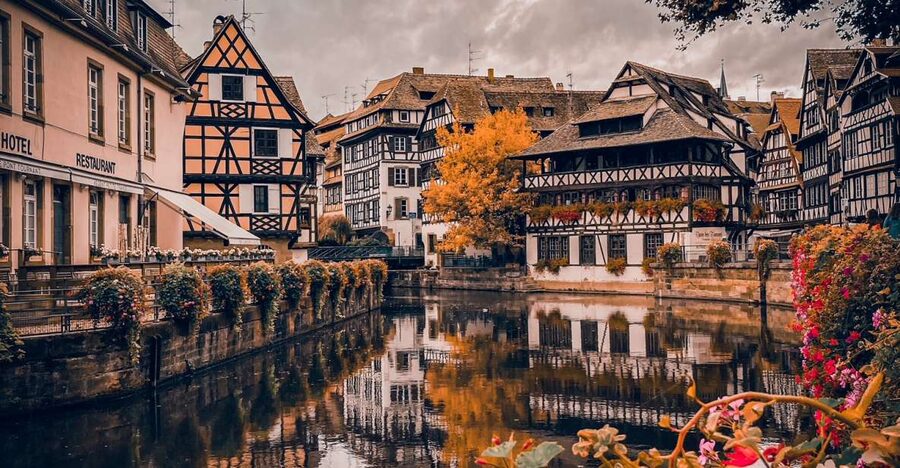
My favorite parts are the stop at Place Kléber and the walk through Petite France. You get the Christmas-tree tradition tied to Place Kléber, and you also see the real character of the Petite France quarter, including original half-timbered homes.
One thing to consider is that it is a walking tour in open streets and plazas. If you are sensitive to cold or long standing, plan to dress for it, and note that Cathedral entry is not included so you will be taking photos and hearing stories rather than going inside.
In This Review
- Key highlights worth your time
- Why this Strasbourg walking tour is such a good first step
- Place de la République to Neustadt, where the city’s “why” starts
- Place Broglie and Grand’Rue, the shortcuts that also teach
- Place Kléber, the square that turns into a seasonal experience
- Petite France, half-timbered charm with actual context
- Cathedrale Notre Dame de Strasbourg, Rayonnant Gothic seen up close
- The guide makes or breaks this kind of tour
- Price and value: what $35 really buys you
- Practical details that help you enjoy the walk
- Who should book this tour, and who might prefer something else
- Should you book this Strasbourg historical neighborhoods tour?
- FAQ
- How long is the Strasbourg guided historical neighborhoods walking tour?
- Where do I meet the guide, and where does the tour finish?
- Is entrance to the Cathedral included?
- What languages are offered, and how big is the group?
- Is the tour wheelchair accessible, and is it suitable during pregnancy?
- What should I bring, and can I cancel for free?
Key highlights worth your time
- Place Kléber Christmas-tree tradition plus one of the most famous winter market settings in France
- Petite France half-timbered streets with the name story and how the quarter evolved
- Rayonnant Gothic at Cathedrale Notre Dame de Strasbourg seen from outside, with focused architectural context
- A tight circuit of squares including Place de la République, Place Broglie, and Grand’Rue for quick orientation
- Italian and English live guiding from an energetic local who brings the city’s past to life
- Limited to 10 participants for a more conversational pace
Why this Strasbourg walking tour is such a good first step
Strasbourg can feel layered, fast. Roman-era foundations, German-French power shifts, grand imperial-looking boulevards, and medieval corners all sit close together. This tour helps you see the threads linking those layers without needing a museum ticket or a guidebook stack.
At 2.5 hours with a small group (up to 10), you get a concentrated walk that is long enough to build context, but not so long that you lose the plot. It is also practical: you start in a central square, you cover multiple neighborhoods in one loop, and you finish near the Cathedral area so you can continue on your own.
The value is not just that you see famous spots. It is that you leave with names, dates, and themes you can actually use while wandering afterward, like why certain squares matter and how different parts of the city reflect different eras.
Place de la République to Neustadt, where the city’s “why” starts
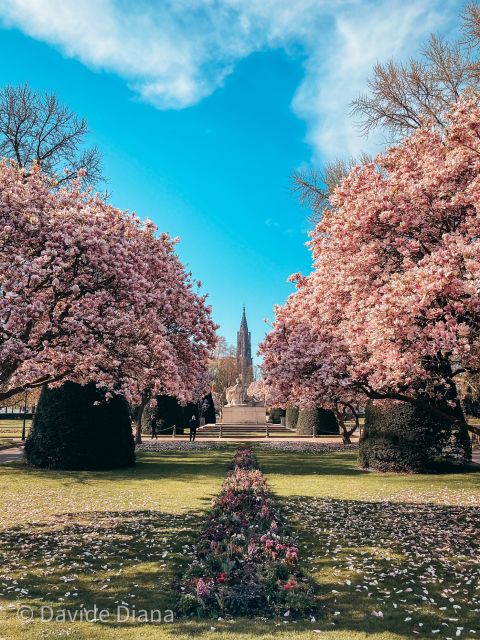
You begin at Place de la République, right where you can orient yourself quickly. The meeting point is in the center of the square, in front of the war memorial, so it is easy to find without hunting side streets.
From there, the tour moves into the broader Neustadt area and explains what you are looking at and why it exists. This matters because Neustadt is not “just pretty architecture.” It is a clue to how Strasbourg got reshaped by later political eras, which helps you understand why some buildings look so monumental compared with the older quarters.
The guide takes you through the logic of the space around you, not just a list of sights. That is one reason this tour works well for first-timers: you get an answer to the question you will keep asking while walking, which is, What am I looking at, and what period does it belong to?
More France at boulevard pace:
- Strasbourg: Walking Tour with a Local Guide
★ 4.3 · 607 reviews - Strasbourg: Walking Tour with Local Guide
★ 5.0 · 598 reviews - Strasbourg: Traditional Food Walking Tour with Tastings
★ 4.8 · 219 reviews
Place Broglie and Grand’Rue, the shortcuts that also teach
Next up is Place Broglie, a smaller stop that still packs educational punch. It is the kind of square where, once you know what to look for, you can read the city’s layout like a map.
Then you go through Grand’Rue, a street that feels made for slow wandering. Even in a guided format, you get enough time to notice street rhythm, building scale, and the way the old center connects to the more formal monumental areas. This is not about rushing to a single landmark. It is about learning the pattern of the historic core so your self-guided walks later feel easier.
A practical note: these middle stops are on foot through active pedestrian areas. Comfortable shoes are not optional here. If your feet run tired quickly, this is where that care pays off.
Place Kléber, the square that turns into a seasonal experience
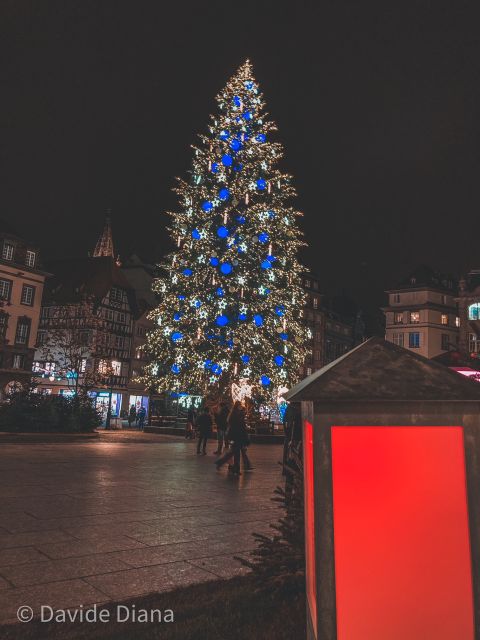
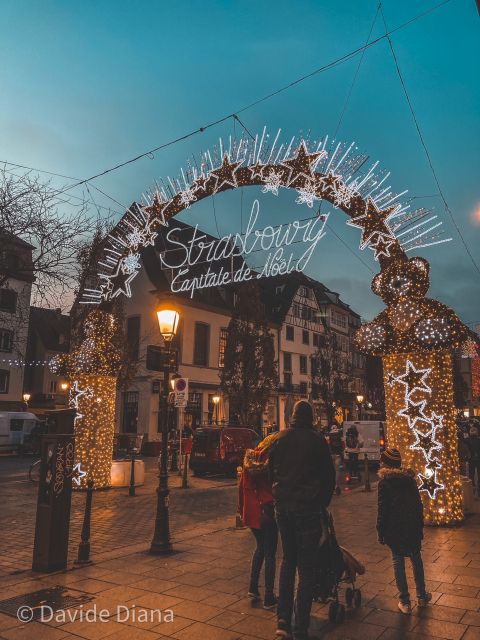
Place Kléber is one of those spots that you either pass through quickly or really enjoy once someone explains it. Here, you get the story behind the square and how it becomes a seasonal hub, especially in winter.
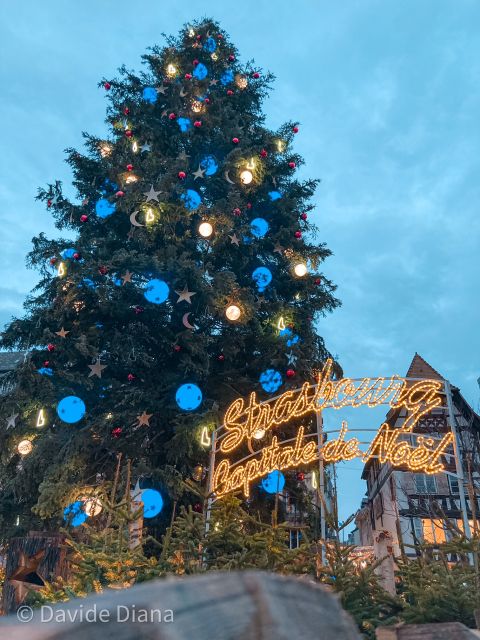
The standout detail is the Christmas-tree tradition associated with Place Kléber. It is the kind of local detail that makes the place feel less like a postcard and more like an actual lived-in city. You also learn how the square pairs with one of the most beautiful winter markets in France, which helps you understand why people plan their Strasbourg trips around winter atmosphere, not just architecture.
The good part about this stop is timing and pacing. You have enough time on the ground to look around, not just listen and move on. And if you are taking photos, Place Kléber is one of those natural framing points where even quick pictures look great.
The only real drawback is that squares can get chilly when the wind hits and you are waiting in open space. I would treat clothing for standing outdoors as part of your trip plan.
Petite France, half-timbered charm with actual context
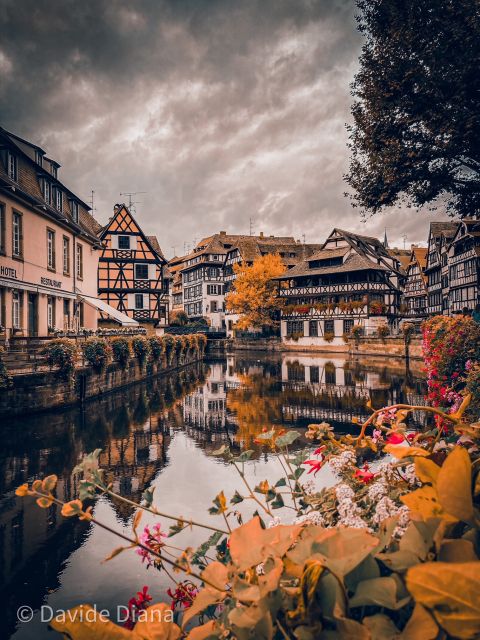
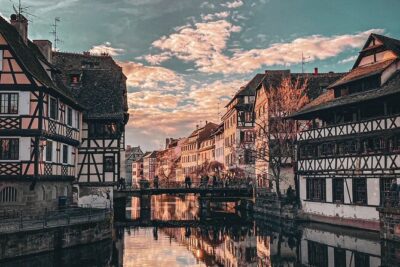
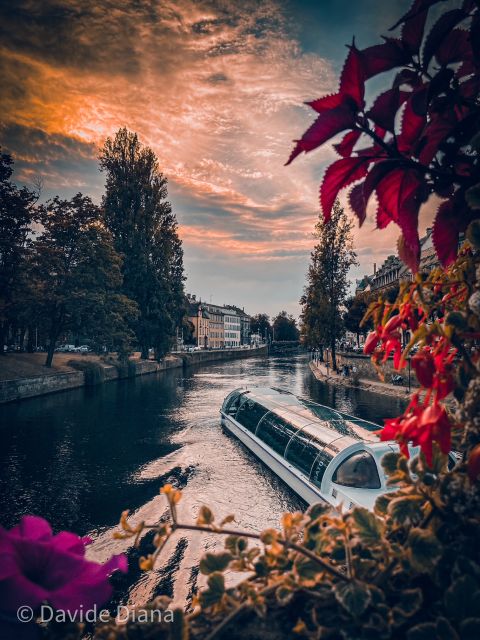
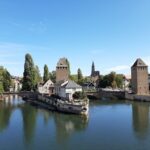
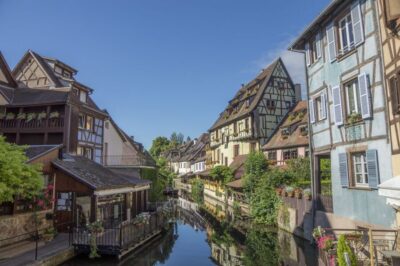
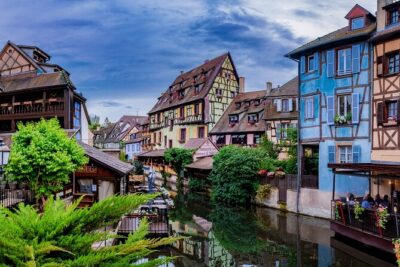
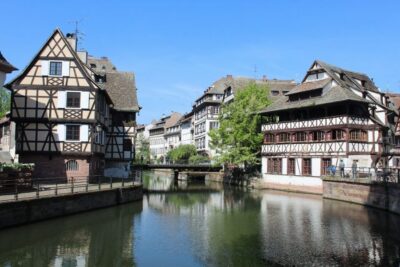
If Strasbourg has a most-photographed quarter, it is La Petite France. This tour does not just point it out, it explains it, including where the name came from and how the neighborhood changed over time.
That context matters because Petite France can look like a “theme.” But once you know what shaped it and how it evolved, you see more than decoration. You notice the quarter’s original character, including half-timbered houses that give the streets a distinct look.
You also get the right amount of time for a real photo stop. The tour framework builds in time for you to step aside, shoot pictures, and actually look up at details. For me, that is the sweet spot. A good photo stop is not a sprint. It is a moment to reset your eyes.
Small practical tip: the quarter is scenic, so it can be crowded in peak seasons. If you want clearer photos, keep an eye on the group flow, and step aside briefly when the pace pauses at a good angle.
More centuries, footnoted:
Cathedrale Notre Dame de Strasbourg, Rayonnant Gothic seen up close
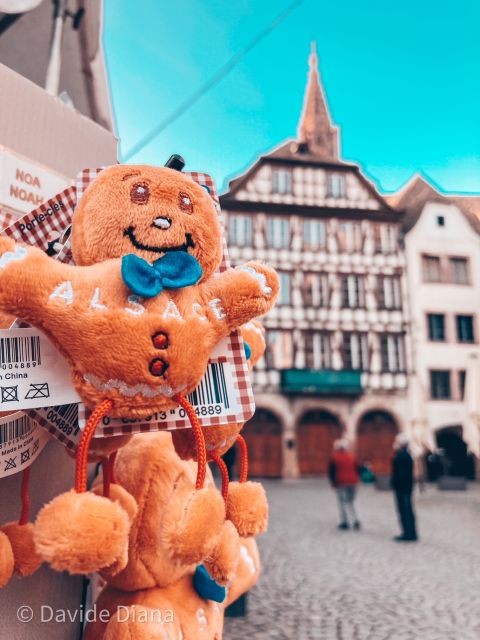
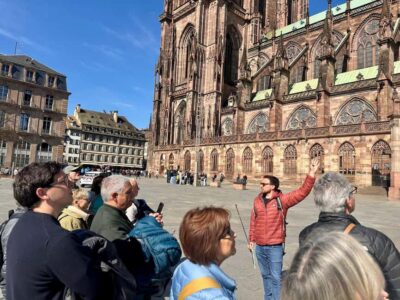
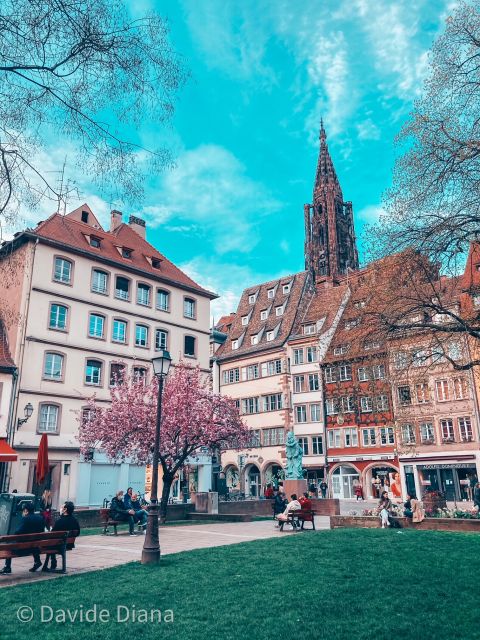
The tour concludes in the Cathedral area after a final stretch of stories about Cathedrale Notre Dame de Strasbourg. Access to the Cathedral itself is not included, so think of this as a strong outside viewing moment paired with architectural explanation.
What you do get is the chance to look at the Cathedral’s Rayonnant Gothic style from the street and understand why that “look” is more than decoration. Once you hear what guides attention in that architecture, your eyes start working differently. You stop seeing the building as one big block and start noticing how the design creates visual rhythm.
You also end around Place de la Cathédrale, which is ideal if you want to keep exploring right away. You are not pushed off to some distant drop-off point. You are placed exactly where you would want to be for spontaneous add-ons, like a self-guided walk through the surrounding streets.
Because entry is not included, this tour is best if you want orientation and story, then plan your own Cathedral visit separately if that is a priority for you.
The guide makes or breaks this kind of tour
This is where the reviews and the vibe line up with the reality of walking tours: the guide matters a lot. Here, the guiding is live and happens in Italian and English, and the strongest versions of the experience come from an energetic presenter who can connect facts to scenes you are standing in.
You will likely hear names like Davide or David in the guide mix, and also sometimes references to Danny or Daniel. What stays consistent is the tone: animated, funny, and focused on making the city’s changing power and culture feel understandable rather than scary or overly academic.
Pace is also part of the package. On colder mornings, the tour may feel more standing-time than you want, since plazas are often open and exposed. Still, the tour is structured enough that it does not drag. And there are often short comfort moments built in, including pauses that can feel like a quick coffee break, plus at least one bathroom stop that keeps things civilized.
If you are the type who loves asking questions mid-walk, this format is friendly. With up to 10 people, you are not lost in a crowd.
Price and value: what $35 really buys you
At $35 per person for about 150 minutes, you are paying for a guided circuit that combines several headline highlights into one coherent storyline. You are not paying for entrances or museum tickets. You are paying for the narrative and the threading together of places.
That makes it good value if you are trying to do two things at once:
- learn the city’s “how it got like this” story
- get your bearings so you can wander efficiently afterward
If your plan is only to snap photos and move on, you might not feel the value as strongly. But if you care about understanding why the squares look the way they do, and you want the names and significance attached to what you see, $35 for a focused 2.5-hour walk starts to feel fair fast.
Also, small-group format matters. If you have ever been stuck listening to a guide through shoulder-to-shoulder crowds, you will appreciate a group that stays small enough for real interaction.
Practical details that help you enjoy the walk
Here is the practical stuff that makes the tour feel smooth instead of annoying.
- Duration: about 150 minutes, so plan a light schedule before and after
- Meeting point: Place de la République, in the center of the square in front of the war memorial
- End point: Place de la Cathédrale, right near the Cathedral area
- Included: the guide
- Not included: entrance fees (including Cathedral entry)
- What to bring: comfortable shoes and weather-appropriate clothing
Accessibility is a real plus. The tour is wheelchair accessible, which is rare for older-city walking routes. One item to watch: it is not suitable for pregnant women, so if that applies, look for a different style of tour with a safer fit.
Who should book this tour, and who might prefer something else
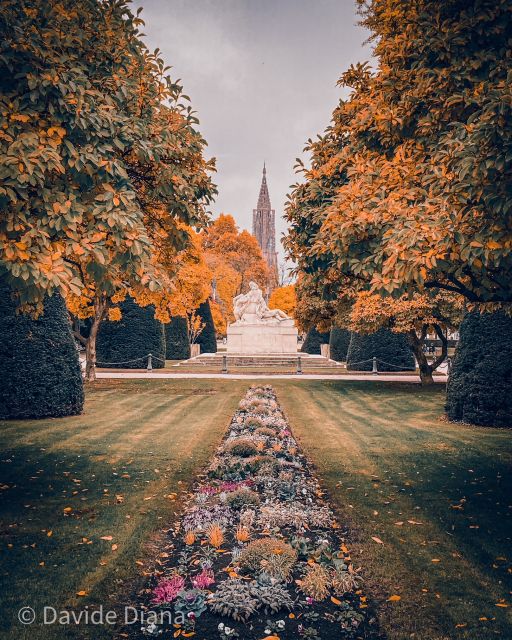
I think this is a strong fit for:
- first-time visitors who want quick orientation across multiple Strasbourg neighborhoods
- people who enjoy walking tours but also want clear historical context, not just facts on plaques
- anyone who loves architectural variety, from grand squares to Cathedral views and Petite France streets
It might be a weaker fit if:
- you want Cathedral entry during the tour itself (you will be outside for photos and storytelling)
- you cannot handle outdoor standing in cold weather, since much of it is in open plazas and streets
- you are pregnant (the tour is not suitable)
If you already know you want to spend time inside the Cathedral later, this tour works like an excellent warm-up that makes the Cathedral area easier to understand once you arrive for your visit.
Should you book this Strasbourg historical neighborhoods tour?
Yes, you should book it if you want a fast, high-impact intro to Strasbourg that connects the big squares, the Petite France quarter, and the Cathedral area into one logical walk. It is also a good choice if you like guided storytelling, because the guide style here is built to keep you listening without drowning you in dates.
Book it especially if you care about details you might otherwise miss, like the Place Kléber Christmas-tree tradition and how Petite France earned its name and changed over centuries. And if you want a practical base for the rest of your day, the ending near Place de la Cathédrale makes it easy to keep going.
If your ideal day is mostly quiet and you dislike standing outdoors, plan your clothing carefully and consider pairing this with an indoor break afterward.
FAQ
How long is the Strasbourg guided historical neighborhoods walking tour?
It lasts about 150 minutes (2.5 hours).
Where do I meet the guide, and where does the tour finish?
You meet your guide in the center of Place de la République, in front of the war memorial. The tour finishes at Place de la Cathédrale.
Is entrance to the Cathedral included?
No. Entrance fees are not included, and the tour notes that access to the Cathedral is not included.
What languages are offered, and how big is the group?
The live tour guide speaks Italian and English. The group is small, limited to 10 participants.
Is the tour wheelchair accessible, and is it suitable during pregnancy?
The tour is wheelchair accessible. It is not suitable for pregnant women.
What should I bring, and can I cancel for free?
Bring comfortable shoes and weather-appropriate clothing. You can cancel up to 24 hours in advance for a full refund.
Latest Strasbourg entries, notes attached



Alsace Tours, compared.

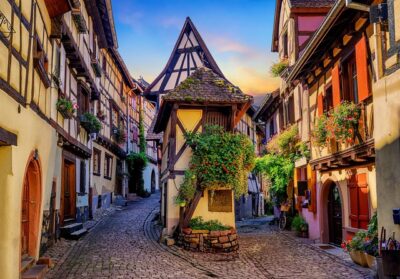
Colmar, Medieval Village & Castle Small Group from Strasbourg
Read our review →
Strasbourg Food Tour – A Taste of Tradition by Do Eat Better
Read our review →
This tour also appears in