
Reviewed · CHAMPAGNE TASTINGS & CELLAR TOURS
Champagne Cellar Experience: Explore our historic cellars
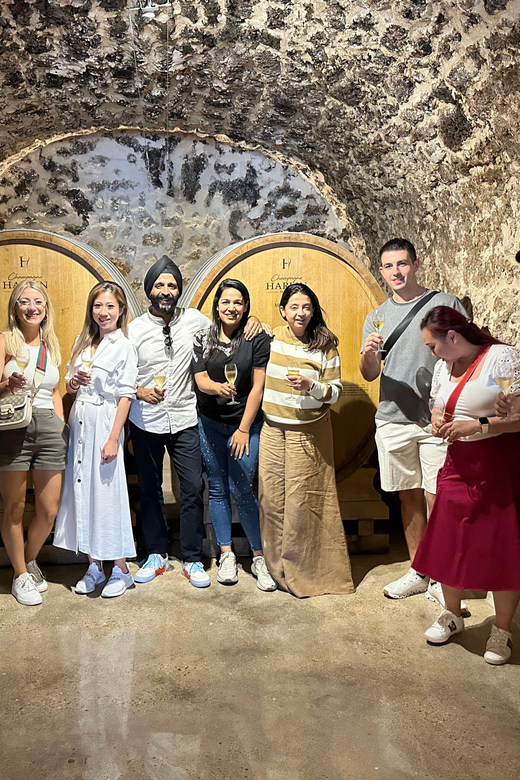
Tiny cellars, big champagne lessons. In Grand Est at Champagne Harlin Père & Fils, you start in a real working courtyard at 8 Rue de la Fontaine, then move through historic cellars and finish with an expert tasting. It is a focused, 1 hour experience that teaches you how this producer thinks about terroir and sustainability, not just how to pronounce champagne words.
I love that the visit mixes a winery and cellar walk with a guided tasting, so the bubbles make sense. I also like that you taste three champagnes plus Ratafia Champenois, each tied to different terroirs, including Mareuil-le-Port, Épernay, and Tours-sur-Marne. That structure makes it easier to learn, even if you are new to Champagne.
One possible drawback: this is short and there is no vineyard tour included, so if you are hoping to walk the vines, you will need a separate add-on or a different activity.
In This Review
- Key takeaways before you go
- Arriving at Champagne Harlin, 8 Rue de la Fontaine
- The cellar tour: what you see during the 1 hour visit
- The tasting flight: 3 champagnes and Ratafia Champenois
- Terroir talk made practical: soil, climate, and cuvée
- Sustainability and biodiversity: what it changes beyond the brochure
- Price and value: is $23 worth it?
- Who should book this Champagne Harlin cellar experience
- Quick practical tips to make the most of the tasting
- Should you book this Champagne Cellar Experience?
Key takeaways before you go
- Cellar-first tour flow: You see the cellar and winery, then you taste, so the tasting is grounded in what you just saw.
- A full flight, not a sip: You taste 3 champagnes plus 1 ratafia (Ratafia Champenois).
- Terroir spotlight: The tasting is tied to specific areas, including Mareuil-le-Port, Épernay, and Tours-sur-Marne.
- Sustainability with a point: You meet a producer focused on biodiversity and sustainable viticulture and learn how it connects to craft.
- Tasting with guidance: The host explains the art of tasting, which helps you describe what you like instead of guessing.
Arriving at Champagne Harlin, 8 Rue de la Fontaine
This tour starts in a simple place, the courtyard of Champagne Harlin Père & Fils at 8 Rue de la Fontaine. Expect your guide to be waiting there, or to come greet you shortly. It is the kind of meeting point that feels old-school and easy, no complicated shuttles or confusing landmarks.
You are also in a very practical part of Champagne country. The area is listed as less than 2 hours from Paris, about 20 minutes from Épernay, and around 30 minutes from Reims. That matters if you are building a day trip and want something that fits between train times, lunch plans, and other stops.
The experience itself is offered in French and English, so you do not have to gamble on your comfort level with the language. Since the guide is there live, you can ask basic questions as you go, especially during the tasting portion.
The cellar tour: what you see during the 1 hour visit
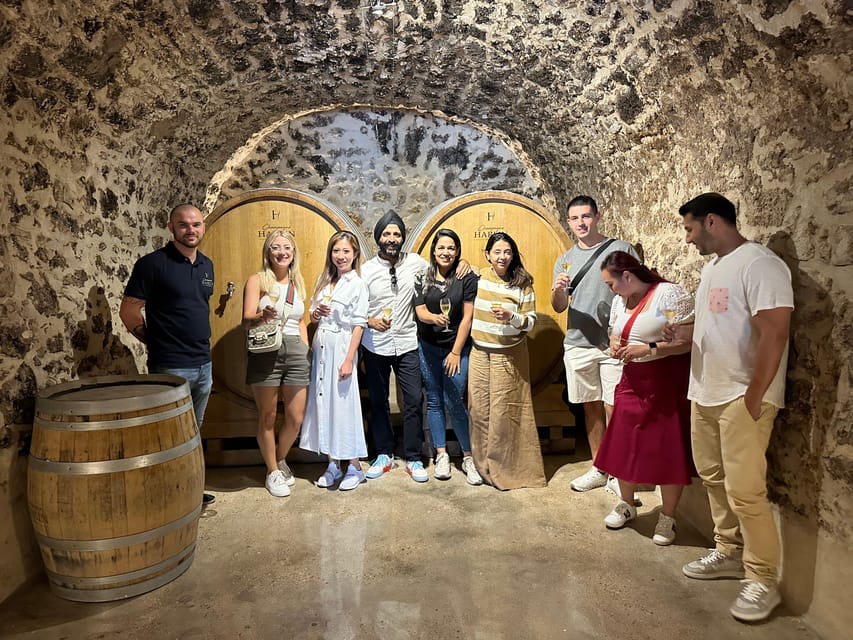
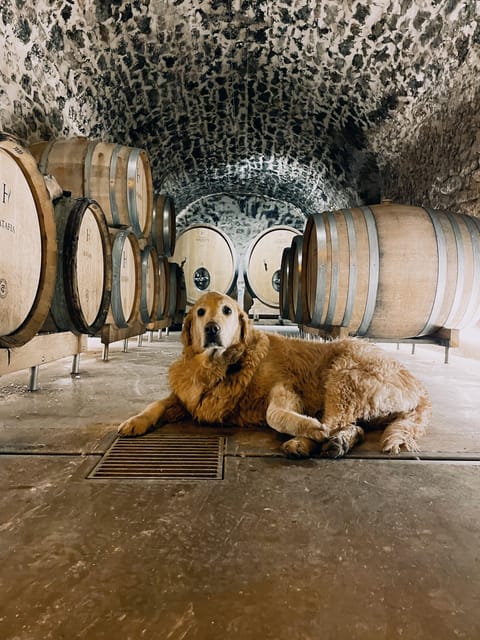
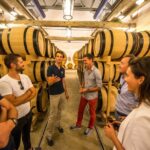
The main tour portion is designed to keep your attention on how the house works. You start at Champagne Harlin’s site and spend about 1 hour in the cellar and winery areas. This is not just a hallway of photos. It is a guided walk through the historic cellar setting, with the producer’s perspective layered in as you move.
What makes this part valuable for you: it gives you “why” before “taste.” When the guide explains how champagne is made, and how the producer approaches viticulture, you will notice the details during the tasting more clearly. You will also have a better feel for the terms people throw around, like what a cuvée is meant to communicate about place and decisions in the vineyard.
A practical note: because the tour is short, the pace is likely brisk. Wear comfortable shoes and keep your phone ready for quick notes, but do not expect long pauses for lots of independent wandering. This is a guided experience, meant to move from cellars to glass efficiently.
More chalk cellars of Champagne:
- From Reims: Champagne and Family-Run Wineries Tour
★ 4.8 · 671 reviews - From Epernay : Champagne tasting with a vintage car
★ 4.9 · 133 reviews - Champagne experience with a vintage van from Epernay – 3 hours
★ 5.0 · 108 reviews
The tasting flight: 3 champagnes and Ratafia Champenois
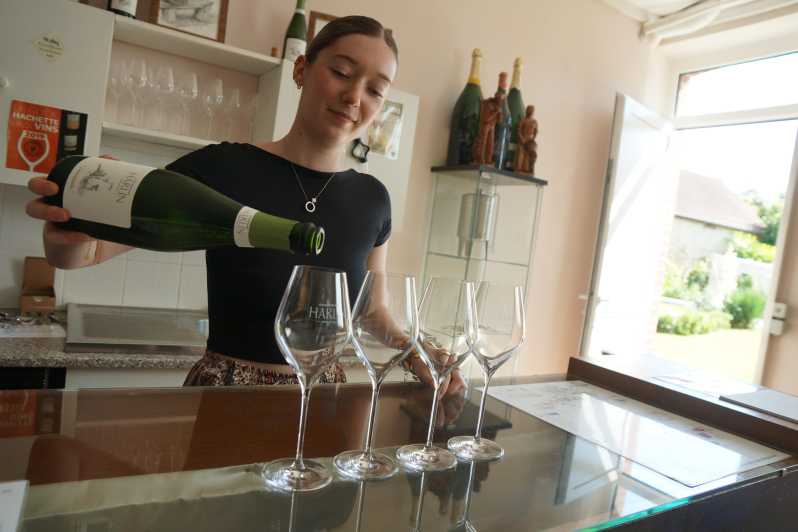
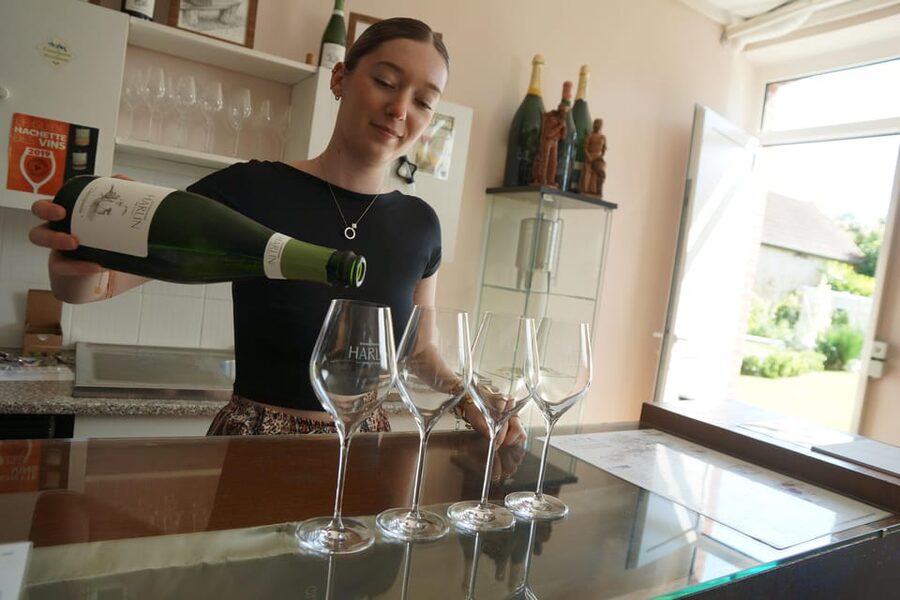
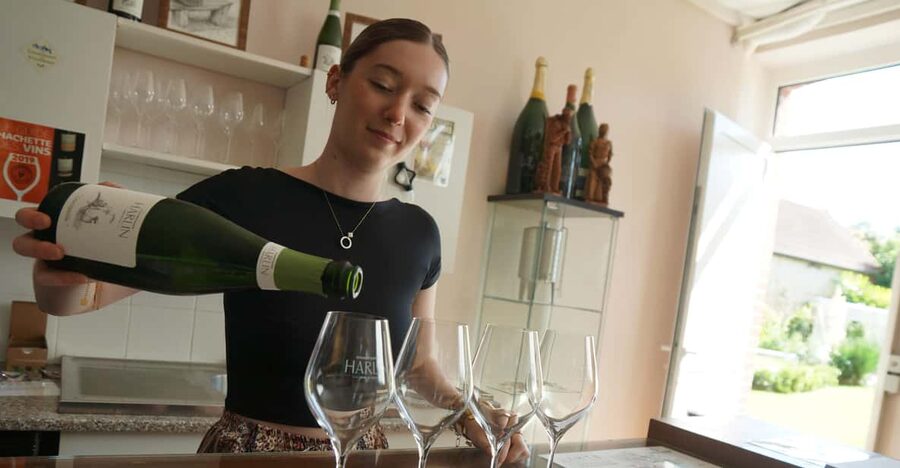
After the cellar walk, you shift into the tasting. This part is about 30 minutes and it is guided, meaning you will not just receive pours. You should expect instruction on the art of tasting, so you know what to notice in aroma, balance, and style.
The flight is straightforward and fun to compare:
- Three champagnes to taste, each linked to the tasting’s terroir focus
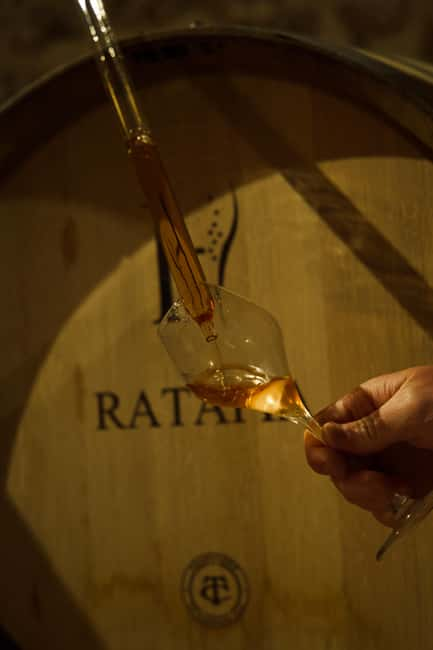
- One Ratafia Champenois, which is a delicate local specialty
The terroir references that matter here are Mareuil-le-Port, Épernay, and Tours-sur-Marne. Even without deep technical knowledge, you can use this structure to learn fast. You can focus your attention on how the glasses differ, then connect those differences to what you heard during the cellar portion about soil, climate, and the producer’s choices.
Here is how to get more out of your tasting in real terms:
- Take one simple note per glass, even if it is only “more crisp” or “more rounded.”
- Choose one word for each pour, like fresh, toasty, or fruity. Keep it consistent.
- Save questions for after each pour, not at the very end. The guide’s explanations will stay fresher that way.
If you are traveling with someone who likes wine but not Champagne, this is still a good fit because the tasting is guided and the selection is set up for comparison. If you are new to Champagne, the Ratafia can be especially interesting, since it is a different style and helps you understand the broader Champagne region beyond the classic bottle-and-party image.
Terroir talk made practical: soil, climate, and cuvée
Champagne is not only about grapes. It is about the decisions that translate what the vineyard gives into what ends up in your glass. In this experience, you should expect the guide to connect the dots between place and taste, using the terroirs tied to your tasting.
When you hear talk about soil and climate, try to translate it into something you can actually taste:
- When something feels crisp or taut, it often reflects how the vineyard’s conditions support acidity and freshness.
- When something feels softer or rounder, it can reflect maturation choices and how the grapes express ripeness.
- When you find mineral or structured notes, it is often tied to how the land influences flavor development and balance.
You do not need to memorize technical definitions. Instead, treat the tasting like a guided experiment. The cellar walk gives you context for how the producer approaches production, then the tasting lets you test what that means in flavor.
This is also where the instruction on tasting matters. If you have ever had the experience of thinking, That was good, but I do not know why, this kind of guided flight helps you build that “why” without making it feel like homework.
Sustainability and biodiversity: what it changes beyond the brochure
One of the strongest themes here is the producer’s commitment to biodiversity and sustainable viticulture. You are not just hearing a slogan. You should expect to meet the producer and discuss how biodiversity fits into the way they farm and manage the vines.
For you, the key value is learning what sustainability means in practice:
- Biodiversity can influence vineyard health, resilience, and how the ecosystem supports the vines.
- Sustainable viticulture often aims to reduce stress on the vineyard system, which can affect grape expression.
- The tour experience ties these ideas back to how the cuvées you taste reflect the terroir.
Does that mean every bottle tastes like a green philosophy poster? No. Wine is still wine. But it does mean you get a more honest picture of the choices behind the glass. When you care about quality, it is helpful to understand whether the producer is thinking long-term about the land, not only short-term about output.
This is also a good moment to ask direct questions. Since you are in a smaller setting than many big, high-traffic operations, your guide is more likely to answer with specifics, especially about biodiversity in the vineyard environment and how it supports sustainable growing practices.
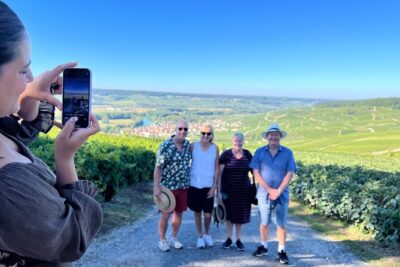
More French appellations, visited:
Price and value: is $23 worth it?
At $23 per person and about 1 hour total for the tour plus guided tasting, the value depends on what you want from the experience.
If your goal is a quick, high-learning stop, this is strong value. You get:
- A guided walk through the winery and cellar tour
- A guided tasting of three champagnes
- An additional local pour with Ratafia Champenois
- A chance to meet a producer who talks about biodiversity and sustainable viticulture
Where the value can feel thin is if you want a longer, vine-to-bottle experience. The vineyard tour is not included, so you do not get a full walk through the growing sites here. If your dream day is lots of time outside and detailed vineyard viewing, you will likely want a longer or separate vineyard-focused tour.
Still, for many visitors, this structure hits the sweet spot: it is compact, it teaches you what matters, and it leaves you with a tasting set you can actually remember and compare.
Who should book this Champagne Harlin cellar experience
This experience fits best if you like guided context more than free browsing.
Book it if you:
- Want an easy day-trip plan from Paris, Épernay, or Reims
- Like learning how production choices connect to taste
- Enjoy tastings where you get help noticing differences
- Care about sustainability, especially biodiversity and sustainable viticulture
- Want a compact stop that still feels meaningful
You may want to skip or double-check if:
- You are pregnant, since the activity is flagged as not suitable for pregnant women.
- You are bringing children. The information you have says children under 18 can accompany, but they will not be permitted to drink alcohol and fruit juices are provided, and it also flags the activity as not suitable for children under 18. If you are traveling as a family, contact the operator before booking so you know what will be allowed for your specific situation.
For solo travelers or couples, this kind of small-house tour often feels more personal. For groups, it is still a good format because the tasting is guided and structured, so you are not left wandering.
Quick practical tips to make the most of the tasting
- Plan to taste slowly. The tasting portion is only 30 minutes, so pace yourself.
- Ask one question during the cellar portion, then follow up during the tasting. You will connect the dots faster.
- If you are sensitive to alcohol, remember that the tasting includes multiple pours, plus you should plan around it afterward.
- Wear comfortable shoes. Cellars can be cool and paths can be uneven, even when the tour is not physically difficult.
Should you book this Champagne Cellar Experience?
My take: yes, if you want a focused, instructive champagne stop. The biggest selling point is how the experience is built. You walk the historic cellars and winery, then you taste three champagnes and Ratafia Champenois, and the whole thing is tied to terroir and sustainability. At $23 for a guided tasting set, it is a solid value if you like learning and comparing styles without spending half a day on logistics.
I would only hesitate if you specifically want a vineyard walk or a longer format. Since the vineyard tour ticket is not included, this is better as a tight, high-impact stop rather than the full countryside experience.
If you are in Grand Est and want to understand what makes this producer tick, this is the kind of tour that gives you real context, not just a drink ticket.
Centuries, Footnoted
- Paris: Louvre Museum Entry with History of Mona Lisa
★ 3.9 · 2,823 reviews - Paris: Dark History and Ghostly Guided Walking Tour
★ 4.7 · 1,000 reviews - Vieux Lyon Cultural & Historical Walking Guided Tour (English)
★ 5.0 · 942 reviews - Bordeaux: Historic Center & Chartrons District Bike Tour
★ 4.8 · 709 reviews
Latest Epernay entries, notes attached
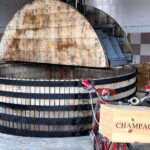

Champagne Tastings & Cellar Tours, compared.
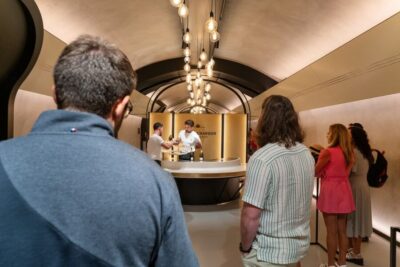
Day Trip to Champagne with 8 Tastings & Lunch
Read our review →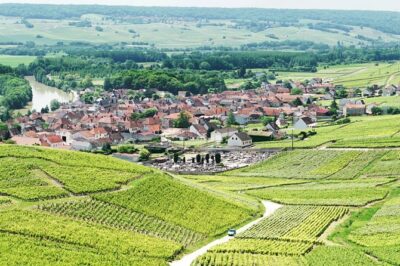
Champagne Day Trip with 6 Tastings, Reims and Winery from Paris
Read our review →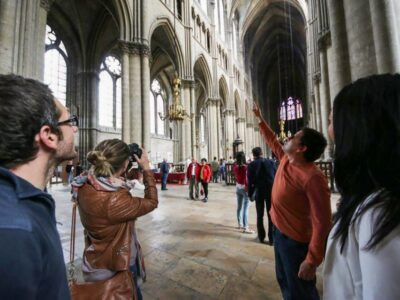
Guided Tour of Cathedral of Notre Dame de Reims
Read our review →
Champagne Day Trip from Paris with 8 Tastings & Lunch
Read our review →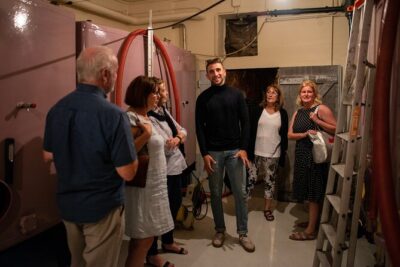
Reims afternoon tour Champagne and family growers
Read our review →This tour also appears in