
Reviewed · CHAMPAGNE TASTINGS & CELLAR TOURS
Champagne Vineyard Experience: Delve into the terroir
Bubbles start in the vines. This 90 minute Champagne vineyard experience at Champagne Harlin Père & Fils connects oldest-vine rows to cellar production stories, then ends with tastings of both Champagne and ratafia champenois. You also get a guided look at how soils shape each cuvée, plus time to learn how to taste beyond just saying you like it.
The main tradeoff to plan for is simple: the tasting slot is short, about 30 minutes, so you need to come ready with questions if you want more detail on styles, differences, and your own preferences.
In This Review
- Key things I’d circle on your map
- Start in the Harlin courtyard, then walk the estate in order
- From the grandfather’s vines to the oldest-vine rows
- How the historic cellar changes the conversation
- Terroir built into the tasting: three place names you should remember
- Biodiversity and organic viticulture, explained without preaching
- Timing and what the 90 minutes really feel like
- Language, group feel, and who should go
- Price value at $28, what you’re really paying for
- Practical notes for families and first-time tasters
- Should you book Champagne Harlin’s terroir tour?
- FAQ
- How long is the Champagne Vineyard Experience?
- Where do I meet the guide?
- What is included in the ticket price?
- What will I taste on this tour?
- Are the tours available in English?
- Can children attend?
- Is alcohol allowed during the activity?
- Is there a cancellation option?
Key things I’d circle on your map
- Oldest vines on the estate, not just a quick photo stop
- Historic cellar visit focused on how Champagne is made
- Champagne plus ratafia champenois in the tasting
- Tasting guided by terroir, tied to Mareuil-le-Port, Épernay, and Tours-sur-Marne
- Organic and sustainable viticulture with a biodiversity commitment
- Some stairs, especially for cellar access and the tasting room
Start in the Harlin courtyard, then walk the estate in order
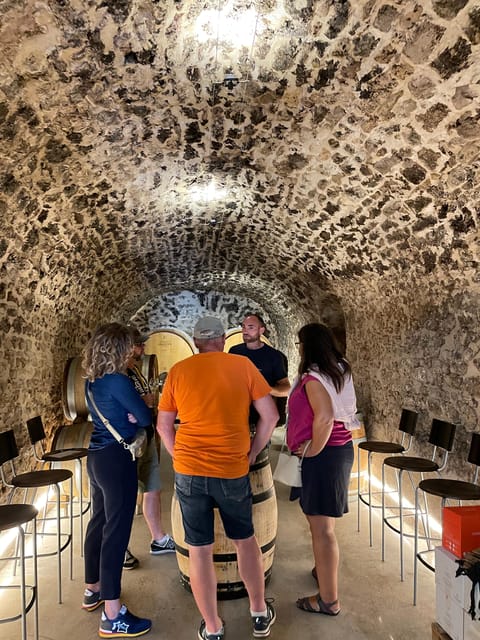
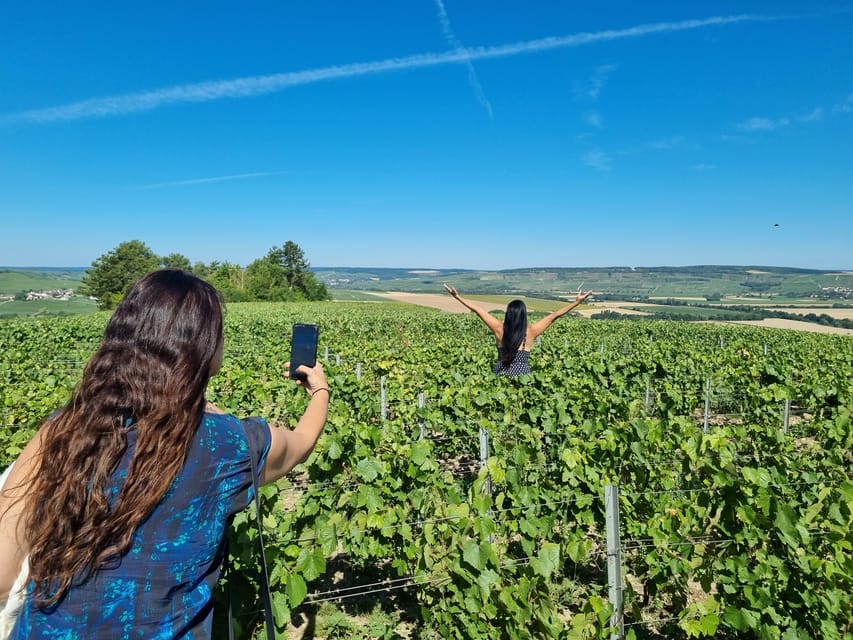
Your tour begins in the courtyard of Champagne Harlin Père & Fils at 8 Rue de la Fontaine. From the start, the pace is set up like a guided stroll, moving from the garden area where your host points out the grandfather’s vine legacy, then on to the vineyards themselves.
What I like about this format is the way it follows the logic of Champagne. You are not jumping around the property. You start with where grapes grow, then you go down into the cool cellar world where production happens. That ordering helps you understand why the same region can taste different from one cuvée to the next.
Plan to wear shoes you trust on uneven ground. This is a vineyard and cellar route, and at least a few stairs are part of the experience, including getting down to the caves and back up to the tasting area.
From the grandfather’s vines to the oldest-vine rows
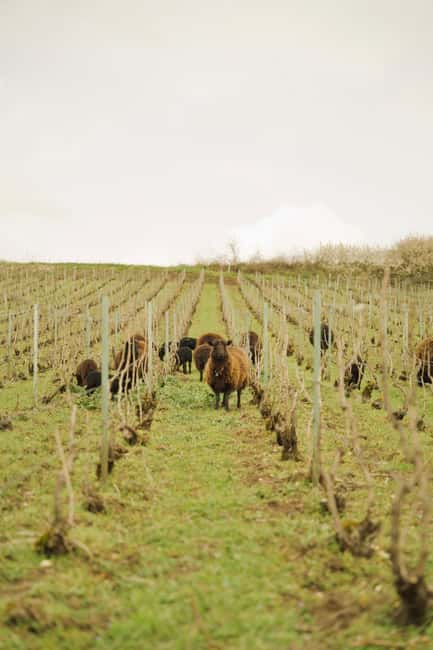
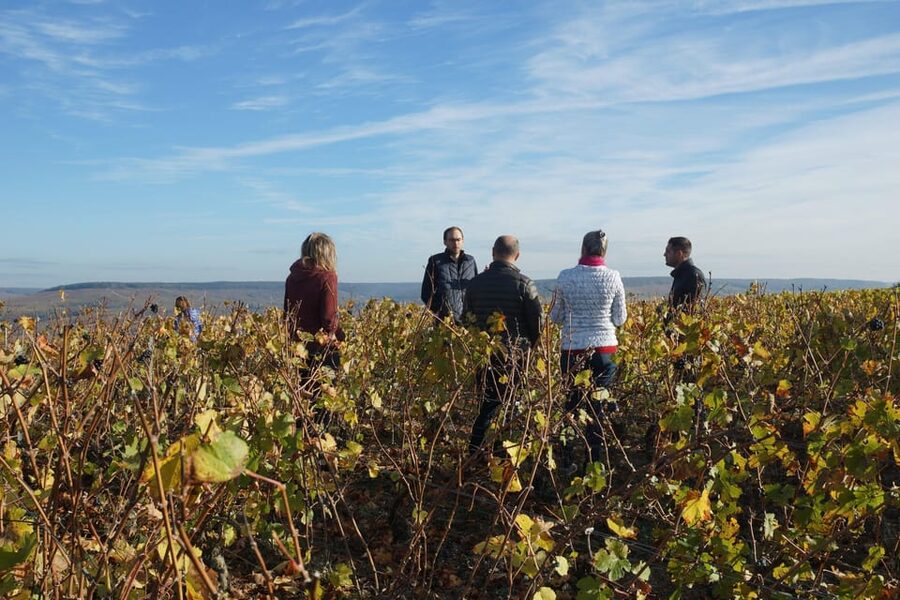
One of the tour’s biggest strengths is the focus on the estate’s older vines. Older stocks matter because they often bring a different balance to how grapes ripen, how they handle stress, and how the fruit can express character in the glass. You are not just told that older vines are special, you get the chance to walk through the vineyard context that makes that statement make sense.
In plain terms, this is where you start thinking about terroir as something you can see and feel, not just a marketing word. Your guide connects soil and viticulture choices to what you later taste. If you pay attention here, tasting stops being a mystery. It becomes a test.
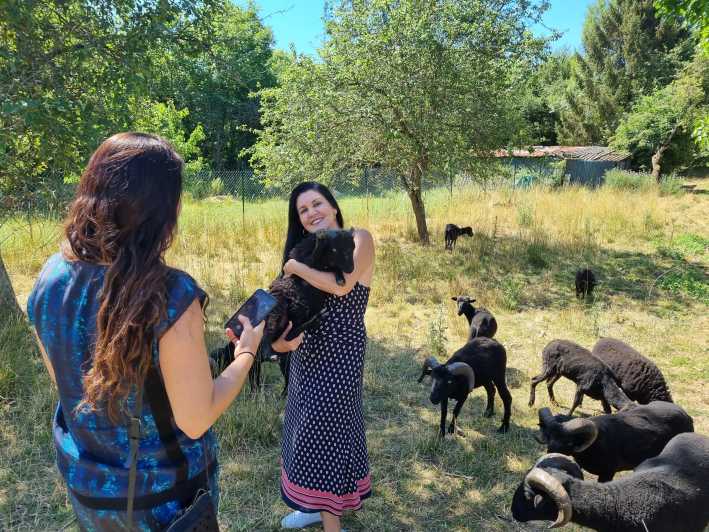
You can also expect a small vine walk, plus the chance to observe how the estate handles its growing practices. The tour leans toward organic and sustainable viticulture, and it highlights a real commitment to biodiversity preservation. That means you are more likely to hear how the vineyard ecosystem is managed, not only how grapes are harvested.
More chalk cellars of Champagne:
- Paris: Moulin Rouge Cabaret Show Ticket with Champagne
★ 4.7 · 16,088 reviews - Paris: Paradis Latin Cabaret Show with Optional Champagne
★ 4.6 · 2,231 reviews - Paris 3-Courses Gourmet Dinner Seine River Cruise with Champagne
★ 4.0 · 1,659 reviews
How the historic cellar changes the conversation
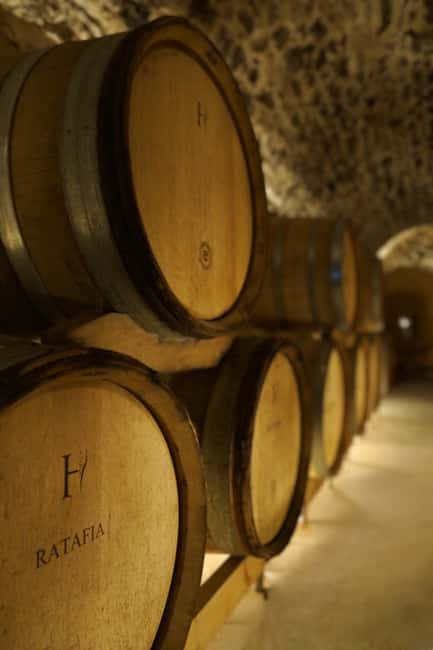
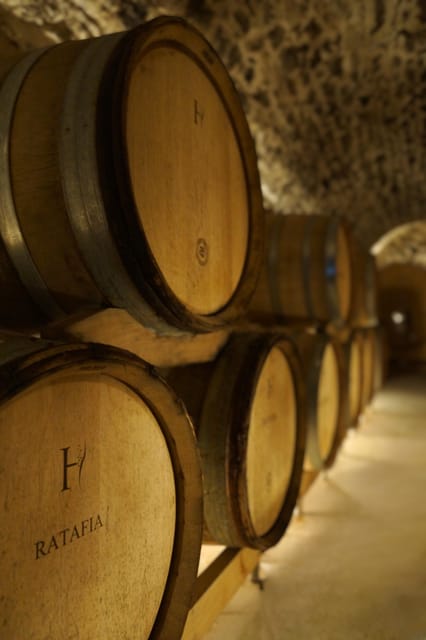
Next, you head down into the cellar, where the temperature and the air do their part. Cellar visits work best when they are tied to stories of process, and this one is built around the secrets of Champagne production.
You explore a historic cellar, then move through the steps as your guide explains what happens between fruit and bottle. Even if you already know the basic terms, the value here is how the guide frames the sequence. Instead of turning it into a lecture of buzzwords, the tour connects production steps back to why terroir still matters after the grapes are harvested.
Also, expect stairs here. The tour description and practical feedback point out that cellar access includes some steps, and that the route continues to the tasting room. If you have mobility limits, you should factor in the stairs ahead of time so you do not end up rushed or uncomfortable.
Terroir built into the tasting: three place names you should remember
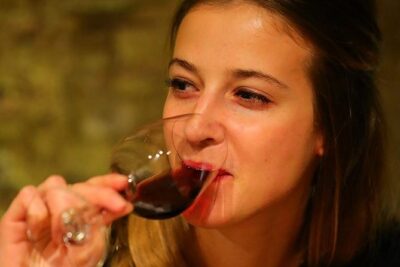
The tasting is where the tour earns its keep. You taste multiple Champagnes, and you also get a pour of the estate’s emblematic Ratafia Champenois. Ratafia champenois is made from the region’s traditions, and it’s a great way to broaden your sense of what Champagne culture includes beyond sparkling wine alone.
Most importantly, your guide ties what you taste back to terroir regions connected to the estate’s story, specifically Mareuil-le-Port, Épernay, and Tours-sur-Marne. You do not have to memorize every detail, but you should try to note how each pour feels different. That is the whole point. If the tour does its job, you will start tasting acidity, weight, and texture as signals of place and vine decisions, not random luck.
Because the tasting window is about 30 minutes, you’ll want to use that time efficiently:
- Ask your guide to point out what to notice in each wine style (aroma, palate feel, finish)
- Tell them what you usually like, dry versus round, crisp versus creamy, and ask where each pour lands
- Take a moment between pours to compare, not just sip and move on
If you prefer structure, this is the moment when your guide’s teaching style matters. Several past groups praised guides for clear explanations, and you can feel that when the tasting becomes a real lesson instead of a casual drink stop.
Biodiversity and organic viticulture, explained without preaching
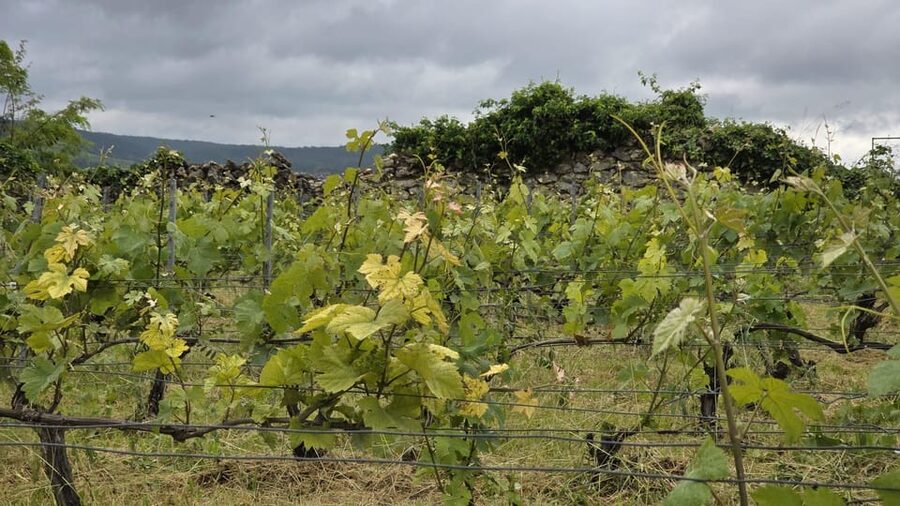
This tour is not only about vintage romance. It’s also about how the vineyard gets managed. The experience is guided by passion for organic and sustainable viticulture and includes a focus on biodiversity preservation.
Here’s why that matters to you. When a vineyard is managed with biodiversity in mind, it can change the balance of the ecosystem, how vines handle stress, and how consistent the growing conditions remain across seasons. Even if you never become a viticulture nerd, those choices can show up later in the glass as more character, more stability, or a clearer expression of place.
I also like that this topic is treated as part of the tour flow, not a separate lecture. You learn it while walking in the vines, then you see it echoed again when the guide explains soils and how they shape each cuvée.
More French appellations, visited:



Timing and what the 90 minutes really feel like
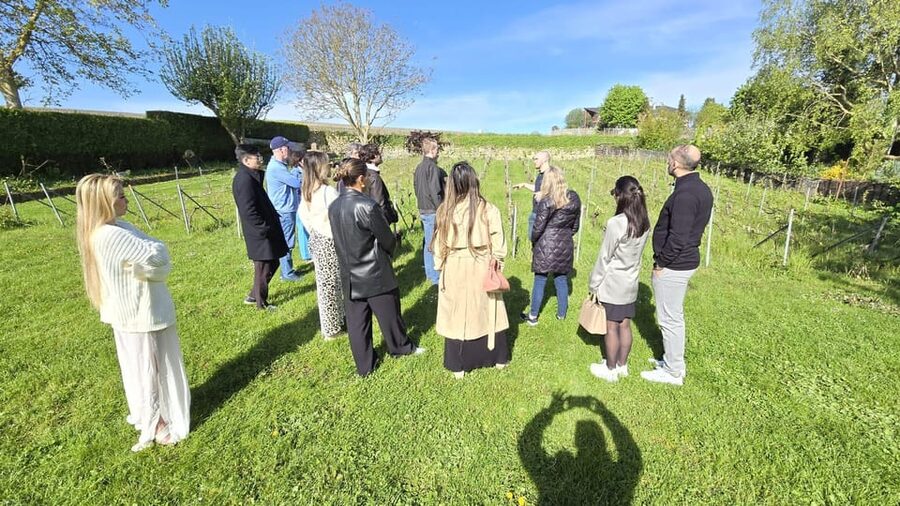
You should expect a tight but not rushed experience. Total duration is 90 minutes, with tasting taking about 30 minutes. That leaves around an hour for the vineyard walk and cellar exploration.
In practice, the route is active enough that you should plan for standing and walking, plus stairs in the cellar portion. If you like tours where you stay moving and learning, this format fits well.
If you are the type who wants long, slow tasting with deep comparison of many bottles, this tour is shorter than you might expect. That’s not a flaw, it’s a style. Think of it as an introduction with a guided tasting finish.
Language, group feel, and who should go
The guide speaks English and French. That’s a big deal in Champagne houses, where it’s easy to lose nuance if translation is thin. The better versions of this kind of tour are the ones where you can actually ask follow-up questions, and the guide-driven format here makes that more realistic.
Group size can affect how much you talk. Some experiences like this can feel almost private when schedules align, which means you may get more back-and-forth in the cellar and tasting room. If you come during a quieter time, you’ll likely get more time for questions about soil, production, and the tasting notes.
Who it suits best:
- Couples and solo travelers who want a vineyard-to-bottle story
- People who want something more educational than a basic tasting
- Travelers who appreciate organic and sustainability efforts when they are explained clearly
- Families who want the visit, with the understanding that teens and adults will have rules around drinking
Who should reconsider:
- If you want a long tasting focused on many different labels and big price comparisons, this is probably not the right match.
- If stairs are a concern, the cellar access may be a problem.
Price value at $28, what you’re really paying for
At $28 per person, you’re paying for more than a sip. You’re getting:
- A guided walk through the vineyards and garden area
- A historic cellar experience tied to Champagne production steps
- A tasting of Champagnes plus ratafia champenois
- Instruction that aims to teach you how to taste
So the value depends on your expectation. If you want a quick drink with no context, the price can feel high for the small tasting window. But if you want the story behind Champagne and the chance to ask questions while you move through the property, $28 starts to make sense.
There is one more honest note to keep you grounded. One review criticized the experience value and felt some parts did not match expectations. If you are extremely price-sensitive, I’d treat this as a guided estate tour first, tasting second, and decide based on whether you want that educational structure.
Practical notes for families and first-time tasters
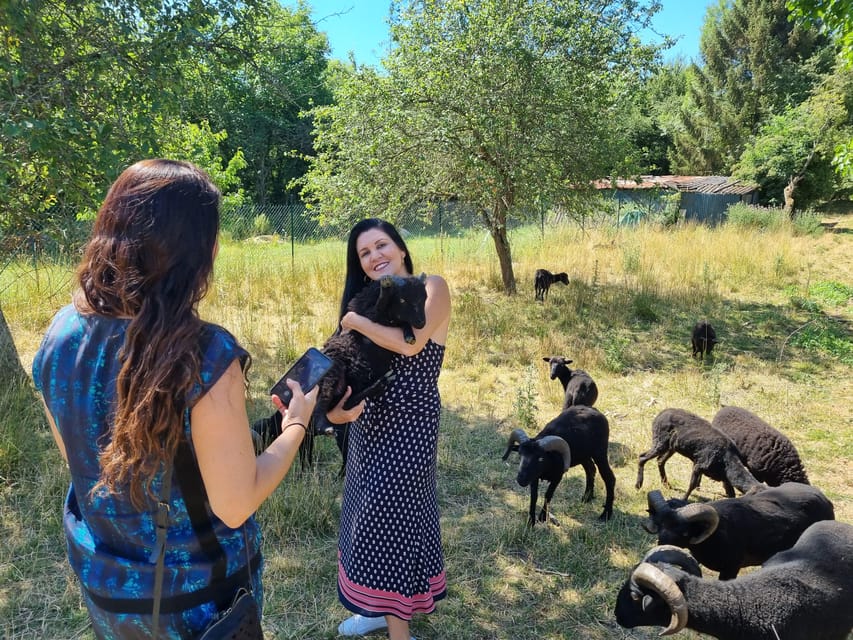
Children under 18 can accompany you. French law means they will not be allowed to drink alcohol. The good part is that they do not require a ticket for entry, and fruit juices can be provided for their enjoyment.
Also, alcohol and drugs are not allowed. That matters mostly as a reminder to keep the experience within the rules so everyone can enjoy the tasting safely.
For first-time tasters, I suggest you show up with two questions ready:
1) What should I pay attention to in this style of Champagne?
2) What about the soil or growing method would cause the difference I’m tasting?
If your guide is strong on explanations, you’ll leave with more than a few pleasant sips. You’ll leave with a way to taste on your own later.
Should you book Champagne Harlin’s terroir tour?
I’d book it if you want an estate-style Champagne visit that links vineyards to the cellar and then to a guided tasting. The combination of oldest-vine focus, historic cellar storytelling, and tastings that include ratafia champenois makes this more than a standard pour-and-photos stop.
I would hold off if you mainly want a long, bottle-heavy tasting with lots of time to compare price points and labels. This tour is built to teach and guide within a set timeframe.
If you are planning a Grand Est itinerary and you care about how organic and biodiversity-minded viticulture connects to what ends up in your glass, this is a solid use of 90 minutes.
FAQ
How long is the Champagne Vineyard Experience?
It lasts 90 minutes.
Where do I meet the guide?
Meet in the courtyard of Champagne Harlin Père & Fils at 8 Rue de la Fontaine.
What is included in the ticket price?
The ticket includes the guided tour, tasting, and a guide.
What will I taste on this tour?
You’ll taste Champagnes and ratafia champenois.
Are the tours available in English?
Yes. The tour guide offers English and French.
Can children attend?
Yes, children under 18 can accompany the tasting experience, but they won’t be permitted to drink alcohol under French law. They do not require a ticket for entry, and fruit juices can be provided.
Is alcohol allowed during the activity?
Alcohol is listed as not allowed, along with drugs.
Is there a cancellation option?
The experience offers free cancellation up to 24 hours in advance for a full refund.
Latest Champagne entries, notes attached

Champagne Tastings & Cellar Tours, compared.
Day Trip to Champagne with 8 Tastings & Lunch
Read our review →
Champagne Day Trip with 6 Tastings, Reims and Winery from Paris
Read our review →
Guided Tour of Cathedral of Notre Dame de Reims
Read our review →
Champagne Day Trip from Paris with 8 Tastings & Lunch
Read our review →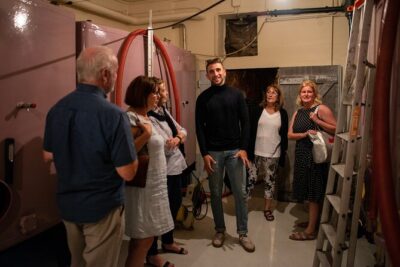
Reims afternoon tour Champagne and family growers
Read our review →This tour also appears in