
Reviewed · ALSACE TOURS
Colmar: Chocolate Museum Entrance Ticket
Chocolate history, with tastings at every turn. At Choco-Story Colmar, you wander through cocoa origins with hands-on sets, films, and 3D moments, plus a virtual demonstration with three master chocolatiers. I like that it mixes story with “do it” stops, and I like that the ticket keeps feeding you chocolate samples as you go.
One possible drawback: this is not a live-guided tour. You will rely on the included audioguide app for context, so if you prefer a real person to bounce questions off, you might feel a bit more independent than you hoped.
In This Review
- Key highlights at Choco-Story Colmar (Chocolate Museum entrance)
- Chocolate Museum Entrance Ticket: what this $14 experience really delivers
- Tropical forest start: cocoa pods, a monkey, and the “before chocolate” world
- Aztec temple and Quetzalcoatl: origins of cocoa in a story you can follow
- The 16th-century Spanish ship room: when Europe first learns cocoa
- European courts and special drinking equipment: luxury, flavor, and ritual
- Chocolate as medication: beliefs and the supposed benefits of cocoa
- Second floor: industrialization and why Alsace mattered
- Virtual demonstration with 3 master chocolatiers: technique you can actually grasp
- Tastings, including the end-of-route hot chocolate moment
- Price and logistics: is $14 a good deal?
- Who should book this Choco-Story Colmar ticket?
- Should you book the Colmar chocolate museum entrance ticket?
- FAQ
- How long does the Choco-Story Colmar chocolate museum visit take?
- What is the price of the Colmar Chocolate Museum entrance ticket?
- What is included with the ticket?
- Is a live guide included?
- What languages are available for the audioguide?
- What is the virtual demonstration about?
- Is the museum wheelchair accessible?
- Is free cancellation available?
- What kind of chocolate experiences can I expect?
Key highlights at Choco-Story Colmar (Chocolate Museum entrance)
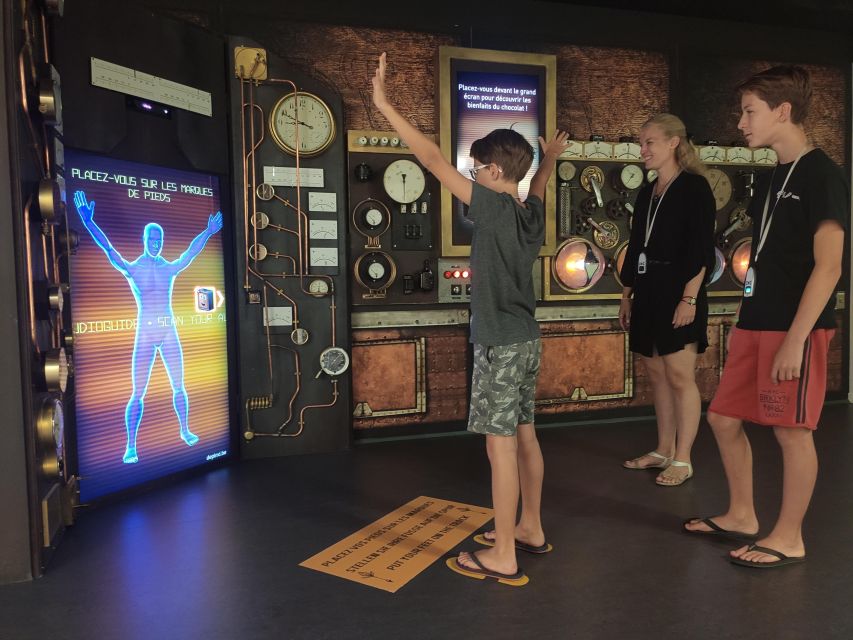
- 30 chocolate experiences built into the walkthrough
- Chocolate samples along the route, so you can taste as you learn
- A virtual demonstration featuring three master chocolatiers and their techniques
- Multi-sensory storytelling, with films and 3D projections in themed rooms
- Audioguide in multiple languages (Chinese, English, French, German, Spanish, Dutch)
Chocolate Museum Entrance Ticket: what this $14 experience really delivers
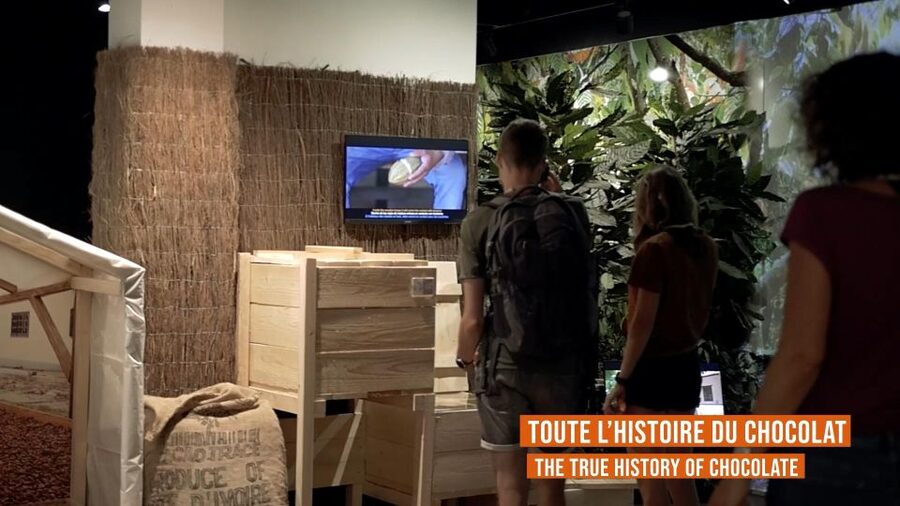
A chocolate museum in France could easily turn into a sugar parade with not much substance. Choco-Story Colmar avoids that trap. Instead of only selling chocolate, it turns the subject into a guided experience you can move through at your own pace, with little interactive stops that keep the story moving.
For about $14 per person, you get more than entry. Your ticket covers the themed route, the chocolate sampling, the virtual demonstration, and an audioguide app in several languages. For me, that’s the value sweet spot. You’re paying for an all-in experience, not just a hallway with displays.
The other reason it works well is tone. The museum does a good job keeping things understandable without stripping out the science and tradition. You’ll see cocoa origins, how it traveled, how Europeans treated it as both luxury and medicine, and how Alsace became a major producer. If you like chocolate, you’ll enjoy the payoff. If you’re bringing kids, it’s also structured to hold attention.
Tropical forest start: cocoa pods, a monkey, and the “before chocolate” world
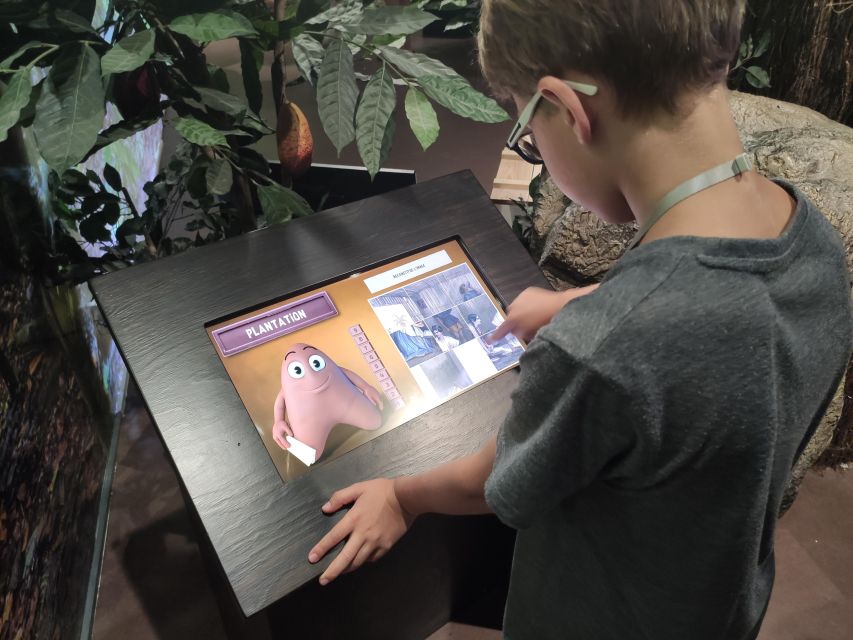
Your visit kicks off in a tropical forest scene. It’s not just painted scenery. This first zone sets the tone with a guided-feeling sequence of sights and audio that point you toward what cocoa is before it becomes sweets.
You meet a small monkey in the story, and it’s there for a reason. The museum uses that moment to connect cocoa harvesting to real life, then explains how cocoa trees are managed and how pods become the starting point for everything that follows. The point is simple: you can’t appreciate chocolate unless you know what comes before the chocolate bar.
Practical tip: Go into this first room with your senses switched on. The forest start is where the museum’s pacing begins, so if you rush, you’ll miss the “why” that makes later tastings make sense.
More French collections worth the coat check:
- Visit of Choco-story COLMAR, the Chocolate Museum.
★ 4.0 · 117 reviews - Paris: Orsay Museum Entry Ticket
★ 4.7 · 25,647 reviews - Louvre Museum Masterpieces Guided Tour with Access
★ 4.5 · 12,023 reviews
Aztec temple and Quetzalcoatl: origins of cocoa in a story you can follow
Next you move into an Aztec temple scene centered on Quetzalcoatl and the legend of cocoa’s introduction to the world. The setting is theatrical, with a big symbolic feel, but the goal is clarity. The museum ties the mythology to cocoa’s cultural roots, then bridges you toward how people valued cocoa long before it became a European treat.
What I like here is the way the story keeps stepping stones for you. You are not just looking at facts. You’re moving through themed rooms that explain how beliefs, practices, and geography shaped cocoa’s path.
Possible consideration: If you are expecting strict museum-style historical documentation only, you might find the myth-and-legend approach less academic. Still, it’s a strong way to keep the experience lively, especially if you’re visiting with different age groups.
The 16th-century Spanish ship room: when Europe first learns cocoa
One of the most memorable parts of this visit is the Spanish ship setting that takes you to cocoa’s journey toward Europe. This isn’t a quiet display. The museum uses theatrical effects and changing environments to make the transfer feel like an event.
The story uses classic sensory cues: you’ll notice changes in the room atmosphere, with effects meant to make you feel like the journey is unfolding around you. The focus is on the route cocoa traveled, and on what Europeans were curious about when they first encountered it.
Then you connect that to what comes next. If you pay attention here, you’ll understand why the European “chocolate era” was not instant. It took time for cocoa to show up in courts, kitchens, and the rituals of drinking chocolate.
European courts and special drinking equipment: luxury, flavor, and ritual
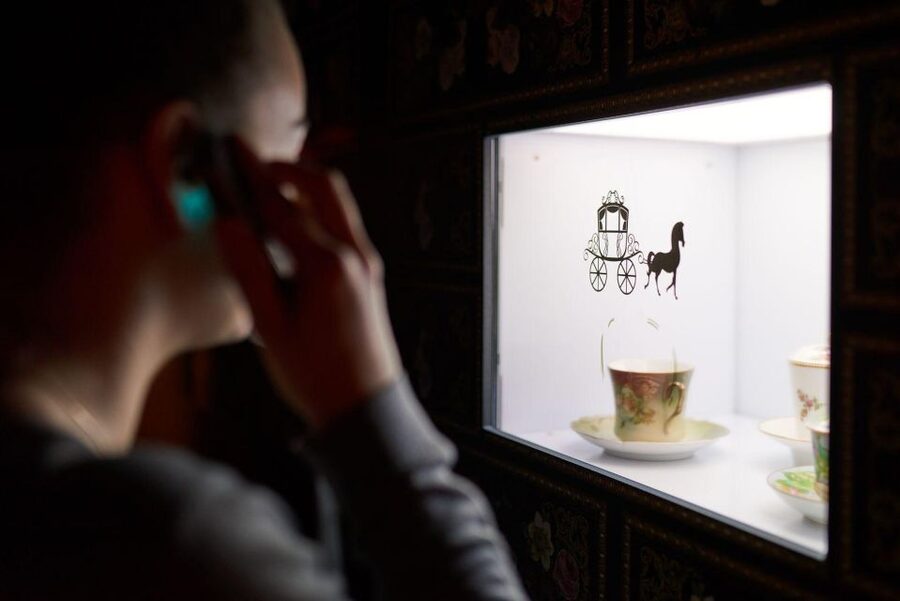
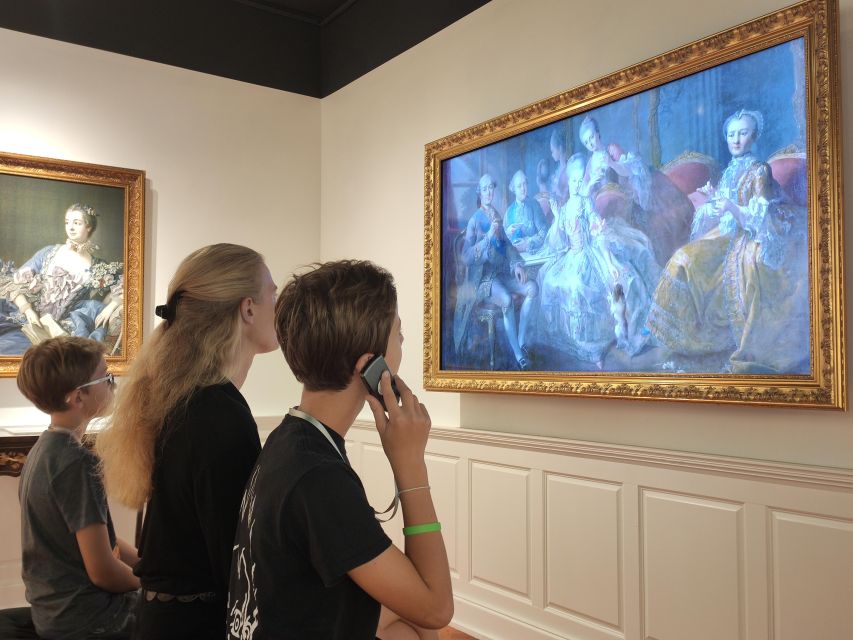
A century later, the museum shifts to the moment chocolate enters European court life. The tone becomes more refined, and the emphasis moves toward what people did with cocoa once it became a fashionable drink.
You’ll follow the evolution of chocolate into court culture, and you’ll see the kind of equipment people created to drink it. That matters because chocolate at that time was often prepared and served differently than what you’re used to now. If you’ve only ever had modern hot chocolate from a packet, this room gives you helpful context for why the textures and flavors can feel different.
Also included in this section is the museum’s attention to the flavors of that era. You are encouraged to notice how recipes and preparation methods shaped taste. It’s the kind of detail that turns a general “chocolate is great” visit into something you can talk about later.
Other Colmar bookings in the margin notes


Chocolate as medication: beliefs and the supposed benefits of cocoa
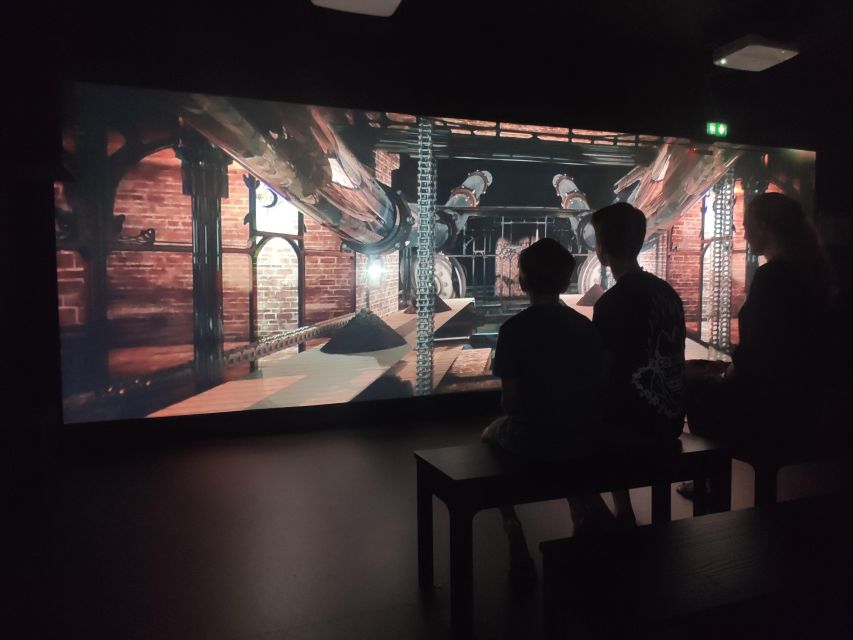
The museum doesn’t treat cocoa as only dessert. You’ll also see how chocolate was connected to health beliefs, including the idea that it could be medication. That section is designed to show how people interpreted cocoa’s benefits back then, including what they thought was true and what those beliefs reflected about the time period.
I appreciate that the museum frames it as beliefs and ideas, not just as modern health marketing. It’s a useful reminder that “benefits” often follow the logic of the era, not only modern science.
If you tend to like history that connects to everyday life, this portion is a good fit. It answers a question you might not have asked: why did people take cocoa seriously enough to build rituals and tools around it?
Second floor: industrialization and why Alsace mattered
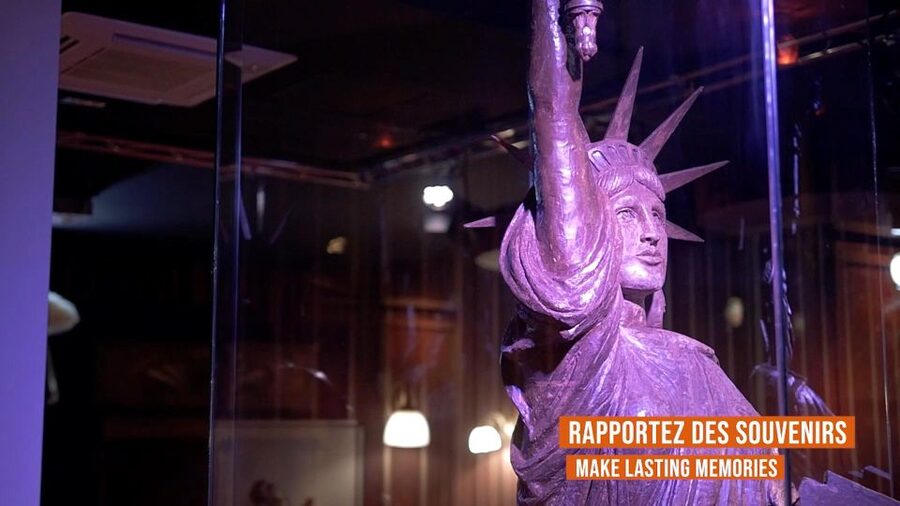
On the second floor, the story turns toward industrialization and the chocolatiers who helped make Alsace a major chocolate producer in France. This is where the museum becomes more about production and the business side of chocolate, still explained in an easy, walk-through way.
This section helps you understand why a place like Colmar makes sense for a chocolate museum. Alsace is not random scenery. The region’s role in production shaped its reputation, and you feel that shift in tone when you move into this area.
If you’re the type who likes to see how things scale, industrialization is a great theme. It ties the earlier travel story to a modern reality, where factories, techniques, and local expertise turn cocoa into something consistent enough to ship far beyond its origin.
Virtual demonstration with 3 master chocolatiers: technique you can actually grasp
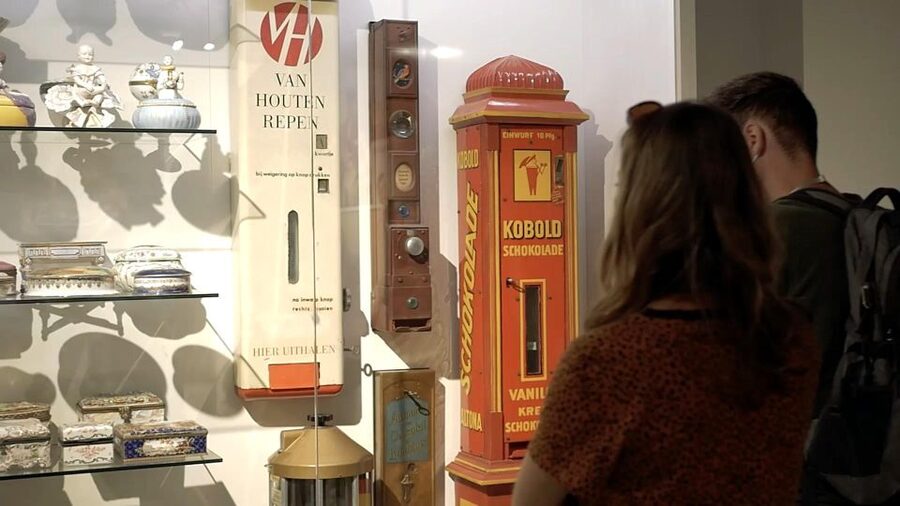
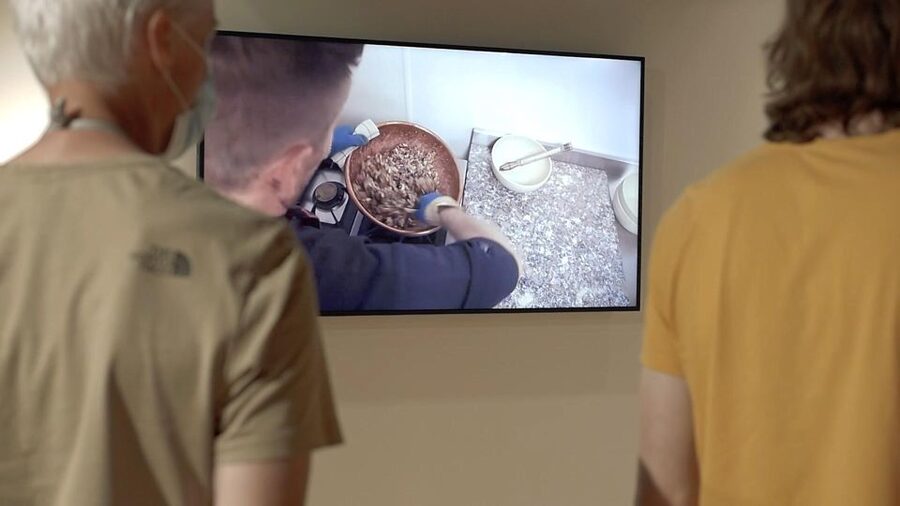
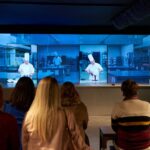
At some point, the museum brings you to a virtual demonstration with three master chocolatiers. This is one of the key reasons the ticket feels full, because it adds a “how it’s made” layer without requiring you to stand through a single live workshop.
You’ll hear about recipes and tricks they use to make perfect chocolates, and the way it’s presented supports the tastings you encounter as you go. Even if you’re not a chocolate maker, you can start noticing what “technique” means in flavor, texture, and presentation.
A practical move: pay attention to the ingredients and methods mentioned during the virtual demo. When you return to later tastings, you’ll be better equipped to connect the name of a technique to what you’re tasting.
Tastings, including the end-of-route hot chocolate moment
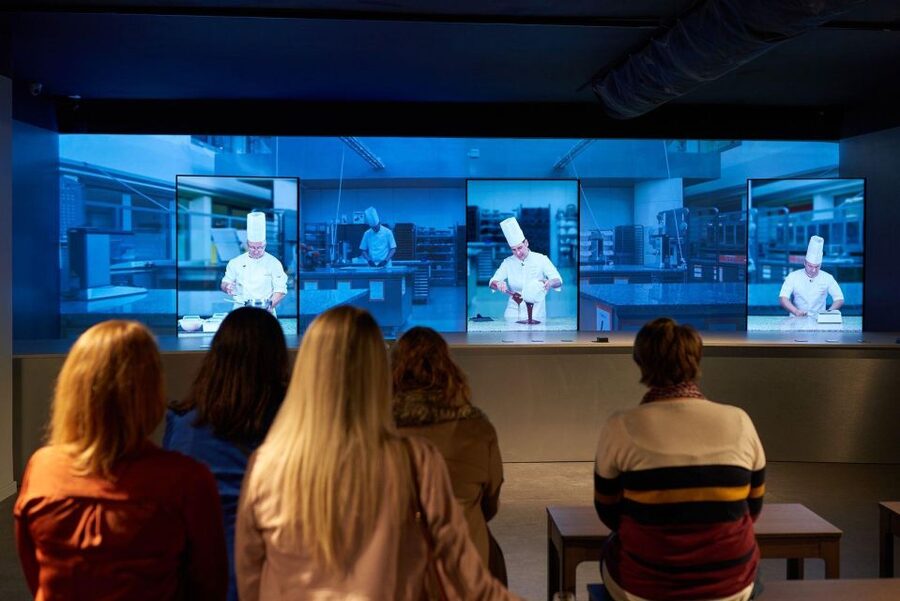
Chocolate samples are built into the route, not saved as a last-minute surprise. That pacing is smart. It keeps you engaged, and it lets you learn and taste in the same visit window.
There is also a finish that includes hot chocolate. The experience seems to end with a warm-drink moment that many visitors enjoy, though at least one person’s take was that the hot chocolate could be better. So if you’re a serious hot-chocolate person with strong preferences, keep your expectations flexible, but don’t skip it.
Price and logistics: is $14 a good deal?
At $14 per person for a 1-day ticket, you’re paying for a self-guided museum experience that includes:
- Entrance to the Choco-Story Colmar museum
- Chocolate samples throughout
- A virtual demonstration with three master chocolatiers
- An audioguide app in multiple languages
- Wheelchair accessibility
To me, the value comes from the combination. You’re not just paying for walls and screens. You’re paying for interactive rooms, repeated tastings, and guided context through the audioguide.
Also note: a live guide is not included. That’s fine for many people, especially if you like moving at your own pace. If you need a human to interpret details and answer follow-ups, you may want to pair the visit with a local guide or a walking tour in Colmar to fill the gaps.
Timing wise, the ticket is valid for 1 day, and you should check availability for starting times. Plan to spend enough time that you can pause for tastings without feeling rushed. This is not a ten-minute stop.
Who should book this Choco-Story Colmar ticket?
This works best if you want a chocolate-focused outing that doesn’t feel one-note. You’ll likely enjoy it if you:
- Like interactive museums with short segments and frequent “hands-on” moments
- Want chocolate tastings as part of the learning, not as an afterthought
- Prefer an audioguide format and can read on a phone or listen to audio as you walk
- Travel with mixed ages, since the pacing and activities are designed to keep both kids and adults interested
It might be less ideal if you strictly want a live lecturer or you hate self-guided experiences.
Should you book the Colmar chocolate museum entrance ticket?
Book it if you want a well-paced story of cocoa that includes tastings, films, 3D projections, and a virtual demonstration that adds technique to the fun. For a single ticket price, you’re getting a lot of content per hour without needing a separate workshop.
Skip it only if you dislike audioguides or you specifically need a live guide to answer questions. Otherwise, this is an efficient, good-value way to understand why chocolate has such a long, twisty journey, and to leave with a clearer idea of what you like and why.
FAQ
How long does the Choco-Story Colmar chocolate museum visit take?
The ticket is valid for 1 day. The exact time you need will depend on how slowly you move through the 30 chocolate experiences and tastings.
What is the price of the Colmar Chocolate Museum entrance ticket?
The price is listed as $14 per person.
What is included with the ticket?
Your ticket includes the entrance fee, chocolate samples, a virtual demonstration, and an audioguide app.
Is a live guide included?
No. A live guide is listed as not included.
What languages are available for the audioguide?
The audioguide app is available in Chinese, English, French, German, Spanish, and Dutch.
What is the virtual demonstration about?
It features three master chocolatiers presenting their recipes and the tricks they use to make their chocolates.
Is the museum wheelchair accessible?
Yes, the experience is listed as wheelchair accessible.
Is free cancellation available?
Yes. Free cancellation is available up to 24 hours in advance for a full refund.
What kind of chocolate experiences can I expect?
You can expect interactive rooms and activities as you move through the story, along with chocolate samples along the way, and a final hot chocolate moment included at the end of the route.
Latest Colmar entries, notes attached




Alsace Tours, compared.


Colmar, Medieval Village & Castle Small Group from Strasbourg
Read our review →


Strasbourg Food Tour – A Taste of Tradition by Do Eat Better
Read our review →
This tour also appears in