
Reviewed · MONTMARTRE WALKS
Paris: Le Marais & Montmartre Jewish History Walking Tour
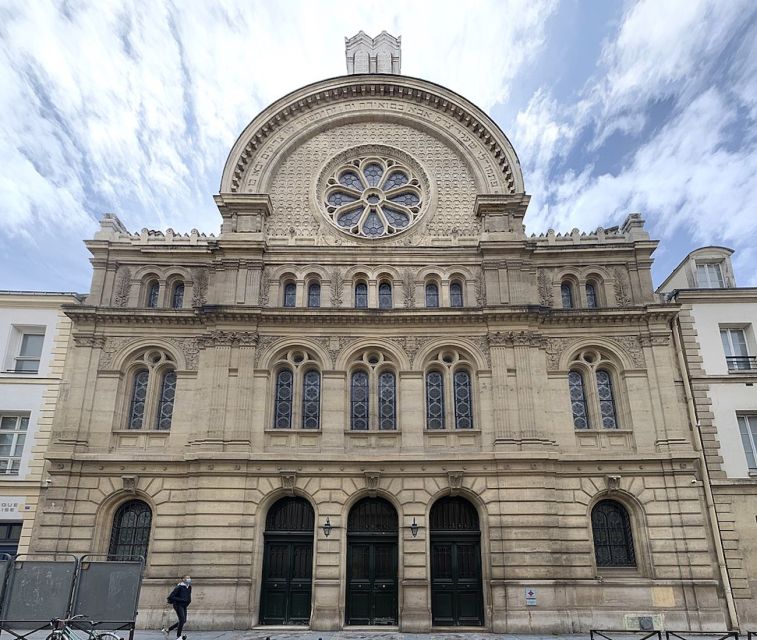
Jewish Paris reads like a living map. This small-group walk connects Le Marais and Montmartre to centuries of memory, with stops at the Art Nouveau Agoudas Hakehilos synagogue exterior and a big finish at Sacré-Cœur.
Two things I really like: the way the route turns ordinary street corners into meaningful moments, from medieval Jewish community life to the Shoah Memorial. I also like the Montmartre side, where places like Rue Ravignan and Le Bateau-Lavoir help explain how Jewish artists and writers fed modern Paris, and guides like Benjamin or Pierre-Louis are often praised for keeping it thoughtful, not heavy-handed.
One consideration: you do not get indoor entries to synagogues or other monuments, so expect mostly exterior viewing and street-level storytelling. It is also a long walk and not suitable for wheelchair users or people with mobility impairments, so plan accordingly if your legs are not at 100%.
In This Review
- Key Things You’ll Remember
- Why Le Marais Then Montmartre Works So Well
- Meeting Points at BHV Marais or L’Elephant Du Nil (How Not to Miss the Group)
- Le Marais Jewish Quarter: Agoudas Hakehilos and Street-Level Storytelling
- The Shoah Memorial Moment: Quiet, Direct, and Context-First
- From Hôtel de Ville to Montmartre: The Public Transport Transfer That Saves Your Legs
- Montmartre’s Jewish Threads: Rue Ravignan, Le Bateau-Lavoir, and Creative Circles
- Sacré-Cœur Panoramas and the Ending Reflection at Square Louise-Michel
- Price and Value for 3.5 Hours of Guidance (Plus What Is Not Included)
- Who This Tour Suits Best, and Who Should Skip It
- Practical Tips So the Walk Feels Easy
- Should You Book This Jewish Paris Walk?
- FAQ
- How long is the Paris Le Marais and Montmartre Jewish History walking tour?
- What does the tour include?
- Are synagogue interiors included?
- What language is the guide?
- Where do I meet, and do I need to arrive early?
- Is the tour suitable for wheelchair users or limited mobility?
Key Things You’ll Remember
- Agoudas Hakehilos exterior by Hector Guimard gives you an Art Nouveau landmark with a very human backstory.
- Shoah Memorial stop is framed with appropriate sensitivity, and the stop lands differently than a quick photo break.
- Montmartre’s artist streets tied to Jewish voices adds texture to a neighborhood many people only see as a viewpoint.
- Small-group format (up to 9) helps your guide keep the pace and answer questions.
- Public transport included between neighborhoods saves energy and keeps the timing smooth.
- Your ending viewpoint at Sacré-Cœur turns history into something you can see, not just hear.
Why Le Marais Then Montmartre Works So Well
Le Marais and Montmartre can feel like two different Paris stories. That is exactly why this route is smart. You start where Jewish life shaped a specific district, then you move to a hillside quarter where Jewish thinkers, writers, and artists helped shape the cultural spotlight of the city.
Also, the tour is not just about one era. You are meant to connect the dots across centuries, so the past feels like a chain rather than disconnected facts. That structure is what keeps the 210 minutes from dragging.
The public-transport hop matters too. After walking the Marais portion, you get a breather before Montmartre’s climb and curves. That’s good design, because the finish at Sacré-Cœur is more enjoyable when you have not already burned through all your energy.
Meeting Points at BHV Marais or L’Elephant Du Nil (How Not to Miss the Group)
You get two possible start options, depending on what you booked: BHV Marais or L’Elephant Du Nil. The exact meeting point can vary, so treat your confirmation details as the real address, not a “close enough” situation.
Give yourself an extra buffer. You are required to arrive 15 minutes before the start, and it is not possible to join once the tour has commenced. BHV also has multiple entrances, so if you show up late, you might waste that last bit of daylight searching for the right doorway.
If you are worried about meeting a stranger in a big city, you are not wrong to think about it. In practice, the best move is simple: use the exact meeting instructions from your booking and wait close to that location. If your guide seems hard to spot, ask immediately rather than wandering off.
More Walking Tours in Paris
- Paris Top Sights Half Day Walking Tour with a Fun Guide
★ 5.0 · 2,893 reviews - Montmartre Hidden Gems and Scenic Highlights Walking Tour
★ 5.0 · 2,684 reviews - Montmartre Hill French Gourmet Food and Wine Tasting Walking Tour
★ 5.0 · 2,588 reviews
Le Marais Jewish Quarter: Agoudas Hakehilos and Street-Level Storytelling

Le Marais is where the tour really sets its tone. You walk through streets that still feel layered, and your guide ties that atmosphere to how Jewish communities shaped this area from the Middle Ages to today.
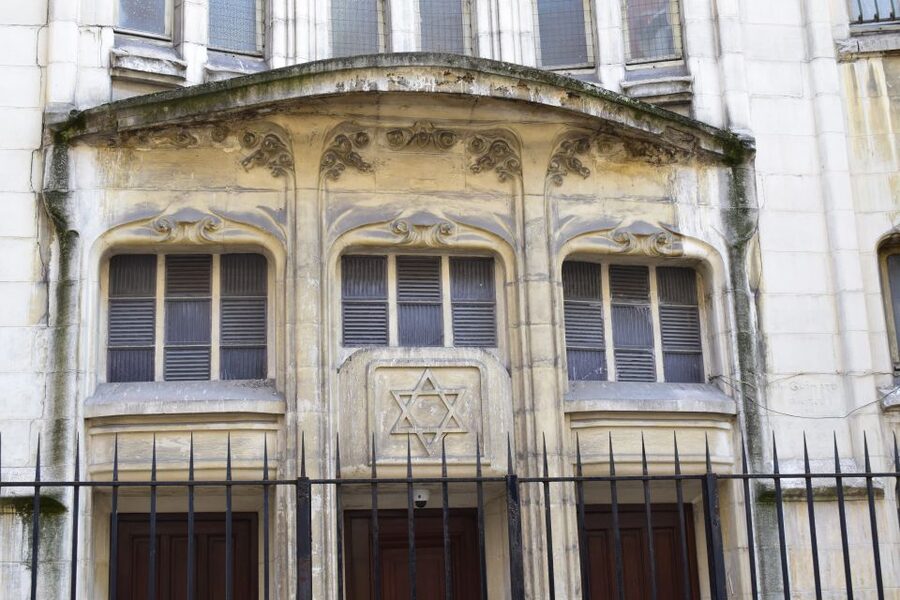
A major highlight is the stop for the Agoudas Hakehilos Synagogue. You see it from the outside, including its Art Nouveau credentials linked to Hector Guimard. Even without going inside, the exterior is worth your attention, because it shows how religious life and Parisian design tastes could exist side by side.
This section works best if you let the guide slow you down. The point is not to race from one plaque to the next. Instead, you get the “why” behind the place: how people lived, worked, traded, and built community in a part of Paris that later changed shape.
One reality check: parts of Le Marais can look gentrified today, so you may not see the old Jewish neighborhood layout the way you expect. The tour compensates for that with context, so you can still “see” the past through the stories and the surviving architectural cues.
The Shoah Memorial Moment: Quiet, Direct, and Context-First
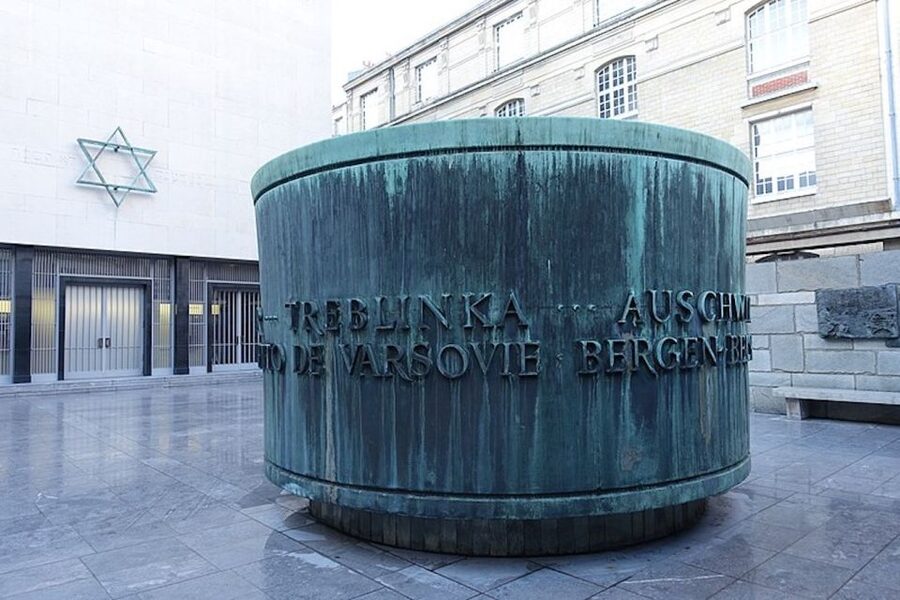
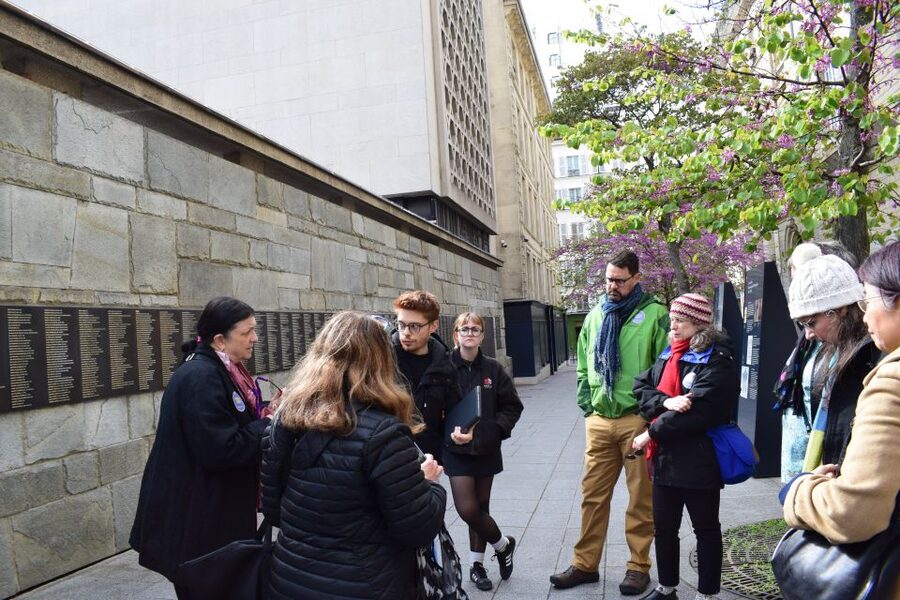
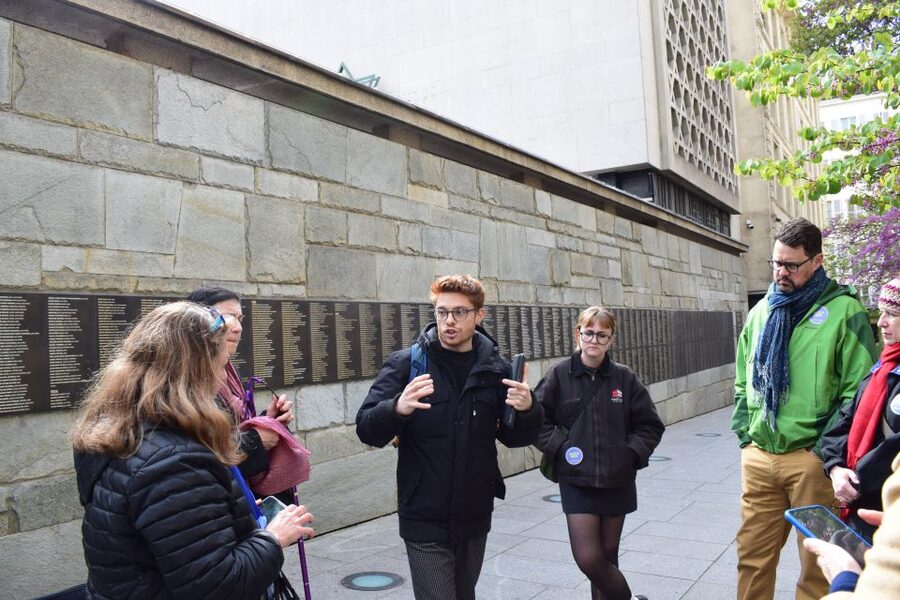
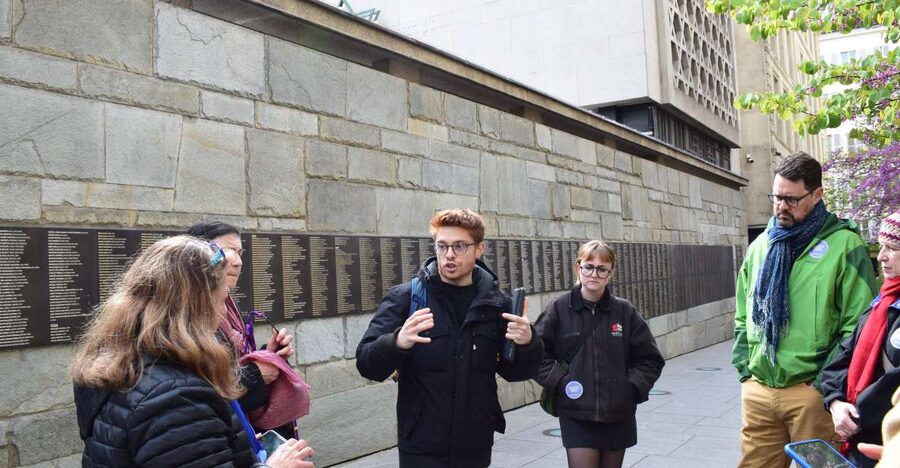
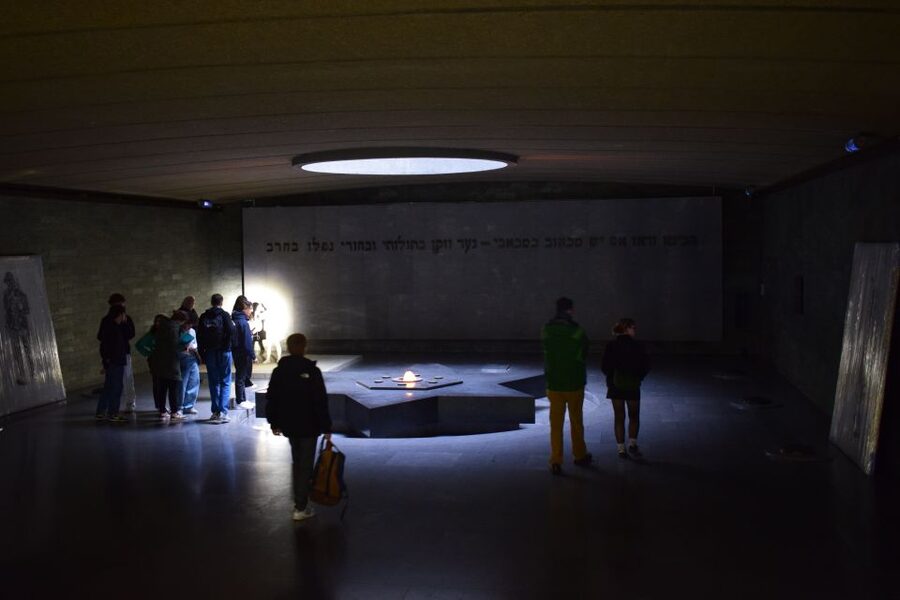
After some neighborhood walking, the tour shifts gears at the Mémorial de la Shoah. This stop is not about sightseeing. It is about memory, and the guides are often praised for handling sensitive topics with care and clear context.
You will visit the memorial area as part of the walk, and the moment is widely described as solemn. If you are the type who likes your history explained in plain language, you will probably appreciate the way the guide connects why the memorial exists and what it asks you to reflect on.
It is also a useful pause in the itinerary. Up to this point you have been hearing stories of community and creativity. Here, the tone changes on purpose, so the tour feels balanced instead of “history as only culture.”
Practical note: even if you are comfortable with heavy topics, give yourself a minute to breathe here. Do not rush it, and do not plan to cram the next stop right away in your head.
From Hôtel de Ville to Montmartre: The Public Transport Transfer That Saves Your Legs
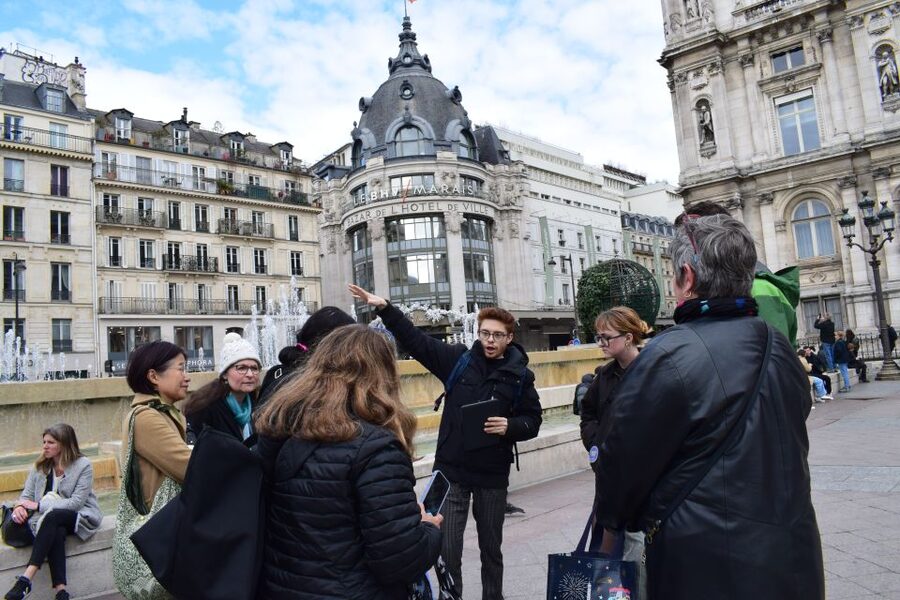
The itinerary moves through the Marais portion near Hôtel de Ville and then uses public transport to reach Montmartre. Public transport tickets are included, so you are not juggling phones and machines while still trying to keep up with the group.
This transfer is also where you feel the tour’s pacing choices. Rather than forcing a long walk up and across the city, you get a reset. That matters because Montmartre later includes steep streets and uneven steps.
If you tend to get distracted in crowds, this is the moment to stay close to the group. It is a small-group tour, but public transport still has bottlenecks. Your job is mostly to keep moving with confidence, not to stare at maps.
More climbs through Montmartre:
Montmartre’s Jewish Threads: Rue Ravignan, Le Bateau-Lavoir, and Creative Circles
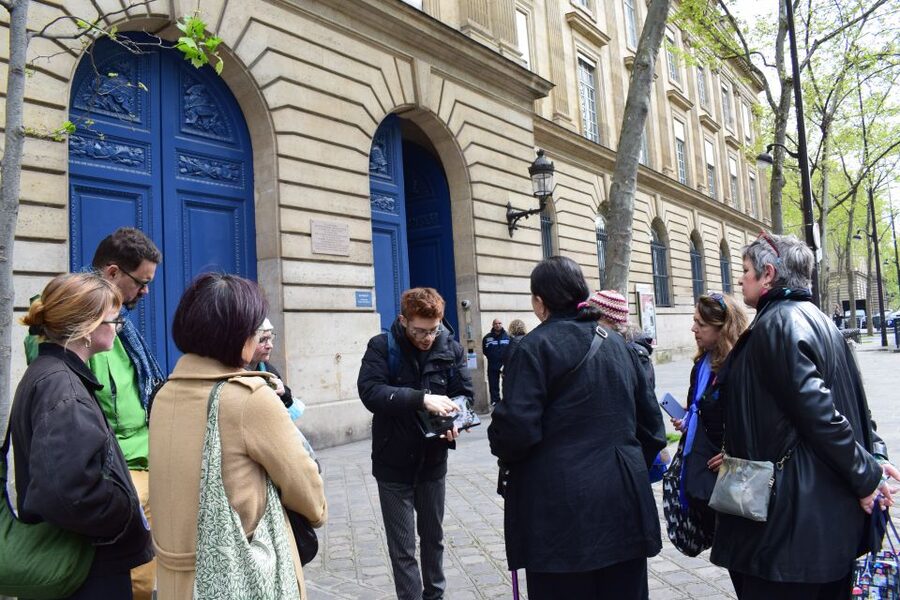
Once you hit Montmartre, the tour becomes a different kind of history lesson. The streets are famous for artists and writers, but this walk focuses on the Jewish voices within that cultural energy.
You’ll pass key points along the way, including 7 Rue Ravignan and Le Bateau-Lavoir. In Montmartre, places like these are more than photo stops. They are anchors for stories about studios, ambition, and the push-and-pull of creating a modern life in a city that was still changing fast.
Guides are praised for connecting French history to these neighborhood details, without turning it into a lecture. That matters because Montmartre can be noisy and crowded, and you only get the best effect if your guide turns confusion into a storyline.
You also get a quick reference pass by the Musée de Montmartre, plus a guided stop at 16 Rue du Mont-Cenis. Even if you are not going inside museums on this tour, these stops help you understand the neighborhood’s creative geography.
If you care about art history, you will likely enjoy the way Jewish identity is treated as part of the cultural heartbeat, not an afterthought. If you care more about political history, you will still find the creative side useful, because it shows resilience and contribution, not only tragedy.
Sacré-Cœur Panoramas and the Ending Reflection at Square Louise-Michel
The last act is Sacré-Cœur Basilica. You get sightseeing here, and the setting does something important: it lets the tour broaden from streets and buildings to a wider view of Paris.
The panorama is not just a reward for walking. Your guide connects it to the tour’s themes, tying place, identity, and artistic expression to what you can see from up here. That viewpoint helps the stories feel less trapped in the past.
After Sacré-Cœur, the tour ends near Square Louise-Michel with a final reflection. That wrap-up style matters. A lot of walking tours end without landing. This one tries to close the loop, so you leave with a sense of meaning, not just a list of addresses.
And yes, this is also a good moment to think about food plans. The area around Montmartre and the Jewish neighborhoods nearby are full of places your guide can point you toward, and some guides are known for suggesting classic local comfort like falafel.
Price and Value for 3.5 Hours of Guidance (Plus What Is Not Included)
At $80 per person for about 210 minutes, you are buying time, not just “content.” You get a small-group local expert guide in English, plus a public-transport transfer between neighborhoods. That combination is often what turns an average self-guided walk into an actual learning experience.
You also get the value of organization. The route covers both districts without you having to plan every turn. The included structure is especially useful if you want Jewish Paris context but you do not want to spend your vacation time researching archives on your phone.
What you should know up front: the tour does not include indoor visits to synagogues, and there is no entry to monuments or historical sites. So if your dream trip is standing inside religious spaces for maximum time, this tour will not fully match that goal.
Instead, it is best as a “see the exterior, understand the story” experience. For many travelers, that is a good trade. You get more places, more context, and a smoother pace across neighborhoods.
Who This Tour Suits Best, and Who Should Skip It
This tour is a great fit if you want a guided narrative through two neighborhoods that many people visit for other reasons. If you like history but also want atmosphere, this helps you read the city rather than just consume landmarks.
It also suits first-time Paris visitors who want to cover more than one district in a single session. The Marais portion plus Montmartre gives you variety, and the public transport hop keeps it from feeling like one long slog.
If you have mobility constraints, you should look elsewhere. The tour is not suitable for people with mobility impairments or wheelchair users. You will be on foot for long stretches, and Montmartre in particular includes streets that are not designed for easy accessibility.
Practical Tips So the Walk Feels Easy
Bring comfortable shoes. This is a walking tour with neighborhood streets and time on the move, and the itinerary is built for steady strolling, not museum slow-walking.
Plan for weather. Rain shows up in Paris, and several guides handled it well by keeping the energy up and the pacing on track. Still, you will feel happier if you show up ready, with a small umbrella or waterproof layer.
Stay on topic with questions. Guides do allow questions, and you will get more satisfaction if you ask things connected to the route. One thing that can throw off a group pace is repetitive or off-topic discussion, so keep your questions tied to Jewish Paris, architecture, or the specific streets you are seeing.
If you care about photos, do it strategically. In areas like the memorial stop, take your photos if you must, but also spend time looking. The guide’s context is what makes the visuals meaningful.
Should You Book This Jewish Paris Walk?
Yes, if you want a focused, story-driven walk through Le Marais and Montmartre that connects Jewish Paris to both community life and modern creativity. The $80 price makes sense when you factor in the small group size, English-speaking expert guidance, and the included public transport transfer.
I especially recommend it if you appreciate sensitive handling of difficult history and you like guides who can explain context without turning it into a cold lecture. Names like Benjamin, Pierre-Louis, Pierre, Benoit, and Achilles come up often for the way they keep people engaged while staying respectful.
Skip it if you need indoor synagogue access or monument entry, or if mobility is an issue. For your goals, this tour is more “street-level history with key stops” than “inside-the-buildings deep dive.”
If you want a single appointment that gives you a new lens on Paris, this one is a strong choice. It ends with big views, but it leaves you with something more useful than a postcard: a clearer understanding of how the city’s Jewish story shaped what you see today.
FAQ
How long is the Paris Le Marais and Montmartre Jewish History walking tour?
It lasts about 210 minutes, or roughly 3.5 hours.
What does the tour include?
The tour includes a small-group Jewish Paris guided walking experience, visits in both Le Marais and Montmartre neighborhoods, English live guiding, anecdotes and stories, and public transport tickets.
Are synagogue interiors included?
No. Indoor visits to the synagogues are not included, and entry to monuments and historical sites is not included.
What language is the guide?
The tour is guided in English.
Where do I meet, and do I need to arrive early?
The meeting point can vary based on the option booked, including BHV Marais or L’Elephant Du Nil. You must arrive 15 minutes before the tour start.
Is the tour suitable for wheelchair users or limited mobility?
No. It is not suitable for people with mobility impairments or for wheelchair users.
Boulevard Pace
- Paris Île de la Cité and Notre-Dame Walking Tour With Crypt
★ 5.0 · 2,272 reviews - Paris in a Day: Louvre or Orsay, Eiffel Tower, City Walk & Cruise
★ 5.0 · 1,956 reviews - Paris City Center Free Walking Tour (Tip-Based)
★ 5.0 · 1,340 reviews - Paris: Dark History and Ghostly Guided Walking Tour
★ 4.7 · 1,000 reviews
Marais Doorways
- Award-Winning Paris French Bakery Experience — Le Marais, 4th Arr
★ 4.5 · 1,186 reviews - Paris Le Marais Food Tour With 10+ Tastings, Cheese, Wine & More
★ 5.0 · 985 reviews - Paris Le Marais District Original Food and Wine Tasting Tour
★ 4.5 · 880 reviews - Paris Bike Tour Hidden Secrets in the Latin Quarter & Le Marais neighborhoods
★ 5.0 · 766 reviews
Latest Paris entries, notes attached







Montmartre Walks, compared.

Montmartre Hidden Gems and Scenic Highlights Walking Tour
Read our review →
Montmartre Hill French Gourmet Food and Wine Tasting Walking Tour
Read our review →
Montmartre Highlights Walking Tour with a Local Guide
Read our review →
Montmartre Cheese, Wine & Pastry Guided Walking Tour
Read our review →
Sacré-Coeur and Montmartre Tour with Expert Guide
Read our review →
Private Montmartre Food Tour with Wine, Cheese & Pastries
Read our review →
Paris Montmartre Food Tour – A Full French Meal by Do Eat Better
Read our review →This tour also appears in