
Reviewed · ALSACE TOURS
Strasbourg: City game – The Gold of Cagliostro
A city game that turns sightseeing into a chase. This outdoor escape-style adventure follows a mysterious Cagliostro plot and asks you to solve puzzles as you walk, using your smartphone’s sensors for extra interactions. I especially like the mix of history and fun and the way you get great Strasbourg viewpoints while you are hunting for clues. One thing to consider: it is French-only, so if your French is basic, the game will feel slower and more puzzle-heavy than story-driven.
You play at your own pace, with a GPS-guided route that nudges you between iconic stops and lesser-known alleys. You can pause and resume anytime, and only the puzzle-solving time is timed, not your strolling. If you want a casual walk with minimal thinking, this may not be the right match.
In This Review
- Key takeaways before you start
- Price and value: $22 for up to 4 people
- How the game works on your smartphone
- The Cagliostro mystery: what you are actually solving
- Starting point: 17 Place de la Cathédrale, and where the official meet happens
- The route in order: from Gutenberg to secret passages
- 1) Place Gutenberg: a quick cultural reset
- 2) Église Saint-Thomas: puzzles that reward looking closely
- 3) Petite France: build in time to actually enjoy it
- 4) Ponts Couverts: the game’s classic Strasbourg view
- 5) Barrage Vauban: a photo stop that also helps your bearings
- Cathedral area and the heart of the story: views, clues, and finishing strong
- 6) Viewpoint and secret stops: where the game slows you down
- 7) Notre Dame Cathedral, Strasbourg: the emotional and practical climax
- What I liked most: the parts that make it feel worth doing
- French-only reality check, and who should skip it
- Practical tips so you do not waste time
- Should you book this Strasbourg city game?
- FAQ
- Is the Gold of Cagliostro game available in English?
- How long does the game take to play?
- Can we pause the game and resume later?
- Where do we start the adventure?
- Do we need to download an app?
- Do multiple people in a group play at the same time?
- What do we need to bring to play?
- Is the game timed?
- Is this activity suitable for children or mobility needs?
Key takeaways before you start
- Cagliostro storyline in 1780, tied to secrets you uncover around famous landmarks
- Smartphone sensor interactions, so your device is part of the game, not just a map
- Built-in flexibility, pause anytime and resume later with your GPS route
- A tight route in about 2.5 to 3 hours, great for fitting Strasbourg into a half-day
- Secret passages and stop-and-think moments, including multiple views and photo opportunities
- French-only content, with a live French guide available if you need help
Price and value: $22 for up to 4 people
For $22 per group up to 4, this is the kind of activity that can be good value even if you are traveling with just two people. You are not paying per person, and the game naturally gets better when more than one brain is working on the clues. If you like walking but also want a reason to slow down and look closely at details, the cost starts to make sense fast.
That said, it is not a guided tour that pauses at each monument for a long lecture. You get a live French guide, but the core experience is the self-paced puzzle route through Strasbourg. Think of it as a way to use your time efficiently, not as a replacement for a traditional history tour.
How the game works on your smartphone
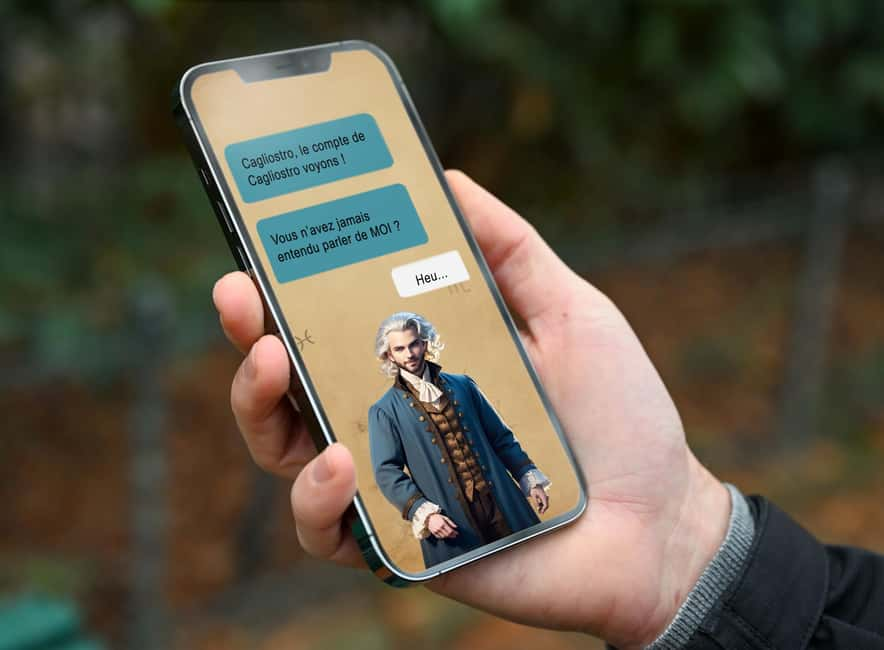
After purchase, you receive a link by email and also by SMS, and you start directly from that link on your phone. There is no need to download the GetYourGuide app, and the generated ticket nickname is described as useless. You will want a charged smartphone and an internet plan, because the route and clue access rely on your data connection.
The game is designed around escape-room mechanics: follow the route, solve puzzles, observe details, and keep moving. It uses smartphone sensors for extra interactions, so bring a phone that works well in the open air. You can pause anytime, and you can resume later. Only the time spent solving puzzles is timed, which is a relief if you like to take photos.
You also get team play. All team members can connect on their own phones at the same time, so you can split up roles like clue-checker, photo-taker, and puzzle solver.
Other Strasbourg bookings in the margin notes
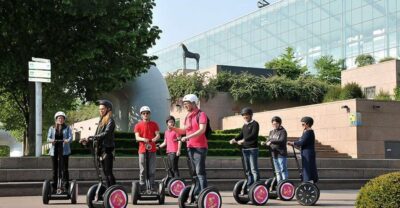
- Strasbourg: Euro Guided Tour by Segway
★ 4.7 · 808 reviews - Colmar, Medieval Village & Castle Small Group from Strasbourg
★ 5.0 · 769 reviews - 2-Hour Strasbourg Euro Tour by Segway
★ 5.0 · 642 reviews
The Cagliostro mystery: what you are actually solving
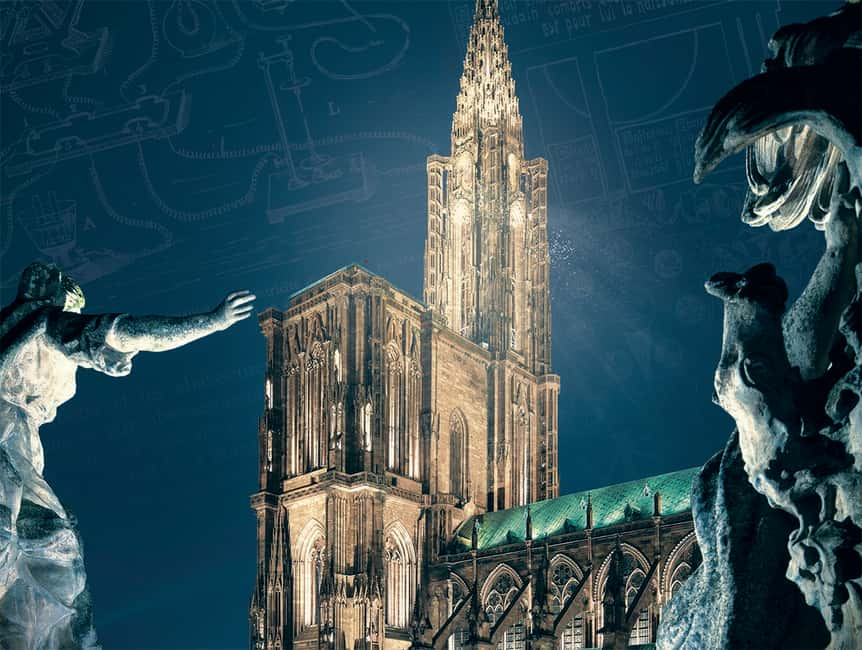
The scenario is set in 1780 Strasbourg, with the Count of Cagliostro arriving as a doctor, magician, or charlatan, depending on who you ask. He claims to have found an ancient parchment with a formula to turn lead into gold. Your job is to locate ingredients and decipher clues that are scattered through Strasbourg’s streets and monuments.
One of the smartest things here is how the puzzles push you to look at the obvious and the overlooked. Instead of reading a sign and walking on, you are trying to spot unusual details that can contain answers. The game also promises historical figures and clues hidden at main monuments, so you will feel like you are reading the city with your eyes, not just your ears.
A practical note: the main character’s morality can feel surprising to some people. If you prefer clean-cut stories with no moral gray areas, you may want to mentally prep for a controversial figure at the center of the plot.
Starting point: 17 Place de la Cathédrale, and where the official meet happens
The adventure starts at 17 Place de la Cathédrale in Strasbourg. The tour begins in front of the Strasbourg Tourist Office on Cathedral Square, so you can use that area as your anchor for orientation.
This matters because you do not just wander in. You want to start the game at the correct moment and location so your GPS route locks in smoothly. If you show up late or start the phone link in a different spot, you can waste time recalibrating your position.
Once you begin, you follow the sequence of stops, with short break beats at most points. It is not a sprint, but it is paced enough that you can finish in one solid outing.
The route in order: from Gutenberg to secret passages
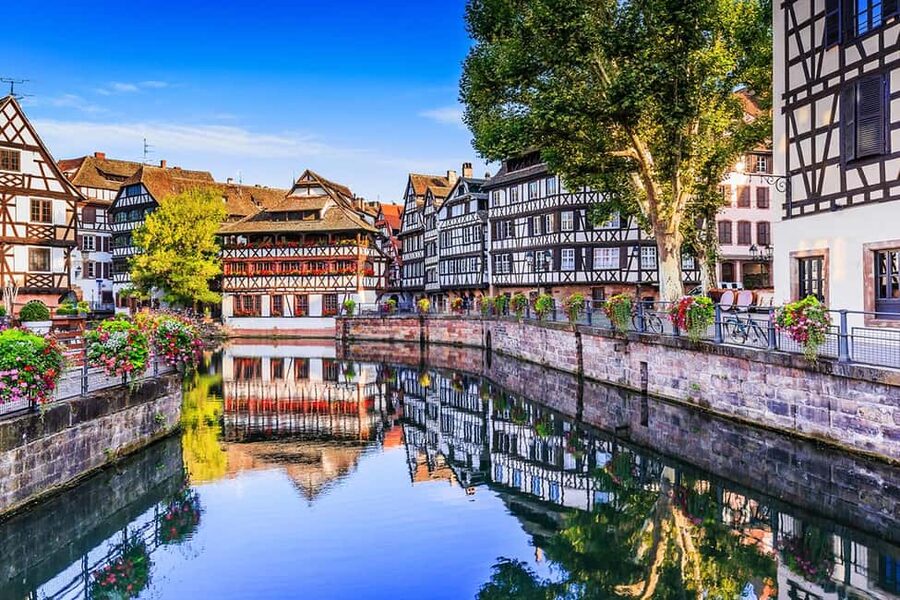
The game is built as a connected walk, and you will hit several major public landmarks plus “secret stop” moments between them. Some of the stops are straightforward photo-and-view breaks, while others are likely where you hunt for clue details.
The Strasbourg dossier continues:
1) Place Gutenberg: a quick cultural reset
You start with a brief break, then head toward Place Gutenberg. This is a strong early stop because it gives you a recognizable Strasbourg anchor, so your puzzle hunting feels grounded rather than chaotic. If your team is arriving a little scattered, this first landmark is a good moment to align on who is solving and who is scanning.
Possible drawback: if you want constant puzzle pressure from minute one, the early breaks may feel like a warm-up. I think that is the point, though. It helps you get comfortable with the smartphone interactions and GPS route.
2) Église Saint-Thomas: puzzles that reward looking closely
Next comes Église Saint-Thomas. Churches are often where escape games hide visual clues, and this one is no exception. Even if you are not going inside, the game encourages observation of details you might otherwise overlook while walking by.
This is also a stop where your team can naturally slow down. Breaks are scheduled here, and you will probably want a minute to compare what each person sees on your phone screen versus what is in front of you.
3) Petite France: build in time to actually enjoy it
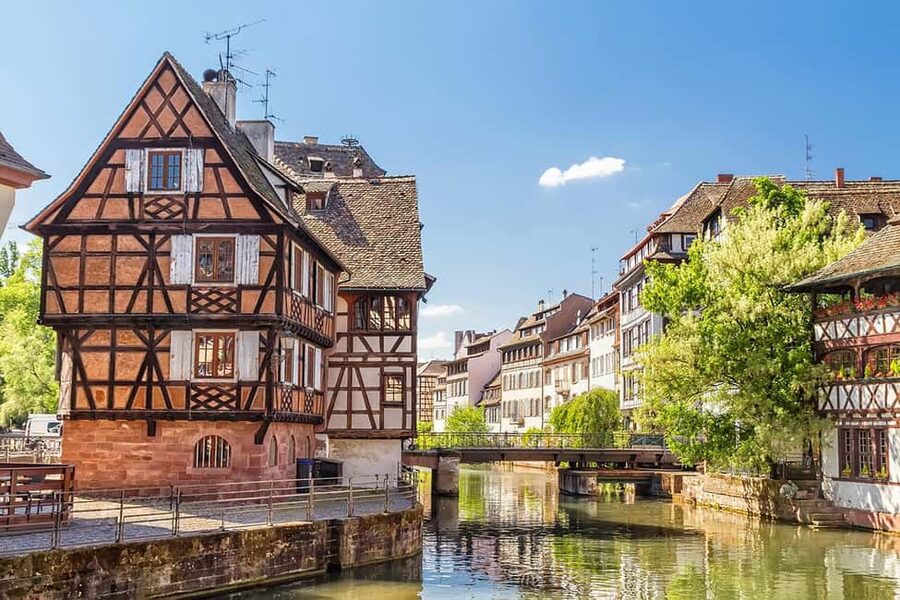
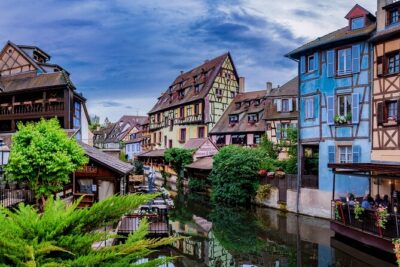
The big payoff arrives at Petite France. The game explicitly calls out time for this area, which is wise because Petite France is the kind of district you can accidentally rush. Here you get more than just a pretty walk. You are supposed to find clue-relevant details and answer puzzle questions while you admire the canals and historic streets.
I love this part because you get the best of both worlds: a scenic stroll and a reason to look harder. If you usually walk through photogenic districts on autopilot, this game interrupts that habit.
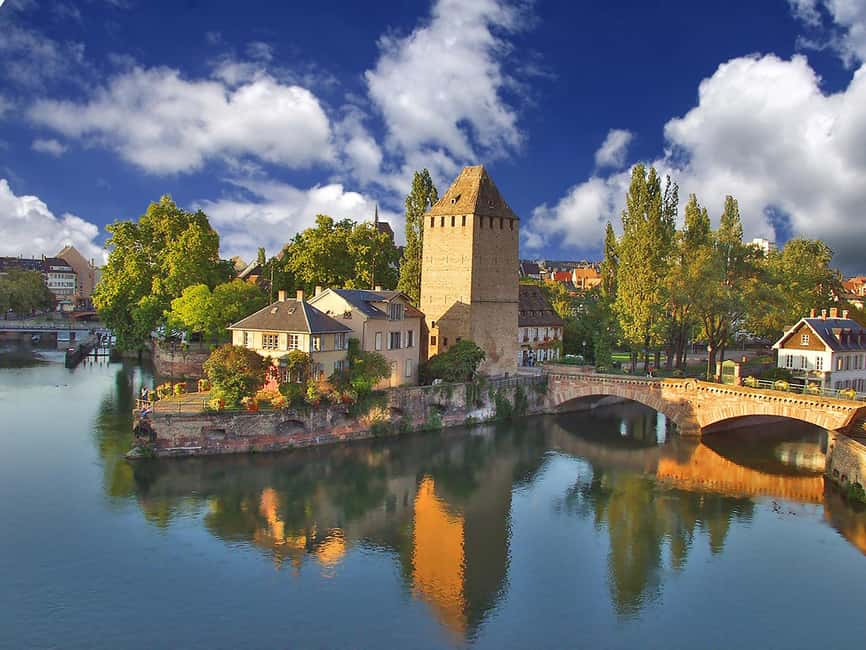
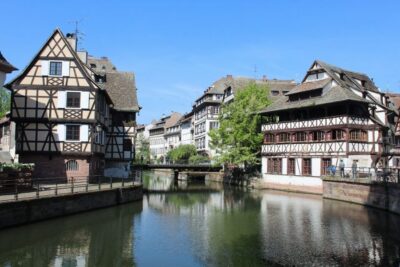
4) Ponts Couverts: the game’s classic Strasbourg view
Then you reach Ponts Couverts. Expect another viewpoint-focused moment, with time set aside to pause. This is a good place for teamwork, because one person can watch the puzzle prompt while others visually scan the surroundings for the right answer.
One consideration: if you are extremely low on battery, this is where you will feel it. Keep an eye on your phone during the most visually tempting stops, because you do not want to lose GPS just as you are solving.
5) Barrage Vauban: a photo stop that also helps your bearings
You get a photo stop at Barrage Vauban. Even if you do not treat it as a full visit, it functions like a landmark moment that helps you track where you are in the city. It is also one of those Strasbourg sights that looks even better when you are there in person instead of seeing it in a postcard.
In my view, photo stops like this are not wasted time. They keep the route coherent and give you a break before the next puzzle pushes you onward.
Cathedral area and the heart of the story: views, clues, and finishing strong
Later in the route, you hit additional secret stops and viewpoint moments, then the game comes back to the cathedral area.
6) Viewpoint and secret stops: where the game slows you down
You will pass a viewpoint stop with scheduled time, followed by multiple secret stops and shorter breaks. These parts are where the game’s mechanics are likely to feel most satisfying. You are moving through atmosphere, trying to decode what the prompts mean in real space.
This is also where you should keep your eyes open for small visual cues in public places. The game description suggests answers to puzzles may be hidden on or around main monuments. Even when you cannot solve instantly, you are still training yourself to notice.
A small practical tip: if you tend to solve by instinct, make sure someone in your team double-checks. These puzzles work best when you correlate phone prompts with what is physically around you.
7) Notre Dame Cathedral, Strasbourg: the emotional and practical climax
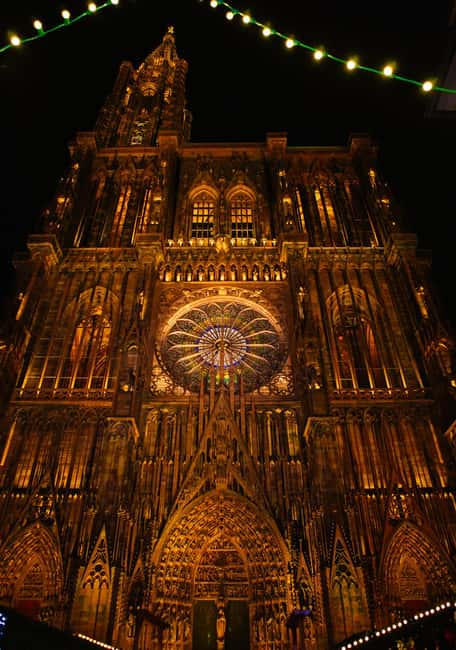
The route includes Notre Dame Cathedral, Strasbourg, with a break built in. This is the moment where your clues likely feel like they are converging. Even if you already know Strasbourg from brochures, the cathedral area is still the right place for a puzzle game climax because it is a natural center of gravity.
You finish by returning to 17 Place de la Cathédrale. That makes the end feel tidy, not like you are wandering out into unknown streets after you solve the last riddle.
What I liked most: the parts that make it feel worth doing
The standout strength here is that the game is not only about getting through a checklist of sights. It turns those sights into clue zones.
Two things rise to the top for me:
- Views that come packaged with a reason to stop. Petite France, Ponts Couverts, Vauban, and the cathedral area are all there, but you are not just admiring them. You are using the setting to solve something.
- A fun cultural sprint without feeling like you are on a bus tour. You get to walk, pause, and make decisions as a group. It is a nice middle ground between free wandering and a structured guided tour.
And I also appreciate the pacing system. You can pause the game and return later, which is great if your day changes because of weather, crowds, or timing.
French-only reality check, and who should skip it
The biggest limitation is clear: the game content is in French only, and some content may appear in its original language. There is also a live French guide and phone support if needed, but you should still expect the puzzles to be language-based.
It is also not suitable for children under 12, people with mobility impairments, wheelchair users, or anyone who is visually or hearing-impaired. The activity is designed for walking and clue discovery in outdoor spaces.
If you are comfortable with French, or at least with reading short prompts, this can be a very satisfying way to see Strasbourg quickly. If you are not, it can still be fun with a friend who can translate, but the experience may skew toward frustration.
Practical tips so you do not waste time
Here are my best, real-world suggestions for making the game smoother.
- Start with a fully charged phone and consider a power bank. The route and sensors are part of the experience.
- Assign roles at the start: one person watches for clue prompts, another scans for details, and one handles photos and navigation.
- Keep an eye on light if you are going later in the day. Some people suggest finishing before night can make the experience more comfortable, especially for those clue-hunting moments.
- Expect some moral ambiguity in the storyline. If your group is sensitive to that kind of theme, talk it through before you start.
Also, because the game is valid for 100 days from first activation, you can pick a day that fits your energy level. You do not have to cram it into a specific time window.
Should you book this Strasbourg city game?
I would book it if you want Strasbourg at walking speed, with a playful reason to stop in the right places. The price is reasonable for a group, the route hits major landmarks like Petite France, Ponts Couverts, Vauban, and the cathedral area, and the puzzle format makes the city feel like it has hidden layers.
Skip it if French is a barrier and your group hates puzzles. Also skip it if you need step-free, fully accessible routes, because the activity is not designed for wheelchair users or mobility impairments.
If you like the idea of turning sightseeing into problem-solving, this is one of the better ways to cover Strasbourg without feeling like you are trapped on a timeline.
FAQ
Is the Gold of Cagliostro game available in English?
The game is in French only, and some content is shown in its original language.
How long does the game take to play?
You should plan for about 2.5 to 3 hours to complete the adventure.
Can we pause the game and resume later?
Yes. You can pause at any time and resume later.
Where do we start the adventure?
The game starts at 17 Place de la Cathédrale in Strasbourg. The tour also begins in front of the Strasbourg Tourist Office on Cathedral Square.
Do we need to download an app?
No. You do not need the GetYourGuide app. After purchase, Studio Guimauve sends you an access link by email and SMS so you can play directly.
Do multiple people in a group play at the same time?
Yes. All team members can connect simultaneously with their phones.
What do we need to bring to play?
You need a charged smartphone with an internet plan.
Is the game timed?
Only the time taken to solve the puzzles is timed. Breaks and pauses do not stop you from resuming later.
Is this activity suitable for children or mobility needs?
It is not suitable for children under 12, people with mobility impairments, wheelchair users, visually impaired people, or hearing-impaired people.
Latest Strasbourg entries, notes attached





Alsace Tours, compared.
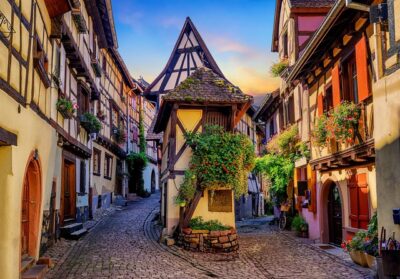
Colmar, Medieval Village & Castle Small Group from Strasbourg
Read our review →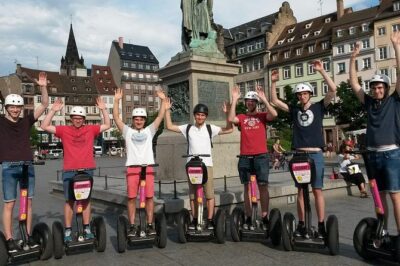
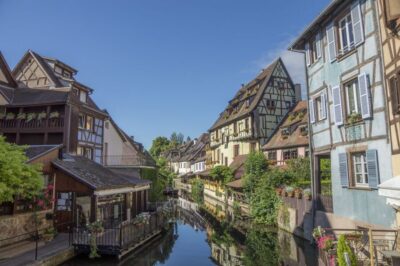
Strasbourg Food Tour – A Taste of Tradition by Do Eat Better
Read our review →
This tour also appears in