Reviewed · FRANCE
Carcassonne During World War 2
WWII didn’t stay in the archives here. This private, English guided walking tour connects Carcassonne’s streets to what people faced from 1939 to 1945, using period black and white photos and a guide who frames local events in the bigger French story. I like that it focuses on repression and resistance instead of only big headline moments, and I like the way archive photos make the places feel real.
The tour also has a personal, story driven feel because it stays centered on what happened to ordinary people, including national, local, and forgotten heroes. One thing to note is that the emphasis is on the resistance story and everyday wartime pressures, so if you want lots of detail specifically on SS and Gestapo activity in the city, you may wish the tour went further in that direction.
In This Review
- Key Highlights You’ll Care About
- Carcassonne’s WWII Story Is Told on the Side Streets
- Meeting Near Brasserie a 4 Temps and Starting at 9:30 am
- Stop By Stop: What You’ll Hear on the Repression and Resistance Walk
- The Fall of France: When the Rules Suddenly Changed
- Occupation Zones: More Than Maps and Borders
- Rationing: The War Showed Up in Your Shopping
- The Milice: Collaboration Under Threat
- S.T.O.: When Work Turned Into Coercion
- Resistance and Collaboration: A Spectrum, Not a Simple Split
- Liberation and Post-War Purges: After the Guns, the Reckoning
- Ending at the Resistance Memorial Near Square Gambetta
- Why the Photo-Based Storytelling Feels Different
- Pace and Group Size: What to Watch Before You Go
- Price and Value: Is 24.19 a Fair Deal?
- What You’ll Learn Beyond the Obvious WWII Facts
- Who This Tour Suits Best
- Quick Practical Notes So You Don’t Trip on the Details
- Should You Book Carcassonne During World War 2?
- FAQ
- How long is the Carcassonne During World War 2 tour?
- What does it cost?
- What language is the guide?
- Is the ticket mobile?
- Where do we meet and where does the tour end?
- What is the start time?
- What WWII topics are covered?
- Is this a private tour?
- What happens if weather is bad?
- Are there any age or participation limits?
Key Highlights You’ll Care About
- WWII expert guide, English speaking: You get context and clear answers, not a rushed lecture.
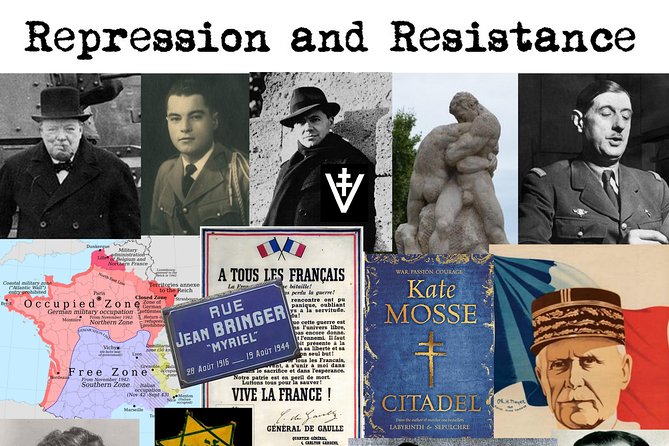
- Built around repression and resistance: You follow how control tightened and how people pushed back.
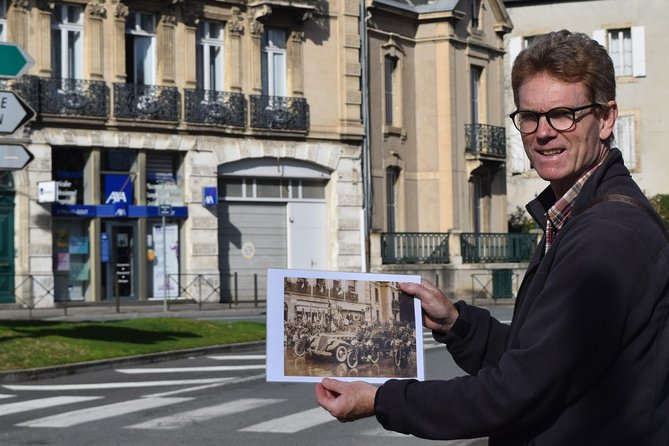
- Black and white period photos: You see the past alongside the landmarks you’re walking past.
- Two hour walking route, lower town focus: You explore parts of Carcassonne that many visitors skip.
- Ends at the Resistance memorial near Square Gambetta: The walk finishes with a thematic closure.
- Private experience for your group: Only your group participates, so you can ask questions as you go.
Carcassonne’s WWII Story Is Told on the Side Streets
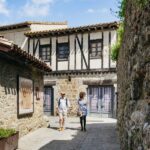
Carcassonne usually gets sold as medieval postcard territory, and yes, la Cité is gorgeous. But this tour flips the script and asks a tougher question: what did these same streets and neighborhoods mean when the war years squeezed daily life?
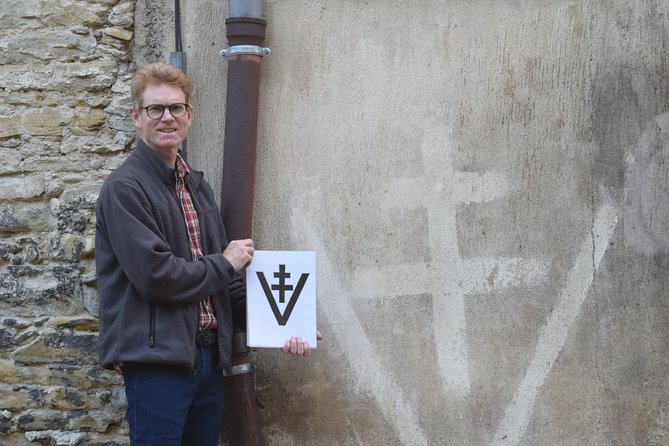
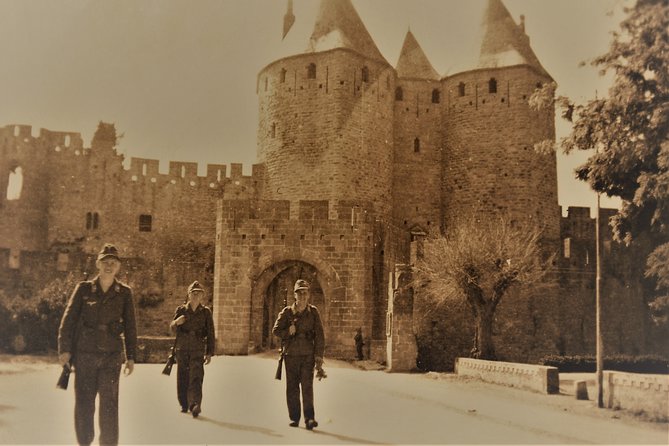
You’ll walk through the town between places with strong wartime links and time it to the guide’s narrative, which moves through major phases of World War II in France. The guide also uses black and white photos from the period, so you are not just hearing dates. You are seeing how people dressed, how the town looked, and how the era photographed itself.
The result is a walking history lesson that feels grounded in geography. Instead of memorizing names, you start connecting choices, consequences, and fear to real locations. That is what makes the experience stick.
Meeting Near Brasserie a 4 Temps and Starting at 9:30 am
The tour starts at Brasserie a 4 Temps, 2 Bd Barbès, in central Carcassonne. The listed start time is 9:30 am, and the pace is designed for an approximately 2 hours walk, plus the time needed to move between key stops and keep the story coherent.
That meeting point matters. You start in the lower town area, which helps the tour feel less like a museum and more like a real morning walk with a mission. Since the experience is near public transportation, you can plan to arrive without too much hassle.
Also, it’s a mobile ticket format. That is convenient when you’re juggling train times, lunch plans, and the usual carry-on chaos.
More rounds of the walled city:
- Carcassonne: Castle and Ramparts Entry Ticket
★ 4.6 · 2,884 reviews - Toulouse: Carcassonne Day Trip by Coach with Audioguide
★ 4.4 · 580 reviews - Wine Discovery Tasting In Carcassonne
★ 5.0 · 85 reviews
Stop By Stop: What You’ll Hear on the Repression and Resistance Walk
The walk is organized as a wartime timeline, and the guide keeps returning to one central theme: how Carcassonne and its residents negotiated the war years. You are not only tracking the military story. You’re tracking the social story, the moral pressure, and the everyday friction of living under occupation.
Here’s how the major pieces fit together on the route:
The Fall of France: When the Rules Suddenly Changed
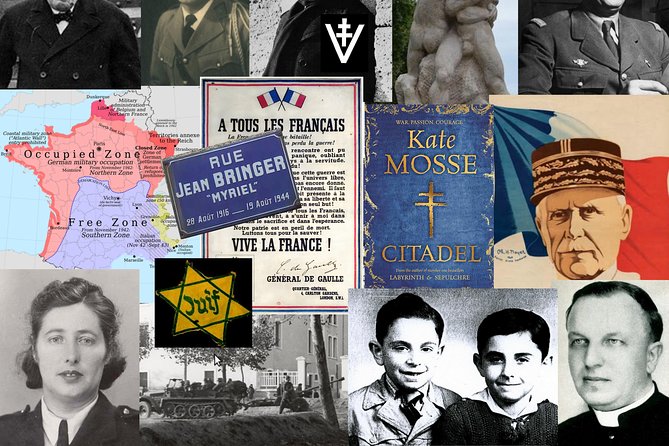
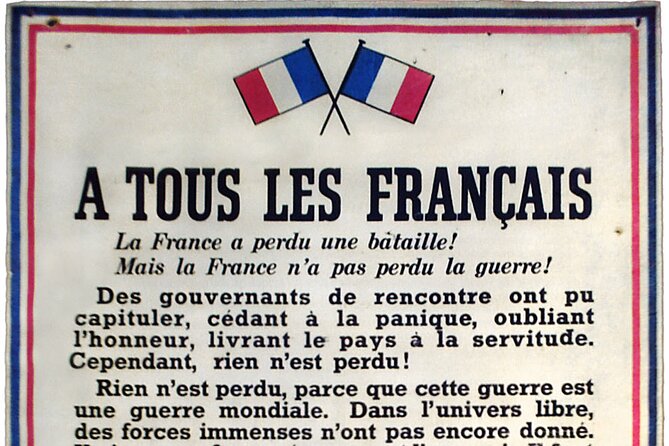
Early in the tour, the guide sets the stage with the Fall of France and what that meant locally. You’ll hear about how the occupied and non-occupied zones worked, then how the invasion of the Free Zone shifted life again.
This section is valuable because it prevents a common mistake. It’s easy to think the war just arrived and then people reacted. The better way to understand it is how the status of a place changed, and how that status determined daily restrictions, fear, and choices.
Occupation Zones: More Than Maps and Borders
You’ll also get a breakdown of the occupied versus non-occupied reality, then how the invasion of the Free Zone changed the picture. The guide ties it to Carcassonne’s situation instead of treating France as one single unit.
That matters for you as a traveler, because it helps you see why local experience could differ even when the headlines sounded national. The guide also uses photos in this segment, which makes the story feel more immediate.
Rationing: The War Showed Up in Your Shopping
Next comes rationing, which can sound boring until the guide explains it as pressure on the household. Rationing is where the war moves from speeches to daily decisions, because it shapes what you can eat, what you can find, and what you risk doing to get by.
If you’ve ever wondered how people endured long periods of scarcity, this is the part that answers it in a human way.
The Milice: Collaboration Under Threat
Then the story moves to the Milice, described as part of the mechanism of repression. You’ll learn what it was and how it shaped intimidation and control during the occupation period.
The tour handles this with a thoughtful tone. It’s not framed as movie villains only. It’s explained as a system that pressured communities, which is exactly why it leads into the next topics.
S.T.O.: When Work Turned Into Coercion
S.T.O. is covered as well, and you’ll hear how labor service became coercion rather than just an administrative label. Again, the guide’s focus is not only on what it was called, but what it did to people.
This is one of those sections where you’ll probably feel that the war was not abstract. It was timing, transport, and family disruption.
Resistance and Collaboration: A Spectrum, Not a Simple Split
One of the best parts is the guide’s insistence on a spectrum of resistance and a spectrum of collaboration. You are not taught to sort everyone into hero and villain boxes. You get a more complicated reality: people made choices under pressure, some resisted, some complied, and sometimes the line shifted.
That approach is especially helpful if you like history that asks you to think, not just history that gives you a list of facts.
Liberation and Post-War Purges: After the Guns, the Reckoning
Later, the tour covers liberation and then post-war purges. This is important because it shows that the story does not neatly end when the fighting stops.
You’ll also hear about national heroes, local heroes, and forgotten heroes. That helps you understand why commemoration matters. It also helps you notice plaques and memorials you might have otherwise walked past without a second glance.
Ending at the Resistance Memorial Near Square Gambetta
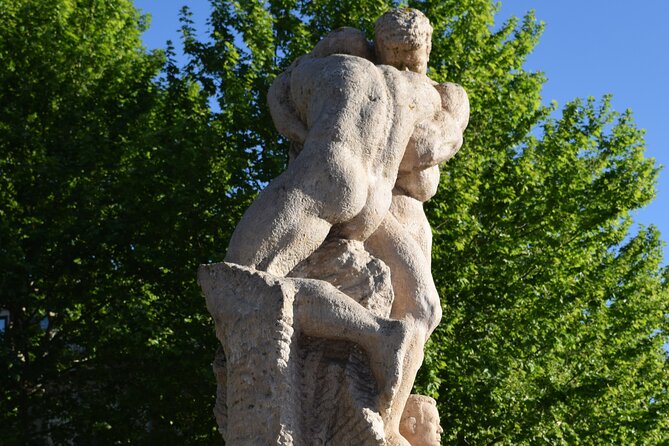
The tour ends at the memorial to the Resistance, at Square Gambetta (listed as 16 Av. Arthur Mullot). This is a smart finish point because it converts the walking narrative into something you can physically reflect on.
If you’re the kind of traveler who likes to see meaning in monuments, this stop will land. If you prefer a purely chronological story, it still works because it’s the culmination of the themes you’ve been hearing throughout the walk.
Why the Photo-Based Storytelling Feels Different

A lot of WWII tours can fall into two extremes: either they stick to dates and names, or they turn into generic emotions. This one tries for a third path, by using black and white photos alongside specific places.
In practical terms, photos help you:
- picture everyday objects and faces instead of only uniforms
- understand tone and atmosphere, not just events
- connect the guide’s explanations to visual evidence
That also explains why the tour often feels engaging and interactive. The guide invites you to look and notice as you move, which keeps the walk from feeling like a monologue.
Pace and Group Size: What to Watch Before You Go
The experience is listed as private, only your group participates, and most travelers can participate. That said, one piece of feedback you should keep in mind is about group size on a narrow streets route.
If your idea of a perfect walking tour includes lots of space to hear clearly, it’s worth asking how many people your day typically includes. The route through a historic center can make it harder to find a safe standing spot and hear every word, especially when the group is larger.
If you want a quieter, more controlled feel, aim for the smallest group option available.
Price and Value: Is 24.19 a Fair Deal?
At $24.19 per person for an approximately 2 hours 15 minutes experience, the value is strongest when you care about local WWII context. This is not a long tour, and it’s not trying to cover every aspect of the war. It’s focused.
For you, that means:
- You get a concentrated story in a manageable morning window.
- You get a guide who specializes in this era and uses period photos to support it.
- You pay for guided interpretation, not for transportation or a big museum admission.
It’s also a good fit if you want more than a self-guided walk around plaques. The guide fills in gaps, explains why certain places matter, and ties Carcassonne’s story to the broader national conflict.
If you are looking for a heavy focus on every occupying force group in town, you might feel the tour is too selective. But if your goal is a clear, humane understanding of Carcassonne’s occupation and resistance experience, the price looks fair.
What You’ll Learn Beyond the Obvious WWII Facts
This tour’s real strength is how it connects history to people’s choices. You learn about major elements like rationing, the Milice, S.T.O., liberation, and post-war purges. But the deeper takeaway is the guide’s emphasis on local impact and moral complexity.
You’re guided through:
- the shift from early war disruption to occupation routine
- how coercive policies affect families
- why resistance and collaboration are treated as a spectrum
- how remembering heroes can be as political as the war itself
That is the sort of learning that changes how you look at a place after you leave.
Who This Tour Suits Best
This tour is ideal if you:
- love WWII history and want it grounded in one specific French town
- like story-based guiding with period photos
- want a morning activity that also teaches you how to notice memorials and landmarks
It also works for people with only a passing interest in WWII. The guide’s style is built around clear structure and pacing, so you should not need a background in the subject to follow.
The main mismatch is if you specifically want detailed attention on SS and Gestapo activities in Carcassonne. The tour’s focus is resistance, repression, and local wartime experience, and that choice shapes what gets emphasized.
Quick Practical Notes So You Don’t Trip on the Details
- The tour is in English.
- It uses a mobile ticket.
- It runs in good weather, and you should expect an outdoor walking component.
- It starts at 9:30 am and ends at the Resistance memorial near Square Gambetta.
- Confirmation is received within 48 hours of booking, subject to availability.
If you plan a longer day in Carcassonne after this, keep your schedule flexible. You may want time to linger at the memorial area and then slow down in the streets, because the story will make the setting feel more personal.
Should You Book Carcassonne During World War 2?
If you’re deciding between a standard walk and a story-driven WWII tour, I’d pick this one. The focus on repression and resistance, the guided explanation of the war timeline, and the black and white photos make it feel unusually grounded. It also finishes at the Resistance memorial, which gives you a satisfying thematic end instead of a stop-and-go stroll.
Book it if you want an experience that helps you understand what life likely felt like in Carcassonne between 1939 and 1945, and how people navigated fear, pressure, and choice.
Skip it, or at least adjust your expectations, if your main goal is exhaustive coverage of every force group involved, especially SS and Gestapo, within the city itself. This tour is selective by design, and its heart is the resistance and the local human story.
If that matches your interests, this is one of the more worthwhile ways to spend a morning in Carcassonne.
FAQ
How long is the Carcassonne During World War 2 tour?
It’s listed at about 2 hours 15 minutes.
What does it cost?
The price is $24.19 per person.
What language is the guide?
The tour is offered in English.
Is the ticket mobile?
Yes, the tour uses a mobile ticket.
Where do we meet and where does the tour end?
You start at Brasserie a 4 Temps, 2 Bd Barbès, 11000 Carcassonne, France. The tour ends at the Resistance memorial in Square Gambetta (listed at 16 Av. Arthur Mullot, 11000 Carcassonne).
What is the start time?
The start time is 9:30 am.
What WWII topics are covered?
The tour covers repression and resistance, the Fall of France, the occupied and non-occupied zone, the invasion of the Free Zone, rationing, the Milice, S.T.O., the spectrum of resistance and collaboration, liberation, and post-war purges.
Is this a private tour?
Yes. It’s a private tour or activity, and only your group participates.
What happens if weather is bad?
The tour requires good weather. If it’s canceled due to poor weather, you’ll be offered a different date or a full refund.
Are there any age or participation limits?
It says most travelers can participate.