
Reviewed · CHAMPAGNE TASTINGS & CELLAR TOURS
Champagne: Champagne Tasting Class with Lunch
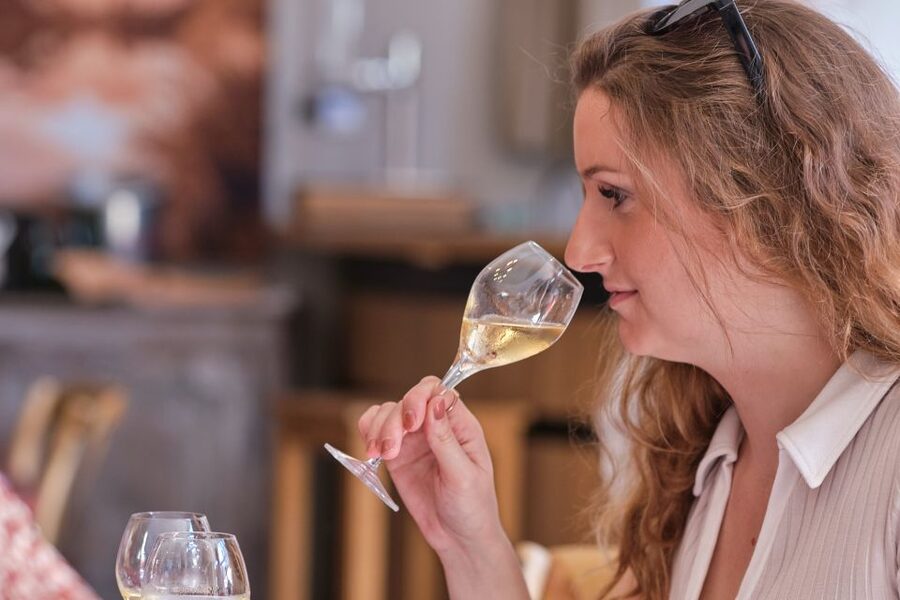
Champagne gets smarter when you smell first. At Le Clos Corbier in Aÿ-Champagne, you get a hands-on tasting class with lunch, plus a cellar visit in the middle of the vineyard area. Guides like Emma, Charlotte, and Marie are behind the fun, bilingual explanations that make this feel more like a class than a sales pitch.
I especially love the way the session trains your senses. The olfactory workshop helps you identify aromas, then you put it to the test in a blind tasting game comparing 3 champagnes.
One thing to plan for: the cellars run cool, with an average temperature around 10°C, so bring a jacket even if it is warm outside.
In This Review
- Key things I think you will care about
- Le Clos Corbier in Aÿ-Champagne: what makes it feel personal
- From vineyards to 1850s cellars: the tour that sets your tasting up
- Olfactory workshop and the blind tasting quiz: how you train your palate
- Comparing 3 champagnes: what to focus on so it actually sticks
- Lunch at a Champagne house: regional plates paired with the pours
- Beyond Champagne: Côteaux Champenois and Ratafia to close the circle
- Price and value at $106 per person: what you get for your money
- Practical tips before you go
- Should you book this Champagne class with lunch?
- FAQ
- How long is the Champagne tasting class with lunch?
- What’s included in the price?
- Where do I meet for the tour?
- What should I bring?
- Can children under 18 drink during the tour?
- Can the lunch be adapted for allergies or diets?
- Is the tour wheelchair accessible, and are pets allowed?
Key things I think you will care about
- 1850s dug cellars and a traditional press get you close to how Champagne is made
- Olfactory nose training turns tasting from guessing into a skill
- Blind tasting quiz and certificate makes the whole class feel like a game
- 3 champagnes compared head-to-head, plus more pours that add up to 6 wine tastings
- Lunch at a Champagne house with regional specialties and multiple pairings
- Côteaux Champenois and Ratafia round out the tasting beyond bubbles
Le Clos Corbier in Aÿ-Champagne: what makes it feel personal
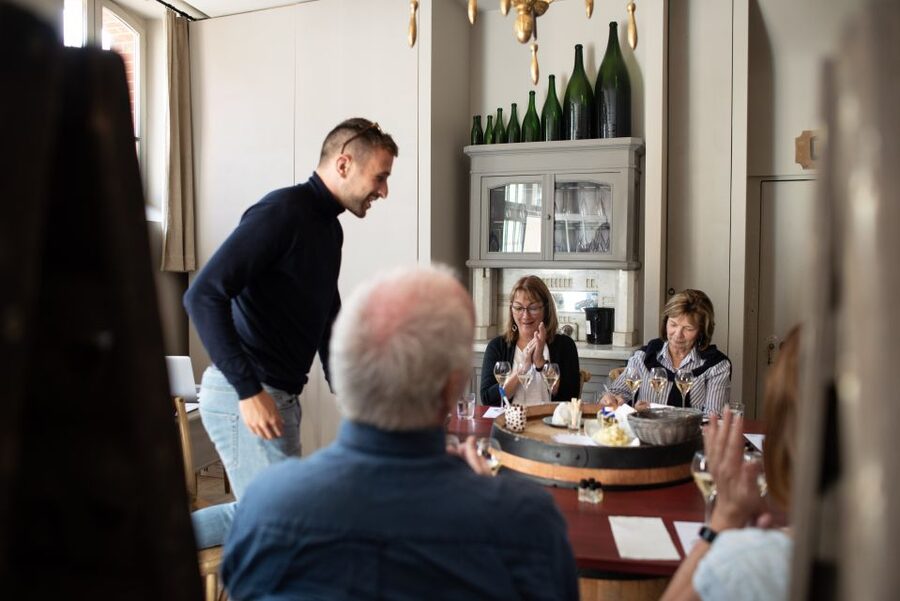
This experience is built around a simpler idea: you learn Champagne by tasting it in a structured way, while someone keeps connecting the glass to what you are seeing. That works well at Le Clos Corbier, a family domain set within the Aÿ-Champagne area. The setting matters here because it keeps the day grounded, you are not just moving through a glossy tasting room.
You also get something I really like for first-timers: you do not need a wine degree to participate. The tastings are set up so you can follow along, smell, and then make choices in the moment. Guides such as Emma, Estelle, and Charlotte have a knack for breaking down the basics without turning it into a lecture.
And yes, it is a Champagne house, so the focus is on the product and process, not only on postcard vineyards. Still, the vineyard location is part of the day’s rhythm, you are tasting and eating in the Champagne-region mood, not in a cramped urban venue.
From vineyards to 1850s cellars: the tour that sets your tasting up
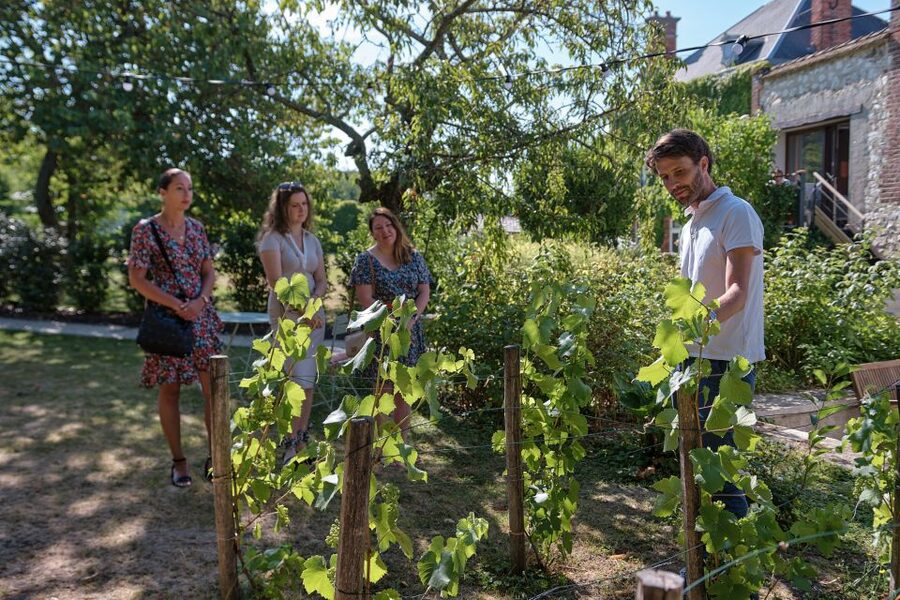
The visit starts at the domain, with a straightforward meeting point: look for the Clos Corbier sign and ring the doorbell. Once you are in, the pace shifts quickly from welcome to “look closely.” You tour the property while you get the tour story of Champagne production, and you see the parts that make a real difference to the final taste.
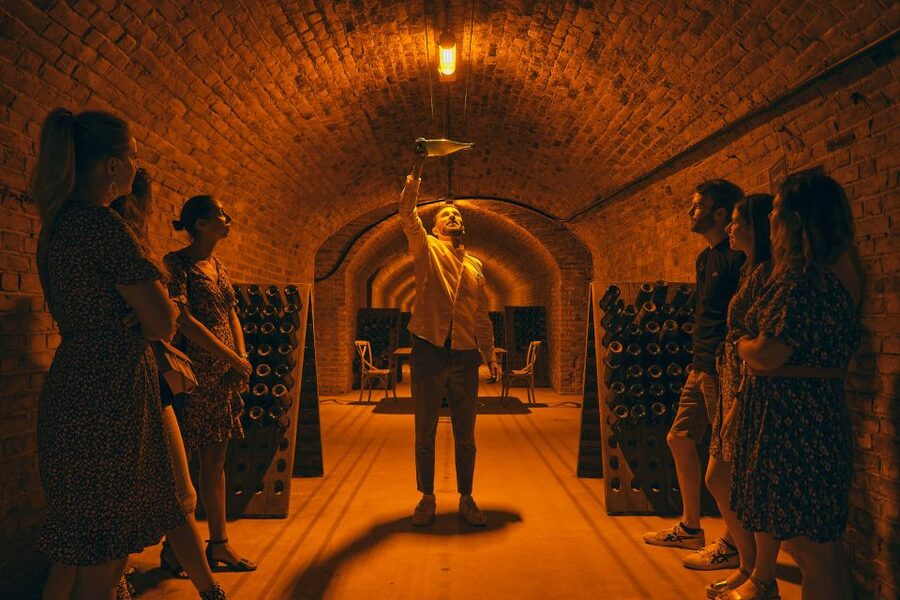
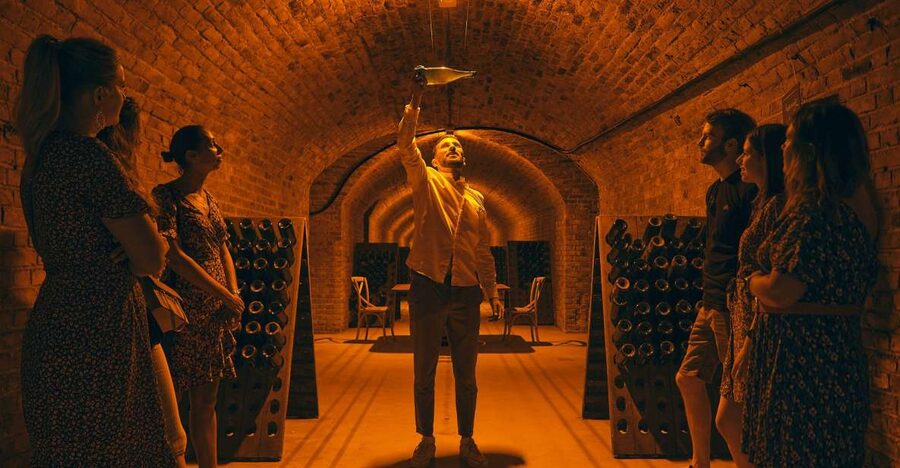
The standout stop is the cellar visit, including spaces dug in the 1850s. Those underground rooms are not just scenic. They help you understand why winemakers care about stable temperatures and how storage conditions influence what ends up in your glass. One practical note: with an average cellar temperature around 10°C, your jacket is not optional. It is the difference between enjoying the visit and rushing through it because you are cold.
You also see a traditional press, which adds a tactile, physical layer to the lesson. Even if you already know that pressing grapes matters, seeing the setup helps you connect that idea to what you will smell and taste later. It is a good “before you drink, you look” strategy.
There is also a friendly rhythm to the way guides introduce the process. You will get the Champagne-making secrets explained in a way you can remember, then the class activities reinforce those ideas through your senses.
More chalk cellars of Champagne:
- Paris: Moulin Rouge Cabaret Show Ticket with Champagne
★ 4.7 · 16,088 reviews - Paris: Paradis Latin Cabaret Show with Optional Champagne
★ 4.6 · 2,231 reviews - Paris 3-Courses Gourmet Dinner Seine River Cruise with Champagne
★ 4.0 · 1,659 reviews
Olfactory workshop and the blind tasting quiz: how you train your palate
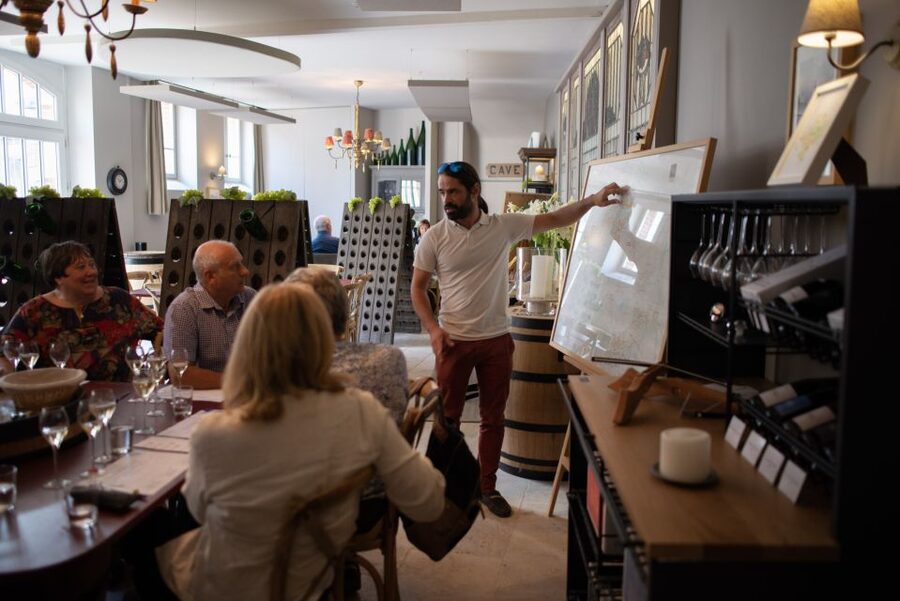
This is where the experience turns from pleasant to memorable. Instead of handing you a list of notes and hoping you copy them, the class trains you to use your senses. You do an olfactory workshop designed to help you identify aromas you can find in Champagne. It sounds simple, but it changes what you get out of a tasting fast.
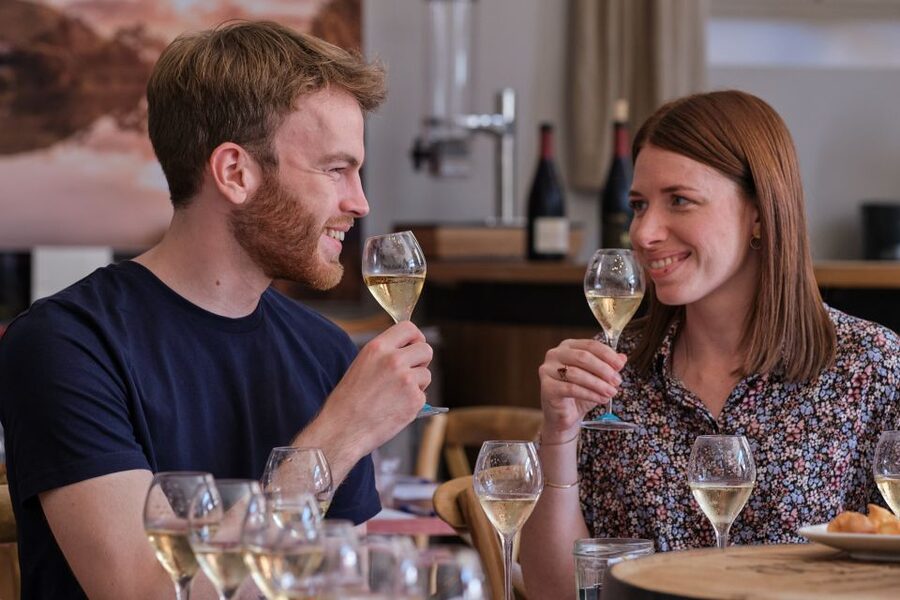
Then comes the fun part: you blindly identify 3 different champagnes. You are not just tasting, you are actively guessing, with local snacks in the mix while you do it. That snack timing matters because it keeps you from burning out your palate. It also keeps the blind-tasting game from turning into a stressful quiz.
A nice bonus is that there is a Champagne quiz experience, and some sessions end with a certificate. That might sound like a gimmick, but it helps make the day feel like you earned something, not just drank a few glasses. If you are the type who likes structure, you will appreciate that the workshop gives you a framework to compare and remember what you liked.
This is also why the small, intimate feel matters. Many people have described the experience as intimate and fun, with guides who keep the group comfortable. In practice, that means you can ask questions and get answers without shouting over a crowd.
Comparing 3 champagnes: what to focus on so it actually sticks
The core tastings are not random. You compare 3 different champagnes, and the goal is to make you notice differences in aroma and taste, not memorize brand names. Here is how you can make that comparison work for you during the class.
First, slow down your smelling. If you rush, you end up chasing sweetness or acidity without catching the subtle differences. Use the olfactory training you get earlier to target specific aroma families rather than trying to name everything at once.
Second, do not overthink bubbles. Champagne is, of course, about effervescence, but the experience here nudges you to focus on what that bubble carries, the texture, and how the flavor line changes as it moves from first sip to finish.
Third, keep your own quick notes mentally. You do not need paper. Just assign a simple label in your head, something like brighter versus rounder, or citrusy versus baked-fruit. The blind format makes that habit click.
If you are buying champagne later, this is the real value. The day gives you a way to understand what you liked and why, so you can shop with confidence instead of relying on marketing words.
Lunch at a Champagne house: regional plates paired with the pours
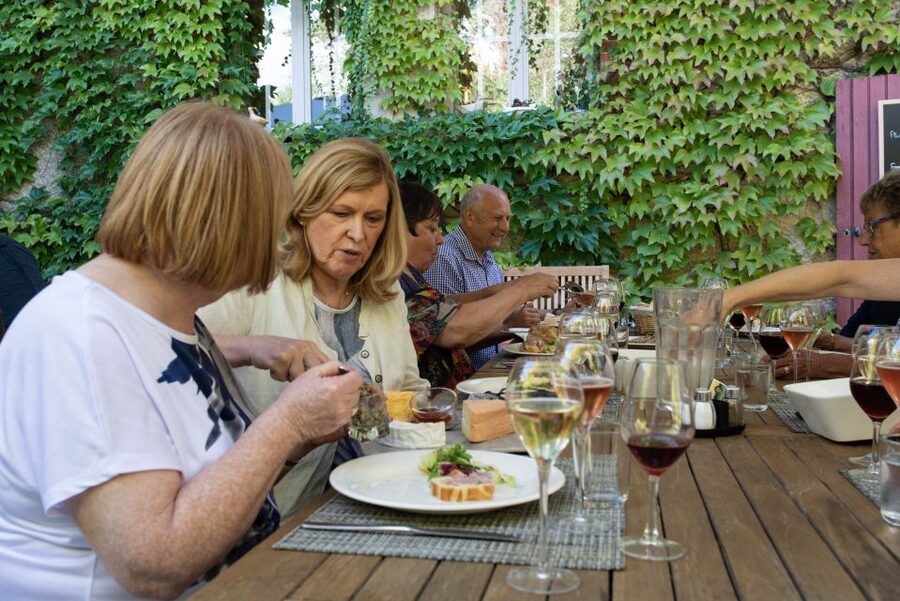
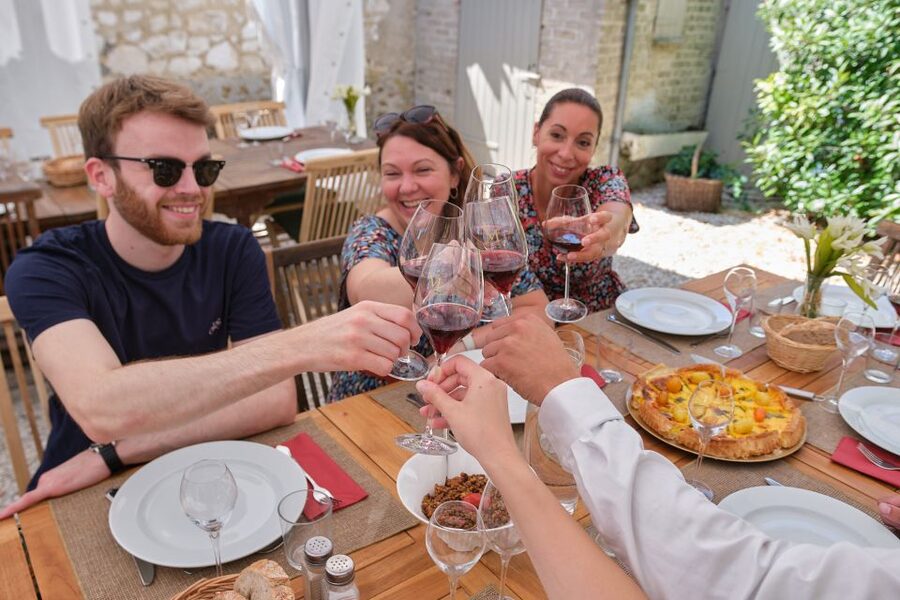
After the tasting games, the day shifts into food mode, but it stays tied to Champagne. You enjoy a casual lunch at the Champagne house with regional specialties, and it is paired with champagnes.
The menu options you might see include pâté en croute (a meat-filled pastry), Langres cheese, and pink biscuit cake. Even if you do not eat everything, these are great examples of what Champagne-region comfort food looks like. They are salty, savory, and rich, which matters because it shows you how Champagne performs with real flavors, not just snacks.
The pairing style also feels generous. Multiple experiences have noted that lunch pours are plentiful, and you get a variety of champagnes during the meal. This is important for value. A lot of wine tours sell a tasting and then give you a token bite. Here, the lunch is a real part of the program.
You also have a practical option for food needs. The lunch can be adapted to allergies or specific diets. If you have dietary restrictions, it is worth stating them clearly when you reserve, so the pairing plan can be adjusted smoothly.
One more detail that makes lunch better here: it happens in a relaxed early afternoon rhythm, so you are not rushing through. It is the kind of meal where you can talk with your guide, ask follow-ups, and compare notes from the blind tasting without feeling like the day is constantly moving.
More French appellations, visited:
Beyond Champagne: Côteaux Champenois and Ratafia to close the circle
Champagne tasting days can feel one-note if everything stays in sparkling white territory. This experience avoids that by continuing the pours after lunch with local options.
You taste a local red wine called Côteaux Champenois. That matters because it widens your sense of what the region tastes like beyond Champagne itself. The flavor contrast also helps you reset your palate, so the last part does not feel like repetition.
Then you try Ratafia, a regional liquor. It is a fun closer because it is different in character from both Champagne and the red wine. Even if you do not love the sweetness or spirit-forward style, it gives you a souvenir taste of regional culture, not just bubbles.
The pacing is also smart: you finish in the early afternoon. That timing leaves you free afterward to explore the area at a calmer pace, rather than turning the whole day into a strict schedule.
Price and value at $106 per person: what you get for your money
At $106 per person for a 3-hour experience, this is not the cheapest entry into Champagne. But it also is not trying to be. What makes the price feel fair is what is bundled in.
You get:
- a local guide
- winery entry fees and a winery tour
- 6 wine tastings
- local snacks
- lunch, paired with the drinks
When you add that up, you are paying for time, instruction, and multiple pours, not just a single glass and a quick walk. The blind tasting quiz, the olfactory workshop, and the cellar visit also help justify the cost. This is a “learn by doing” class, and those activities take staff effort.
The day is also designed for real beginners. If you are new to Champagne, you are paying for clarity, structure, and sensory training. If you already know Champagne, you still benefit because the blind tasting format forces you to rely on your senses, not your memory of a label.
Practical tips before you go
A few small details can make your experience smoother.
- Bring a jacket for the cellars. Around 10°C underground adds up fast.
- Wear comfortable shoes. You are moving through a winery and cellar spaces.
- If you are traveling with allergies or dietary needs, plan on asking for lunch adjustments. The lunch can be adapted.
- The host or greeter speaks English and French, and the tone is friendly and instructional, so you will not feel lost if your French is rusty.
One note for families: children under 18 years old are not allowed to drink alcohol. You can still plan the day with kids in mind, but you should not expect alcohol service for under-18 guests.
Should you book this Champagne class with lunch?
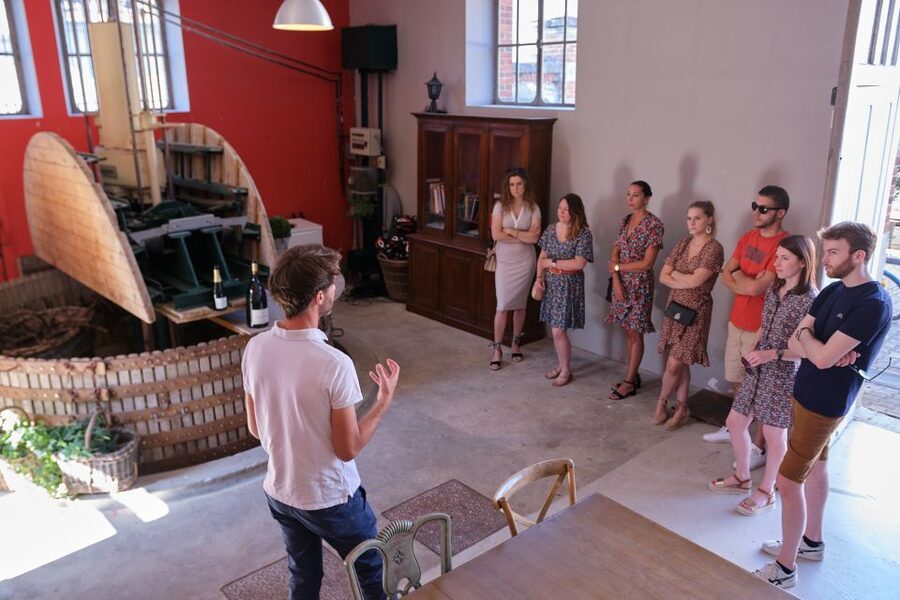
If you want Champagne knowledge that actually sticks, I think this is a strong yes. The combination of cellar tour, nose training, and blind tasting quiz gives you a real skill, not just a fun afternoon. Add a proper lunch with regional specialties and multiple pairings, and the experience feels balanced instead of rushed.
Book it especially if:
- you are a first-timer who wants structure
- you like interactive activities, not passive tasting
- you want a family-domain feel at Le Clos Corbier, not only big-house marketing
Skip it if:
- you are looking for a long, vineyard-focused walking tour rather than a tasting-and-process class
- you prefer a purely self-guided tasting where you can move at your own pace
FAQ
How long is the Champagne tasting class with lunch?
The experience lasts 3 hours.
What’s included in the price?
It includes a local guide, winery entry fees, a winery tour, 6 wine tastings, local snacks, and lunch.
Where do I meet for the tour?
Meet at the winery by looking for the Clos Corbier sign and ringing the doorbell.
What should I bring?
Bring a jacket, since the cellars average about 10°C.
Can children under 18 drink during the tour?
No. Children under 18 years old are not allowed to drink alcohol.
Can the lunch be adapted for allergies or diets?
Yes. The lunch can be adapted to allergies or specific diets.
Is the tour wheelchair accessible, and are pets allowed?
The experience is wheelchair accessible. Pets are not allowed, but assistance dogs are allowed.
If you tell me your travel month and whether you prefer more food focus or more tasting focus, I can help you decide which times of day fit best.
More Lunch Experiences in Champagne
- Champagne Day Trip from Paris with 8 Tastings & Lunch
★ 4.5 · 607 reviews - From Paris: Small-Group Champagne Tour with 3-Course Lunch
★ 4.8 · 304 reviews - From Reims: Champagne Small-Group tour with tastings & Lunch
★ 5.0 · 253 reviews - Paris Seine River Gourmet Lunch Cruise with Champagne Option
★ 4.0 · 247 reviews
France by the Course
- Paris Seine River Champagne Tasting Cruise
★ 4.5 · 652 reviews - French Wine and Champagne Tasting in Paris
★ 5.0 · 622 reviews - From Paris: Reims and Champagne Tasting Full-Day Tour
★ 4.8 · 610 reviews - French Wine, Champagne And Cheese Tasting Paris SECRET WINE DOOR
★ 5.0 · 464 reviews
Latest Champagne entries, notes attached

Champagne Tastings & Cellar Tours, compared.
Day Trip to Champagne with 8 Tastings & Lunch
Read our review →
Champagne Day Trip with 6 Tastings, Reims and Winery from Paris
Read our review →
Guided Tour of Cathedral of Notre Dame de Reims
Read our review →
Champagne Day Trip from Paris with 8 Tastings & Lunch
Read our review →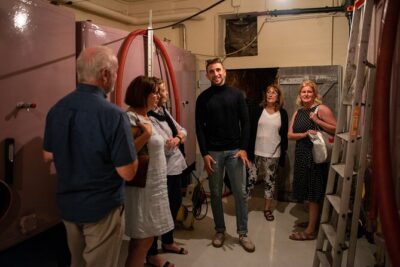
Reims afternoon tour Champagne and family growers
Read our review →This tour also appears in