
Reviewed · ALSACE TOURS
Strasbourg: 90-Minute Sightseeing Tour by Pedicab
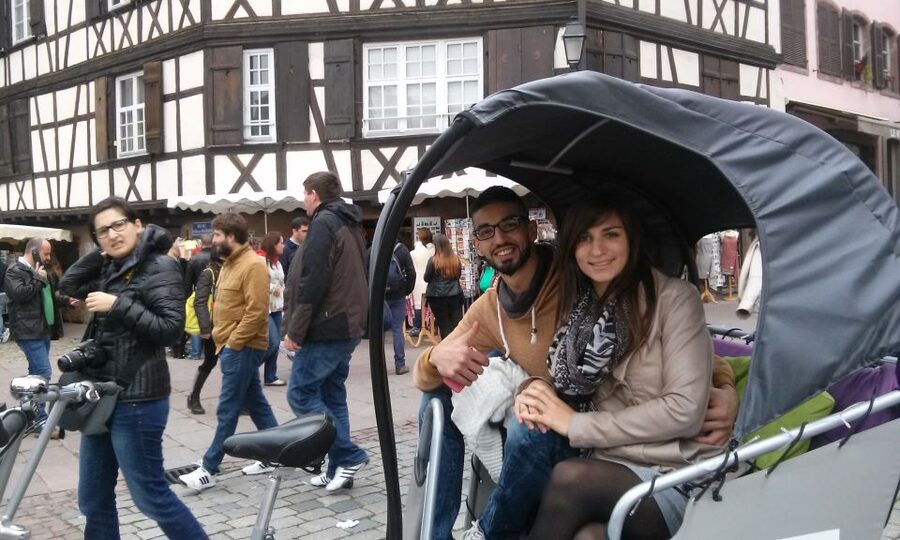
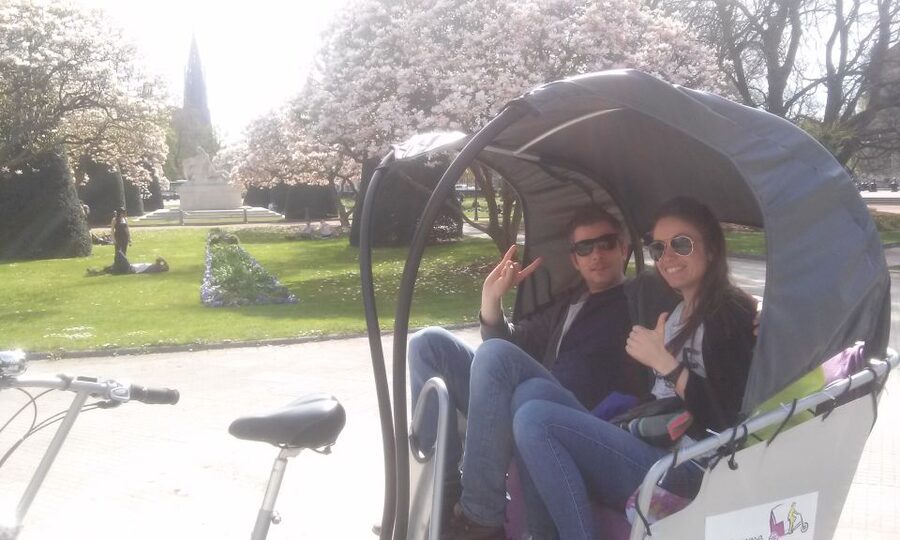
Pedicabs make Strasbourg feel personal. In 90 minutes, you glide past postcard sights without the slog, guided by a live English, German, or French instructor who can tailor the story to your questions. What I like most is the comfort of a private pedicab and the chance to chat as you roll, including practical advice on what to see and where to eat.
The trade-off is simple: you cover a lot of ground fast. If you want long, slow stops for photos, cafés, or museum time, this format will feel like a highlight reel rather than a full exploration.
In This Review
- Key highlights worth your attention
- Getting Oriented Fast Outside the Maison Kammerzell
- Petite France Canals, Covered Bridges, and the 17th-Century Barrage Vauban
- The Strasbourg Minster Area and the Astronomical Clock Moment
- Palais Rohan and the Museum Link You Can Turn Into a Plan
- Place de la République and Neustadt Neoclassical Grandeur
- The European Quarter: Seeing EU Administration as Real Architecture
- Parc de l’Orangerie, French Garden Landscaping, and a Nearby TV Headquarters
- Comfort, Duration, and What the Price Buys You
- Who This Tour Fits Best, and What to Ask Your Guide
- Should You Book the Strasbourg 90-Minute Pedicab Tour?
- FAQ
- How long is the Strasbourg sightseeing tour by pedicab?
- Where is the meeting point?
- Is this tour private?
- What languages are available for the live guide?
- What is the price for the tour?
- Is transportation included?
- What sights will you pass during the 90-minute tour?
- Is free cancellation available?
- Can I reserve now and pay later?
Key highlights worth your attention
- Private pedicab comfort that keeps you relaxed while you see major areas of town
- Jean-style guiding energy, with room for questions and answers in multiple languages
- A route through Petite France with canals, covered bridges, and old-city vibes
- Strasbourg landmarks in sequence, including the Astronomical Clock area and Palais Rohan
- European Quarter views from the administrative buildings around the EU district
- A calm finish in Parc de l’Orangerie, with French garden landscaping and ARTE HQ nearby
Getting Oriented Fast Outside the Maison Kammerzell
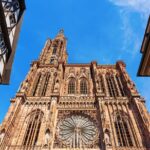
Your tour starts right where it should for first-time orientation: the area of the Notre-Dame Cathedral, also called the Strasbourg Minster. The meeting point is at the tourist office, in front of the Maison Kammerzell, which is an easy landmark to find and a sensible jumping-off point for walking later if you want to.
I like this because you do not begin with a sales pitch or a distant pickup. You start in the historic core, and then the pedicab lets you shift perspective, literally. One moment you are looking up toward cathedral splendor, the next you are moving along canals and canal-adjacent streets where Strasbourg’s character changes block by block.
A private pedicab also changes the pace. In a big group, you tend to stare forward and hope you catch the important parts. Here, you can ask, pause, and get the kind of context that helps you remember what you saw after you leave. That matters in a city like Strasbourg where a building can look similar from far away, but the details are what make it click.
If you are traveling with someone and want an easy way to “get the lay of the land” before you explore on foot later, this is a smart opener.
Petite France Canals, Covered Bridges, and the 17th-Century Barrage Vauban
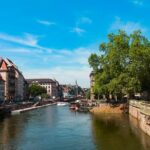
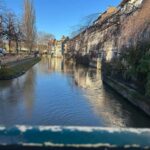
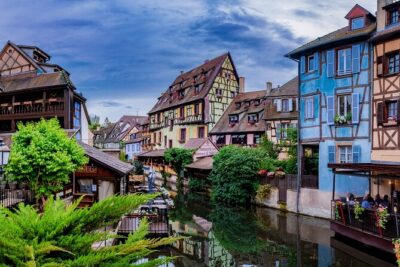
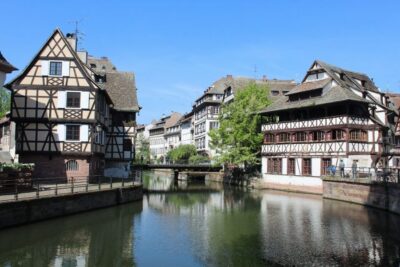
Strasbourg has a few neighborhoods that feel instantly familiar because the postcards are accurate. Petite France is one of them. From the pedicab, you roll through the old-area feel tied to the city’s canal system. You will pass through the canal-side atmosphere that has long been associated with medieval life, including the references to tanning houses and slaughter houses from the Middle Ages.
Then comes the practical beauty: you see covered bridges over the city canals. These bridges are more than pretty. They show you how Strasbourg historically handled movement and weather, and why the canal network matters to the city’s layout.
One of my favorite parts of this route is the inclusion of the Barrage Vauban, a weir built in the 17th century. This is one of those places that can sound technical until you see it in context. When you pass it, you start to understand the canal system as infrastructure, not just scenery. Strasbourg’s water management shaped how the city developed, and a pedicab view helps you catch that relationship without needing to read a wall plaque.
If you like cities where function and beauty are intertwined, you will appreciate that this tour does not only point at iconic buildings. It also points at the engineering that made the canals work.
Other Strasbourg bookings in the margin notes
- Strasbourg: Euro Guided Tour by Segway
★ 4.7 · 808 reviews - Colmar, Medieval Village & Castle Small Group from Strasbourg
★ 5.0 · 769 reviews - 2-Hour Strasbourg Euro Tour by Segway
★ 5.0 · 642 reviews
The Strasbourg Minster Area and the Astronomical Clock Moment
You are centered on the Notre-Dame de Strasbourg area, and that means one key landmark gets attention during the ride: the Astronomical Clock of Notre-Dame de Strasbourg. The clock is famous for a reason, and even when you are not going inside for extended time, being guided to the clock area helps you connect what you see with what the city is proud of.
I also like how the tour sequence builds. You start with the Minster zone, then move along toward other major stops. That helps you keep the “story” in order, instead of scattering your attention like it happens when you bounce around on your own.
This is where the guide’s approach matters. In the bookings, one recurring theme is that Jean gives strong answers and keeps the explanations grounded in the city itself. If you like asking questions, you will likely enjoy how the guide responds. It is not just a checklist of sights. It is more like someone pointing out the details that explain why Strasbourg looks the way it does.
One thing to consider: because the overall duration is 90 minutes, you will not get museum-style depth at every single landmark. Think of this as getting oriented and collecting the key visual anchors, so you can decide what deserves more time afterward.
Palais Rohan and the Museum Link You Can Turn Into a Plan
As you continue, the route passes the baroque Palais Rohan. The most useful detail here is that it is home to three of the city’s most important museums. That turns a single exterior sight into a choice you can make later.
If you are the type who likes deciding on the fly, this is a great “heads up.” You can see the building on the ride and later choose whether one of the museum offerings matches your interests. Even if you do not plan to enter immediately, it gives you a direction for your self-guided time.
The Palais Rohan stop also works because it bridges architectural eras. Strasbourg is not one style, one decade, one mood. It is layers. Passing baroque grandeur helps you understand why the rest of your route can feel different a few minutes later when the architecture shifts.
Also, pedicab movement helps here because it keeps you scanning upward and outward. You are less likely to miss facade cues and roofline rhythm, which is where baroque impact often lives.
If you are traveling with limited energy, this is a real win. You get a taste of the museum area without committing to a long indoor visit during your prime sightseeing window.
Place de la République and Neustadt Neoclassical Grandeur
Next you move toward Place de la République, with neoclassical public buildings that give Strasbourg a different, more formal feel. The tour specifically calls out the national public lending library, and even if you do not go inside, seeing it along the route helps you understand how Strasbourg balances historic cathedral energy with civic institutions.
This is the part of the city many people underestimate. When you think Strasbourg, you often think Petite France and the cathedral zone. But the Neustadt area brings a more monumental, structured vibe. The ride helps you connect the dots so the city stops feeling like random highlights.
I like having these civic and neoclassical stops because they help you interpret what you will see later if you continue exploring on foot. When you recognize Place de la République as more than a square, you start noticing how Strasbourg organizes public life around prominent buildings.
And the best part is that you are not walking. You are sitting and looking, which means you can actually take in details instead of fighting fatigue. If you are traveling with older legs, tight schedules, or you simply prefer to avoid long uphill stretches, a pedicab route is a smart choice.
The Strasbourg dossier continues:
The European Quarter: Seeing EU Administration as Real Architecture
One of the headline highlights is passing through the European Quarter. This is where Strasbourg plays its global role, as a seat for the European Parliament and the Council of Europe.
From the pedicab, you will pass spectacular administrative buildings tied to the EU district. I find this useful because it turns the European institutions from distant news imagery into something you can stand next to, even if only from the street view during the ride.
This section also helps you understand why Strasbourg has both a deeply local old-city identity and an international political identity. The scale and design language in this area can feel different from the cathedral neighborhood, and that contrast is part of the point.
The tour approach is practical here: you do not need to plan separate routes to reach the EU area. You get it folded into your 90-minute loop. That is especially valuable if you are only in Strasbourg for a short visit and want a complete picture without overthinking logistics.
If you have any interest in Europe beyond landmarks, you will probably enjoy this portion most because it feels tangible. You are not just hearing about institutions. You are looking at how the buildings hold the idea.
Parc de l’Orangerie, French Garden Landscaping, and a Nearby TV Headquarters
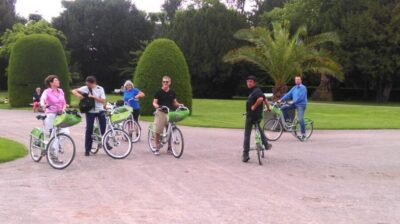
To wrap the experience, the route heads toward Parc de l’Orangerie, known for French garden landscaping. Even if you spend only a portion of your time near a park, the atmosphere is distinct. Parks in France often act like outdoor rooms, with paths and structure that make them feel designed, not accidental.
This stop works as a palate cleanser after dense sightseeing. You go from landmark-heavy city blocks to something calmer, which helps you remember the day as a whole instead of as a blur of stops.
The tour also passes the headquarters of ARTE television along the way. That might not be the first thing you expect in a Strasbourg tour, but it adds modern texture. Strasbourg is not only cathedral and canals. It is also contemporary culture and media.
As a finishing arc, it makes sense. You end with a place where you can mentally slow down. Then, if you still have energy, you can continue on your own with a fresh head rather than ending your tour in the middle of the busiest streets.
Comfort, Duration, and What the Price Buys You
The price is listed as $141 per group, up to 2 people, and the tour runs 90 minutes. For a private experience, that can be good value, especially if you are traveling as a couple or with a friend. If you are two, the cost per person drops quickly compared with many private or semi-private options.
If you are solo, it is still a premium, because you are essentially reserving a pedicab and driver for your group size. In that case, I would ask yourself whether you want the convenience of a private route over the flexibility of joining a larger walking group.
The real value is not only transportation. It is the guide time plus the “sequence” of sights. In a short city visit, getting the right order matters. You leave understanding how the old town, the Neustadt, and the European Quarter relate.
The duration also fits well for people who want structure without a full day commitment. You get major highlights like Petite France, the covered bridges, the Astronomical Clock area, Palais Rohan, Place de la République, EU buildings, and Parc de l’Orangerie, all without exhausting your legs.
One practical consideration: because it is a pedicab and a private group, you may have a quicker pace than if you planned to walk and linger. So if you love slow photo stops, build in a bit of extra free time after the tour for your top two areas.
Who This Tour Fits Best, and What to Ask Your Guide
This tour fits best if you want:
- A private, low-effort way to see major Strasbourg highlights
- Local context that helps you understand what you are looking at
- A chance to ask questions while you move, not only when you stop
It is also a smart choice if you are traveling with someone who has different interests. Your guide can steer conversations toward food recommendations or what to look for in architecture, and you are not stuck in a fixed group script.
Based on the strong praise for Jean, I would go in with a short list of questions. Something like: where you should eat in the Petite France area, what you should prioritize if you have only one more afternoon, or which neighborhoods make the best photo walks after dark. When a guide answers with both detail and warmth, it turns the ride into more than a route.
If you hate crowds or you want a more personal pace than a bus or train, this is exactly the kind of format that makes your visit feel less like checking boxes.
Should You Book the Strasbourg 90-Minute Pedicab Tour?
I think you should book it if you want a high-impact orientation to Strasbourg in a short time, and you like the idea of sitting comfortably while someone shows you the city’s big visual moments. The private setup and the fact that the guide can work in English, German, or French make it especially appealing if language or pace matters to you.
Skip it only if you already know Strasbourg well and you prefer long, self-directed exploring with extended stops. In that case, you might get more from a walking route or a longer format with time for museums and deeper neighborhoods.
FAQ
How long is the Strasbourg sightseeing tour by pedicab?
The tour lasts 90 minutes.
Where is the meeting point?
You meet at the tourist office, in front of the Maison Kammerzell, at its foot (Devant l’Office de tourisme, au pied de la maison Kammerzell).
Is this tour private?
Yes. It is listed as a private group.
What languages are available for the live guide?
The live guide is available in English, German, and French.
What is the price for the tour?
The price is $141 per group, up to 2.
Is transportation included?
Yes. Transportation by pedicab and the driver are included.
What sights will you pass during the 90-minute tour?
You will see sights including Petite France, covered bridges over city canals, the Barrage Vauban, the Astronomical Clock area, Palais Rohan, Place de la République, parts of the European Quarter, Parc de l’Orangerie, and the headquarters of ARTE television.
Is free cancellation available?
Yes. You can cancel up to 24 hours in advance for a full refund.
Can I reserve now and pay later?
Yes. The listing offers reserve now & pay later, so you can book your spot and pay nothing today.
Latest Strasbourg entries, notes attached


Alsace Tours, compared.
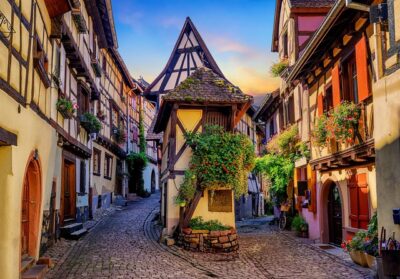
Colmar, Medieval Village & Castle Small Group from Strasbourg
Read our review →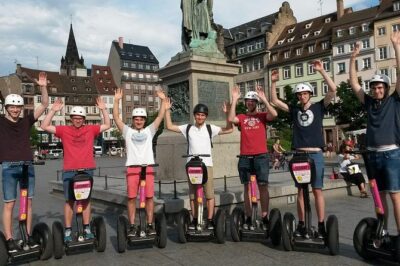
Strasbourg Food Tour – A Taste of Tradition by Do Eat Better
Read our review →
This tour also appears in