
Reviewed · ALSACE TOURS
Strasbourg : European District Walking Tour
EU politics, right on Strasbourg streets. This Strasbourg European District walking tour turns “big ideas” into places you can point at, from the European Council area down toward the river. I especially like how it connects the EU story to the city itself, and I also like the mix of modern planning and classic Art Nouveau architecture you do not usually expect on a European-institutions day.
Two things make it work well for real people. First, I like that the group stays tiny (up to 6), so you can actually ask follow-ups when the guide explains how the Council of Europe and the European Court of Human Rights fit together. Second, I like the structure of the walk, the way it flows from the institutions to the Wacken district and ends near the European Parliament. One consideration: it is not suitable for people with mobility impairments, and there is no interior visit to the Parliament on this tour.
In This Review
- Key highlights you will notice fast
- Why Strasbourg’s European District feels different from old town
- Starting at Agora, Conseil de l’Europe: your “EU map” on the ground
- The EU and human rights story, explained without the jargon
- Art Nouveau detour near Orangerie: the charm break you will appreciate
- Crossing the Ill River toward Wacken: modern Strasbourg in motion
- European Parliament viewpoint: what the laws vote actually means
- Tour vibe and best-fit traveler
- Value for money at about $35 for 90 minutes
- Logistics that matter once you are already there
- Should you book the Strasbourg European District Walking Tour?
- FAQ
- Where is the meeting point for this tour?
- How long is the Strasbourg European District walking tour?
- How much does the tour cost?
- Is the European Parliament included in the tour?
- What happens at the end of the tour?
- How big is the group?
- What languages are available for the live guide?
- Do I need to bring anything?
- Does the tour run in bad weather?
- Is this tour suitable for people with mobility impairments?
Key highlights you will notice fast
- Small group, up to 6 people, which makes the explanations feel personal, not rushed
- European Council area at the start, with clear context on the EU, the Council of Europe, and human rights work
- Wacken district walk, including bike paths, new buildings, and the Ill River setting
- Art Nouveau houses near the Orangerie District, a fun contrast to the institutional buildings
- Outside-view European Parliament time, plus a plain-English explanation of how deputies vote on laws
Why Strasbourg’s European District feels different from old town
Strasbourg is often sold for its old streets and half-timbered charm. This tour gives you a different angle, the place where Europe is discussed and shaped in plain view. You will walk at the foot of major institutions, so the political story becomes grounded in geography.
I like that the tour does not treat the EU as an abstract concept. It frames Strasbourg as a meeting point in the long Franco-German story, then shows you the modern institutions that grew from that hard-won cooperation. It also helps that the walk stays pleasant, you get movement, river views, and quick stops for context.
A small but important detail: the guide is focused on what you need to understand on your feet. You are not just walking past buildings, you are learning what each one does, and why that matters.
Starting at Agora, Conseil de l’Europe: your “EU map” on the ground
You begin at the Agora, Conseil de l’Europe, and the guide will be easy to spot in a black t-shirt with an orange Bretzel&Fun logo. This matters because Strasbourg has a lot of formal-looking buildings and plazas. When you meet in the right spot, you avoid the usual early confusion and you can settle into the story right away.
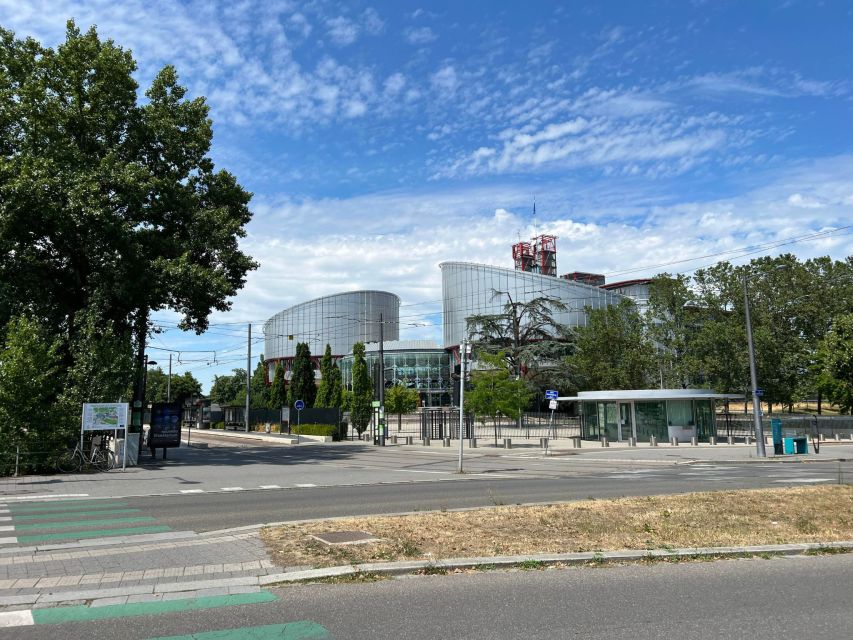
From the start, you get the orientation that makes everything click later. The guide sets up why this area is special, then connects it to the institutions nearby, including the European Court of Human Rights and the Council of Europe. Even if the names sound complicated, you will get a straightforward explanation of what they are and how they relate to European cooperation.
This is also where the tour’s practical tone shows. The walk is timed at about 90 minutes, so the guide picks explanations that help you make sense of what you will see next, especially as you move toward the Ill River and the Wacken district.
More France at boulevard pace:
- Strasbourg: Walking Tour with a Local Guide
★ 4.3 · 607 reviews - Strasbourg: Walking Tour with Local Guide
★ 5.0 · 598 reviews - Strasbourg: Guided Historical Neighborhoods Walking Tour
★ 4.9 · 275 reviews
The EU and human rights story, explained without the jargon
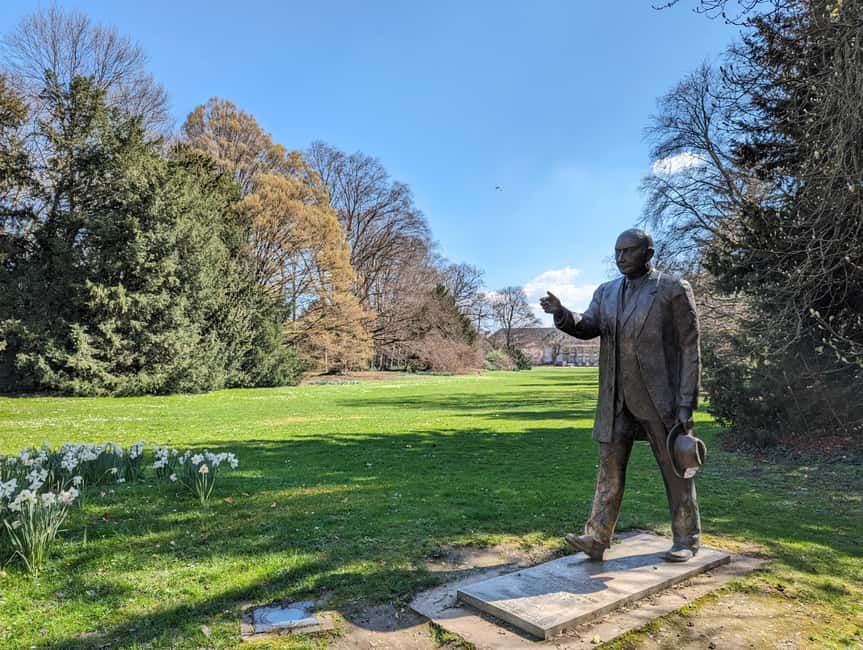
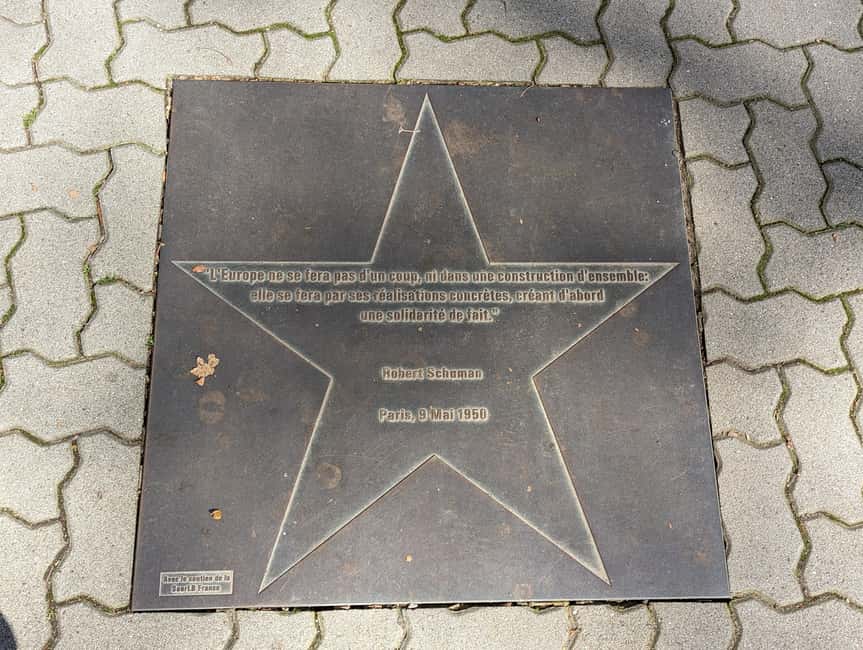
Europe in Strasbourg has a long record of disagreement and negotiation, especially between France and Germany. What makes this tour interesting is that it treats that tension as the background for the future, not a dead chapter. You learn how Strasbourg became a symbol of new understanding, and how earlier generations built the institutions that many people now rely on.
The key idea you take away is that the EU is not one single building or one single process. The tour focuses on how institutions developed through cooperation, and you get a chance to understand the specifics of the Council of Europe area and the European Court of Human Rights nearby.
I also like the way the guide keeps things human. The story includes hard political realities, but it is explained in a way that you can follow quickly, even if you are not a political-history person. If you like asking questions, the small-group format makes that much easier.
Art Nouveau detour near Orangerie: the charm break you will appreciate
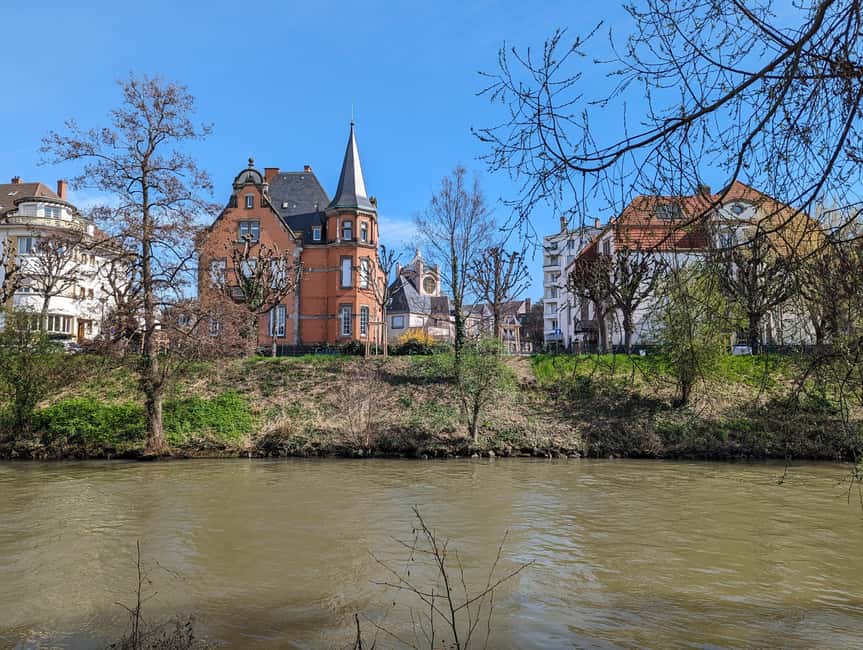
Between big-institution stops, you get a change of pace around the Orangerie District. Here, you will notice unusual houses in Art Nouveau style, and this is a welcome contrast to the heavy, official architecture of the European quarter.
I think this is one of the best parts of the tour because it refreshes your eyes and your expectations. It reminds you that Strasbourg is a real city with neighborhoods, not just a set of offices. You also get photo opportunities, and the timing is convenient, because you are not only stopping once at the end.
If you enjoy architecture, this segment gives you enough detail to recognize what makes Art Nouveau feel distinctive, without turning the walk into a lecture. Even if you just want pretty streets and quick breaks, it helps you pace the experience.
Crossing the Ill River toward Wacken: modern Strasbourg in motion
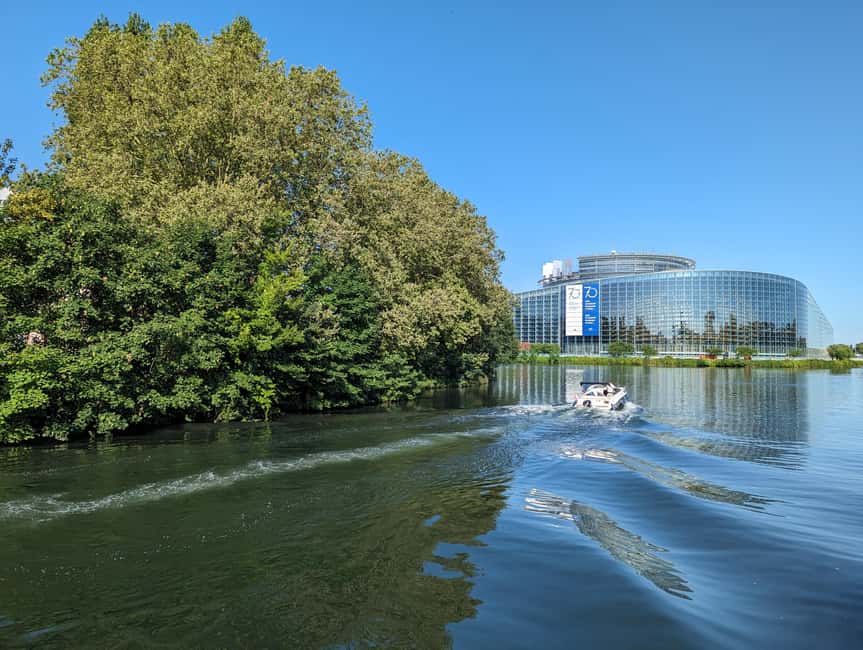
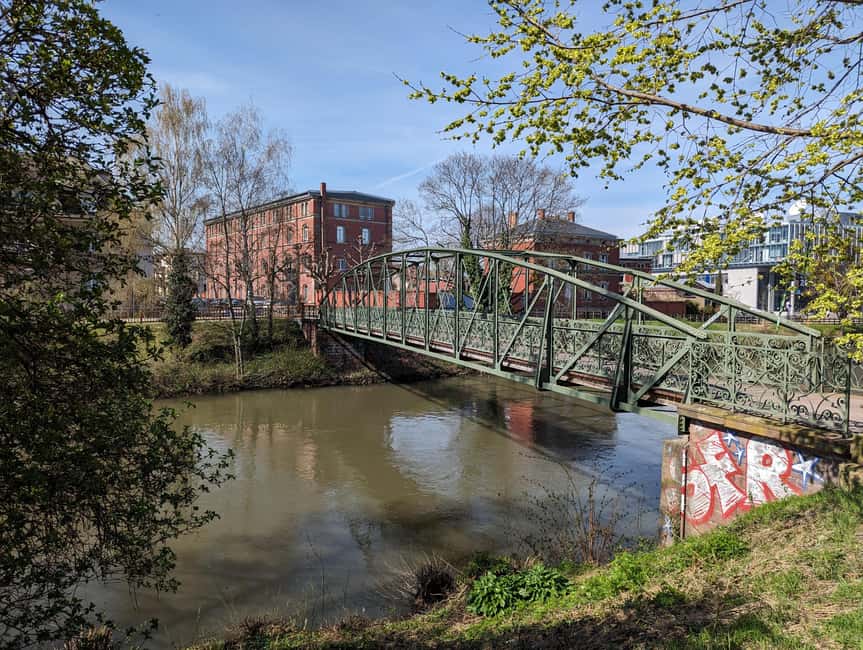
After the Orangerie area, you walk through the Ill River corridor to reach the Wacken district. The Ill is not just scenery here, it acts like a natural guide through the city, shaping how you move and how the architecture shows up around you.
Wacken is described as fast-growing and dynamic, and you will see that in the details. You will pass new buildings, you will notice bike paths, and you will get a sense of how the district is built for movement and daily life. This part of the tour is where the day shifts from institutional explanations to city planning you can literally walk through.
I like this because it balances the political content. The tour does not stay stuck in “headlines and history.” Instead, it shows how Europe’s presence exists next to normal urban development, which makes the whole thing feel less distant.
Other Strasbourg bookings in the margin notes
European Parliament viewpoint: what the laws vote actually means
As you approach the European Parliament area, you get the outside view only, no interior entry. Still, the guide explains how the institution works and how European laws are voted on by deputies from each country.
This is one of those “even if you already know the basics, it still helps” moments. From outside, you can look at the building and tie it back to how decisions get made. If you are visiting other EU sites later, this explanation gives you a clearer mental framework for what you will be seeing.
One practical tip: plan to use this tour as your framing session, then visit the Parliament on your own after the guided walk if you want interior access. The guide drops you close to the entry of the Parliament, and the entrance is free, so you can extend your visit without paying again for the tour.
Tour vibe and best-fit traveler
This is a 90-minute walking tour designed for comprehension, not endurance. The group is limited to 6 people, and it is offered in English and French with a live guide. That small-group size is a big deal. It makes explanations easier to follow and means the guide can answer questions without treating the group like a crowd.
You will also want to bring an ID or passport, since the tour specifies this. And while the tour runs rain or shine, you do not need to stress about finding a backup plan. You just need a weather-ready daypack mindset.
Where it fits best:
- You like Europe stories that connect politics to real places
- You want a guided orientation to major institutions without spending the whole day in one building
- You enjoy architecture and you like contrasts, official buildings plus Art Nouveau streets
Where it might not fit:
- You need step-free or mobility-friendly routes, because the tour is not suitable for mobility impairments
Value for money at about $35 for 90 minutes
At $35 per person for a 90-minute small-group experience, the value comes from what the guide does, not from the “number of stops.” You are paying for compact context, plus the ability to ask questions while you are near the buildings that connect to the story.
What you get that you would not easily replicate on your own:
- Clear explanations of the European Court of Human Rights and the Council of Europe features
- A focused walk through the Wacken district, which is easier to understand with commentary
- Art Nouveau houses around the Orangerie District, where a guide helps you notice details
- A structured finish near the Parliament, where you can decide to go inside on your own
Also, the included “best advice for your stay” is not just filler. In guides’ interactions, the best kind of advice is the kind you can use the same evening, like where to eat and what to look for in Strasbourg after your walk. If your schedule is tight, that guidance can make the guided portion feel even more worthwhile.
If you want a low-cost, no-brain itinerary for European-institutions context plus a real neighborhood walk, this price point is reasonable.
Logistics that matter once you are already there
This tour takes place rain or shine, so bring a jacket you trust. You will be outside most of the time, and the experience works best when you plan for weather.
The meeting point is Agora, Conseil de l’Europe. The guide’s black t-shirt with the orange Bretzel&Fun logo helps you confirm you are in the right place quickly. And since the tour ends close to the European Parliament entry, you can easily turn around and continue exploring right after.
One more note: the tour does not include entry to the Parliament. That said, the entrance is free, so you are not boxed in. You can add it if you want, or you can keep the day moving.
Should you book the Strasbourg European District Walking Tour?
Book it if you want a tight, friendly way to understand why Strasbourg matters in the EU story, and you want that understanding paired with a walk through real neighborhoods. I think it is especially worth it when you care about human rights and EU institutions, or when you are short on time and still want an intelligent orientation.
Skip it or consider an alternative if you need mobility-friendly access, since the tour is not suitable for mobility impairments. Also, if your top goal is an interior visit of the European Parliament, this is not the right match, because you only get the outside viewpoint and the guide does not take you in.
If you do book, do yourself a favor: treat the guided portion as the framework. Then head to the Parliament entrance after the walk to complete the picture on your own with free access.
FAQ
Where is the meeting point for this tour?
The meeting point is the building where the tour starts, Agora, Conseil de l’Europe.
How long is the Strasbourg European District walking tour?
The tour lasts 90 minutes.
How much does the tour cost?
The price is $35 per person.
Is the European Parliament included in the tour?
No. The tour does not include entry to the European Parliament. You will see it from the outside.
What happens at the end of the tour?
The guide will drop you close to the entry of the European Parliament so you can visit it on your own, and the entrance is free.
How big is the group?
The group is limited to a small group size, up to 6 participants.
What languages are available for the live guide?
The live tour guide is available in English and French.
Do I need to bring anything?
Bring your passport or ID card.
Does the tour run in bad weather?
Yes. The tour takes place rain or shine.
Is this tour suitable for people with mobility impairments?
No. It is not suitable for people with mobility impairments.
Latest Strasbourg entries, notes attached



Alsace Tours, compared.

Colmar, Medieval Village & Castle Small Group from Strasbourg
Read our review →
Strasbourg Food Tour – A Taste of Tradition by Do Eat Better
Read our review →
This tour also appears in