
Reviewed · ALSACE TOURS
Strasbourg: Guided Walking Tour
Strasbourg has two heartbeats, French and German. This walking tour ties them together with Petite France canal scenes, plus defense history around the water, all in about two hours. I love that the route is built for real photos, not just check-the-box sights, with standout viewpoints at Barrage Vauban and the covered bridge area.
I also like the food breaks. You get a tasting of a typical German dessert (listed as a German shepherd desert), plus cheese and a winery wine tasting, so the tour feels local instead of purely sightseeing. One thing to consider: most museum time is not included, and the cathedral is an outside visit, so if you want lots of indoor exploring, you will likely need to plan extra time on your own.
In This Review
- Key highlights you should know before you go
- A 125-minute loop that makes Strasbourg feel two-sided
- Where to meet (and why two starting points matter)
- The first stretch: Kleber Square to the river stories
- A quick stop for modern art, then back to the old core
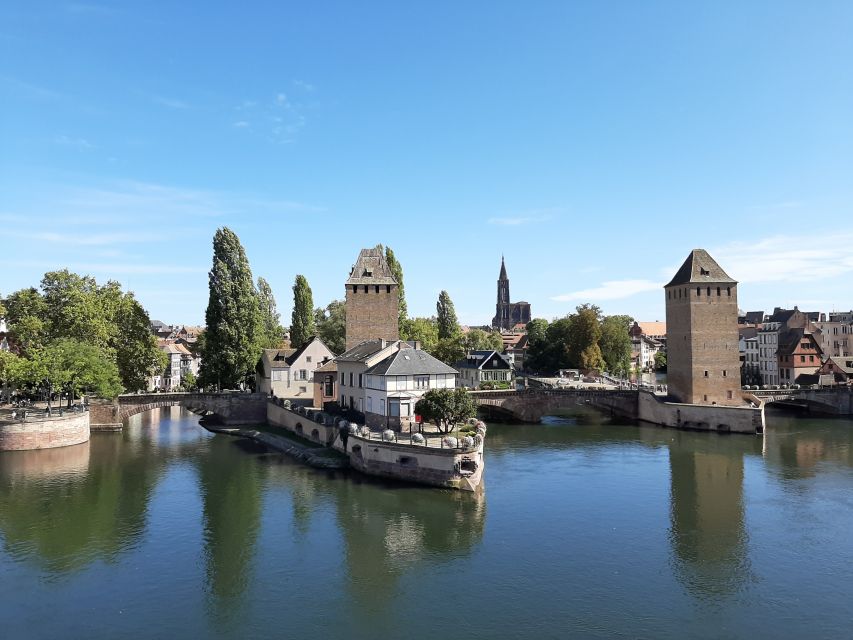
- Vauban Barrage: defenses, covered bridges, and the best angles
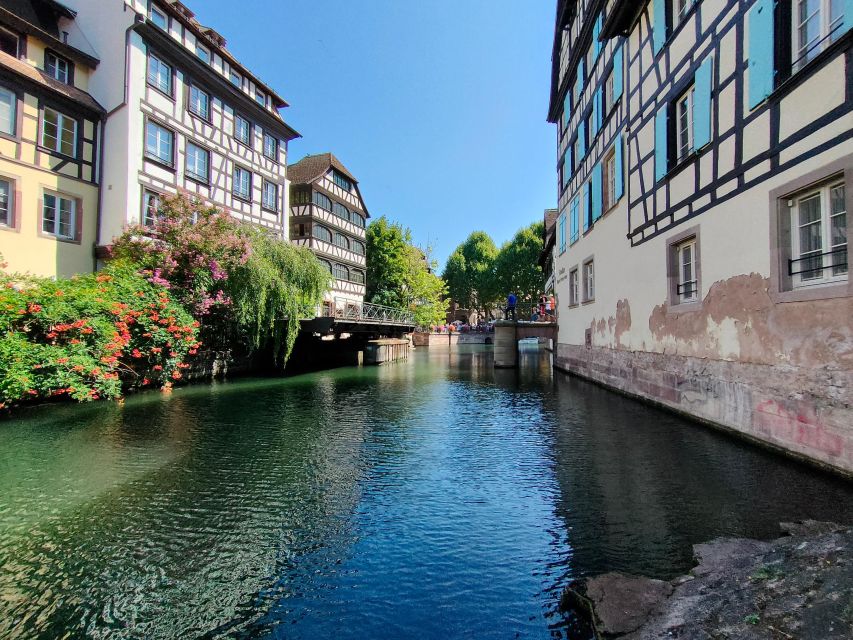
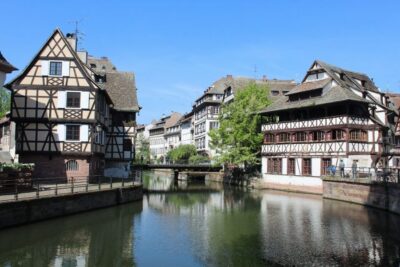
- Petite France: canals, the swing bridge, and postcard-level views
- Saint-Thomas Church and Gutenberg Square: the “walkable landmarks”
- Rue des Serruriers and tastings: cheese first, then the wine stop
- Outdoor cathedral views, Maison Kammerzell, and Palais Rohan finale
- What the guides do well, and why it affects your experience
- Price and value: is $30 a fair trade?
- Who should book this walking tour
- Should you book this Strasbourg guided walking tour?
- FAQ
- How long is the Strasbourg guided walking tour?
- Where does the tour start and where does it end?
- What languages is the tour offered in?
- What tastings are included?
- Are museum entrances included?
- Is the cathedral visit inside or outside?
- Is the tour wheelchair accessible?
- Are large bags or luggage allowed?
Key highlights you should know before you go
- French and German stories on foot: you see how this border city shaped what you’re looking at
- Photo-first route: planned pauses for pictures, especially around the river and defenses
- Petite France canal moments: swing bridge and the iconic canal level view
- Vauban Barrage photo stop: water defenses and covered bridge angles
- Tastings included: a German-style dessert tasting, plus cheese and wine
- Outside cathedral views: great for photos, but not a long indoor visit
A 125-minute loop that makes Strasbourg feel two-sided
Strasbourg is a city where the architecture keeps switching accents. One block feels French in style, then you turn and the German influence hits in streets, buildings, and the whole defensive thinking around the river. This tour is designed to make that contrast make sense fast, because it moves you from big landmarks to the canal neighborhoods where the city’s “border life” played out daily.
You’ll also get a comfortable walking pace that still leaves time for pictures. Guides on this tour are often praised for keeping the group moving while not cutting off photo time, and for answering questions without rushing you into the next stop.
For value, the big win is focus. At $30 for 125 minutes, you’re buying a guided route with multiple high-impact stops, plus tastings, without needing to figure out the story on your own from scratch.
Where to meet (and why two starting points matter)
The meeting point can vary, but you’ll either start at Place Kléber or at Hôtel Strasbourg Le Kléber. Having two options matters because it can change how easy it is to arrive from your hotel or train stop, and you avoid wasting walking time on your own.
The tour also has two drop-off possibilities. You can end at Palais Rohan or around Place de la Cathédrale. That’s helpful if you plan your next step around the cathedral area or if you’d rather finish closer to Rohan Palace and drift into nearby streets.
Tip I’d give you: wear your comfortable shoes even if the pace feels easy. Strasbourg old-town streets can be uneven, and the best photo spots often happen right where the cobbles start to show their character.
More France at boulevard pace:
- Strasbourg: Walking Tour with a Local Guide
★ 4.3 · 607 reviews - Strasbourg: Walking Tour with Local Guide
★ 5.0 · 598 reviews - Strasbourg: Guided Historical Neighborhoods Walking Tour
★ 4.9 · 275 reviews
The first stretch: Kleber Square to the river stories
You start in the city center at Kléber Square, then the guide sets the tone: two cultures, one city, and the river as the thread that connects it all. From there, you’ll pass through emblematic spots that help you orient quickly, so later, when you return on your own, you’ll actually know what you’re looking at.
The route includes places like Rue Jeu des Enfants and the Church of Saint Peter the Elder. These aren’t just filler stops. They help you understand how everyday religious and street life sits next to big political power structures in Strasbourg.
Even early on, the tour is designed around “why this matters.” You’re not just told what a building is. You get the practical context for how the city’s location on the divide between France and Germany influenced the look and feel of the streets you’re walking.
A quick stop for modern art, then back to the old core
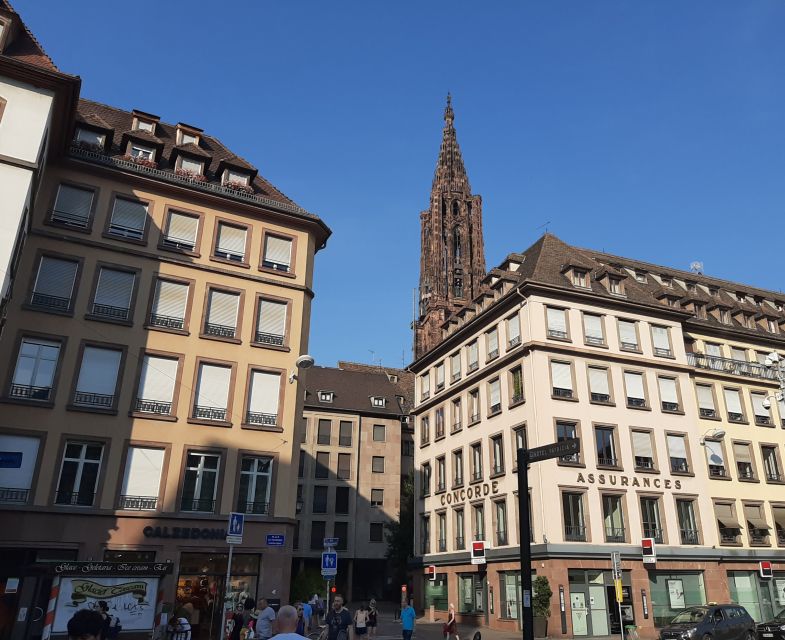
One of the included breaks is at the Museum of Modern and Contemporary Art, Strasbourg. You’ll have a short break time and a photo stop, then continue with the guided portion.
Why include this at all? Because Strasbourg isn’t stuck in the past. The city’s modern identity lives in the same center streets as the historical defenses and canal neighborhoods. That contrast is part of what makes the whole day feel like one coherent visit, even when the sights shift styles.
If you’re someone who likes photos, this is also a helpful moment to reset. Two hours sounds short, but you will appreciate a brief pause where you can adjust, hydrate, and regroup with your camera settings before the river area takes over.
Vauban Barrage: defenses, covered bridges, and the best angles
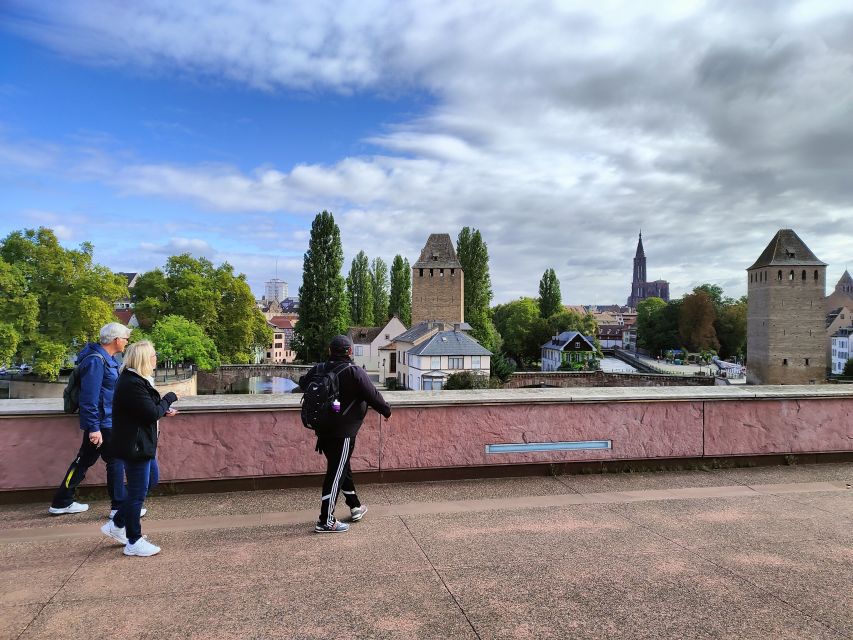
This is one of the signature segments. You’ll reach Barrage Vauban for a photo stop and guided walking time, and there’s even a stop that relates to the food market vibe in the area.
What makes this part work is that you’re seeing the city’s defensive thinking tied directly to the water. Strasbourg used its river like a living piece of infrastructure. The guide points out architectural elements connected to the first and second defensive barriers, so the river isn’t just scenic, it’s strategic.
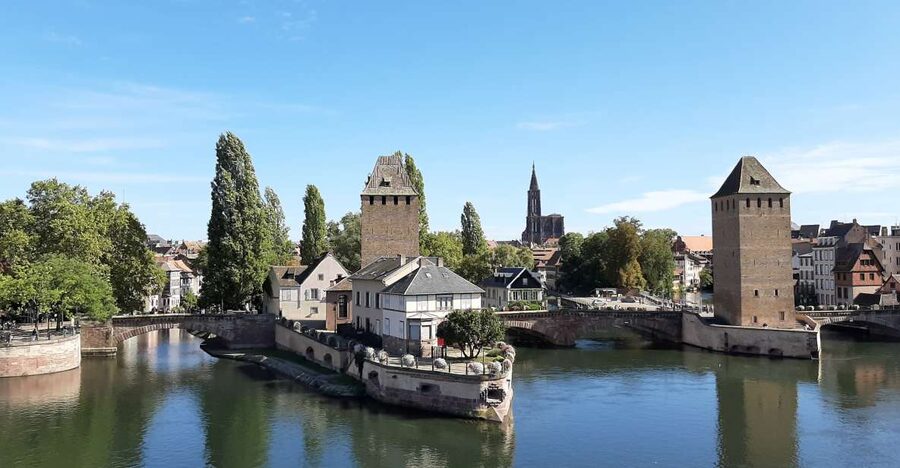
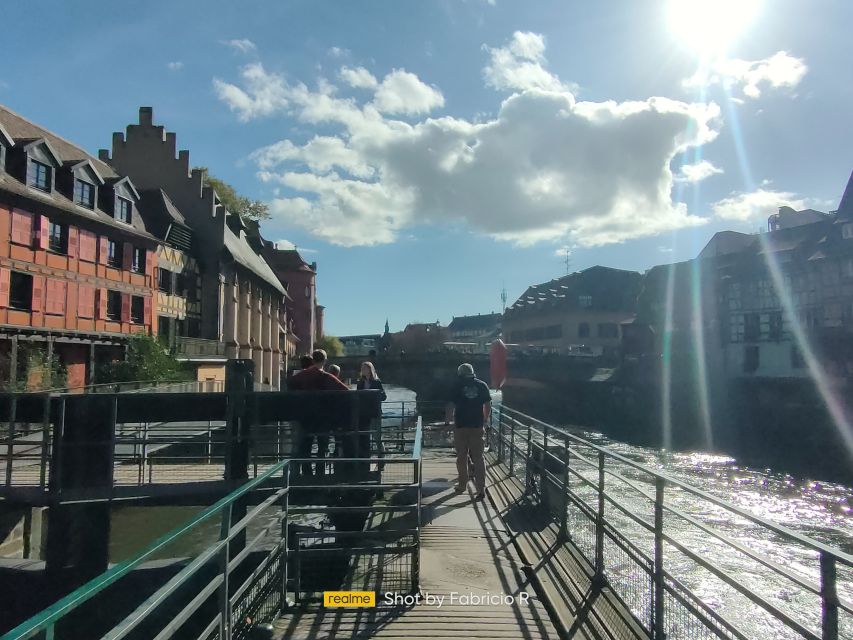
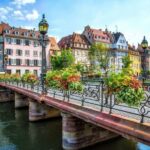
You’ll also encounter the covered bridges area, including Ponts Couverts, where the angles are perfect for capturing long lines over the canal. This is where I’d call the tour’s “best photographes” focus most visible: you get planned viewpoints that make the water and stonework look postcard-ready.
If the weather is gray, don’t automatically bail on photos. Overcast light can actually flatter the stone and water tones, especially with the bridge structures framing your shots.
Other Strasbourg bookings in the margin notes
Petite France: canals, the swing bridge, and postcard-level views
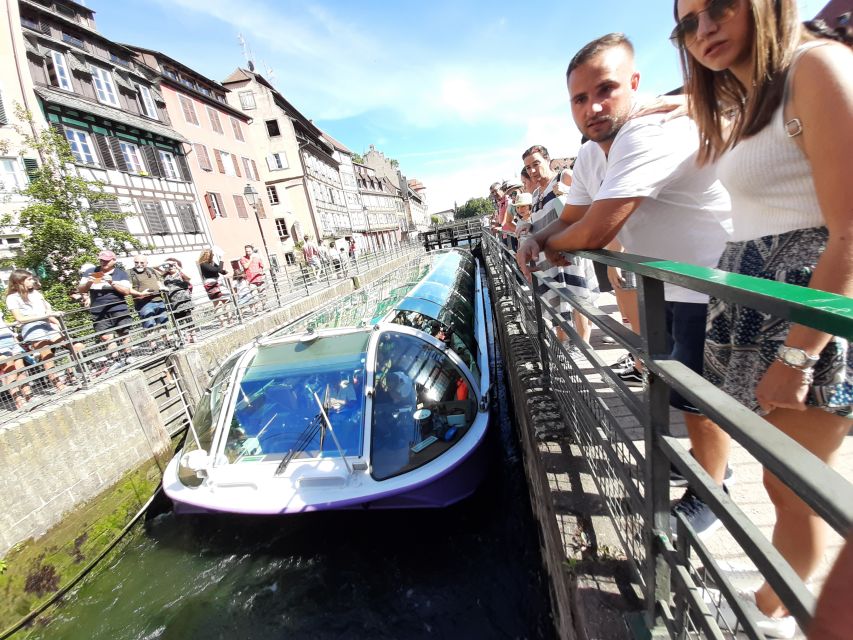
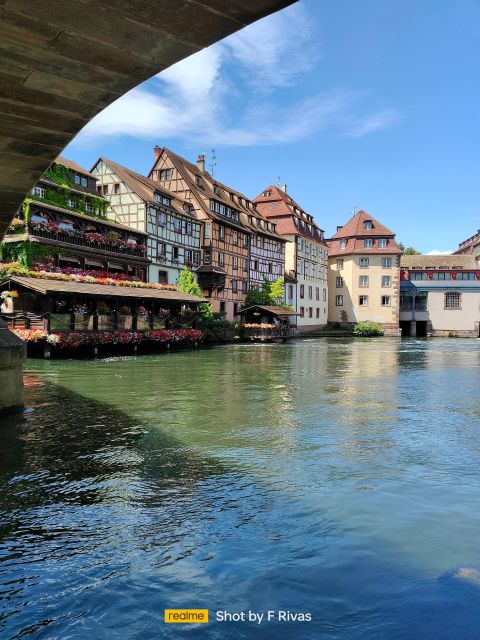
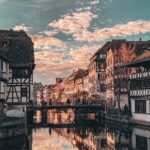
If Strasbourg has a single neighborhood that screams camera time, it’s la Petite France. Here you get time for guided context, plus free time, shopping time, and photo stops.
The tour includes a moment to appreciate the swing bridge and the gate that helps you see the change in the boat level in the middle of Petite France. That technical detail becomes visual, which is the trick. When you understand what you’re looking at, the scene feels more alive and more interesting for photos.
You’ll also hear stories about why this place looks the way it does, not just the names of buildings. That’s the difference between collecting pictures and collecting meaning.
Practical note: Petite France can get crowded. One of the reasons guides here earn strong praise is that they know how to manage the group and sometimes use alternate back routes to reduce congestion. That means you’ll spend more time where the photos come out and less time waiting.
Saint-Thomas Church and Gutenberg Square: the “walkable landmarks”
After Petite France, the tour moves through major points like the Église Saint-Thomas with a photo stop and visit. This stop is short, but it helps anchor you in the classic Strasbourg rhythm of church, square, and street passage.
You’ll then reach Gutenberg Square, again with a photo stop and quick visit. Gutenberg Square is a smart break in the tour because it gives your feet a moment to reset while you transition toward the cathedral area.
If you like travel with a sense of flow, you’ll appreciate this structure. It keeps the tour from turning into one continuous “look, look, look” sprint. It also means you’re not lost when you later wander on your own.
Rue des Serruriers and tastings: cheese first, then the wine stop
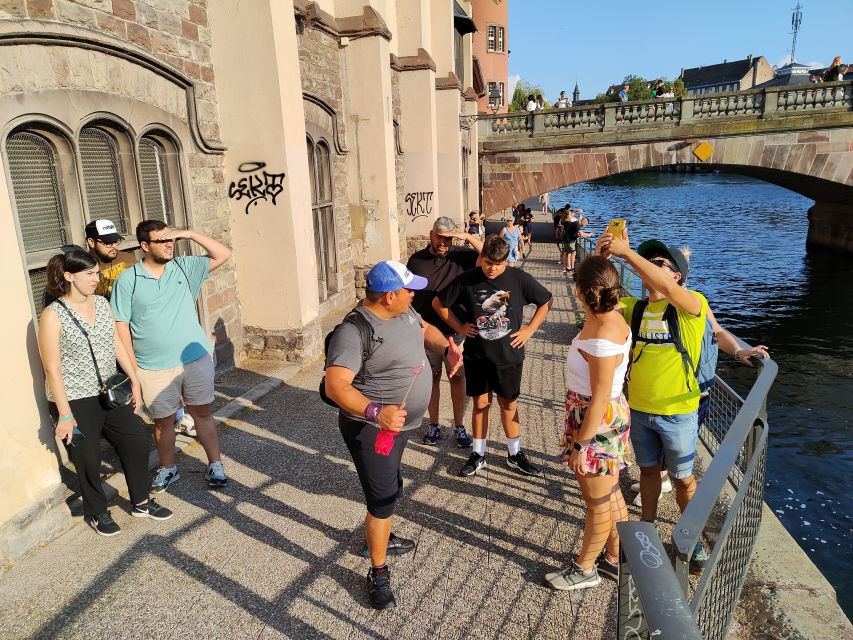
Now comes the part that changes the mood. You’ll get to Rue des Serruriers and a cheese tasting. This is one of the best ways to taste the Alsace identity without turning the tour into a full food day.
Then you continue to a winery stop for a visit and wine tasting. Reviews note strong enthusiasm from guides about both history and local recommendations, and the tastings are a big part of why this tour works even for people who don’t want to sit in museums.
One consideration to keep in mind: the wine and cheese stops can feel more like structured tastings than a long, lingering food experience. If you’re hoping for a slow-paced tasting marathon, you might want to plan a separate meal after the tour.
My advice: treat the tastings as orientation for flavors. Use what you like here as your shopping list for the rest of the trip.
Outdoor cathedral views, Maison Kammerzell, and Palais Rohan finale
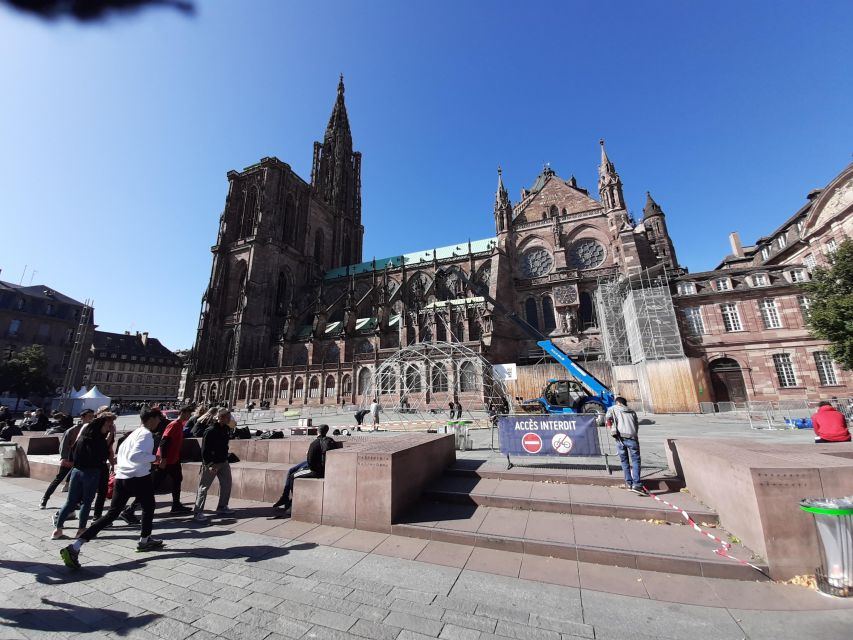
The next major highlight is Strasbourg Cathedral (Notre Dame Cathedral), outside only. You’ll have a photo stop and a visit that focuses on the exterior.
That outside-only format is a good match for the time. Even if you do not go inside, the cathedral dominates your skyline, and the guided explanations help you read the façade and understand why it matters in the city’s two-culture story.
Along the way, you’ll also see Maison Kamerzel and arrive at the Palais Rohan area for the final stretch. This ending location is smart because you finish near a part of town where it’s easy to keep exploring. If you end at Place de la Cathédrale, you’re set for cathedral-area wandering. If you end at Palais Rohan, you can drift into nearby streets with the same momentum.
What the guides do well, and why it affects your experience
Guide quality is a real factor on this tour, and you’ll notice it in how the stories connect. In the feedback you can see repeated praise for guides like Carlos, Erick, Gidda, and Fabrizio. The common thread is clear communication plus genuine enthusiasm for Strasbourg’s mix of cultures.
You also get practical help beyond history. People report that guides share food ideas, plus routes that help you avoid some of the worst crowd patches. That matters because in old-city Strasbourg, time spent stuck in foot traffic is time not spent photographing or enjoying the neighborhood feel.
If you want the tour to feel like a conversation instead of a lecture, this is the style it tends to deliver. The pacing also helps: you get enough pauses for pictures without the tour stalling into long waits.
Price and value: is $30 a fair trade?
At $30 per person for about 125 minutes, you’re paying for a guided walking plan that hits multiple top-photo zones plus tastings. The included tastings alone add value compared with a “walk only” tour.
What you should mentally budget for is what is not included. Museum entrances are not included, and the cathedral is an exterior visit. If you love interiors, you’ll likely want to add museum tickets or a longer cathedral visit on a separate block of time.
Also, the tour is set up for comfort and movement, not for extended breaks. You’re not losing the morning to transit, and you’re not stuck in a bus. That’s a big reason this works well as a first or second day activity when you want to get oriented quickly.
In short: it’s good value if you want a guided, story-driven walk with tastings and photo stops, not if you need long indoor time.
Who should book this walking tour
You’ll probably enjoy it if:
- you want to connect the dots between French and German influences in one tight route
- you care about photo-worthy canal, bridge, and cathedral exterior views
- you like guided context plus tastings, not just sights
It might feel less ideal if:
- you want long museum visits or multiple indoor ticket stops
- you’re expecting the wine and cheese time to be hours long rather than structured tastings
- you travel with large luggage or need to carry bulky bags (those are not allowed)
Also, the tour is listed as wheelchair accessible, and there’s a private group option if you want a smaller, more tailored feel.
Should you book this Strasbourg guided walking tour?
I’d book it if you want a high-value orientation to Strasbourg in a short window. The combination of classic landmarks, the defense-and-river story, Petite France photo moments, and tastings makes it more than just a stroll.
Book it especially if you’re the kind of traveler who likes to leave with usable knowledge. When you can explain why the city’s water defenses matter and why the canals look like they do, you’ll enjoy Strasbourg more on your own the next day.
Only skip it if you’re laser-focused on indoor museum time, because the tour is built around exterior sights and short visits rather than long ticketed stops.
FAQ
How long is the Strasbourg guided walking tour?
The tour lasts about 125 minutes.
Where does the tour start and where does it end?
You meet at Place Kléber or at Hôtel Strasbourg Le Kléber, depending on the option booked. You drop off at either Palais Rohan or Place de la Cathédrale.
What languages is the tour offered in?
The live guide speaks English and Spanish.
What tastings are included?
The tour includes a tasting of a typical German shepherd desert, plus a cheese tasting and a winery wine tasting.
Are museum entrances included?
No. Museum entrances are not included.
Is the cathedral visit inside or outside?
The cathedral is visited outside.
Is the tour wheelchair accessible?
Yes, the tour is listed as wheelchair accessible.
Are large bags or luggage allowed?
No. Luggage or large bags are not allowed.
Latest Strasbourg entries, notes attached


Alsace Tours, compared.

Colmar, Medieval Village & Castle Small Group from Strasbourg
Read our review →
Strasbourg Food Tour – A Taste of Tradition by Do Eat Better
Read our review →
This tour also appears in